Rock Bass in West Virginia Streams
It's easy to get caught up chasing the headline-grabbing muskie or the acrobatic smallmouth bass in West Virginia's incredible waterways, often overlooking some of the state's most spirited, accessible, and downright fun-to-catch fish. If you've ever felt like you're missing out on a feisty fight closer to home, or just need a reliable fish for a relaxing day on the water, you're in the right place. This guide is all about the rock bass, a true unsung hero of many West Virginia streams, offering you insights into where to find them, how to catch them, and why they deserve a spot on your angling agenda.
What Exactly is a Rock Bass?
The rock bass, Ambloplites rupestris, is a fascinating little fish often affectionately called a "redeye" or "goggle-eye" by local anglers. They might not get the same press as their larger bass cousins, but these panfish offer a ton of enjoyment, especially for those who appreciate a consistent bite and a good fight on light tackle. They're part of the sunfish family, sharing some traits with bluegill and crappie, but with their own distinct personality.
Identifying Features: How to Spot a Rock Bass
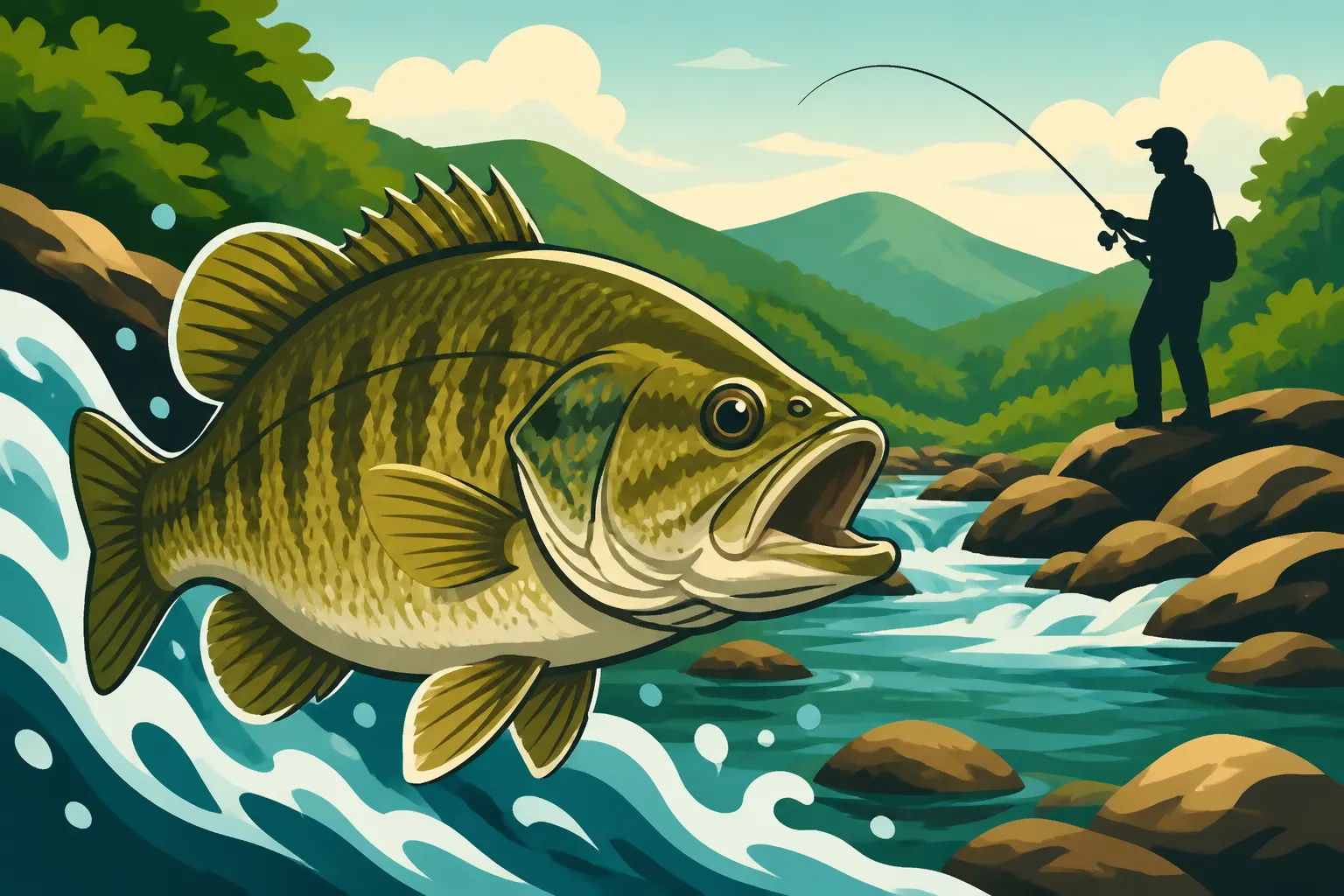
When you pull a rock bass from the water, you'll immediately notice a few key characteristics that set it apart. First, look at its body shape: it's typically deep-bodied and compressed, similar to a bluegill, but often appears more robust. The color can vary quite a bit depending on the water clarity and substrate where it lives, ranging from olive green to brassy brown, often with dark mottling or faint bars along its sides. Many specimens will have a dark spot on the edge of each scale, creating a series of horizontal rows, which is a good identifier.
However, the most striking feature, and the one that gives them their common nickname, is their large, often ruby-red or orange-red eye. This "redeye" is quite prominent and usually the first thing anglers notice. They also have a larger mouth than most sunfish, extending back to at least the middle of the eye. Their dorsal fin is continuous, with 10-12 stout spines followed by soft rays, distinguishing them from black bass species which have a distinct notch. Counting these fin spines can be a sure way to identify them, especially when comparing them to other similar-looking panfish.
Size and Growth in West Virginia Waters
While they won't typically break any tackle records, rock bass in West Virginia can grow to a respectable size, making them a fun target. Most rock bass you'll encounter will be in the 6-10 inch range, weighing a half-pound to a pound. However, in prime habitats with abundant food and less fishing pressure, they can certainly exceed this, reaching lengths of 12-14 inches and weighing up to 2 pounds. These larger individuals offer a surprisingly strong fight, especially on ultralight gear.
Their growth rate is influenced by a multitude of factors, including water temperature, food availability, and population density within a given stream system. In colder, less nutrient-rich mountain streams, they might grow slower but live longer, potentially reaching older ages and larger sizes than their counterparts in more productive, warmer waters. While the focus might often be on game fish like trout or smallmouth, don't underestimate the thrill of landing a hefty rock bass; it’s a solid catch that proves size isn't everything when it comes to angling enjoyment.
The "Redeye" Panfish: Distinctive Characteristics
Beyond the red eye and the general body shape, rock bass possess a certain ruggedness that reflects their preferred rocky habitats. Their scales are relatively large and rough to the touch, and they have a distinct, slightly aggressive appearance. Unlike the more streamlined smallmouth bass, which shares some habitat preferences, the rock bass's deep body is built for navigating tight spaces among rocks and woody debris, allowing them to ambush prey with surprising agility. Their fins, particularly the dorsal and anal fins, are spiny, which provides a degree of protection but also means you need to handle them carefully to avoid a prick!
Another less obvious but interesting characteristic is their longevity. While many panfish might have shorter lifespans, rock bass can live for a surprisingly long time, often up to 10-12 years in ideal conditions. This contributes to the potential for larger "trophy" sized fish in certain areas. Understanding these distinctive characteristics not only helps with accurate identification but also gives you clues about their behavior and how best to target them. They are truly unique inhabitants of our mountain streams, often overlooked but always ready for a spirited encounter.
Where Do Rock Bass Live in West Virginia?
If you're looking for rock bass, you're in luck, because West Virginia's diverse aquatic landscape provides ample opportunities. While they're not everywhere, they thrive in specific types of environments that are abundant across the state, particularly in the western and central parts. Forget the vast, open lakes for a moment; we're talking about flowing water, structure, and a bit of current.
Preferred Stream Habitats
Rock bass, true to their name, absolutely adore rocky habitats. They are most commonly found in clear, cool to warm streams and rivers with plenty of cover. Think about areas with a lot of boulders, submerged logs, fallen trees, rock ledges, and undercut banks. These features provide them with shelter from predators, ambush points for prey, and a refuge from strong currents. They aren't generally found in extremely fast, turbulent rapids, but they thrive in the seams and eddies along the edges of such currents, or in the slower-moving pools and runs where rocks and debris accumulate.
You'll often find them congregating around specific types of structure:
- Boulders and rock piles: These are prime hiding spots and ambush points.
- Log jams and fallen trees: Excellent overhead cover and insect habitat.
- Undercut banks: Provide shade and a sense of security.
- Rip-rap or bridge pilings: Man-made structures that mimic natural rocky cover.
- Pools with gravel or cobble bottoms: Often found near riffles, offering both feeding and resting areas.
They are less common in muddy, silty bottomed streams or in waters with very little physical structure. If you find yourself in a clear, rocky stream with a gentle to moderate current, you're likely in rock bass territory. This preference for rocky stream beds is a strong clue for anglers searching for them.
Key West Virginia Rivers and Creeks
West Virginia boasts numerous rivers and creeks that are perfect rock bass havens. While they can be found in many smaller tributaries, some of the more prominent systems offer exceptional opportunities.
The New River is perhaps one of the most famous, renowned for its smallmouth bass, but it's also absolutely loaded with rock bass. Look for them in the slower sections and eddies, especially around the countless boulders and ledges. Tributaries flowing into the New River, like the Gauley River or the Bluestone River, also hold healthy populations. New River Smallmouth Bass Fishing touches on similar habitats, which are also fantastic for rock bass.
Other excellent systems include:
- Kanawha River: While a larger river, its rocky sections and tributaries can be productive.
- Elk River: Known for its trout, but the lower, warmer sections and its feeder creeks are great for rock bass.
- Greenbrier River: A classic West Virginia stream, offering plenty of rocky cover and clear water, ideal for "redeyes." Greenbrier River Fishing Guide would be a useful read to understand the general area.
- Cheat River: Especially the calmer sections and its feeder streams away from the whitewater.
- South Branch of the Potomac River: Another excellent choice, particularly in its middle and lower reaches where current slows and structure abounds.
Remember, rock bass are often found in areas that also hold smallmouth bass. So, if you're fishing for smallmouth in these rivers, don't be surprised to hook into a few rock bass as well! These are truly some of the best fishing rivers in West Virginia.
Understanding Their Distribution Across the State
Rock bass are pretty widespread throughout West Virginia, particularly in the western two-thirds of the state, roughly corresponding to the Ohio River and Kanawha River drainages. They are less common, though not entirely absent, in the extreme eastern panhandle, which leans more into the Potomac River drainage and features different stream characteristics.
Generally, you'll find them at lower to mid-elevations. They're not typically found in the highest, coldest mountain headwater streams that are exclusively home to brook trout, as these environments are usually too cold and lack the necessary rocky cover and insect life they prefer. Instead, they thrive in the transition zones where streams widen, warm slightly, and develop more complex rocky structures.
For anglers planning a trip, focusing on the tributaries and main stems of the larger river systems mentioned above, particularly those with good flow and ample rocky cover, will yield the best results. Always consult the West Virginia Fishing Regulations Explained for any specific rules for the waters you plan to fish, as regulations can vary by body of water and species. Knowing their preferred distribution helps narrow down your search and increases your chances of a successful outing.
Understanding Rock Bass Behavior and Diet
To consistently catch rock bass, it helps to think like a rock bass. These fish are opportunistic feeders and masters of their rocky domain, using structure not just for shelter, but as a strategic advantage in their daily hunt for food. Their behavior is largely driven by their need for sustenance and protection.
Feeding Habits and Preferred Forage
Rock bass are not picky eaters, which is fantastic news for anglers. They are primarily insectivores and carnivores, preying on whatever small creatures are available in their immediate environment. Their diet can include a wide variety of items, which explains why they readily hit so many different baits and lures.
Common food sources include:
- Aquatic insects: Larvae and nymphs of mayflies, caddisflies, stoneflies, and dragonflies are staples. When these insects hatch, rock bass will often key in on them.
- Small crustaceans: Crayfish are a huge favorite, especially in streams where they are abundant. A rock bass won't hesitate to pounce on a small crawfish.
- Small fish: Minnows, juvenile sunfish, and even tiny injured baitfish are all on the menu, particularly for larger rock bass.
- Terrestrial insects: Hoppers, crickets, and beetles that fall into the water are quickly snatched up.
They are ambush predators, often hiding in the shadows of rocks, logs, or undercut banks, waiting for an unsuspecting meal to drift by. Their larger mouth for a panfish size allows them to consume surprisingly large prey items. This aggressive feeding behavior makes them a blast to catch, as they often strike with confidence.
Seasonal Movements and Activity
Like most fish, rock bass activity and movement patterns are influenced by the seasons, primarily driven by water temperature and spawning cycles.
- Spring: As water temperatures rise, rock bass become very active. They move into shallower, rocky areas to feed aggressively after the colder winter months. This is also when spawning occurs, typically when water temperatures are in the 65-70°F range. Males will create shallow nests, usually depressions in gravelly areas near cover, and guard the eggs and fry. During this time, they are particularly territorial and aggressive, making them easier to catch.
- Summer: During the warmer summer months, rock bass often retreat to deeper pools or areas with more overhead cover to escape the midday sun and maintain cooler body temperatures. They'll still feed actively, especially during mornings, evenings, and overcast days. Look for them in shaded areas under logs, large rocks, or bridge pilings.
- Fall: As water temperatures cool down, rock bass remain active and can be found feeding heavily in preparation for winter. They might spread out a bit more from their tight summer cover, but they'll still gravitate towards structure. This can be an excellent time for consistent action.
- Winter: Rock bass become less active in winter, seeking deeper, more stable water to conserve energy. While they'll still feed, their metabolism slows, and bites will be more subtle. Ice fishing for rock bass can be productive in lakes where they are present, but in flowing streams, they'll be in the deepest, slowest pools.
Understanding these seasonal shifts helps you predict where to find them and what techniques might be most effective.
Impact of Water Conditions
Water conditions play a significant role in rock bass behavior.
- Water Clarity: Rock bass generally prefer clear to slightly stained water. This allows them to effectively ambush prey by sight. In very muddy or turbid water, their feeding efficiency can decrease, and they might become less active or move to clearer stretches.
- Current: While they live in flowing water, they prefer areas where the current is broken or relatively slow. Strong, sustained currents can push them into protected eddies or slack water. When rivers are high and fast after heavy rains, rock bass will hunker down in deep, slow pools or tight against bank cover. Fishing after a heavy rain on West Virginia rivers provides good context for how fish react to such conditions.
- Temperature: As mentioned, temperature dictates their activity level and location. Extremely cold or hot water will send them seeking thermal refuge. Knowing the ideal water temperature range for active feeding (typically 60-75°F) can greatly improve your success.
By paying attention to these factors – preferred forage, seasonal patterns, and current water conditions – you can significantly improve your chances of a rewarding day chasing "redeyes" in West Virginia's streams.
Effective Techniques for Catching Rock Bass
Catching rock bass is often an accessible and rewarding experience, perfect for anglers of all skill levels, from beginners to seasoned pros. Their aggressive nature and willingness to bite make them a fantastic target, especially on lighter tackle. The key is presenting something appealing near their favored cover.
Best Baits and Lures
Rock bass are not particularly finicky, so you have a wide array of options when it comes to baits and lures. The goal is to imitate their natural prey, such as small insects, crustaceans, or minnows.
Live Bait:
- Worms: A classic for a reason! Red worms, nightcrawlers (cut into smaller pieces), or even mealworms are incredibly effective. Present them on a small hook (size 8-12) under a bobber or on a light bottom rig.
- Small Minnows: Live or dead small minnows, about 1-2 inches long, are irresistible to larger rock bass, especially when fished near rocky cover.
- Crayfish: Small crayfish, or even just their tails, are excellent bait. Rock bass love to eat crawdads, so this can be a real game-changer.
- Crickets/Grasshoppers: In summer, natural terrestrial insects can be deadly, particularly when fished close to overhanging vegetation.
Artificial Lures:
- Small Spinners: Classic inline spinners like Mepps Aglia or Panther Martin in sizes 0-2 are highly effective. Their flash and vibration mimic small baitfish or insects. Colors like silver, gold, black, or even chartreuse can all work well. You can find a great selection on Amazon.
- Tiny Jigs: Micro jigs (1/32 to 1/16 oz) tipped with a small plastic grub, tube, or a feather are incredibly versatile. Colors like white, chartreuse, black, or pumpkinseed are reliable. Fish them with a slow retrieve or by twitching them near cover.
- Small Crankbaits: Very small, shallow-diving crankbaits (1-2 inches) that imitate minnows or crayfish can trigger aggressive strikes from larger rock bass.
- Micro Spoons: Small casting spoons, especially in silver or gold, can be effective, particularly in deeper pools.
- Flies: For fly anglers, nymphs (Prince Nymph, Hare's Ear, Pheasant Tail), small streamers (Woolly Bugger), and even dry flies (Caddis, Ant patterns) can be deadly. Fly Patterns for West Virginia Trout Streams can give you some crossover ideas.
The general rule is "small and subtle" for most situations, though larger lures can certainly tempt bigger fish. Best Tackle for Panfish would provide excellent, targeted recommendations for many of these options.
Tactics for Different Stream Conditions
Adapting your tactics to the specific stream conditions is crucial for consistent success.
- Clear, Low Water: In clear, low-water conditions, rock bass can be very spooky. Use lighter line (4-6 lb test fluorocarbon or monofilament), smaller baits and lures, and approach fishing spots quietly. Long casts are often necessary to avoid spooking the fish. Focus on deep pools and areas with dense cover where they feel more secure.
- Normal Flow, Clear Water: This is prime rock bass fishing. Fish the edges of currents, seams, eddies, and around prominent rocky structure. Cast your lure upstream and allow it to drift naturally past suspected hiding spots, or cast directly to cover and retrieve.
- High, Stained Water: After heavy rains, streams can become swollen and murky. Rock bass will pull out of the main current and seek refuge in very slow eddies, backwater pockets, or tight against the bank under thick cover. Use baits and lures with more vibration and profile, and consider brighter colors like chartreuse or orange that stand out in stained water. Scented baits can also be a big advantage here. Best Lure Color for Muddy Water Bass Fishing delves into this concept more broadly.
- Deep Pools: When fishing deeper pools, especially in summer or winter, target the bottom. Use jigs, small spoons, or weighted live bait rigs to get down to where the fish are holding. Slowly work your presentation along the bottom, making sure to bump it off rocks and logs to imitate a foraging crayfish.
Always remember that rock bass are structure-oriented. If you're not getting bites, move to the next piece of promising cover.
Gear Recommendations for Rock Bass
You don't need a heavy-duty setup to enjoy rock bass fishing; in fact, lighter gear makes the fight even more enjoyable.
- Rod: An ultralight or light action spinning rod, 5'6" to 6'6" in length, is ideal. This allows for sensitive feel, accurate casting of small lures, and maximum fun when fighting even modest-sized fish. Something like the Best Ultralight Rod for Panfish would be perfect.
- Reel: A small spinning reel (500 to 1000 size) balanced with your rod. Smooth drag is more important than massive line capacity.
- Line: 4-6 pound test monofilament or fluorocarbon is usually sufficient. Monofilament offers good knot strength and shock absorption, while fluorocarbon offers less stretch and better abrasion resistance, which can be useful around sharp rocks. A good quality 6lb test line can be found on Amazon for a very reasonable price.
- Terminal Tackle: A small assortment of split shot weights, tiny swivels, and small hooks (size 8-12 Aberdeen or bait holder hooks).
- Waders/Boots: Depending on the stream, Best Waders for West Virginia Trout Streams might be overkill, but a good pair of wading boots or even old sneakers and shorts can be beneficial for getting to prime spots.
- Pliers/Forceps: Essential for safely removing hooks, especially from smaller fish.
- Small Net: A small, soft-mesh landing net can be handy for larger fish, especially if you plan on catch and release.
Keeping your gear light and simple is often the best approach for chasing these feisty panfish. It amplifies their fighting spirit and makes every catch a memorable experience.
Rock Bass: A Delicious and Fun Catch
Rock bass are more than just a fun fight; they also make for excellent table fare and offer a fantastic entry point into fishing for young or novice anglers. Don't let their smaller size deter you from appreciating their full value.
Culinary Value and Preparation
When it comes to eating, rock bass are often overlooked, but they are surprisingly good! The meat is white, flaky, and has a mild, sweet flavor, very similar to crappie or bluegill. They are a true panfish in every sense of the word, meaning they are perfect for pan-frying.
Preparation is simple:
- Filleting: For larger rock bass (8 inches or more), filleting is the easiest way to get boneless meat. You can use a sharp fillet knife, carefully removing the meat from the backbone and ribs.
- Pan-Dressing: For smaller fish, many anglers simply "pan-dress" them by scaling, gutting, and removing the head and fins. The bones are easily picked around after cooking.
- Cooking:
- Pan-Frying: This is the most popular method. Dredge the fillets or pan-dressed fish in seasoned flour, cornmeal, or a fish fry batter. Fry in hot oil (vegetable, canola, or peanut oil) until golden brown and cooked through.
- Grilling: Larger fillets can be lightly seasoned and grilled, either directly on a clean grate or in a foil packet with butter and herbs.
- Baking: Baked rock bass, especially whole pan-dressed fish, can be delicious with some lemon, butter, and your favorite seasonings.
The key is to cook them fresh. There's nothing quite like a meal of freshly caught panfish after a day on the river. Just be sure to check any local consumption advisories for the waters you're fishing.
Conservation and Catch Limits
While rock bass are generally abundant and not a species of concern, responsible angling practices are still important to maintain healthy populations. Always adhere to the current West Virginia fishing regulations.
- Bag and Possession Limits: West Virginia typically has generous bag and possession limits for panfish, including rock bass. These limits are in place to ensure sustainable harvesting. Always check the current West Virginia Bag and Possession Limits by Species to know how many fish you can legally keep. For example, while often grouped with other panfish, there might be specific nuances.
- Catch and Release: Even if you plan to keep some fish for dinner, practicing catch and release for a portion of your catch, especially the larger breeding fish, helps ensure future generations of rock bass. Use appropriate handling techniques: wet hands, minimize air exposure, and use a de-hooking tool or pliers to quickly remove hooks.
- Minimum Size Limits: While many panfish don't have minimum size limits, it's always good practice to release the very smallest fish to allow them to grow.
- Respect the Habitat: Avoid littering, don't disturb spawning beds, and leave the stream as clean or cleaner than you found it.
Being a good steward of our natural resources ensures that future anglers can enjoy the same opportunities we have today.
Family-Friendly Fishing Fun
Rock bass are an absolute gift when it comes to introducing new anglers to the sport, especially children. Their aggressive nature means they are often eager to bite, leading to frequent action and keeping interest levels high. There's nothing quite like the excitement of a child reeling in their first fish, and rock bass are perfectly suited for this role.
- Accessibility: They are found in many accessible streams, often close to public access points, parks, or campgrounds. You don't need a boat to catch them; many can be caught right from the bank or by wading.
- Simple Techniques: Basic bait fishing with a bobber and worm is incredibly effective, requiring minimal skill but delivering maximum fun. This makes them ideal for young anglers still learning casting and reeling.
- Feisty Fight: Even on a small rod, a 6-inch rock bass can put up a surprisingly strong fight, providing a thrill that builds confidence and excitement.
- Educational Opportunity: Catching rock bass offers a chance to teach about fish identification, habitat, ecology, and responsible angling.
So, the next time you're planning a fishing trip, consider dedicating some time to these unsung heroes. They promise a delightful angling experience, delicious meals, and wonderful memories, especially for families. Panfish Fishing in West Virginia further explores the joys of targeting these smaller, but no less exciting, species.
Comparing Rock Bass to Other Panfish
In West Virginia, the term "panfish" often conjures images of bluegill and crappie. While rock bass certainly belong in that category, they have distinct characteristics that set them apart, both in appearance and behavior. Understanding these differences can help you identify your catch and refine your fishing approach.
Rock Bass vs. Bluegill and Crappie
When comparing rock bass to the more commonly targeted bluegill and crappie, you'll notice some key distinctions.
| Feature | Rock Bass | Bluegill | Crappie |
|---|---|---|---|
| Body Shape | Deep-bodied, robust, compressed, somewhat thick | Very deep-bodied, rounder, very compressed | Deep-bodied, very compressed, disc-like |
| Mouth Size | Large, extends to middle of eye | Small, does not extend past front of eye | Large, extends well past middle of eye |
| Eye Color | Often ruby-red or orange-red | Typically dark, sometimes with red ring | Dark |
| Dorsal Fin | Continuous, 10-12 stout spines | Continuous, 10-12 spines | Divided, 5-6 spines (white crappie), 7-8 (black) |
| Habitat | Clear, rocky streams/rivers, structure | Ponds, lakes, slow rivers, vegetation, docks | Lakes, slow rivers, brush piles, submerged timber |
| Diet | Insects, crayfish, small fish | Insects, plankton, small aquatic invertebrates | Minnows, small crustaceans, insects |
| Fight | Spirited, strong for its size | Good, consistent | Often light, "papermouth" |
While bluegill are common across a wider range of slow-moving and still waters, rock bass are much more selective, preferring the flow and structure of rocky streams. Crappie, on the other hand, are often found in deeper lake structures or brush piles.
The most noticeable difference is usually the mouth and eye. Rock bass have a much larger mouth than a bluegill, similar in size to a crappie's. And, of course, that prominent red eye is a dead giveaway for the rock bass. These differences mean that while a bluegill might nibble at a tiny piece of worm, a rock bass is more likely to aggressively engulf a small minnow or crankbait, much like a crappie would.
Similarities and Differences with Smallmouth Bass
It's not uncommon for anglers to confuse a small, juvenile smallmouth bass with a rock bass, especially given their shared habitat preferences in West Virginia's rivers. However, there are clear distinctions once you know what to look for. Smallmouth Bass Fishing in West Virginia outlines the core characteristics of smallmouth.
Similarities:
- Habitat: Both species thrive in clear, rocky rivers and streams with moderate current and abundant cover. You'll often find them in the same pools and runs.
- Diet: Both are opportunistic predators that feed on insects, crayfish, and small fish. This is why lures and baits that work for one often catch the other.
- Fight: Both are known for their spirited fight, especially on light tackle.
Differences:
- Body Shape: Smallmouth bass have a more elongated, torpedo-shaped body, built for speed in current. Rock bass are deeper-bodied and more compressed.
- Dorsal Fin: Smallmouth bass have a distinctly notched dorsal fin, appearing almost like two separate fins (a spiny front section and a soft-rayed rear section). Rock bass have a continuous dorsal fin with no deep notch.
- Eye Color: While a smallmouth's eye is typically dark with a reddish tint, it's not the distinct, bright ruby-red "goggle-eye" of a rock bass.
- Mouth Size: For their body size, smallmouth bass have a slightly larger mouth that typically extends to just below the middle of the eye. A rock bass's mouth, while large for a sunfish, might not seem as massive in comparison to a similarly sized smallmouth.
- Vertical Bars: Smallmouth often have faint vertical bars or blotches on their sides, while rock bass tend to have more uniform mottling or horizontal rows of spots created by darkened scale edges.
Ultimately, if you catch a fish that looks like a small bass but has a brilliant red eye and a continuous dorsal fin, you've likely got yourself a rock bass. Both are fantastic sport fish, and catching either one is a highlight of river fishing in West Virginia. Many of the best spinning rods for smallmouth bass could also be used to target rock bass, especially light-action models.
The Overlooked Gem Among Panfish
Rock bass truly are an overlooked gem. They don't have the "trophy" appeal of a muskie or the widespread popularity of a trout, but what they lack in notoriety, they make up for in sheer angling enjoyment and accessibility. They're a perfect indicator species for healthy stream habitats, signifying good water quality and an abundance of forage.
For anglers looking for consistent action, a reliable fish for the frying pan, or simply a fun way to spend an afternoon by the river, the rock bass delivers every time. Their willingness to bite, their feisty nature, and their preference for beautiful, clear streams make them a highly underrated target in West Virginia. So next time you're out, give these redeyed warriors the attention they deserve; you might just discover a new favorite.
Disclaimer
This article is for general informational purposes only and does not constitute professional advice. Laws, prices and regulations vary by location and change over time. Consult a qualified professional for guidance on your specific situation.