How many trout West Virginia stocks each year
One of the most common questions I hear from fellow anglers, especially those new to the Mountain State, is "How many trout does West Virginia actually stock?" It's a natural curiosity, especially when you consider the sheer volume of trout reports and the vibrant fishing culture surrounding our coldwater fisheries. Trying to wrap your head around the scale of the state's trout stocking operations can feel a bit overwhelming, but understanding the commitment behind it really helps you appreciate the incredible fishing opportunities we have. This guide will dive deep into the immense effort West Virginia puts into its trout stocking programs, helping you understand not just the impressive scale, but also the "why" and "where" behind it all, ensuring you're well-equipped to enjoy our abundant trout waters.
The Sheer Scale of West Virginia's Trout Stocking Endeavor
When you think about the number of trout stocked in West Virginia each year, it's easy to picture a few hundred here and there. But the reality is far grander! Our state's commitment to trout fishing is truly remarkable, and it involves a monumental effort to raise and distribute fish across countless waterways. It's a year-round operation that ensures there are plenty of feisty trout to pursue, from the opening days of spring to the crisp air of fall, and even through the quiet solitude of winter ice fishing. This dedication means anglers almost always have a chance to connect with these beautiful fish.
A Look at the Major Trout Species Stocked
West Virginia doesn't just stock one type of trout; there's a fantastic variety that keeps things interesting for anglers. The vast majority of the trout you'll encounter from stocking efforts are Rainbow Trout. These are the workhorses of the stocking program, known for their eager bite and adaptability, making them perfect for "put-and-take" fisheries where the goal is simply to get fish into angler's creels. They're robust and grow quickly in the hatchery environment, allowing for substantial numbers to be raised and released.
Then there's the showstopper: the Golden Rainbow Trout. These unique, vibrant fish are a huge draw, especially during special events like the Gold Rush. They stand out with their bright, almost fluorescent golden hue, making them incredibly popular targets. While not stocked in the same colossal numbers as their rainbow cousins, the thousands of goldens introduced each year create a special thrill. Golden Rainbow Trout Stocked for West Virginia's Gold Rush is a perfect example of how these special fish generate excitement.
Beyond these, Brown Trout are also part of the stocking mix, though often in more specialized programs. Brown trout are known for their hardiness and ability to hold over in streams, sometimes even becoming wild-reproducing populations. They can be a bit more elusive, offering a rewarding challenge for seasoned anglers. Lastly, our state's native jewel, the Brook Trout, is primarily managed through habitat preservation and wild populations, but some efforts involve stocking fingerling brook trout into suitable waters to bolster native populations or expand their range, particularly in remote, high-elevation streams. Brook Trout: West Virginia's Native and State Fish delves into this special fish.
Understanding the Volume: Why We Don't Have an Exact Annual Figure
It's tempting to ask for a precise number, like "exactly X million trout are stocked annually," but the truth is, the exact figure is a dynamic target, not a static number. The stocking program is influenced by so many variables: hatchery production capacity, fish health, water conditions, angler demand, and budget considerations. Therefore, state agencies typically provide figures that represent substantial ongoing efforts rather than a fixed yearly quota.
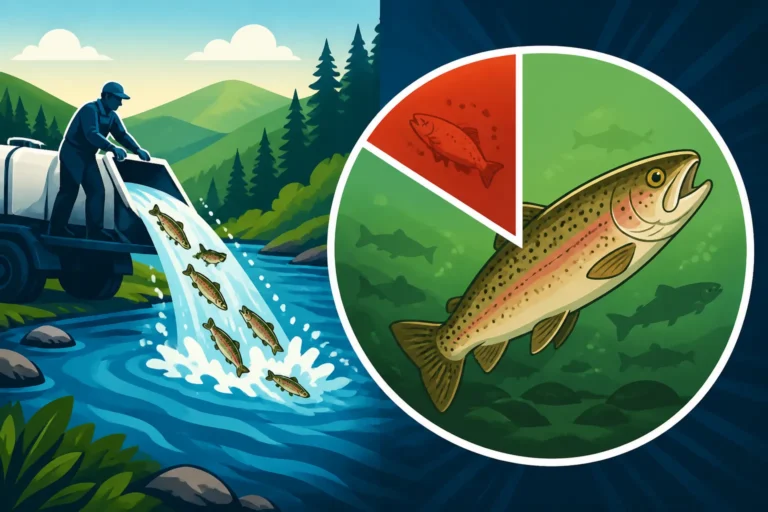
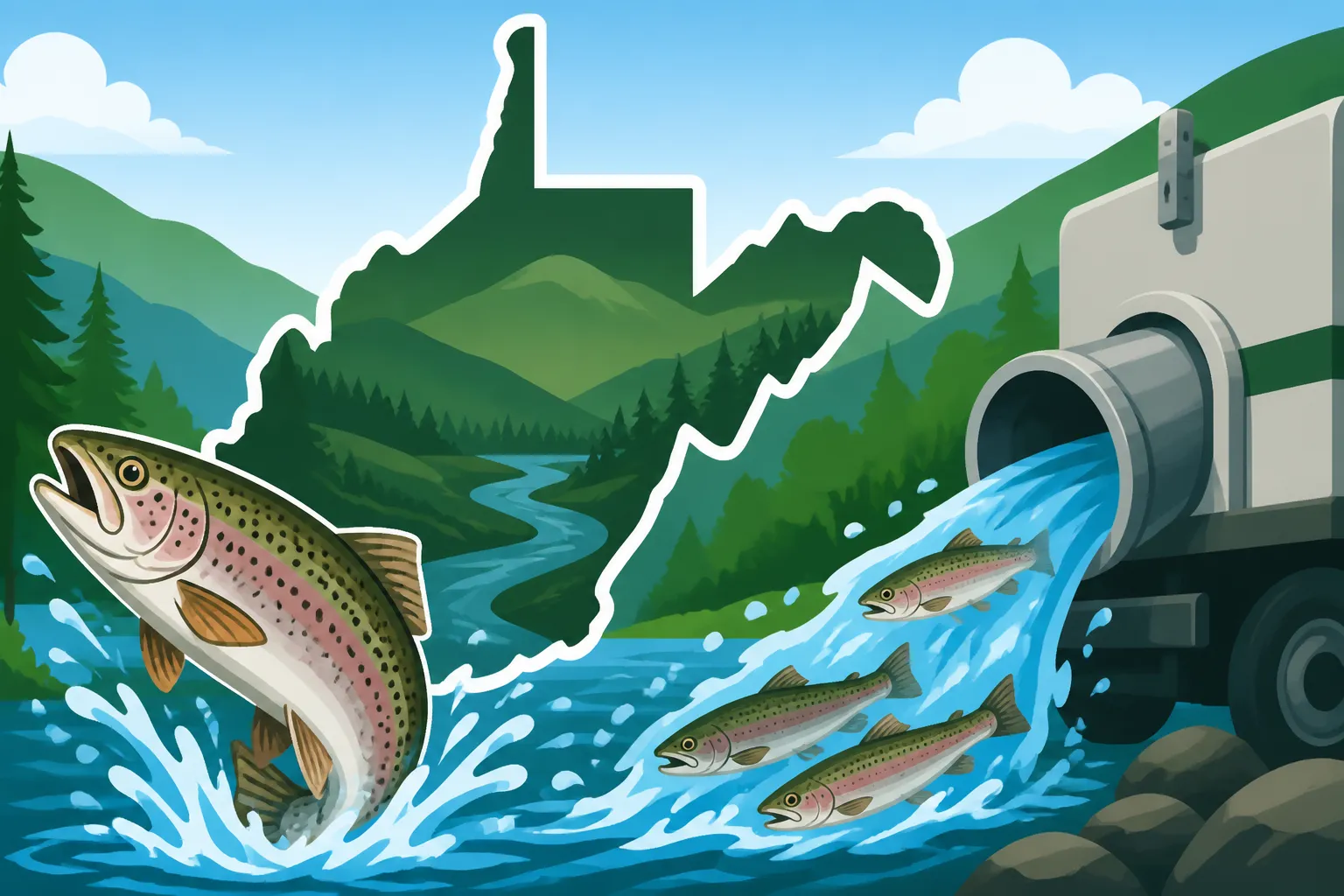
What we can say with certainty is that West Virginia's hatcheries produce hundreds of thousands, if not well over a million, catchable-sized trout each year. These aren't tiny fingerlings, mind you, but fish that are ready to fight when they hit the water, ranging anywhere from 10 inches up to trophy sizes. This massive undertaking ensures that trout fishing remains a cornerstone of outdoor recreation here. To give you a rough idea, consider the sheer scale of the equipment needed to manage such an operation – from the specialized trucks for transport to the feeding systems in the hatcheries – it's all designed to handle a truly impressive volume of fish. It's a huge commitment, reflecting the state's understanding of how vital trout fishing is to its residents and visitors.
The Purpose Behind West Virginia's Extensive Trout Stocking Program
So, why go to all this trouble? Why invest so much into raising and distributing such an incredible number of trout? The reasons are multi-faceted, stemming from a combination of recreational demand, economic impact, and a long-standing tradition of providing exceptional fishing opportunities. It’s not just about putting fish in the water; it’s about fostering a vibrant outdoor community and protecting a cherished pastime.
Fueling Our "Put-and-Take" Fisheries
One of the primary drivers behind West Virginia's substantial stocking efforts is the management of what we call "put-and-take" fisheries. These are waters, typically lakes, ponds, and easily accessible stream sections, where trout are stocked primarily for immediate angling pleasure. Many of these waters are simply too warm in the summer months for trout to survive year-round or lack the natural food sources and spawning habitat to support self-sustaining populations.
The "put-and-take" model means anglers can go to these designated waters, often listed on the official stocking schedules, and expect to catch fish soon after they've been released. This creates an incredibly accessible and rewarding experience for anglers of all skill levels, from seasoned veterans to families with young children trying fishing for the very first time. It provides instant gratification and helps introduce new generations to the joy of fishing. It also means that anglers can enjoy trout fishing in areas that might otherwise not support it, expanding opportunities across the state. These programs rely heavily on consistent stocking, which is why the volume is so high.
Supporting Tourism and Angler Engagement
Beyond providing direct recreation, the trout stocking program is a significant economic engine and a major draw for tourism. Anglers, whether they're residents or visitors, spend money on licenses, tackle, gas, lodging, and food when they go fishing. This spending supports local businesses, creates jobs, and generates tax revenue for the state. Think about the bustling bait shops on opening day or the packed campgrounds near popular trout streams – that's all fueled by the promise of good fishing, much of which comes from stocked trout.
The allure of consistently stocked waters also encourages angler engagement. When people know there are fish to be caught, they are more likely to participate, buy their West Virginia Fishing License Guide for 2026, and invest in the sport. This, in turn, helps fund conservation efforts through license sales and excise taxes on fishing equipment (like those you might find browsing on Amazon). The stocking program isn't just about fish; it's about sustaining a healthy outdoor economy and a passionate community of anglers. Many families plan their vacations around these opportunities, visiting state parks or national forests specifically for the fishing.
Where Do All These Trout Go? Diverse Waters Across the Mountain State
With such an impressive number of trout being stocked, you might wonder how they're distributed. West Virginia boasts an incredible diversity of waterways, and the stocking program is designed to take full advantage of this, catering to different angling preferences and ensuring widespread access. It's not a one-size-fits-all approach; rather, it's a thoughtful distribution that maximizes opportunities for everyone.
Lakes and Ponds: Accessible Fishing for Everyone
For many anglers, especially those with young children or those who prefer a more relaxed fishing experience, lakes and ponds are prime targets for trout stocking. These impoundments offer easy bank access, often have amenities like piers or boat ramps, and provide a controlled environment where stocked trout can thrive for a period. Our state parks, for instance, frequently have ponds that are regularly stocked, making them fantastic family destinations. These often include waters designated as "Class A" or "Class B" trout waters, indicating their stocking frequency and management goals.
Think about a serene morning at a local lake, kids giggling as they reel in a shimmering rainbow trout. That experience is made possible by the dedicated stocking teams who bring thousands of fish to these waters. These spots are particularly popular during the early spring and fall stockings, when water temperatures are ideal. Even in larger reservoirs like Summersville Lake or Tygart Lake, specific coves or areas might be designated for trout stocking, providing unique opportunities. You can find gear specifically suited for pond and lake fishing, like rod and reel combos and bait rigs, on Amazon, making it easy to get started.
Streams and Rivers: From Mountain Freestones to Tailwaters
The heart of West Virginia's trout fishing lies in its streams and rivers. These range from tiny, high-gradient mountain freestone streams, often home to native brook trout, to larger, more accessible rivers. A significant portion of the stocked trout find their new homes in these flowing waters. Stocking efforts target various stream types, providing different challenges and rewards for anglers.
Some streams are designated for year-round trout fishing, while others are strictly managed with specific West Virginia Fishing Season Dates and Closures. Tailwater fisheries, those sections of river below large dams, are particularly productive. The consistent cold water released from these dams creates ideal conditions for trout survival and growth, often allowing for "holdover" trout that can grow to impressive sizes. Popular examples include the Elk River below Sutton Dam or the Cranberry River tailwater. Fishing these waters effectively often requires specific techniques covered in articles like Spring Trout Fishing Techniques for West Virginia Streams. It's vital to check the West Virginia Fishing Regulations Explained for specific rules on these diverse waters.
Special Regulation Waters: Managing for Different Experiences
Beyond general stocking, West Virginia also manages a number of "Special Regulation Waters." These are specific sections of streams or entire small impoundments where rules regarding bait, tackle, and harvest limits are different from statewide regulations. Some might be "catch and release" only, some "fly-fishing only," and others might have extended seasons or unique creel limits. These areas are designed to provide a different kind of angling experience, often focusing on trophy potential or the challenge of fooling more wary fish.
While some of these special regulation waters are managed for wild trout populations (especially for brook trout), many still receive supplemental stockings of brown or rainbow trout to ensure a robust population for anglers seeking a unique challenge. These waters are often prized by experienced fly anglers looking to test their skills. Understanding the rules for these areas is critical, and a quick check of the official regulations or a call to the West Virginia Trout Stocking Hotline and Schedule can clear up any confusion. These diverse management strategies contribute to the overall impressive number of trout stocked annually, as different programs cater to different types of fisheries and angler preferences.
Keeping Up with the Stocking Schedule: How Anglers Stay Informed
With so many trout being stocked across such a wide array of waters, it's natural to wonder how you can keep tabs on where and when these fish are being released. Fortunately, West Virginia makes it quite accessible for anglers to stay informed, ensuring you can plan your trips to coincide with fresh stocking events and maximize your chances of success.
Essential Resources for Anglers
The primary resource for staying informed about trout stockings in West Virginia is the official state wildlife agency's website. They typically publish a detailed stocking schedule, often broken down by county and specific waterway. This schedule is usually updated regularly, especially during peak stocking seasons in the spring and fall. It's truly your best friend if you're looking to hit the water when the fish are fresh.
Beyond the website, many local bait and tackle shops are fantastic hubs of information. The folks who run these shops live and breathe local fishing, and they often have the most up-to-the-minute details, including anecdotal reports from other anglers. Don't be shy about striking up a conversation! Additionally, the state often operates a dedicated trout stocking hotline. This automated phone service provides weekly updates on where trout have been stocked, giving you real-time information. It's like having an insider tip right at your fingertips. You might also find local fishing forums or Facebook groups where anglers share their experiences and discuss stocking updates.
Planning Your Trip Around the Stockings
Once you've got the stocking schedule in hand, planning your trip becomes a whole lot easier. Many anglers enjoy being among the first to fish a recently stocked water, as the trout tend to be very active and eager to bite shortly after release. This can lead to some truly memorable days on the water. However, if you prefer a less crowded experience, waiting a few days or even a week after a stocking can also be effective, as the fish will have dispersed a bit and might be feeding more naturally.
Remember that a Trout Stamps and Trout Fishing Rules in West Virginia is almost always required for any angler taking trout, regardless of whether you intend to keep them or practice catch and release. Having the right gear, too, makes a huge difference. Whether it's a trusty spinning rod with power bait or a carefully chosen fly for the local hatch, being prepared is key. If you're looking to upgrade your tackle or just need some fresh ideas, browsing specialized fishing gear on Amazon can provide inspiration for your next trout outing. Knowing the schedule and having the right approach can turn a good fishing day into a truly unforgettable one, surrounded by the beautiful landscapes of West Virginia.
Disclaimer
This article is for general informational purposes only and does not constitute professional advice. Laws, prices and regulations vary by location and change over time. Consult a qualified professional for guidance on your specific situation.