What fish species thrive in warm reservoir water
Many West Virginia anglers find themselves scratching their heads when the heat of summer really starts to set in, wondering where all the fish have gone as the surface water temperatures climb. It's a common frustration to see your usual spots turn quiet, making you feel like the fish have simply vanished. But fear not, because while some species might get a little lethargic, others actually hit their stride in the warmer reservoir waters. This guide is here to unravel that mystery, highlighting the resilient and often feisty fish species that thrive when the mercury rises, and how you can successfully target them in our Mountain State reservoirs.
Navigating West Virginia's Warm Reservoir Waters
West Virginia is blessed with numerous reservoirs, from the sprawling expanse of Summersville Lake to the winding arms of Stonewall Jackson Lake and Bluestone Lake. These bodies of water are incredible fisheries, but they present unique challenges and opportunities, especially when the water temperatures climb. Understanding how these warm reservoirs function is key to unlocking their fishing potential.
The Unique Challenge of Warm Reservoirs
When water temperatures rise significantly, a phenomenon called "thermal stratification" often occurs in deeper reservoirs. This means the lake essentially divides into layers: a warm upper layer (epilimnion) rich in oxygen, a middle layer where temperature changes rapidly (thermocline), and a colder, deeper layer (hypolimnion) that often becomes oxygen-depleted. Fish are cold-blooded creatures, so they seek out their preferred temperature range, and often that means finding the thermocline where there's a balance of cooler water and sufficient oxygen.
For us anglers, this means the fish aren't just "anywhere." They're concentrated in specific zones, and if you're not fishing those zones, you're essentially casting into empty water. This is where understanding the habits of different species becomes crucial. Some fish are tolerant of very warm surface water, while others will hug the cooler depths. Knowing which species are which will dramatically improve your chances of success during the warmest months. West Virginia Fishing Seasons by Month is a great resource to understand general activity patterns, but warm water adds another layer to that equation.
Characteristics of West Virginia's Key Warmwater Lakes
Our West Virginia reservoirs are generally impoundments with diverse structures, from flooded timber and creek channels to rocky points and expansive flats. In warmer months, these characteristics play a huge role in where fish hold.
- Summersville Lake: Known for its deep, clear waters and dramatic cliffs, Summersville can get very warm on the surface. Fish often relate to the steep drops, submerged timber, and deep points.
- Bluestone Lake: A large, U.S. Army Corps of Engineers lake, Bluestone often sees fluctuating water levels. Its warmer, shallower sections can be great for specific species, while deeper channels provide refuge. Bluestone Lake Fishing Guide can help you navigate its waters.
- Stonewall Jackson Lake: Famous for its standing timber and extensive cover, this lake provides ample hiding spots for fish, even as water temperatures climb. Fish here will often relate to the shade and cover provided by the timber.
- Burnsville Lake: Another Corps of Engineers impoundment, Burnsville offers a mix of open water and coves, with fish often holding around submerged structures and channel edges in the heat.
These reservoirs, and others like Sutton Lake or Beech Fork Lake, all share the characteristic of having large volumes of water that can absorb and hold a lot of heat, creating prime conditions for certain species to flourish.
Prime Warmwater Fish Species in West Virginia
When the sun is high and the water feels like bathwater to us, certain fish species are absolutely loving it. These are the fish you should be targeting in West Virginia's warm reservoirs. They're often aggressive and plentiful, making for some fantastic fishing action.
Largemouth Bass: The Reservoir King
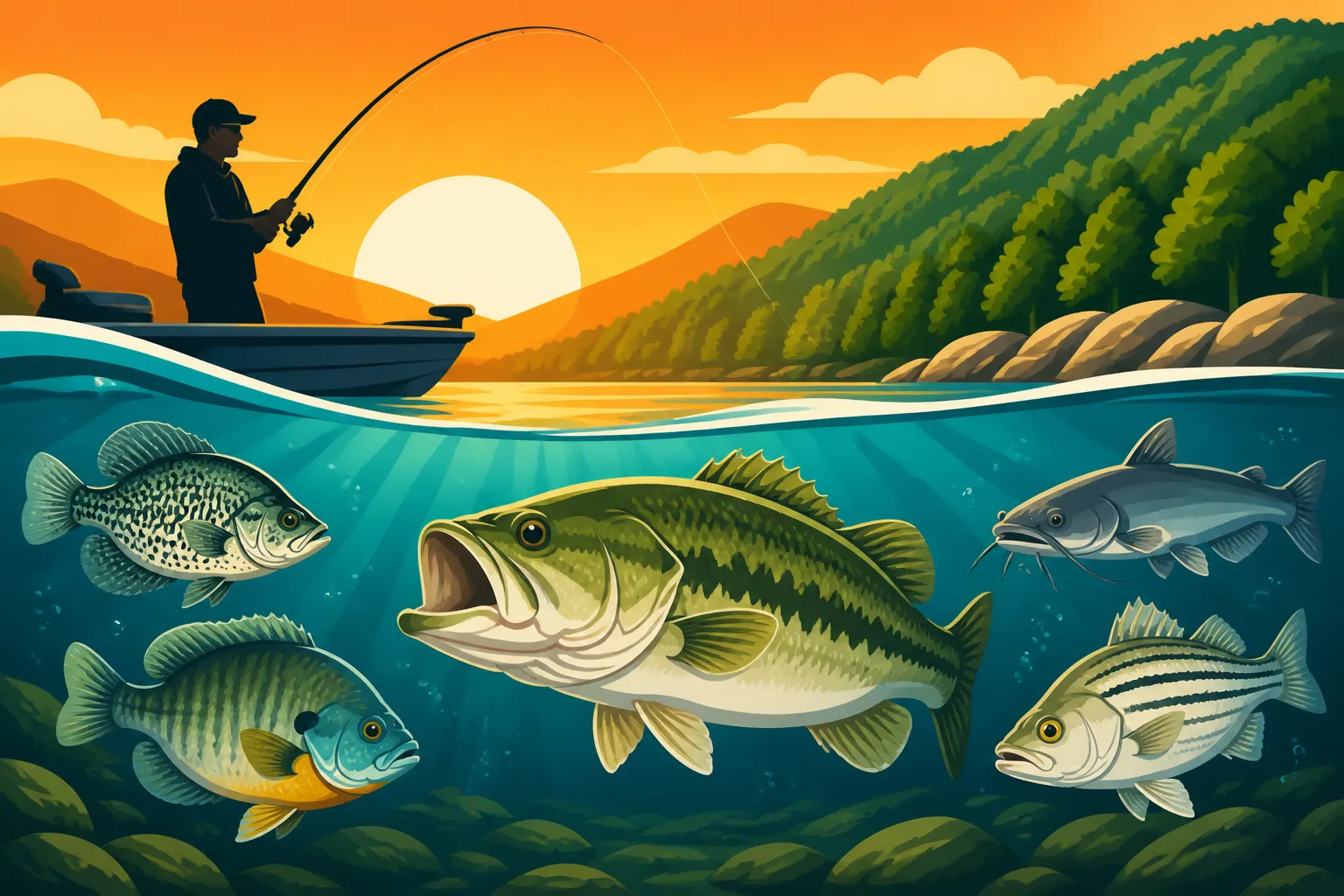
Ah, the largemouth bass! These iconic sportfish are perhaps the quintessential warmwater species. They don't just tolerate warm water; they thrive in it, especially in the shallower, vegetated areas and around submerged structures that heat up quickly. When the water gets warm, largemouths maintain a high metabolism, meaning they need to eat frequently. This makes them active and willing to strike a well-presented lure.
In West Virginia reservoirs, you'll find largemouths hugging cover like fallen trees, weed beds, docks, and even deep rock piles. They'll often seek shade during the brightest parts of the day, moving into open water or shallower feeding zones during dawn, dusk, or even at night. Their aggressive nature and powerful fights make them a favorite target for many anglers throughout the summer. Largemouth Bass Fishing in West Virginia goes into even more detail about these fantastic fish.
Catfish: Bottom Dwellers Who Love the Heat
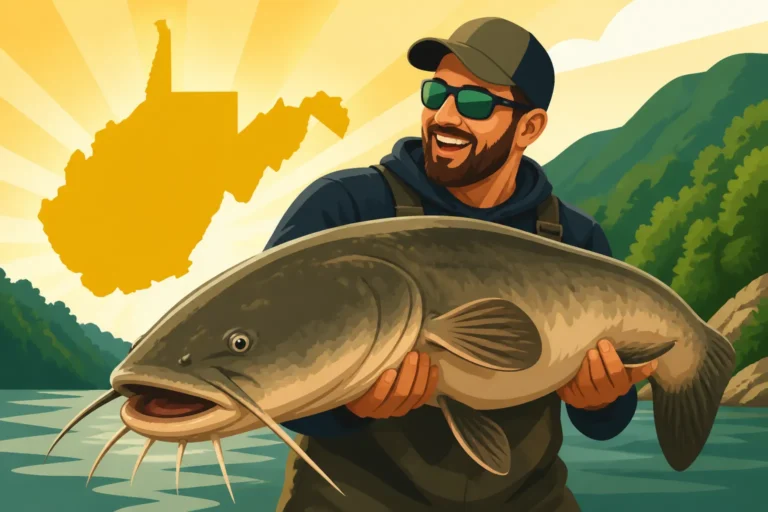
If you're looking for a species that absolutely loves warm water, look no further than West Virginia's catfish. Channel catfish, in particular, become incredibly active when reservoir temperatures are high. They're scavengers and opportunistic feeders, and the warmer water boosts their metabolism, prompting them to feed voraciously. Flathead catfish also do well, though they tend to prefer live bait and specific ambush points.
Catfish will often relate to deeper channels, submerged creek beds, and areas where currents or natural flows bring food to them. On warmer evenings, they'll often move into shallower flats and coves to feed. The beauty of catfishing in warm water is that it can be a relaxing and incredibly productive way to spend an evening or night, often with the added bonus of delicious fillets for the dinner table. Catfish Fishing in West Virginia provides a comprehensive overview of how to target these strong fighters.
Crappie: Panfish Prospering in Structure
Crappie, both black and white varieties, are another excellent warmwater species found abundantly in West Virginia reservoirs. While they might not be as active right at the surface in the hottest part of the day, they'll concentrate around structure in slightly deeper, cooler water, often suspending at the thermocline. Brush piles, standing timber, bridge pilings, and submerged roadbeds are all prime crappie real estate in warm water.
Crappie are schooling fish, so once you find one, you're likely to find many more. They are sensitive to light and will often be found in shaded areas or deeper pockets during midday. Early mornings and late evenings can find them shallower, chasing baitfish. Their delicate fillets make them a highly prized catch, and catching a mess of crappie in a warm West Virginia reservoir is a fantastic experience. Crappie Fishing in West Virginia details more about how to find these popular panfish.
Sunfish & Bluegill: Abundant and Accessible
For family-friendly fun and consistent action, you can't beat sunfish and bluegill in warm reservoir waters. These prolific panfish are found in nearly every West Virginia reservoir, and they absolutely thrive in the warmer temperatures, especially in shallower coves, around docks, and near aquatic vegetation. They're not particular about baits and are usually eager to bite, making them perfect for young anglers or anyone just looking for steady action.
While often smaller, these feisty fish put up a surprisingly good fight on ultralight tackle. They're also excellent table fare, and a day spent catching bluegill can quickly turn into a delicious fish fry. They are generally less affected by deeper thermal stratification, preferring the sun-warmed shallows where they can forage for insects and small aquatic life. You'll find them active throughout the day, though dawn and dusk can be particularly productive.
Hybrid Striped Bass: The Open Water Chargers
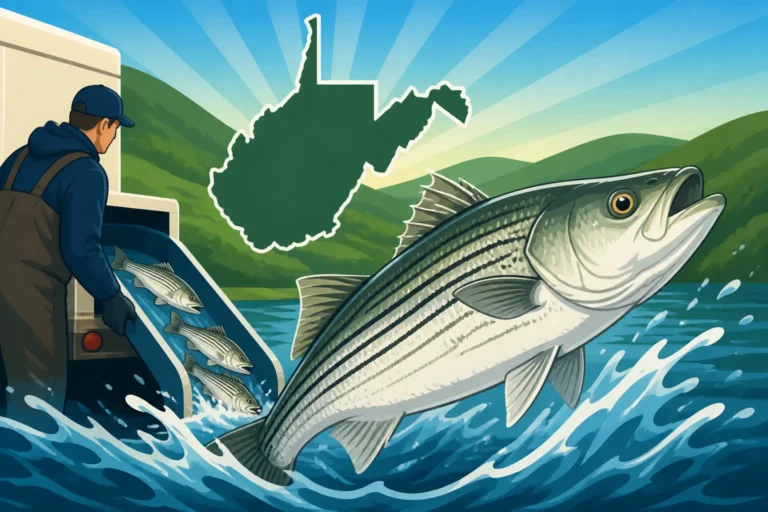
Hybrid striped bass (often called "wipers" or "stripers" in West Virginia, though pure stripers are rare or non-existent in our reservoirs) are a fantastic success story in several West Virginia reservoirs. These hard-fighting fish are a cross between a striped bass and a white bass, created for their incredible growth rate and aggressive nature. They absolutely thrive in the open, warm waters of large reservoirs like Summersville Lake and Sutton Lake.
Hybrids are pelagic fish, meaning they typically roam open water, often chasing large schools of baitfish. In warm water, their metabolism is high, making them incredibly active predators. They can often be found in large schools, creating explosive surface feeding frenzies known as "boils" as they push bait to the surface. Trolling with crankbaits or casting spoons and topwater lures into these boils can result in intense, fast-paced action. Finding these schools requires covering a lot of water, but the reward of hooking into a powerful hybrid striped bass is well worth the effort.
Strategies for Successful Warmwater Reservoir Fishing
Knowing which fish thrive in warm water is only half the battle. The other half is knowing how to catch them. Warmwater reservoir fishing demands a slightly different approach than cold water or river fishing, focusing on understanding fish behavior in these specific conditions.
Reading the Water and Locating Fish
In warm reservoirs, fish aren't randomly distributed. They are highly attuned to temperature, oxygen levels, and available cover.
- Look for the Thermocline: If your boat is equipped with a good fish finder, identifying the thermocline is paramount, especially for species like crappie, walleye (which can also do well in the thermocline), and sometimes bass. The thermocline will often appear as a distinct horizontal line on your sonar, indicating a change in water density. Most fish will be found either just above, within, or just below this layer. Best Fish Finders for West Virginia Lakes provides some great options for this.
- Target Shade and Cover: Largemouth bass, especially, will seek refuge from the intense sun. Look for shaded areas under docks, overhanging trees, deep brush piles, and areas of dense submerged vegetation. Even a slight current break or eddy can provide a comfortable spot.
- Follow the Bait: In open water, hybrid striped bass are constantly chasing baitfish. Watch for signs of schooling baitfish on your sonar or, even better, look for surface activity like birds diving or fish breaking water. Where there's bait, there are usually predators.
- Consider Night Fishing: Many warmwater species, particularly catfish and largemouth bass, become incredibly active at night when surface temperatures cool slightly and light levels drop. This can be an incredibly productive time to fish. Night Fishing Techniques for West Virginia Lakes has more tips for fishing after dark.
Effective Baits and Lures for the Heat
When water is warm and fish are active, they're often willing to hit a variety of presentations. However, some baits and lures consistently outperform others.
- Soft Plastics for Bass: Worms, creature baits, and jigs fished slowly along the bottom or through cover are deadly for largemouth bass. Their slower, more subtle action can entice strikes from fish that might be hunkered down in the heat. Brands like Strike King and Zoom offer excellent options easily found on Amazon.
- Live Bait for Catfish and Crappie: Chicken livers, cut bait, or nightcrawlers are irresistible to catfish. For crappie, live minnows suspended under a bobber or fished on a jig head are often the most productive.
- Crankbaits and Spinnerbaits: These are excellent search baits for covering water and locating active bass or hybrid stripers. Choose colors that mimic local baitfish or bright, attention-grabbing patterns.
- Spoons and Topwater Lures: For hybrid striped bass in particular, casting heavy spoons into boils can be incredibly effective. For largemouth bass, especially during dawn and dusk, topwater frogs, poppers, or walk-the-dog baits can provoke explosive strikes.
- Jigs for Crappie: Small jig heads tipped with soft plastic bodies (like tubes or curly-tail grubs) are fantastic for crappie. Experiment with colors and depths until you find what they're hitting.
Gear Essentials for Warm Reservoir Angling
Having the right gear won't guarantee fish, but it certainly makes the experience more enjoyable and efficient.
- Sun Protection: This is paramount. Wide-brimmed hats, UV-protective clothing, and quality polarized sunglasses are a must. The sun can be brutal on open water. Brands like Columbia and Simms offer excellent fishing apparel.
- Quality Rod and Reel Combos: For largemouth bass and hybrid stripers, a medium-heavy baitcasting or spinning setup offers the power needed to handle strong fights. For crappie and sunfish, a sensitive ultralight spinning rod is perfect. Best Rod and Reel Combo for Beginners is a good starting point if you're looking for an all-around setup. You can find a vast selection of these on Amazon, often at competitive prices.
- Tackle Organization: A well-organized tackle box or bag is crucial so you can quickly switch baits and lures. Trays filled with soft plastics, a selection of crankbaits, jigs, and hooks will keep you ready for anything. Best Tackle Box Setup for West Virginia Anglers has more ideas.
- A Reliable Cooler: Keeping your catch fresh and your drinks cold is essential on a hot day. A good cooler, like those from Yeti or RTIC, can be a game-changer. These are also widely available for purchase on Amazon.
- Hydration: Don't forget plenty of water or sports drinks. Staying hydrated is vital when fishing in warm weather.
| Fish Species | Preferred Warm Water Habitat | Best Time to Target | Key Bait/Lure Suggestions |
|---|---|---|---|
| Largemouth Bass | Submerged cover (wood, weeds), docks, shade, creek channels | Dawn, Dusk, Night, Overcast | Soft plastics (worms, jigs), crankbaits, topwater |
| Channel Catfish | Deep channels, creek beds, shallow flats (night), eddies | Night, Dusk, Overcast | Chicken livers, cut bait, nightcrawlers |
| Crappie | Brush piles, standing timber, bridge pilings, thermocline | Dawn, Dusk, Overcast | Live minnows, small jigs |
| Sunfish / Bluegill | Shallow coves, docks, aquatic vegetation, shoreline | All Day (steady action) | Worms, small crickets, tiny jigs |
| Hybrid Striped Bass | Open water, chasing baitfish schools, deep humps | Dawn, Dusk, Overcast | Spoons, trolling crankbaits, topwater (boils) |
Fishing in West Virginia's warm reservoirs doesn't have to mean slow days or empty stringers. By understanding which species embrace the heat and adjusting your tactics accordingly, you can enjoy some of the most exciting and productive fishing the Mountain State has to offer. So, gear up, stay hydrated, and get ready to hook into some fantastic warmwater fish!
Disclaimer
This article is for general informational purposes only and does not constitute professional advice. Laws, prices and regulations vary by location and change over time. Consult a qualified professional for guidance on your specific situation.