Life span of a rainbow trout in the wild
It’s a common thought for many anglers, especially those just getting into the sport: how long do fish actually live out in the wild? When it comes to rainbow trout, many of us are familiar with the vibrant, eager fish fresh from a hatchery, but the life of a truly wild rainbow is a completely different story. This guide is here to shed some light on the genuine lifespan of rainbow trout living freely in West Virginia's streams and rivers, distinguishing them from their stocked cousins and exploring the environmental factors that shape their incredible journeys.
Understanding the "Wild" Rainbow Trout in West Virginia
Before we dive into numbers, it's crucial to understand what we mean by a "wild" rainbow trout, especially in a state like West Virginia, which has a robust trout stocking program. The distinction isn't just semantics; it's about genetics, adaptation, and the sheer grit it takes to survive outside of a controlled environment.
The Difference Between Wild and Stocked Trout
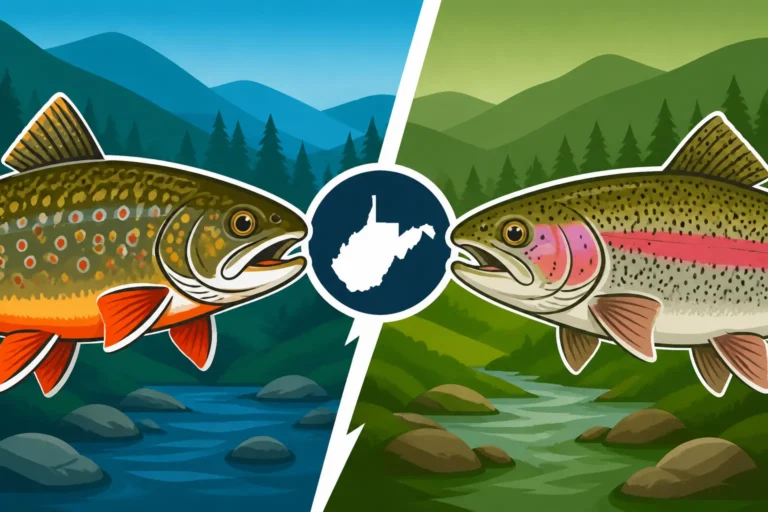
When you cast a line into many of West Virginia's beautiful streams and lakes, chances are you'll encounter a stocked rainbow trout. These fish are raised in hatcheries, often fed a consistent diet, and protected from predators until they're released into public waters. They're typically quite robust when they hit the water, but their survival skills for the long haul aren't always honed. They’re essentially pets being released into the wild. Their primary purpose is often to provide immediate angling opportunities, especially in areas that can't sustain a natural population year-round due to habitat or water temperature limitations.
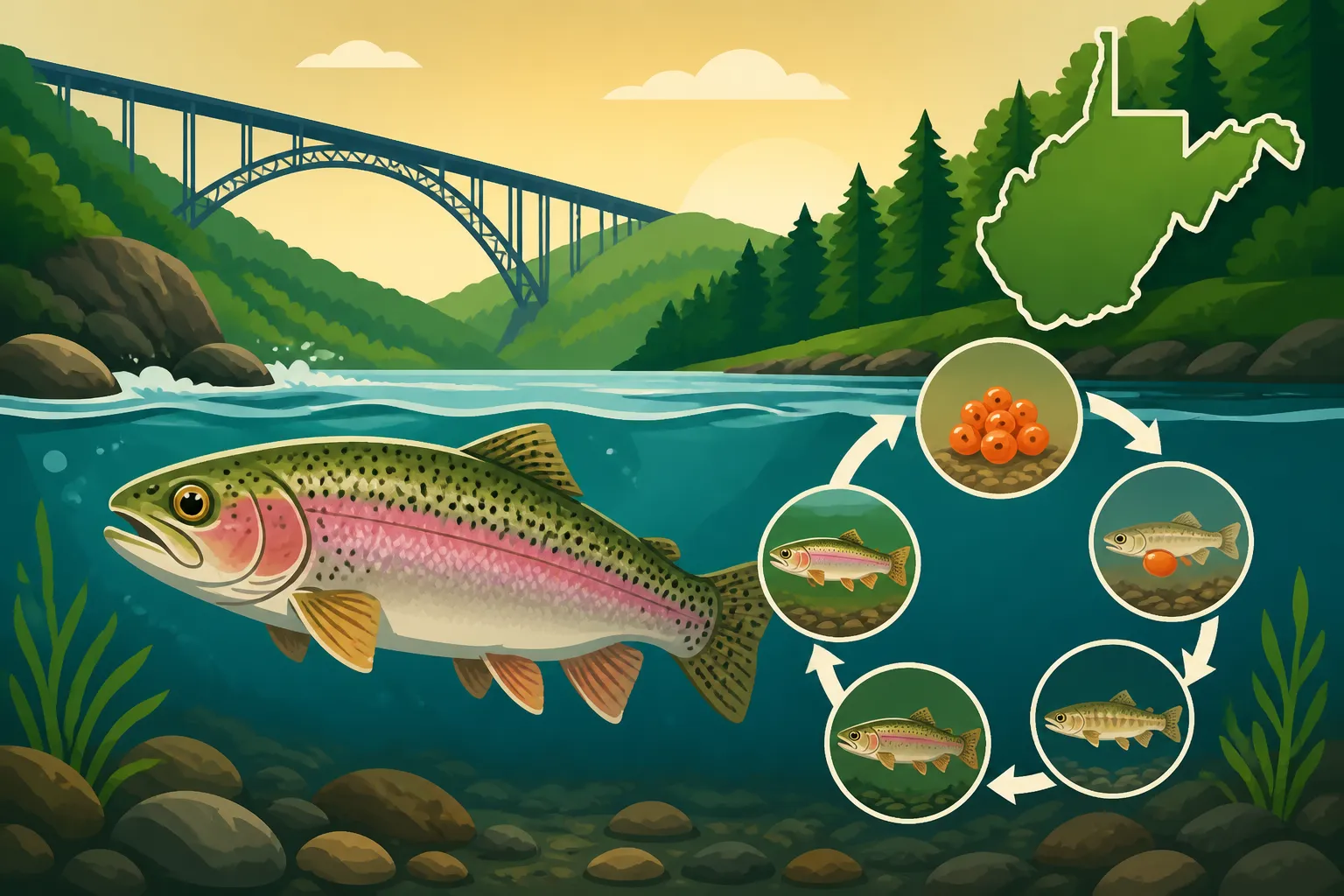
Wild rainbow trout, on the other hand, are the product of natural spawning and reproduction within a stream or river. They are born in the gravel beds of these waters, hatch from eggs, and grow up facing every challenge nature throws at them from day one. This means they are inherently more wary, more camouflaged, and far more adept at finding food, avoiding predators, and surviving environmental fluctuations. They've never known a free meal or a predator-free existence. This intrinsic difference means their life experiences and, consequently, their potential lifespan diverge significantly from their hatchery-reared counterparts. For more on this, check out our guide on Difference between wild and stocked trout in West Virginia.
Factors Influencing Wild Trout Survival
The life of a wild rainbow trout is a constant balancing act against a myriad of environmental factors. Water quality is paramount; crystal clear, cold, oxygen-rich water is their sanctuary. Pollution, sedimentation from runoff, or excessive warmth can quickly make a stream uninhabitable. Food availability is another major determinant. They need a steady supply of aquatic insects, smaller fish, and other invertebrates to grow and thrive. A lean year for insect hatches can mean slower growth and reduced resilience.
Predation is, of course, a huge challenge. Birds like kingfishers and ospreys, otters, snakes, and even larger fish constantly hunt young trout. Habitat also plays a monumental role. Wild trout rely on complex stream structures – deep pools for refuge, riffles for feeding, undercut banks for hiding, and gravel beds for spawning. Without these critical components, their chances of survival plummet. A simple, featureless streambed offers little protection or sustenance. Even seemingly minor changes, like a prolonged drought or an intense flood, can drastically alter their chances of making it through another season.
The Actual Lifespan of a Wild Rainbow Trout
So, with all these challenges, how long can a truly wild rainbow trout really live in the mountains and valleys of West Virginia? The answer is often shorter than many people imagine, but there are always those exceptional individuals that defy the odds.
Average Lifespan in Ideal Conditions
In ideal, undisturbed conditions with stable temperatures, abundant food, minimal pollution, and consistent habitat, a wild rainbow trout in West Virginia might live for 3 to 4 years on average. During this time, they'll grow from a tiny fry to a respectable catch, typically reaching lengths of 12 to 20 inches. This lifespan allows them to reach sexual maturity and contribute to the next generation of wild trout, which is crucial for a self-sustaining population. Streams with robust insect populations and cold, consistent flows, often found at higher elevations or in spring-fed systems, offer the best chances for trout to live out their natural lives.
However, "ideal conditions" are rarely the norm throughout an entire watershed, and even less so over several years. Many wild trout will face significant challenges that cut their lives short, perhaps only surviving a year or two as they navigate their perilous early stages of life. The average lifespan is a reflection of many fish not making it past their first year, balanced against the few that make it to a ripe old age. It's a tough world out there for a little fish! You can often find these older, larger fish in designated Special Regulation Waters in West Virginia where fishing pressure or harvest is limited.
Record Lifespans and Outliers
While 3 to 4 years is a good average for many wild rainbow trout, individual fish can and do live longer, especially in pristine, protected environments with abundant resources and low predation. It's not unheard of for a wild rainbow trout to live for 5 to 7 years, and in some rare cases, even longer. These are the true giants of the stream, often highly elusive and incredibly cunning, having survived countless threats over multiple seasons. They've learned every nook and cranny of their home pool, every safe haven, and every prime feeding lane.
These outliers often grow to impressive sizes, becoming the "trophy" fish that anglers dream about. Their survival is a testament to both their adaptability and the quality of their specific habitat. They've managed to avoid predators, harsh winters, warm summers, and the lures of persistent anglers. While it's rare to catch one, knowing these ancient fish are swimming in the depths of our wild rivers adds an extra layer of magic to Trout Fishing in West Virginia. The longest recorded lifespans for rainbow trout in perfectly optimal, protected environments (like some research facilities) have even stretched into the double digits, but that's truly exceptional and not representative of natural wild conditions.
Key Challenges to Longevity for Wild Rainbows
The journey from a tiny egg to a seasoned adult trout is fraught with peril. Understanding these challenges helps us appreciate the resilience of wild rainbow trout and why their average lifespan might not be as long as we'd hope.
Environmental Stressors and Predation
Environmental stressors are perhaps the most significant threats to a wild rainbow trout's longevity. Water temperature is critical; rainbow trout thrive in cold water, ideally below 65°F. Prolonged periods of warm water, common during hot West Virginia summers, can cause immense stress, reduce oxygen levels, and even be lethal. Droughts lower water levels, concentrating fish and making them more vulnerable to predators and warmer temperatures. Flash floods, on the other hand, can scour stream beds, destroy spawning sites, and displace fish far from their home territories, essentially resetting the population.
Predation pressure is relentless from the moment they hatch. From aquatic insects and larger fish preying on fry, to birds like herons and kingfishers, and mammals such as otters and raccoons, everything seems to want a trout for dinner. Even other fish species, like larger smallmouth bass or muskie, can view a smaller rainbow trout as a meal. This constant threat keeps wild trout on edge and demands incredible survival instincts, often leading to a relatively high mortality rate, especially among younger fish. It’s a harsh world out there, and only the most cunning and lucky survive.
Angling Pressure and Catch-and-Release Practices
Angling pressure, while often a welcome recreational activity, can also be a challenge for wild trout populations. In popular streams, fish can be caught multiple times throughout a season. While catch-and-release fishing is a wonderful conservation practice, it isn't entirely without risk. Even with the best intentions, handling a fish can cause stress, remove protective slime, or lead to injuries, especially if the fish is played to exhaustion or handled improperly. Some fish, even if released, may not survive the encounter due to delayed mortality.
That's why proper West Virginia Catch and Release Rules for Trout are so important. Using barbless hooks, minimizing handling time, keeping the fish in the water as much as possible, and using appropriate tackle (like a proper Best Landing Net for Trout with rubber mesh) can significantly improve a released trout's chances of survival. It's a balance between enjoying the sport and ensuring the long-term health of these precious wild populations. Responsible anglers understand that their actions can directly impact the lifespan of the fish they cherish. When buying fishing gear, it's always a good idea to prioritize quality and fish-friendly designs, and platforms like Amazon offer a wide selection of these specialized tools, from barbless hooks to rubberized nets.
Supporting Healthy Wild Trout Populations
For those of us who cherish the thought of wild rainbow trout thriving in West Virginia, there are tangible steps we can take to help increase their numbers and, by extension, their potential longevity. It's about being good stewards of the environment and thoughtful anglers.
Habitat Preservation and Restoration
The single most impactful way to support wild trout and help them live longer, healthier lives is through habitat preservation and restoration. This means protecting riparian zones – the land directly bordering streams and rivers – by maintaining native vegetation. These plants provide shade, which keeps water temperatures cool, and their root systems stabilize banks, preventing erosion and sedimentation that can smother trout eggs and critical insect habitat. Trees falling into streams naturally create complex structures like logjams and undercut banks, offering vital cover from predators and strong currents.
Efforts to remove barriers to fish migration, like old culverts or dams, also allow trout to access more suitable spawning and feeding grounds. Advocating for clean water policies and supporting local conservation groups that work on stream restoration projects are crucial. Even small actions, like being careful not to disturb stream banks when wading, or educating others on proper land management practices near waterways, can make a difference. These efforts ensure the trout have the healthy, dynamic environment they need to not just survive, but truly thrive.
Responsible Angling and Conservation Efforts
Beyond habitat, responsible angling practices directly contribute to the survival and longevity of wild trout. This includes strictly adhering to all fishing regulations, such as West Virginia Bag and Possession Limits by Species, special size restrictions, and specific gear requirements for wild trout waters. Choosing to practice catch-and-release, especially for larger, older fish that are vital spawners, is a cornerstone of conservation. As mentioned, proper handling techniques are key. Using appropriate Best Gear for West Virginia Trout Fishing, such as a fly rod matched to the stream size or lighter spinning tackle, helps avoid over-stressing fish during a fight.
Many anglers also find that investing in high-quality gear for trout, like specialized fly rods or even Best Waders for West Virginia Trout Streams that allow comfortable wading for prolonged periods without disturbing the environment, enhances their experience while promoting ethical practices. You can often find great deals on these items on Amazon. Supporting organizations like Trout Unlimited, which actively work on conservation and stream restoration, is another excellent way to contribute. Moreover, educating fellow anglers, especially newer ones, on the importance of wild trout and the best practices for their protection, helps foster a community of conservation-minded individuals dedicated to ensuring these beautiful fish continue to grace West Virginia's waters for generations to come. Every fish that survives to spawn again increases the chances for a self-sustaining population and a longer average lifespan for the species as a whole.
| Factor | Impact on Wild Rainbow Trout Lifespan | Description |
|---|---|---|
| Water Quality & Temperature | High | Pristine, cold, oxygenated water is essential. Pollution, sedimentation, and warm temperatures significantly reduce lifespan. |
| Food Availability | High | Abundant aquatic insects and forage fish allow for consistent growth and energy, improving survival odds. Scarcity leads to stunted growth and vulnerability. |
| Predation Pressure | High | Constant threat from birds, mammals, and larger fish, especially for juvenile trout. Only the most wary and lucky survive. |
| Habitat Complexity | High | Deep pools, riffles, undercut banks, and gravel beds provide refuge, feeding zones, and spawning areas. Lack of complex habitat reduces survival. |
| Angling Pressure | Medium | Catch-and-release, even with best practices, carries a small risk of delayed mortality. High pressure can reduce the number of older, larger fish. |
| Genetics | Medium | Wild trout naturally possess stronger survival instincts and adaptations than stocked fish, contributing to their ability to live longer. |
| Disease & Parasites | Medium | Wild populations can be impacted by natural diseases and parasites, especially in stressed or overcrowded conditions. |
Disclaimer
This article is for general informational purposes only and does not constitute professional advice. Laws, prices and regulations vary by location and change over time. Consult a qualified professional for guidance on your specific situation.