Yellow Perch in West Virginia Lakes
There's nothing quite like the excitement of a tug on your line, especially when you're targeting a feisty, delicious panfish that's abundant in many of West Virginia's beautiful lakes. But sometimes, knowing exactly where to find those schools of fish or what they're biting can feel like solving a mystery, leaving you frustrated and empty-handed. This guide is here to unravel that mystery, providing a comprehensive look at yellow perch in West Virginia lakes, from understanding their habits to mastering the techniques that will help you bring home a cooler full of these golden beauties.
Understanding Yellow Perch in West Virginia
Yellow perch are a fantastic sport fish, known for their distinct appearance and their habit of schooling, which can lead to incredible action once you find them. They're also incredibly delicious, making them a favorite target for anglers who enjoy a fresh meal from the water.
What are Yellow Perch and Why They Matter to Anglers
Yellow perch ( Perca flavescens) are a species of freshwater ray-finned fish that are highly sought after by anglers across the country, and West Virginia is no exception. What makes them so appealing? For starters, they're generally quite abundant in the right waters, meaning that when you find a school, the action can be fast and furious. This makes them an excellent target for families, beginners, or anyone looking for a consistent bite when other, more finicky species might be hard to tempt. They don't typically grow to massive sizes, but their fighting spirit on light tackle is surprisingly strong, providing a rewarding challenge.
Beyond the sport, yellow perch are revered for their culinary qualities. Their firm, flaky, white flesh is exceptionally tasty, often described as sweet and delicate. Many anglers consider them among the best-eating freshwater fish, and a fresh perch fry is a cherished tradition for countless families. This combination of enjoyable angling and delicious table fare makes them a truly valuable species for recreational fishing in our state. They offer a reliable option for a fun day on the water and a fantastic meal to follow, making them a cornerstone of the panfish community.
Native Range and Introduction to West Virginia Waters
While widely distributed across much of North America, particularly in the northern states and Canada, yellow perch are generally considered native to certain parts of West Virginia, especially in the Ohio River basin and its larger tributaries. However, their presence in many of our state's inland lakes and impoundments is often a result of historical stockings and natural spread through interconnected waterways. They thrive in a variety of environments, from large, clear lakes to slower-moving rivers and even some brackish waters.
In West Virginia, the DOH has recognized the value of yellow perch as a sport fish and forage base for larger predators, sometimes supplementing populations or introducing them into suitable new waters. This has helped establish strong, fishable populations in several of our larger reservoirs. Their adaptability to different water conditions, as long as oxygen levels are good and there's plenty of forage and structure, has allowed them to flourish and become a dependable target for anglers throughout the Mountain State. Their resilience and ability to establish self-sustaining populations are key to their continued presence and popularity.
Key Identification Features and Distinguishing Them from Lookalikes
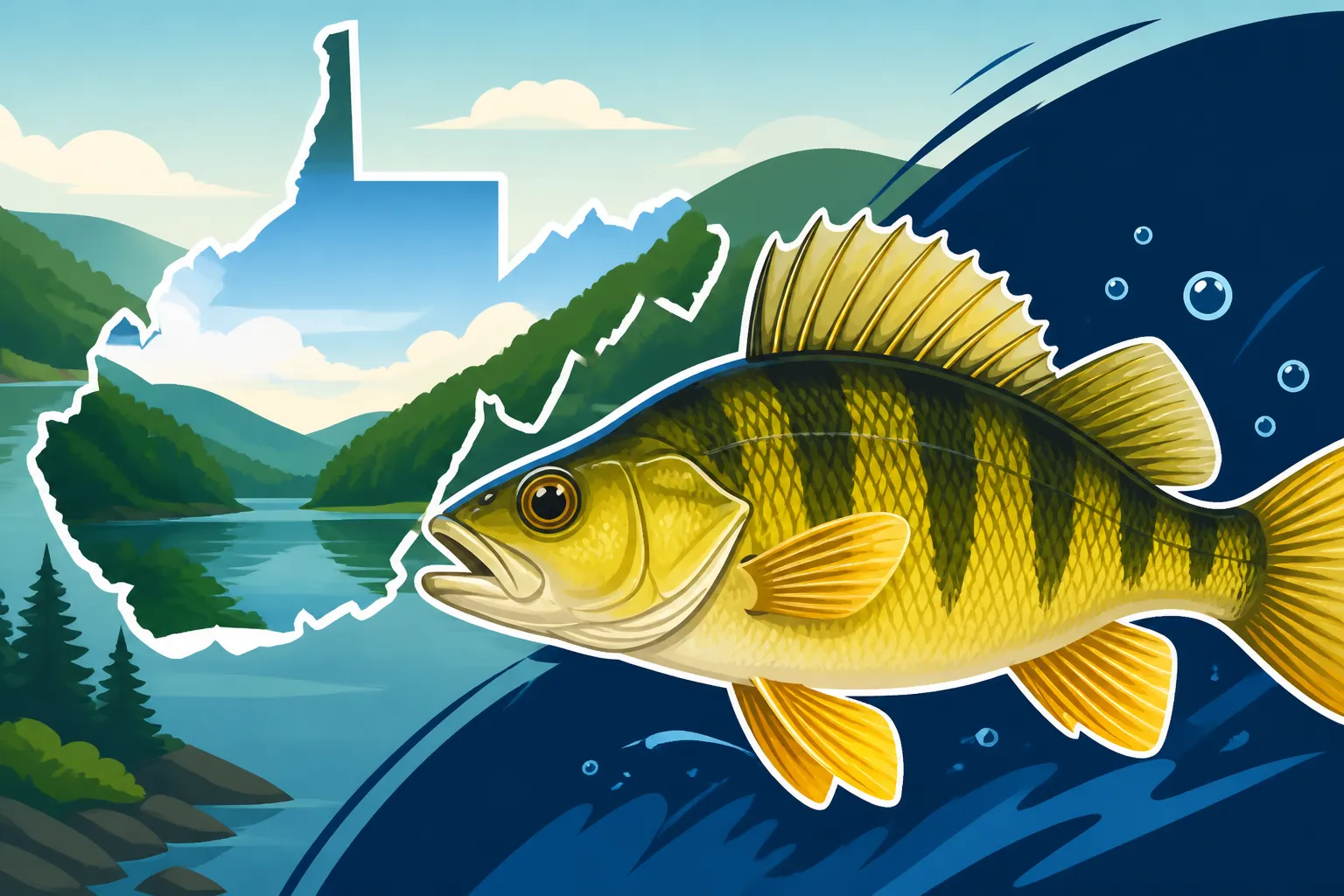
Identifying a yellow perch is usually quite straightforward once you know what to look for, as they have several distinctive features. Their most prominent characteristic is their coloration: a vibrant brassy yellow to golden-green body, adorned with 6-8 dark, vertical bars that extend down their sides. These bars often fade towards the belly, which is typically white or cream-colored. Their fins, especially the lower fins (pelvic and anal), are often bright orange or reddish, adding another splash of color. They have two dorsal fins, the first being spiny and the second soft-rayed, with a small gap between them.
Sometimes, especially for younger fish or in murky water, they might be confused with other species. Juvenile walleye or sauger can sometimes have a similar overall shape and even some faint barring, but a true yellow perch will always have those distinct, bold vertical stripes and often brighter fin coloration. Walleye and sauger also possess prominent canine teeth, which perch lack. Other panfish, like sunfish or crappie, are typically much deeper-bodied and lack the distinct vertical bars and two separate dorsal fins. Knowing these key visual cues will help you confidently identify your catch on the water. For a closer look at similar species, you might want to read our guide on Sauger Identification and Habits.
Where to Find Yellow Perch in West Virginia Lakes
Finding yellow perch isn't just about picking the right lake; it's about understanding their preferred hangouts within those lakes. They're social creatures, so once you find one, you're often in for a treat!
Premier West Virginia Lakes for Yellow Perch
West Virginia is blessed with numerous impoundments that offer fantastic opportunities for yellow perch, though some stand out more than others. Lakes with good perch populations tend to be larger, deeper reservoirs with a mix of structure and forage. Some of the top contenders that anglers consistently report good perch fishing from include Cheat Lake near Morgantown, with its extensive coves and depths, and Tygart Lake, known for its diverse fishery and ample structure.
Another excellent choice is Stonewall Jackson Lake, which is managed for excellent fishing and provides varied habitats that perch love. Summersville Lake, while famous for its smallmouth bass, also holds a healthy population of yellow perch, particularly in its deeper sections and around submerged features. These lakes often have a good balance of cold, oxygenated water, a rich food source, and plenty of cover, which are all crucial for thriving perch populations. Exploring these bodies of water will significantly increase your chances of finding those elusive perch schools. For more detailed information on diverse fishing opportunities, check out our guide on the Best Fishing Lakes in West Virginia.
Ideal Habitat and Structure Preferences
Yellow perch are not particularly picky eaters, but they are quite particular about where they live. They are structure-oriented fish, meaning they'll relate closely to anything that offers cover, ambush points, or concentrates their food. This includes submerged timber, brush piles, rock piles, humps, and especially weed beds. During warmer months, you'll often find them lurking along the edges of healthy weed lines, which provide both cover from predators and a bounty of insects and smaller baitfish.
As the seasons change, their depth preferences shift, but their reliance on structure remains constant. They love areas where a flat transitions into a deeper drop-off, or where submerged humps rise from the lakebed. These depth changes create current breaks and concentrate baitfish, making them prime feeding grounds. Targeting these types of structures is key to consistently finding yellow perch, whether you're casting from shore, drifting in a boat, or ice fishing.
Seasonal Movements and Patterns
Understanding the seasonal movements of yellow perch is crucial for consistent success. They don't just stay in one spot all year; their patterns are largely dictated by water temperature, spawning cycles, and the availability of food.
- Spring: As ice melts and water temperatures begin to rise, perch move into shallower areas, typically 5-15 feet deep, often around weed beds or submerged brush, to spawn. This is a fantastic time to find them as they are actively feeding before and after spawning. Look for them in bays and coves that warm up first.
- Summer: Once the water heats up, perch will often retreat to deeper, cooler, more oxygenated waters, often suspending over deeper flats or relating to submerged structures like humps, points, and old creek channels in 15-30+ feet of water. They'll still make forays into shallower areas, especially at dawn and dusk, to feed.
- Fall: As lake temperatures start to drop, perch become very active, feeding heavily to build up reserves for winter. They'll often move back shallower, frequenting depths of 10-25 feet, concentrating around transition areas, points, and remaining weed beds. This can be one of the best times of the year to catch large numbers.
- Winter: During ice fishing season, perch will often congregate in large schools in deeper basins or over submerged structures, typically in 20-40 feet of water, though they can be found shallower depending on the lake and ice conditions. They tend to follow baitfish schools closely, so drilling multiple holes and staying mobile is often the best strategy. For more specialized winter angling, our guide on Ice Fishing in West Virginia offers some great tips.
The Yellow Perch Life Cycle and Behavior
Delving into the life cycle and behaviors of yellow perch helps us understand why they act the way they do and how to best target them. Knowing their habits is like having a secret weapon in your tackle box.
Spawning Habits and Reproductive Success
Yellow perch typically begin their spawning ritual in early spring, shortly after the ice thaws and water temperatures climb into the mid-40s to low 50s Fahrenheit (around 7-12°C). This usually occurs from March through May in West Virginia lakes, depending on the specific body of water and local weather conditions. They are not nest builders like bass or sunfish; instead, the females lay distinctive, long, gelatinous strands or ribbons of eggs. These ribbons can be several feet long and are typically draped over submerged vegetation, brush, fallen trees, or other underwater structures in shallow water, usually between 3 to 15 feet deep.
Multiple males will often attend a single female during the spawning process, fertilizing the eggs as they are released. The eggs are quite adhesive and stick to whatever structure they're laid on, which helps protect them from being washed away. Reproductive success is generally high, especially in healthy lakes with plenty of suitable spawning habitat and a good balance of forage and predator populations. The sheer number of eggs laid in these protective ribbons contributes significantly to the sustained populations we see in many West Virginia waters, making them a remarkably resilient species. For comparison, you might find interesting insights into the spawning cycles of other species in Walleye Spawning Season in West Virginia.
Diet and Foraging Behavior
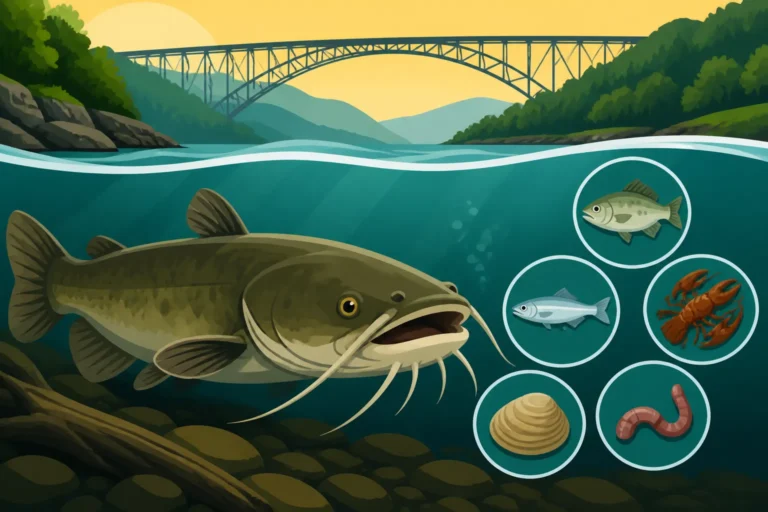
Yellow perch are opportunistic feeders with a fairly diverse diet, which contributes to their adaptability and widespread success. While they are often considered primarily insectivores in their younger stages, consuming zooplankton, insect larvae, and small crustaceans, their diet expands significantly as they grow larger. Adult perch will readily prey on small baitfish such as minnows, shiners, and juvenile panfish. They also continue to consume a variety of invertebrates, including leeches, worms, and the nymphs and larvae of aquatic insects.
Their foraging behavior is heavily influenced by their schooling nature. They often move in coordinated schools, actively hunting and scavenging for food. This collective approach allows them to more efficiently locate and corner prey. They are primarily visual feeders, especially in clear water, relying on their keen eyesight to spot food. While they can feed throughout the day, their activity often peaks during twilight hours (dawn and dusk) when light conditions are lower, making them harder for predators to spot while they hunt. This adaptable feeding strategy means they can thrive in various lake environments, as long as a suitable food base is present.
Schooling Dynamics and Predatory Avoidance
One of the most defining characteristics of yellow perch is their strong schooling behavior. From the moment they hatch, young perch begin to form schools, a behavior that persists throughout their lives. This schooling is not just a social preference; it's a fundamental survival strategy. By congregating in large groups, individual perch reduce their chances of being singled out and eaten by predators—a classic "safety in numbers" approach. A large, confusing mass of fish can make it difficult for a predator to focus on a single target, and the collective vigilance of many eyes helps detect threats earlier.
In West Virginia lakes, yellow perch are a significant part of the food chain, serving as a vital forage species for a variety of larger game fish. Their primary predators include largemouth and smallmouth bass, walleye, muskie, and even large channel and flathead catfish. The schooling behavior, combined with their ability to utilize various types of cover and their generally quick movements, helps them evade these threats. Understanding that perch school together is a huge advantage for anglers: once you locate one perch, you're very likely to find many more nearby. It's why anglers often find themselves catching fish after fish once a school is located. To learn more about the predators that rely on perch, you might explore our guides on Muskie Life Cycle and Growth Rate in West Virginia Waters or Walleye Fishing in West Virginia.
Best Techniques for Catching Yellow Perch
Catching yellow perch can be incredibly rewarding, especially when you dial in the right gear, bait, and methods. They're not usually fussy, but smart presentations make a big difference.
Essential Gear and Tackle for Perch Fishing
For yellow perch, the key is to go light. Using appropriate tackle not only makes the fight more enjoyable but also increases your sensitivity to their often subtle bites. A good setup typically consists of an ultralight to light action spinning rod, usually 5 to 6.5 feet long. This lighter action allows the rod tip to bend easily, cushioning the fight of a small fish and preventing hooks from tearing out of their delicate mouths. Pair this with a small spinning reel, sized 1000 or 2000, spooled with light line—think 4-6 pound test monofilament or fluorocarbon. Braided line in 6-8 pound test can also be excellent, offering incredible sensitivity, but it's often best to use a fluorocarbon leader of 4-6 pound test tied to the braid. This leader is nearly invisible underwater and can prevent spooking wary perch.
Having a range of small hooks (sizes 6-10), split shots, and bobbers on hand is also crucial. A simple slip bobber rig is often incredibly effective, allowing you to present your bait at a precise depth. Beyond this, a small pair of needle-nose pliers or hemostats can be very helpful for unhooking fish quickly and safely, minimizing handling stress. Remember, you don't need expensive gear to catch perch, but appropriate tackle will significantly enhance your experience. Many reputable brands offer excellent entry-level options, and you can find great beginner combos on Amazon that provide a solid starting point without breaking the bank. For those just starting out, our guide on the Best Rod and Reel Combo for Beginners offers more general advice.
Top Baits and Lures for West Virginia Perch
Yellow perch are not particularly finicky, making them a great target for a variety of baits and small lures. When it comes to live bait, there are a few standouts that perch simply can't resist. Small minnows, often called "crappie minnows" or "perch minnows," are incredibly effective, especially when fished under a bobber or on a small jig head. Worms, particularly pieces of nightcrawlers or smaller red wigglers, are another classic bait that almost always works. During the colder months or for ice fishing, small insect larvae like wax worms or spikes (maggots) can be absolutely deadly.
For artificials, think small and flashy. Tiny jigs, often 1/32 to 1/16 ounce, tipped with a small plastic grub, a piece of gulp bait, or even a live wax worm, are incredibly versatile. Colors like white, chartreuse, pink, and silver tend to be highly effective. Small blade baits, micro-spoons, and even tiny crankbaits or inline spinners can also entice aggressive perch. The key is often to use lures that imitate their natural forage – small baitfish or insects. Always experiment with colors and retrieves until you find what they're hitting on that particular day. Many anglers stock up on these small jigs and baits from Amazon before a trip, ensuring they have a wide selection. While focused on a different species, some of the bait principles in Best Baits for Smallmouth Bass on the New River can be adapted.
Effective Fishing Methods for Different Seasons
The most effective fishing methods for yellow perch will shift with the seasons, largely mirroring their movements and feeding patterns.
- Spring: During the spawn and post-spawn, perch are often in shallower water (5-15 feet) and highly active. A slip bobber rig with a live minnow or worm, suspended just above the bottom or over submerged vegetation, is a classic and highly effective method. Casting small jigs or inline spinners near structure can also yield great results.
- Summer: As perch move deeper, vertical jigging becomes a prime technique. Whether from a boat or kayak, dropping small jigs, blade baits, or spoons directly down to where you mark schools of fish on your sonar is often the ticket. Drifting with live minnows on a simple bottom rig can also cover water and find fish. Look for them over deep flats or humps, often 15-30+ feet down.
- Fall: Perch again become aggressive feeders, and you can employ a mix of spring and summer tactics. They might be a bit shallower, around 10-25 feet, relating to points and transition zones. Casting small crankbaits or spoons can be effective, as can the trusty slip bobber and live bait. This is a great time for both quantity and quality.
- Winter (Ice Fishing): For those brave enough to tackle West Virginia's winter, ice fishing for perch is immensely popular and productive. You'll typically be fishing in deeper water (20-40 feet), using ultra-light jigging rods. Small ice jigs tipped with wax worms, spikes, or a piece of minnow are deadly. A flasher or sonar unit is invaluable for locating schools and presenting your bait at the right depth. Aggressive jigging followed by short pauses often triggers bites. Effective ice fishing gear, often sourced from Amazon, is key for safety and success. Our guide on Best Techniques for Ice Fishing Panfish delves deeper into these specific winter methods.
| Season | Typical Depth | Preferred Baits/Lures | Primary Technique | Notes |
|---|---|---|---|---|
| Spring | 5-15 feet | Minnows, Worms, Small Jigs, Inline Spinners | Slip Bobber, Casting | Focus on shallow spawning areas and weed lines |
| Summer | 15-30+ feet | Small Jigs, Blade Baits, Spoons, Live Minnows | Vertical Jigging, Drifting | Target deep structure, humps, and cool water |
| Fall | 10-25 feet | Minnows, Worms, Small Crankbaits, Jigs | Slip Bobber, Casting, Drifting | Active feeding period, transition areas |
| Winter | 20-40 feet | Ice Jigs, Wax Worms, Spikes, Minnows | Ice Jigging | Look for deep schools, use sonar |
Management and Conservation of Yellow Perch
While yellow perch are generally abundant, responsible angling and effective management are crucial to ensure these fantastic fish continue to thrive in West Virginia's waters for generations to come.
West Virginia's Role in Perch Population Health
The West Virginia Division of Natural Resources (DNR) plays a vital role in monitoring and managing yellow perch populations across the state's lakes and reservoirs. This involves conducting fisheries surveys to assess population health, growth rates, and reproductive success. Biologists analyze factors like habitat quality, forage availability, and predator-prey dynamics to understand the overall health of the ecosystem where perch reside. While yellow perch are often prolific spawners and generally maintain healthy populations on their own in suitable habitats, the DNR's oversight ensures that any potential issues, such as habitat degradation or shifts in predator populations, are identified and addressed.
In some instances, the DNR might undertake habitat improvement projects or strategic stockings, though the latter is less common for self-sustaining perch populations compared to species like trout. The broader management strategy aims to maintain a balanced fishery that supports both robust game fish populations and a healthy forage base, which includes yellow perch. This holistic approach is crucial for the long-term sustainability of all species in our waters, guaranteeing that anglers have plenty of opportunities to pursue a variety of fish.
Daily Limits and Regulations
Like all game fish in West Virginia, yellow perch are subject to specific fishing regulations designed to promote healthy populations and sustainable harvest. While perch are typically quite numerous and often have generous daily creel and possession limits compared to larger game species, it is absolutely imperative for every angler to consult the most current West Virginia Fishing Regulations Summary before heading out. These regulations can vary by specific body of water and can change from year to year.
Generally, you'll find that there is a daily creel limit (the number of fish you can keep in one day) and a possession limit (the maximum number of fish you can have on your person or in your vehicle at any given time, including those from previous days). While minimum length limits are common for many game fish, yellow perch often do not have them, allowing anglers to keep a wider range of sizes. Always double-check these specifics, as ignorance of the law is no excuse. Knowing and adhering to these rules is a fundamental part of responsible angling. You can find more comprehensive details on the general rules in West Virginia Fishing Regulations Explained and specific numbers in West Virginia Bag and Possession Limits by Species.
Sustainable Practices for Perch Anglers
As anglers, we all have a responsibility to practice sustainable fishing to ensure the health of our fisheries for future generations. For yellow perch, this means more than just following the regulations. It involves making conscious choices on the water that promote healthy populations. If you're planning to keep a few for dinner, a good cooler, like those readily available on Amazon, is indispensable for keeping your catch fresh.
Consider practicing selective harvest, especially when you encounter a large school. While it's tempting to fill a cooler, taking only what you need or what you'll realistically consume helps maintain the population's structure. Releasing the largest perch, particularly the females, can be beneficial as these often contribute the most to reproduction. If you do release fish, handle them gently, minimizing their time out of water and supporting their body weight. Avoid tossing them back from a height; instead, gently place them back in the water. Properly disposing of all trash, including discarded fishing line, is also crucial to protect aquatic environments. By embracing these practices, we can all contribute to the long-term health and abundance of yellow perch in West Virginia's beautiful lakes.
Disclaimer
This article is for general informational purposes only and does not constitute professional advice. Laws, prices and regulations vary by location and change over time. Consult a qualified professional for guidance on your specific situation.