Black Crappie vs White Crappie Identification
Have you ever been out on a peaceful West Virginia lake or river, pulled in a beautiful slab of crappie, and then found yourself staring at it, scratching your head, wondering if it's a black crappie or a white crappie? It's a common dilemma, and one that can actually have implications for your daily catch limits or even how you approach fishing that particular spot. This comprehensive guide is here to untangle the nuances, offering clear, practical ways for West Virginia anglers to confidently tell the difference between these two popular panfish.
Why Differentiate Crappie Species?
It might seem like a minor detail to some, but knowing whether you've caught a black crappie or a white crappie can be incredibly useful, and in some cases, even critical. These two species, while similar in many ways, have distinct characteristics and often inhabit slightly different environments, which can influence both regulations and your angling success.
Understanding West Virginia Regulations
One of the most immediate reasons to know your crappie is for compliance with fishing regulations. While statewide regulations for crappie are often fairly uniform in West Virginia, there can be specific lakes or rivers that have special rules for certain species. Imagine hitting a particular lake and finding out that the daily creel limit for white crappie is different from black crappie, or that there's a length restriction on one but not the other. Without accurate identification, you could inadvertently be breaking the rules, leading to fines or confiscated fish. Staying informed is always key when you're enjoying our beautiful state's waters. For a broad understanding, you might want to read West Virginia Fishing Regulations Explained.
Every angler wants to be a responsible steward of our natural resources, and adhering to regulations is a big part of that. Beyond just avoiding penalties, understanding the specific rules for each species helps protect the populations for future generations. The West Virginia Division of Natural Resources (WVDNR) crafts these rules based on scientific data about each species' health and reproductive rates in specific bodies of water. Knowing which crappie you’re targeting helps you fish responsibly.
Improving Your Fishing Strategy
Beyond the legalities, proper identification can genuinely make you a better crappie angler. Black and white crappie, despite their close relationship, do have subtle differences in their preferred habitats and feeding behaviors. If you can identify them quickly, even before you cast, you can tailor your approach. For instance, if you're consistently catching one type of crappie in a certain area, it gives you valuable information about what that species prefers in terms of cover, depth, or water clarity.
This knowledge allows you to fine-tune your lure choice, retrieve speed, and even the type of structure you target. Perhaps the black crappie in a certain lake prefer dense submerged timber, while the white crappie are more often found suspended over open water brush piles. Recognizing these patterns and identifying the species you’re catching helps you build a mental map of where to find the most productive spots. It’s all about putting more fish in the boat, or at least understanding why you’re catching what you’re catching. If you're looking for more general crappie advice, check out Crappie Fishing in West Virginia.
Key Physical Characteristics: The Black Crappie
The black crappie, often affectionately called "specks" or "calico bass," is a beloved panfish across West Virginia. While their name suggests a dark coloration, it's not always that straightforward. There are some very specific features you can look for to confirm you've got a black crappie on your line.
Spotting the Signature Speckles
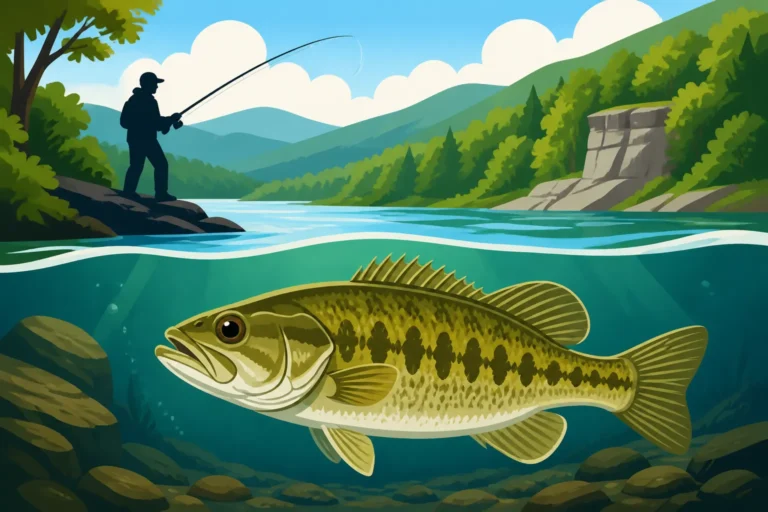
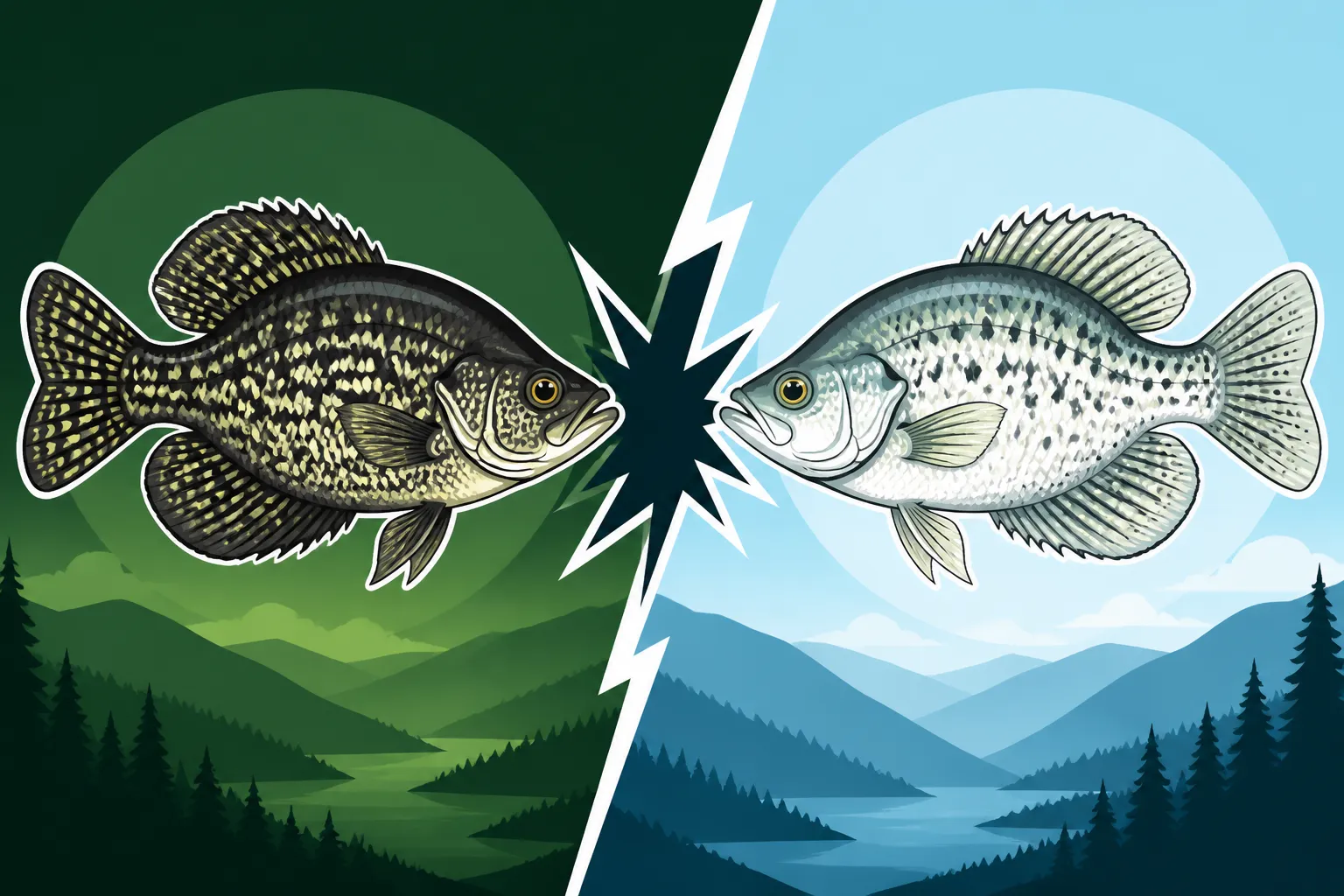
The most prominent and often easiest way to identify a black crappie is its pattern of dark, irregular speckles or splotches scattered across its body. Unlike the more organized bars of its white crappie cousin, these spots are random and distributed seemingly without any particular order. Think of it like a paint splatter pattern rather than neat stripes. These speckles are usually most noticeable on their sides and fins.
Even if the overall color of the fish is lighter or darker depending on its environment, the presence of these distinct, irregularly placed spots is a strong indicator. Sometimes, especially in very clear water or during spawning, these spots can become incredibly dark and pronounced, making identification a breeze. In murkier waters, they might be a bit subdued, but they're almost always present to some degree. Many anglers find it helpful to compare images side-by-side, and there are many excellent identification charts available through sources like Amazon, often found in fishing guides or books.
Counting Dorsal Fin Spines
Here's where things get really scientific, but it's a super reliable method: count the spines in the dorsal fin. The dorsal fin is the fin located on the fish's back. For a black crappie, you will almost always find 7 or 8 dorsal fin spines. These are the hard, sharp rays that form the leading edge of the fin, distinct from the softer rays behind them. This is perhaps the most accurate distinguishing feature between the two species.
This might sound a little tricky to do on a flopping fish, but with a bit of practice, you can gently hold the fish and count them. These spines are usually quite rigid and can be easily felt. Just be careful not to poke yourself! This feature is consistent regardless of the fish's age, size, or coloration, making it the gold standard for crappie identification. Keeping a small measuring tape or a laminated identification card with these facts in your tackle box, maybe even one you picked up from Amazon, can be really handy.
Body Shape and Coloration Nuances
While the speckles and spine count are the primary identifiers, black crappie also tend to have a more rounded, compact, and "disc-like" body shape compared to the white crappie. Imagine a dinner plate – the black crappie leans more towards that rounder profile. Their overall coloration can vary widely, from silvery-green to dark olive, often depending on the water clarity and vegetation of their specific habitat. Fish from clear, weedy lakes often display brighter, more vibrant colors, while those from stained or turbid waters might appear duller.
The mouth of a black crappie also tends to appear a bit more "upturned" than that of a white crappie, though this can be a more subtle distinction. The combination of these features – the rounder body, irregular speckles, and 7-8 dorsal spines – paints a clear picture of the black crappie.
Key Physical Characteristics: The White Crappie
Now, let's turn our attention to the white crappie, another favorite in West Virginia, renowned for its excellent table fare and spirited fight. Like its black crappie counterpart, the white crappie has distinctive features that, once you know them, make identification much simpler.
Identifying the Vertical Bar Pattern
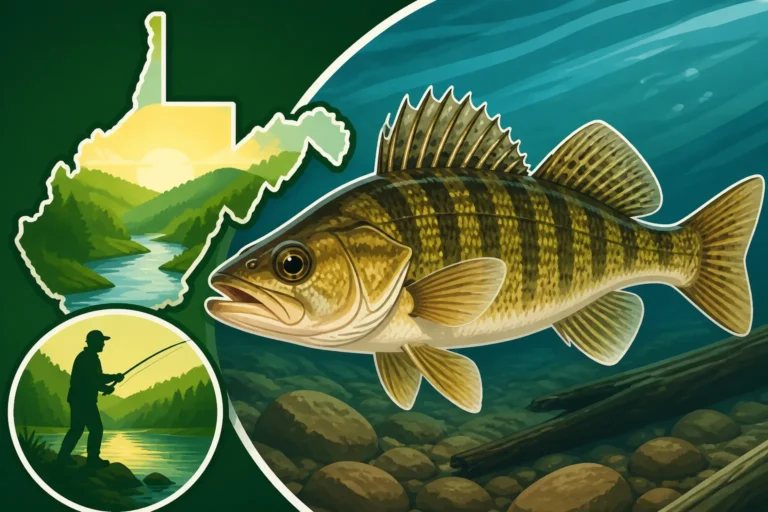
In stark contrast to the black crappie's random speckles, the white crappie is characterized by 6 to 9 distinct vertical bars running down its sides. These bars are usually dark and fairly evenly spaced, forming a somewhat striped appearance. It's like someone took a ruler and drew lines down the fish's body. These bars can be more or less pronounced depending on the fish's mood, water conditions, and time of year, but they are almost always visible.
During spawning, these bars can darken considerably, especially on males, making them incredibly easy to spot. In some murky water situations, they might appear as faint shadows, but if you look closely, you'll still discern that characteristic pattern rather than scattered spots. This bar pattern is your first visual clue when trying to distinguish a white crappie from a black crappie.
Dorsal Fin Spine Count: A Clear Distinction
Just like with the black crappie, counting dorsal fin spines is a highly reliable method for identifying a white crappie. If you count the hard, sharp rays on the dorsal fin of a white crappie, you will consistently find 6 dorsal fin spines. This is the critical difference from the black crappie's 7-8 spines. This definitive numerical difference makes it an unequivocal identifier.
This anatomical detail is an absolute giveaway. So, if you're ever in doubt, a quick, careful count of those dorsal spines will settle the matter. It's a fundamental piece of knowledge for any angler serious about identifying their catch, and perhaps a small, waterproof field guide available on Amazon could be a great asset for quick reference on the water.
Elongated Body and Silver Sheen
White crappie typically possess a more elongated or "football-shaped" body compared to the black crappie's rounder profile. Think less like a dinner plate and more like an oval platter. This subtle difference in overall body shape becomes quite apparent when you compare the two species side by side. Their general coloration tends to be more silvery, often with a hint of green or gold, especially along their back.
The mouth of a white crappie also tends to be more "level" or "horizontal" compared to the slightly upturned mouth of a black crappie. This, combined with the vertical bars and the definitive 6 dorsal fin spines, makes for a clear identification. White crappie often prefer larger, more turbid waters, and their silvery bodies can reflect light effectively in those environments.
Beyond the Dots and Bars: Other Identification Clues
While the speckles/bars and dorsal fin spine count are your go-to indicators, there are other subtle anatomical and behavioral cues that can help solidify your identification of black versus white crappie. Experienced anglers often pick up on these nuances instinctively.
Mouth Shape and Size
Take a moment to examine the fish's mouth. On a black crappie, the mouth tends to appear slightly more "upturned," and when it's closed, the upper jaw often extends a bit beyond the eye. It's a more proportionate mouth to its overall rounder head. This can sometimes give them a more aggressive or eager appearance.
The white crappie, on the other hand, typically has a more level or horizontal mouth. The upper jaw on a white crappie usually extends only to the middle of the eye, or perhaps just past it. This difference, though subtle, can be another small piece of the puzzle when you're trying to make a positive identification. If you're struggling to count spines or see the patterns clearly, checking the mouth could offer an additional clue.
Head Profile and Snout Length
Look at the overall profile of the fish's head. The black crappie tends to have a head that is somewhat concave or "dished in" above the eyes, leading to a shorter, more compact snout. This contributes to its overall "chunky" appearance.
Conversely, the white crappie's head profile is typically straighter, rising more evenly from the snout to the dorsal fin, and often has a slightly longer snout. It creates a more streamlined look. While these might seem like minor details, they contribute to the overall impression and can be quite telling once you train your eye. For detailed anatomical diagrams, many fishing manuals found on Amazon offer clear illustrations.
Overall Body Proportions
When holding both species side by side, or even just recalling pictures, the difference in overall body proportions becomes quite clear. The black crappie is generally deeper-bodied and more compressed laterally, meaning it's flatter side-to-side and taller from belly to back. It has a more rounded silhouette.
The white crappie, in contrast, is typically more elongated. It's still compressed, but its length-to-depth ratio is higher, giving it that more oval or football shape. This difference in proportions is often tied to their preferred habitats; the deeper body of the black crappie might lend itself well to navigating dense cover, while the white crappie's sleeker form could be advantageous in more open water.
| Feature | Black Crappie | White Crappie |
|---|---|---|
| Body Pattern | Irregular dark speckles/splotches | 6-9 distinct vertical bars |
| Dorsal Fin Spines | 7-8 hard spines | 6 hard spines |
| Body Shape | Deeper-bodied, more rounded/disc-like | More elongated, oval, or football-shaped |
| Mouth Position | Slightly upturned | More level/horizontal |
| Snout/Head Profile | Often concave above eyes, shorter snout | Straighter profile, slightly longer snout |
| Preferred Habitat | Clearer, vegetated water | More turbid, open water, less vegetation |
Habitat and Behavior Differences
Beyond their physical appearance, black and white crappie often exhibit subtle differences in where they prefer to live and how they behave. Understanding these tendencies can give you an edge in locating and catching them in West Virginia's diverse waters.
Preferred Water Conditions
Black crappie generally prefer clearer, cooler, and more vegetated waters. They thrive in lakes and slow-moving rivers that have plenty of submerged aquatic plants, brush, and timber for cover. These fish are often found relating directly to structure, using it for ambush points and protection. If you're fishing a pristine, clear-water lake with lots of lily pads and weed beds, you're more likely to encounter black crappie. They tend to be a bit less tolerant of high turbidity or fluctuating water levels. Check out West Virginia Fishing Seasons by Month for an idea of when crappie are most active.
White crappie, on the other hand, are often more tolerant of turbid, warmer, and more open water conditions. They are commonly found in larger reservoirs, slower rivers, and backwaters with less vegetation. While they still relate to structure, they might be more inclined to suspend over deeper brush piles, river channels, or around standing timber in open water areas. They are often more adaptable to a wider range of water clarity and flow, making them abundant in many of West Virginia's larger impoundments.
Structure and Cover Preferences
The distinction in preferred water conditions naturally leads to differences in preferred structure and cover. Black crappie are ambush predators that love to hide. You'll often find them tucked tightly into dense cover like thick weed beds, submerged tree branches, fallen logs, or around docks and pilings in clear water. They really use that cover to their advantage, making short dashes to intercept baitfish. When targeting them, think about casting jigs or minnows right into the thick stuff.
White crappie, while also structure-oriented, might be found in slightly different types of cover or positions. They often suspend near brush piles, submerged creek channels, or drop-offs in more open water areas. They're also commonly found in deeper water, particularly during the colder months or during the heat of summer. For example, if you're exploring Summersville Lake Fishing Guide, you might find white crappie in the deeper, more open sections, while black crappie might be closer to shore in specific coves with more vegetation. Understanding these nuances helps you choose the right fishing spots and tactics.
Spawning Habits and Locations
Both species spawn in the spring when water temperatures rise, but their specific temperature preferences and nest locations can vary. Black crappie typically spawn when water temperatures are between 60-65 degrees Fahrenheit. They prefer to build their nests in slightly deeper water, often 3-8 feet deep, near dense cover such as logs, roots, or aquatic vegetation. These nests are usually located in areas with firm bottoms.
White crappie generally spawn at slightly warmer temperatures, usually between 65-70 degrees Fahrenheit. They tend to construct their nests in shallower water, often 1-5 feet deep, and prefer areas with hard bottoms like gravel or sand, often in more open bays or protected coves, though still near some form of cover like brush or rocks. Recognizing these spawning preferences can help you locate concentrations of crappie during the crucial spring months. For specific techniques, learning about Jigging for Crappie in West Virginia Lakes can be very helpful during spawning season.
Why Proper Identification Matters for West Virginia Anglers
Beyond simply knowing what you've caught, being able to accurately differentiate between black and white crappie has real-world benefits for any angler fishing in West Virginia. It ties into responsible angling, conservation, and ultimately, your success on the water.
Navigating Bag and Possession Limits
As mentioned earlier, specific waters in West Virginia might have different bag or possession limits for black crappie versus white crappie. While many regulations are species-agnostic for crappie, some special regulation waters or certain state park lakes might differentiate. Imagine if you've had a banner day, but without knowing the difference, you might accidentally keep too many of one species, risking a violation.
Proper identification ensures you're always within the legal limits and contributing to sustainable fishing practices. It's not just about avoiding a ticket; it's about being a responsible angler who respects the resource. Keeping a copy of the current West Virginia fishing regulations, perhaps a PDF downloaded to your phone or a printed booklet, is always a smart move. West Virginia Bag and Possession Limits by Species can give you a quick reference.
Contributing to Conservation Efforts
Every angler plays a role in conservation. When you accurately identify your catch, especially when participating in fishing tournaments or reporting your catch to local wildlife agencies, you're providing valuable data. This information helps fisheries biologists monitor populations, understand trends, and make informed decisions about stocking, habitat management, and future regulations. If data suggests that one crappie species is declining in a certain lake, they can implement targeted conservation measures.
Moreover, if you practice catch and release, knowing the species allows you to understand its specific vulnerabilities or resilience. For instance, some species might be more susceptible to stress in certain water temperatures. Being an informed angler means you can make better decisions about how to handle the fish you catch, ensuring the highest survival rates for those you release.
Choosing the Right Tackle and Techniques
While many crappie techniques work for both species, there are subtle adjustments you can make based on which crappie you're targeting. If you know you're in a black crappie heavy lake with lots of dense cover, you might opt for a slightly heavier jig head or a more weedless presentation to avoid snags. If white crappie are known to suspend in deeper, more open water, a fish finder becomes invaluable, and trolling or vertical jigging might be more effective.
The type of bait, line strength, and even the time of day can be influenced by the dominant crappie species in a given area. For instance, if you're looking for Best Tackle for Panfish, understanding if you're primarily pursuing black or white crappie might slightly shift your gear choices. Ultimately, better identification leads to more informed decisions on the water, making you a more efficient and successful angler.
Disclaimer
This article is for general informational purposes only and does not constitute professional advice. Laws, prices and regulations vary by location and change over time. Consult a qualified professional for guidance on your specific situation.