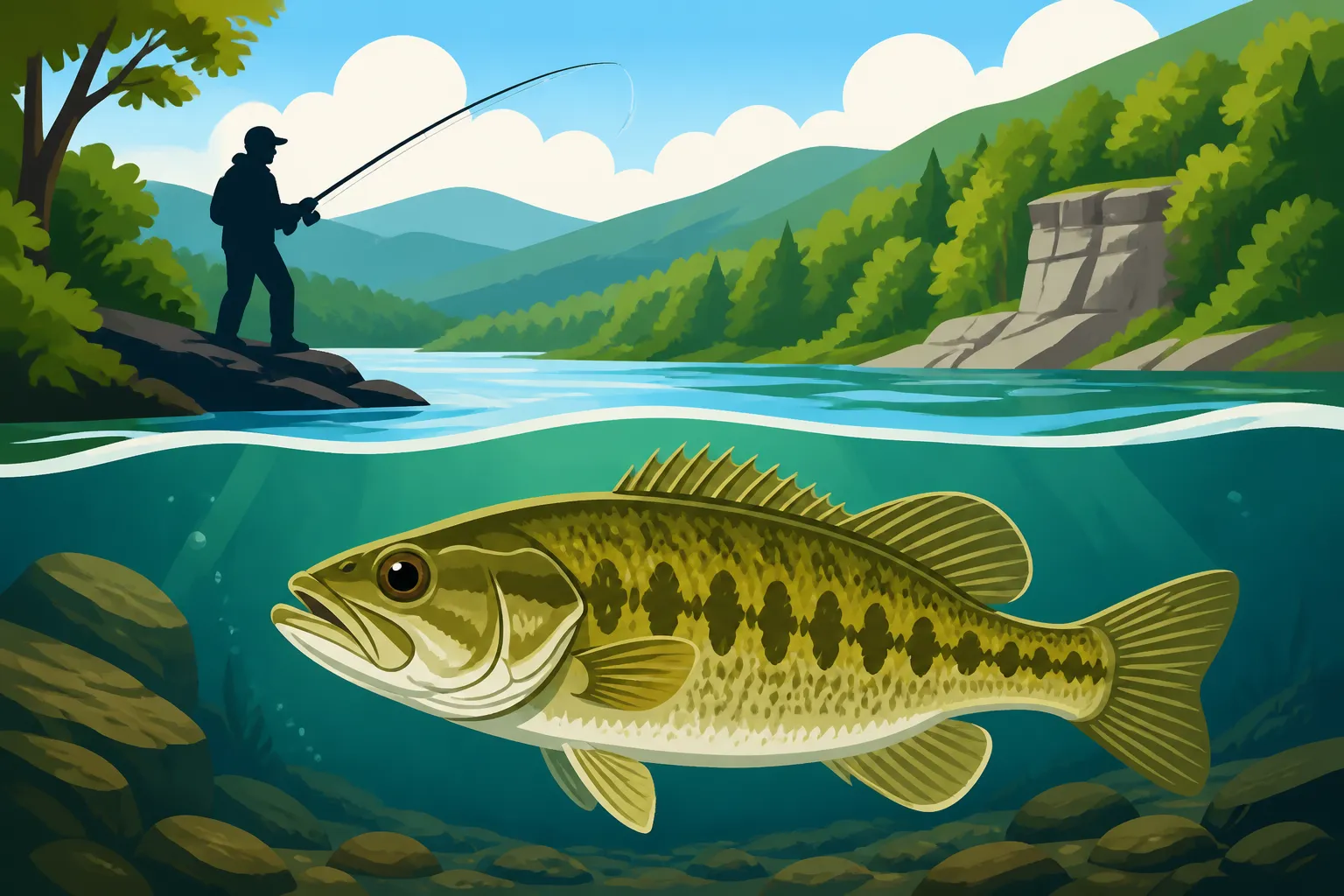
What a spotted bass is and where they live in West Virginia
It's easy to get confused when you're out on the water in West Virginia, especially with so many incredible bass species swimming around. Anglers often struggle to tell the subtle differences between a smallmouth, a largemouth, and that often-overlooked third cousin, the spotted bass. This guide is here to cut through that confusion, helping you clearly identify spotted bass and, more importantly, pinpoint exactly where you can find these hard-fighting fish in our beautiful mountain state.
Unraveling the Identity: What Exactly is a Spotted Bass?
Let's face it, when you catch a bass in West Virginia, your first thought is usually, "Is it a smallmouth or a largemouth?" The spotted bass often gets lumped in with one of the others, or worse, completely misidentified. But trust me, once you know what to look for, you'll start appreciating this distinct species for its unique characteristics and the feisty fight it puts up. They're not as widespread as their cousins in our state, but they're definitely here, and understanding them is key to successful angling.
More Than Just Spots: Key Identification Features
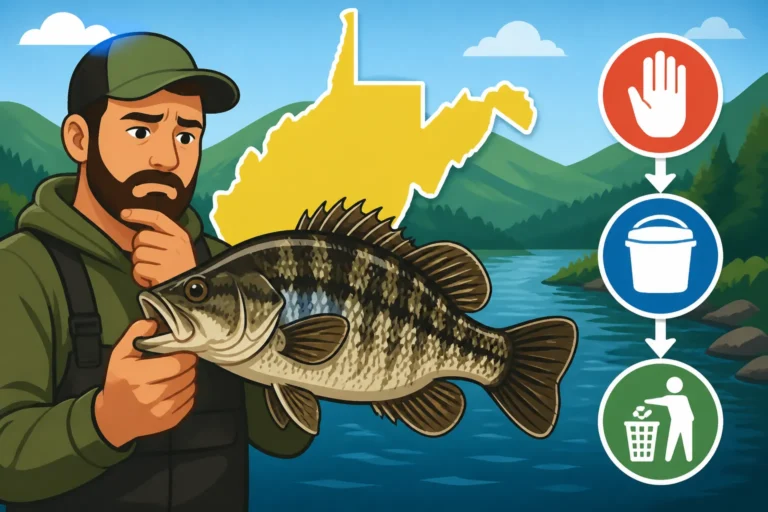
The name "spotted bass" can be a little misleading because all bass have some spots! However, the spotted bass (scientific name: Micropterus punctulatus) has some definitive features that set it apart. The biggest giveaway is often the horizontal row of distinct dark spots along its lower side, below the lateral line. These spots are usually more pronounced than on a largemouth, which tends to have a more broken, blotchy lateral line.
But wait, there's more! Another crucial identifier is the patch of teeth on its tongue. If you can carefully open its mouth and feel its tongue, a spotted bass will have a rough, sandpaper-like patch of teeth in the center, which neither a largemouth nor a smallmouth possesses. This is a tell-tale sign that's often missed but incredibly reliable. When you compare it to a largemouth, you'll also notice the spotted bass's jaw doesn't extend past the back of its eye, unlike the largemouth which does. And against a smallmouth, which usually has vertical bars and a generally bronze to brown coloration, the spotted bass often has a greener hue, a more streamlined body, and those distinct lower-side spots. It’s a good idea to familiarize yourself with Largemouth Bass vs Smallmouth Bass Identification to help refine your eye even further.
Beyond the Looks: Behavior and Habitat Preferences
Spotted bass are fascinating creatures, and their behavior directly influences where you'll find them. They tend to prefer habitats that are a blend of what largemouth and smallmouth bass seek. While largemouth love weedy, shallow, warmer waters, and smallmouth thrive in cooler, clearer, rocky rivers with current, spotted bass often lean towards moderate currents, rocky banks, submerged timber, and clear to slightly stained water. They don't mind deeper water either, especially during the hotter months, and often school up, which can lead to incredible multiple-hookup fishing once you find a group.
Their diet is pretty varied, consisting of crawfish, baitfish like shad and minnows, and aquatic insects. They are generally aggressive eaters and will strike a wide variety of lures, often with a surprising amount of power for their size. Understanding these behavioral nuances helps you not only identify them but also predict where they might be holding and what they might be willing to bite. They're not quite as particular about water temperature as a true smallmouth, but they certainly aren't found in stagnant, muddy ponds like some largemouth might tolerate.
The Spotted Bass's Home Turf: Where They Roam in West Virginia
Now that we know what a spotted bass is, let's talk about where you can actually find them in West Virginia. Unlike smallmouth and largemouth, which are found pretty much everywhere there's suitable water, the spotted bass's distribution in the Mountain State is a bit more localized and specific. This makes finding them a bit more of a treasure hunt, but the reward is definitely worth the effort.
The New River and its Tributaries: A Prime Destination
When you think of spotted bass in West Virginia, your mind should immediately jump to the mighty New River. This ancient river system, flowing north through the heart of our state, is arguably the premier destination for spotted bass fishing. The New River offers the perfect mix of characteristics that spotted bass adore: abundant rocky structure, clear to moderately stained water, and a consistent, albeit sometimes strong, current. You'll find them in the eddies and current breaks, behind large boulders, and around submerged timber, often deeper than you'd expect to find smallmouth.
They're not just in the main stem either. Tributaries of the New River, especially those with similar clear, rocky, flowing characteristics, can also hold good populations. Fishing for spotted bass here often means targeting the same kinds of structures you would for smallmouth, but perhaps with a slightly deeper presentation or a different lure profile. If you're passionate about fishing this legendary waterway, be sure to check out New River Smallmouth Bass Fishing for more insights, as many of the same principles apply to spotted bass. This river truly embodies the wild and wonderful spirit of West Virginia fishing, and the spotted bass are a vibrant part of its ecosystem.
Other West Virginia Waters: Pockets of Opportunity
While the New River drainage is the uncontested stronghold, spotted bass populations do exist in other parts of West Virginia, though often in smaller numbers or in more isolated pockets. These might include sections of the Kanawha River system, particularly its clearer tributaries, where they can occasionally be found. You might also encounter them in some of the larger reservoirs, especially those with significant rock structure and a good current flow, like those near dams or major creek channels. However, their presence in these other waters isn't as consistent or as dense as in the New River, making targeted efforts more challenging outside of their main habitat.
Anglers exploring new waters should always keep an eye out for those key identifying features. Even if the dominant bass species are smallmouth or largemouth, finding a lone spotted bass is a fun surprise and a testament to their adaptability in certain niche habitats within our state. It's always a good idea to consult the latest state fishing regulations to ensure you're aware of West Virginia Black Bass Limits and the New River Slot Limit before heading out, no matter where you choose to fish.
Fishing for Spots: Tips for Targeting This Elusive Bass
So, you've identified the spotted bass and you know where to find them. Now comes the fun part: catching them! Spotted bass are often described as having the fight of a smallmouth but the habitat preferences that sometimes overlap with largemouth. They are aggressive, strong for their size, and can be incredibly rewarding to target once you crack their code.
Preferred Baits and Lures for Spotted Bass
Spotted bass are generally not picky eaters, which is great news for anglers. They'll readily strike a variety of lures, but there are definitely some go-to options that tend to produce consistently. Small to medium-sized crankbaits are excellent, especially those that mimic crawfish or baitfish. Remember, they love rocky areas and current, so a crankbait that digs and deflects off structure can be incredibly effective.
Soft plastics rigged on jig heads, such as finesse worms, creature baits, or swimbaits, are also dynamite. Don't be afraid to experiment with brighter colors, especially in slightly stained water. Jigs with a crawfish or finesse skirt are another perennial favorite, particularly when worked along the bottom in rocky stretches or around submerged cover. You can find a fantastic selection of these lures, from reputable brands to more niche offerings, on platforms like Amazon, making it easy to stock up before your next trip. Consider exploring some of the options mentioned in Best Baits for Smallmouth Bass on the New River as many cross over for spotted bass.
Here's a quick rundown of popular lure categories:
| Lure Type | Ideal Conditions | Technique |
|---|---|---|
| Small Crankbaits | Rocky rivers, moderate current | Erratic retrieve, bumping off structure |
| Jigs (Skirted) | Deep holes, submerged timber, current breaks | Dragging, hopping, swimming along bottom |
| Soft Plastics (Worms, Creatures) | Clearer water, finesse situations, drop-offs | Shaky head, drop shot, Texas rig |
| Swim Baits | Open water, targeting schooling fish, imitating baitfish | Steady retrieve, varying depths |
| Spinnerbaits/Chatterbaits | Stained water, active fish, searching large areas | Moderate to fast retrieve |
Locating Spotted Bass: Reading the Water
Finding spotted bass requires a keen eye for structure and current. Unlike largemouth that might hug thick weed lines, or smallmouth that might patrol shallow shoals, spotted bass often hold in transition zones. Look for current breaks created by large boulders, fallen trees, or sudden changes in bottom contour. They love ambush points where they can dart out from the current to snatch prey. Deeper pools with rocky bottoms, especially those adjacent to faster-moving water, are prime real estate.
If you're fishing a river, pay close attention to eddies, seams where fast water meets slow water, and the downstream side of islands or points. Submerged rock piles and ledges are also key areas. Because they often school, once you catch one, it's wise to thoroughly work the area, as there are likely more fish nearby. Kayaks or small boats are fantastic for accessing these areas on the Best Fishing Rivers in West Virginia, allowing you to quietly navigate and explore subtle river features.
Seasonal Considerations for Spotted Bass Angling
Like all bass, spotted bass behavior shifts with the seasons, largely driven by water temperature and spawning cycles.
- Spring: As water temperatures begin to rise, spotted bass will move shallower, often congregating in protected coves or slower stretches of the river to spawn. This is a great time to target them with jigs and soft plastics on lighter Best Fishing Rods for West Virginia Rivers. They can be very aggressive as they guard their nests.
- Summer: When the water heats up, spotted bass tend to move deeper, seeking cooler temperatures and stable oxygen levels. Look for them in deeper pools, around submerged timber, or along bluff walls where shade provides relief. Early morning and late evening can also be productive as they move shallower to feed. Vertical jigging or using a drop shot can be very effective in these deeper presentations.
- Fall: As water temperatures cool down, spotted bass become incredibly active, feeding heavily in preparation for winter. This is a fantastic time for aggressive presentations with crankbaits and spinnerbaits. They will often be found chasing baitfish in schools, so covering water is key.
- Winter: During the coldest months, spotted bass become more lethargic and move to their deepest wintering holes. They will still feed, but more subtly. Finesse techniques, such as slow-dragging jigs or tiny grub-style baits, become essential. Focusing on deep, slow-moving water with plenty of cover is your best bet.
Understanding these seasonal patterns will significantly increase your chances of finding and catching this unique and enjoyable bass species in West Virginia. Just remember to have the right Best Tackle for West Virginia Smallmouth Bass, which often works well for spotted bass too!
Disclaimer
This article is for general informational purposes only and does not constitute professional advice. Laws, prices and regulations vary by location and change over time. Consult a qualified professional for guidance on your specific situation.