Best Tackle for Panfish
It's a common oversight to think that just because panfish are small, any old rod and reel will do. I've seen countless folks out on West Virginia's beautiful lakes and rivers, struggling to feel the delicate bite of a bluegill or crappie, or losing fish because their gear wasn't up to the task. If you've ever felt that frustration, this guide is for you. We're going to dive deep into the world of specialized panfish tackle, helping you rig up for success and truly enjoy the subtle art of catching these abundant and feisty fish.
Why Panfish Deserve Specialized Tackle
Let's be honest, panfish often get a bad rap as "kid's fish" or something you just catch incidentally while going for bigger game. But anyone who has spent a calm evening pulling in slab crappie or battling a feisty shellcracker knows that these fish offer incredible sport. They might not tear the drag off your reel like a muskie, but their delicate bites, vibrant colors, and sheer numbers make them a fantastic target for anglers of all skill levels. Ignoring them is missing out on some genuine, accessible fun right here in the Mountain State.
The Panfish Appeal: More Than Just a Beginner's Fish
Think about it: bluegill, crappie, sunfish, perch – these species are found in almost every pond, lake, and slow-moving river throughout West Virginia. They're often abundant, relatively easy to locate, and provide consistent action, which is fantastic for introducing new anglers to the sport. But for the seasoned pro, the challenge lies in refining techniques, understanding their subtle habits, and targeting the truly large specimens – those dinner-plate crappie or hand-sized bluegill that fight with surprising strength. The beauty of panfishing is its accessibility combined with its potential for nuanced pursuit. It's not just about catching a fish; it's about catching the right fish with precision.
Common Misconceptions About Panfish Gear
Many anglers make the mistake of using gear that's simply too heavy for panfish. You'll see folks using medium-action bass rods with 10-pound test line trying to detect a crappie's whisper-light tap. While you might hook a few, you're missing a significant percentage of bites, and the fight is practically nonexistent. Another misconception is that cheap, flimsy gear is "good enough." While you don't need to break the bank, investing in quality ultralight tackle designed for panfish makes a world of difference in sensitivity, casting accuracy, and overall enjoyment. It’s about matching the tackle to the fight, and in West Virginia's clear mountain waters or the sprawling reservoirs, that precision really pays off.
Rods and Reels: The Foundation of Your Panfish Setup
Getting the right rod and reel combo is the absolute first step to elevating your panfish game. It’s where sensitivity meets control, allowing you to feel even the most timid bite and make accurate casts with tiny baits. Don't underestimate this foundational choice; it sets the tone for your entire fishing experience. For many, a good ultralight setup might even become a go-to for other species like small creek trout.
Ultralight Spinning Rods for Maximum Sensitivity
When we talk about panfish, "ultralight" isn't just a suggestion; it's practically a requirement for a truly rewarding experience. An ultralight spinning rod typically ranges from 4.5 to 6.5 feet in length, with a fast or extra-fast action and a very light power rating. This combination means the rod tip is incredibly flexible, bending easily to transmit the faintest peck of a bluegill, while the backbone still offers enough leverage to fight a respectable crappie. The shorter rods are fantastic for tight casting in brushy areas or from a kayak, while longer rods offer better casting distance from shore or a larger boat. Best Ultralight Rod for Panfish is a great resource if you're looking for specifics.
The material of the rod also plays a huge role. Graphite rods tend to be lighter and more sensitive than fiberglass, allowing you to "feel" what's happening at the end of your line with remarkable clarity. This sensitivity is crucial when fishing tiny jigs or subtle live baits, especially when panfish are finicky. Imagine feeling the delicate "thump" of a crappie inhaling your jig deep in a brush pile – that's the kind of feedback a good ultralight graphite rod provides. Many reputable brands offer excellent ultralight options that are surprisingly affordable and can be found at places like Bass Pro Shops or even online at Amazon.
Matching Reels and Line for Delicate Presentations
Paired with your ultralight rod, you'll want a small, lightweight spinning reel, usually in the 500 to 1000 size range. These reels are designed to handle lighter lines and offer a smooth drag system, which is essential when you're using delicate line with a surprisingly strong fish. A smooth drag prevents line breakage when a larger panfish makes a sudden run, or when you accidentally hook into a larger bass that decided to munch on your crappie jig.
For line, fluorocarbon or monofilament in the 2 to 4-pound test range is ideal. Monofilament is more forgiving with its stretch and is a good all-around choice, especially for beginners. Fluorocarbon offers lower stretch for increased sensitivity and is nearly invisible underwater, which can be a huge advantage in clear West Virginia waters like those found in Summersville Lake Fishing Guide. However, it can be a bit stiffer and has more memory. Braided line, while super sensitive, is often too visible and has no stretch, which can pull hooks out of a panfish's soft mouth. Stick to the lighter stuff; it truly makes a difference.
Considerations for Crappie vs. Bluegill Specifics
While much of the ultralight tackle crosses over nicely, there are some subtle differences you might consider if you're primarily targeting one species over the other. For crappie, especially if you're jigging vertically in brush piles or around structure in deeper lakes, a slightly longer rod (6 to 6.5 feet) can offer better control and leverage. Crappie often respond well to slower, subtler presentations, so a slightly softer tip can be advantageous for that gentle "lift and fall" jigging motion.
Bluegill and other sunfish, often found closer to shore or in shallower waters, might benefit from a shorter rod (4.5 to 5.5 feet) for more accurate, pinpoint casts to specific targets like lily pads or docks. Their bites can sometimes be even more delicate than crappie, so extreme sensitivity is key. If you're using live bait like crickets or worms under a bobber, the precise casting of a shorter rod can help you drop your offering right where you want it without spooking the fish.
| Component | Bluegill / Sunfish Focus | Crappie Focus | General Panfish / Versatile |
|---|---|---|---|
| Rod Length | 4.5 – 5.5 feet | 5.5 – 6.5 feet | 5.0 – 6.0 feet |
| Rod Power | Ultralight to Light | Ultralight to Light | Ultralight |
| Rod Action | Fast to Extra Fast (for quick hooksets on subtle bites) | Moderate to Fast (allows for better jig control) | Fast (good balance of sensitivity and forgiveness) |
| Reel Size | 500 – 1000 series | 1000 – 1500 series (slightly more line capacity if needed) | 500 – 1000 series |
| Line Test | 2-4 lb Mono or Fluoro | 4-6 lb Mono or Fluoro (for heavier jigs/structure fishing) | 2-4 lb Mono or Fluoro |
| Key Attribute | Pinpoint accuracy, extreme sensitivity for light bites | Control for vertical jigging, soft tip for light takes | Balance of sensitivity, castability, and fighting power |
Lures and Baits: Tempting the Tiny Titans
Once you've got your rod and reel sorted, it's time to talk about what you're actually putting in front of the fish. Panfish, despite their small stature, can be surprisingly selective, and having a variety of tiny offerings in your tackle box will make a huge difference in your success. From artificials to natural baits, there's a whole world of options to explore.
Micro Jigs and Soft Plastics: The Bread and Butter
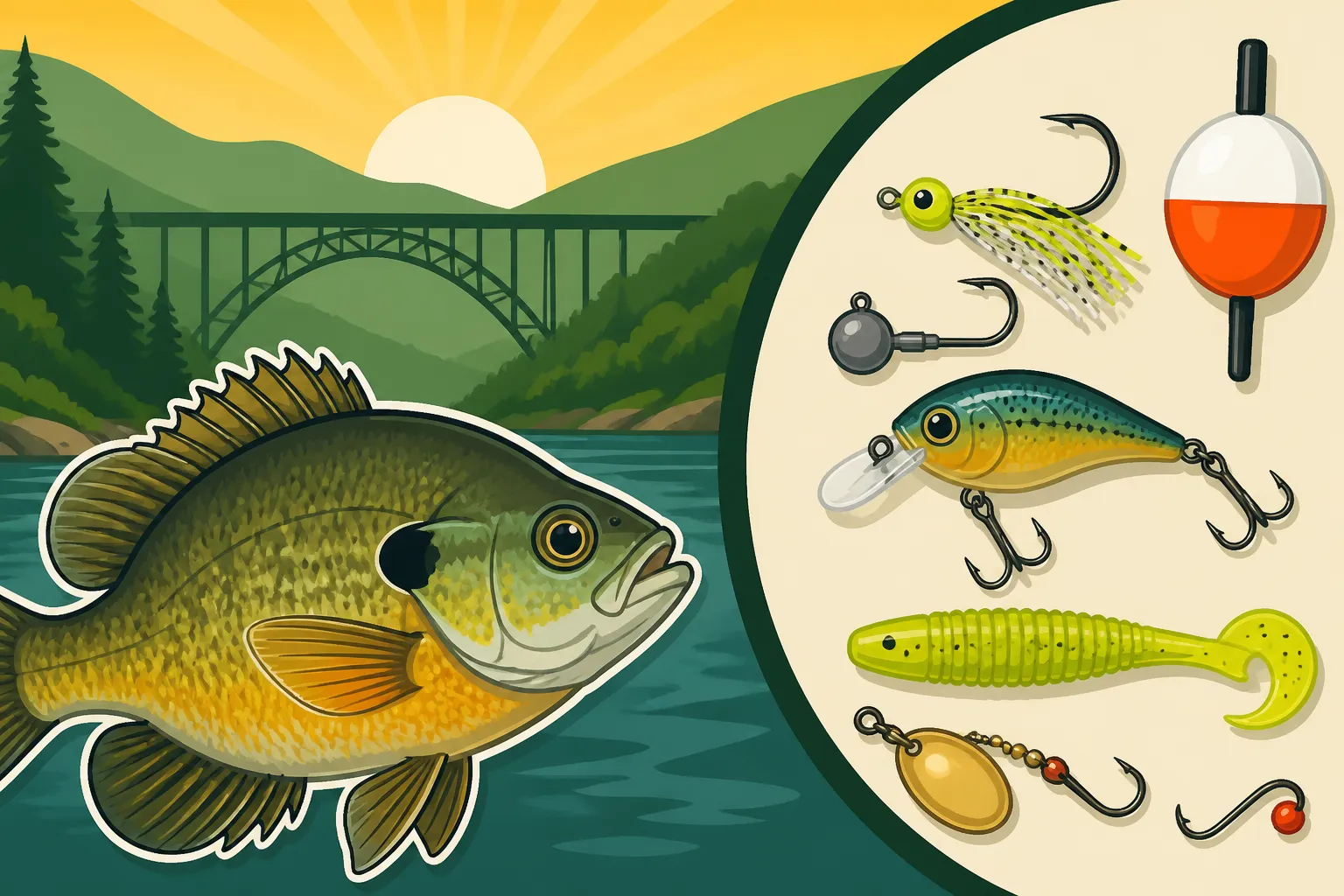
Micro jigs and tiny soft plastics are arguably the most versatile and effective artificial lures for panfish. These often weigh as little as 1/64 to 1/16 ounce and come in an incredible array of colors and shapes designed to mimic small insects, larvae, or baitfish. Think tiny tubes, grubs, curly-tail worms, or even miniature minnow imitations. When paired with a light jig head, these lures flutter and dart through the water with incredible realism. My personal go-to for crappie is a tiny chartreuse or white tube jig, especially around submerged brush or standing timber. For bluegill, I've had fantastic luck with dark-colored micro jigs that imitate aquatic insects.
The key to fishing these is a slow, subtle presentation. A gentle lift and fall, or a slow retrieve with occasional pauses, often triggers strikes. Experiment with colors and jigging actions until you find what the fish are keying in on that day. Carrying a variety of colors, from bright fluorescent options for murky water to natural browns, greens, and blacks for clear water, will ensure you're prepared for any condition in places like West Virginia State Park Fishing Guide. You can find massive selections of these at any Bass Pro Shops or online at Amazon, making it easy to stock up.
Tiny Spinners and Spoons for Active Panfish
When panfish are aggressive and actively feeding, small inline spinners and tiny spoons can be incredibly effective. Spinners like those from Mepps or Roostertail, typically in the 1/32 to 1/8 ounce range, create flash and vibration that can attract fish from a distance. Their spinning blade mimics a fleeing baitfish or insect, often provoking a strike from curious or hungry panfish. Gold, silver, and copper blades are classics, but don't shy away from bright colors like chartreuse or orange, especially in stained water.
Spoons, on the other hand, offer a different action. Small casting spoons or even micro jigging spoons, like those you might use for Ice Fishing in West Virginia, flutter and wobble enticingly as they fall. They can be particularly effective when fish are suspended or when you need to get down to a specific depth quickly. A slow, steady retrieve or a series of short jerks and pauses can both be deadly with these metallic temptations. The flash and erratic movement often trigger a reaction strike, even from less aggressive fish.
Live Bait Essentials: Worms, Crickets, and Minnows
No discussion of panfish tackle would be complete without mentioning live bait. Sometimes, especially when the bite is tough, nothing beats the real thing. The natural scent, movement, and taste of live bait are often irresistible to panfish.
- Worms: Red wigglers and nightcrawlers (pinched into smaller pieces for smaller mouths) are universal panfish magnets. They work for almost any panfish species and are readily available. Fishing them under a bobber or on a tiny jig head is a classic and highly effective method.
- Crickets: For bluegill and other sunfish, especially in late spring and summer, crickets are phenomenal. Their natural buoyancy and erratic leg movements when submerged are exactly what these insect-eaters are looking for. They're often fished on a tiny hook under a slip bobber near submerged vegetation or docks.
- Minnows: Small minnows are a crappie's absolute favorite. Shiner minnows or fatheads, hooked through the lips or dorsal fin, can be fished under a bobber, slow-trolled, or vertically jigged around brush piles. They are especially effective during crappie spawning season or when targeting larger "slab" crappie. You can often find live bait at local bait shops throughout West Virginia.
Terminal Tackle: The Small Details That Make a Big Difference
We’ve talked about rods, reels, and baits, but the unsung heroes of panfish success are often the tiny components that connect everything. Your terminal tackle – hooks, floats, and sinkers – must be perfectly matched to your presentation and the fish's delicate mouth for consistent hookups and a satisfying fight. Skimping here can lead to frustrating missed bites and lost fish.
Hooks: Size Matters, Seriously
For panfish, choosing the right hook size is paramount. Their mouths are small, and a hook that's too large will either prevent them from taking the bait properly or result in a poor hookset. Generally, you'll be looking at hooks in the size range of #6 to #12 for most panfish species. A #8 or #10 Aberdeen style hook is an excellent all-around choice for bluegill and sunfish, as its long shank makes it easier to remove from small mouths, and its light wire construction bends out before breaking your line on a snag. For crappie, especially when fishing minnows, a thin-wire #4 or #2 hook is often preferred.
Beyond size, consider the style. Kahle hooks or wide-gap hooks work well for minnows, allowing for a good hookup. For worms, Aberdeen hooks are hard to beat. Always aim for razor-sharp hooks; panfish bites can be light, and a dull hook will result in a missed fish. Remember, the goal is to present your bait as naturally as possible, and a tiny, light hook contributes significantly to that natural presentation.
Floats and Bobbers: Reading the Bite
Floats, or bobbers as many of us call them, are essential for presenting live bait or micro jigs at a specific depth and, perhaps more importantly, for indicating those incredibly subtle panfish bites. There's a wide range of styles, each with its advantages.
- Spring Bobbers: These are the classic red and white plastic bobbers. They're easy to use and highly visible, making them great for beginners or when fishing with kids. However, their buoyancy can sometimes make it harder to detect light bites, as the fish has to pull down against the resistance of the bobber itself.
- Slip Bobbers: These are a game-changer for panfish. A slip bobber slides freely on your line, stopped at your desired depth by a small knot (bobber stop). This allows you to fish at virtually any depth without having a long length of line dangling from your rod tip, making casting much easier. The best slip bobbers for panfish are slender, sensitive ones that offer minimal resistance, allowing a crappie to pull it under with ease. This sensitivity is crucial in waters like Cheat Lake fishing spots near Morgantown.
- Thill Crappie Corks: These are specialized slip bobbers known for their extreme sensitivity and balance, designed specifically for crappie fishing. They are highly visible and transmit even the slightest tap from a cautious crappie.
No matter the type, always choose the smallest bobber that will adequately suspend your bait. The less resistance the fish feels, the more likely it is to commit to the bait.
Sinkers and Split Shots: Weighting Your Presentation
Small split shot weights are your best friend for panfishing. They help get your bait down to the desired depth and keep it there, especially in breezy conditions or when there's a light current. However, like hooks and bobbers, less is often more. Use just enough weight to get your bait to sink naturally.
Typically, you'll use tiny split shot in sizes #7 or #5, placed a few inches above your hook. The goal is to make your bait look like a natural offering drifting through the water column, not a heavy object plummeting to the bottom. If you're fishing a jig or a weighted lure, you might not need any additional weight. When fishing live bait under a bobber, the split shot provides just enough anchor to keep your bait in the strike zone and helps the bobber stand upright, making bites more apparent. For a deeper dive into precise weighting, check out Best Techniques for High Water Conditions or Best Techniques for Low Clear Water Conditions which often involve specific weighting strategies.
Essential Accessories for the Panfish Angler
Beyond the core rod, reel, and terminal tackle, a few key accessories can significantly enhance your panfishing experience. These aren't just luxuries; they're tools that make landing, handling, and storing your catch easier and more ethical, ensuring both your comfort and the health of the fish.
Landing Nets and Fish Grips for Delicate Handling
Panfish, especially crappie, have delicate mouths. Yanking them directly out of the water with your line can often tear the hook free, especially if it’s a larger fish. This is where a small, fine-mesh landing net becomes invaluable. A rubberized or knotless nylon net will protect the fish's slime coat and fins, making catch and release much safer. For crappie, a long-handled net is particularly useful when fishing from a boat or high bank to reach those fish that may surface a little further out.
For bluegill and sunfish, which often swallow hooks more readily, a pair of small fish grips or hemostats can be a lifesaver. These allow you to quickly and safely remove hooks without putting your fingers in harm's way or unduly stressing the fish. They're also great for handling fish you intend to release, minimizing direct contact and reducing stress. You can pick up reliable options for these at any Bass Pro Shops or even general sporting goods sections on Amazon.
Tackle Storage and Organization
Panfishing involves a lot of small items: tiny jigs, hooks, split shot, and bobbers. Keeping these organized is crucial to avoid frustration on the water. Imagine fumbling through a messy box trying to find that perfect 1/64 oz jig when the bite is on! A small, dedicated tackle box or a series of clear, compartmentalized utility boxes are perfect. Look for boxes with adjustable dividers that allow you to customize compartments for different jig sizes, hook styles, and soft plastic colors.
A small sling pack or vest can also be incredibly useful, especially if you're bank fishing or wading. This allows you to carry your essential panfish tackle, a few drinks, and a small snack without being encumbered, keeping everything within easy reach. This organization is key to being efficient, whether you're exploring Best Shore Fishing Spots in West Virginia or moving between honey holes on a lake.
Other Handy Tools for the Panfish Enthusiast
- Line Clippers/Scissors: Essential for cleanly cutting light line and tying knots. A small pair of fishing-specific scissors or nail clippers attached to a lanyard are perfect.
- Hook File/Sharpener: Even new hooks can benefit from a quick touch-up, and a sharp hook means more landed fish. A small diamond or ceramic file is easy to carry.
- Pliers: Small needle-nose pliers are great for manipulating split shot, bending hooks, or removing deeply swallowed hooks (though hemostats are often better for the latter).
- Measuring Device: If you're targeting trophy panfish or fishing in areas with specific size limits, a small ruler or measuring tape is a must. Always consult the West Virginia Bag and Possession Limits by Species before you go!
- Livewell or Cooler: If you plan on keeping your catch, a small aerated livewell or a quality cooler with ice will keep your panfish fresh and delicious.
Putting It All Together: Building Your Ideal Panfish Kit
So, you're convinced that panfish deserve proper respect and specialized tackle. Now, how do you go about assembling your own kit without feeling overwhelmed? It's easier than you might think, and you can build it up gradually as you explore West Virginia's fantastic panfish opportunities.
A Starter Kit Recommendation
For someone just getting into serious panfishing, or looking to upgrade from general-purpose gear, I always recommend starting with a versatile core setup. You don't need a huge budget to get effective gear.
- Rod: A 5'6" to 6' ultralight spinning rod with a fast action. Graphite is ideal for sensitivity.
- Reel: A 500 or 1000 series spinning reel with a smooth drag.
- Line: 4-pound test monofilament or fluorocarbon. Mono is often more forgiving for beginners.
- Hooks: A pack of #8 Aberdeen hooks and a pack of #4 crappie hooks.
- Jigs: Assorted 1/32 oz and 1/16 oz micro jigs in chartreuse, white, black, and natural grays. Include some curly-tail grubs and tiny tube jigs.
- Bobbers: A few small spring bobbers and a couple of sensitive slip bobbers with bobber stops.
- Weights: A small container of assorted split shot.
- Live Bait: A container of red wigglers or crickets.
- Basic Tools: Small line clippers and a pair of small needle-nose pliers.
This basic kit will get you on the water and catching fish effectively in most panfish scenarios. As you gain experience, you'll naturally discover what works best for your local spots and preferred techniques, allowing you to expand your tackle collection strategically. This is a great Best Rod and Reel Combo for Beginners to get started.
Upgrading Your Panfish Arsenal
Once you've got the basics down, you might want to consider some upgrades or specialized items to fine-tune your approach. Perhaps you're really getting into Jigging for Crappie in West Virginia Lakes, or you've found a passion for fly fishing for sunfish.
- Specialized Rods: You might add a longer, more sensitive rod specifically for vertical jigging crappie, or a shorter, super-light rod for pinpoint casting to bluegill beds. Some anglers even venture into dedicated fly rods for panfish, using lighter weights (2-4 wt) to cast small poppers and nymphs.
- Bait Variety: Expand your artificial lure collection to include tiny crankbaits, spoons like Best Spoons for Ice Fishing Panfish, and a wider range of soft plastic shapes and colors. If you consistently use live bait, investing in a portable aerator for your minnow bucket can keep them livelier longer.
- Electronics: While not strictly tackle, a portable fish finder can be a huge asset for locating crappie and schools of other panfish, especially in larger reservoirs. Knowing the depth and seeing structure where fish are holding can drastically improve your success.
- Premium Line: Experiment with high-end fluorocarbon for ultimate sensitivity and invisibility, or even ultra-thin braided lines (with a fluorocarbon leader) if you feel the need for extreme casting distance and strength, though this takes practice to manage with panfish.
Seasonal Adjustments to Your Panfish Tackle
Panfish behavior, and therefore the most effective tackle, can change significantly throughout the year in West Virginia.
- Spring: During the spring spawn, crappie move into shallower areas, and bluegill follow soon after. Small jigs, minnows, and worms fished under a slip bobber near submerged cover or shoreline vegetation are deadly. Focus on areas that warm up quickly.
- Summer: As waters warm, crappie often move to deeper, cooler water, suspending over channels or holding tight to deep brush piles. Vertical jigging with micro jigs or live minnows becomes key. Bluegill are often still found near cover in shallower water but might require fishing earlier or later in the day. Small poppers and dry flies can be exciting for bluegill on summer evenings.
- Fall: Panfish become very active in the fall, feeding heavily to prepare for winter. They can be found in a wide range of depths, often schooling up. This is a great time for casting small spinners, retrieving micro jigs, or drifting minnows. Pay attention to structure and baitfish presence.
- Winter: For many, winter means ice fishing for panfish. Tiny jigs, often tipped with a grub or waxworm, fished through the ice are extremely effective. If open water remains, deep holes and slow-moving channels are key. This is where Best Ice Fishing Gear for West Virginia really shines.
By understanding these seasonal changes and adjusting your tackle and techniques accordingly, you'll find consistent success pursuing Panfish Fishing in West Virginia no matter the time of year. Whether you're chasing Bluegill Habits in West Virginia Ponds or identifying Black Crappie vs White Crappie Identification, having the right tackle will make all the difference.
Disclaimer
This article is for general informational purposes only and does not constitute professional advice. Laws, prices and regulations vary by location and change over time. Consult a qualified professional for guidance on your specific situation.