Are There Gar in West Virginia Rivers?
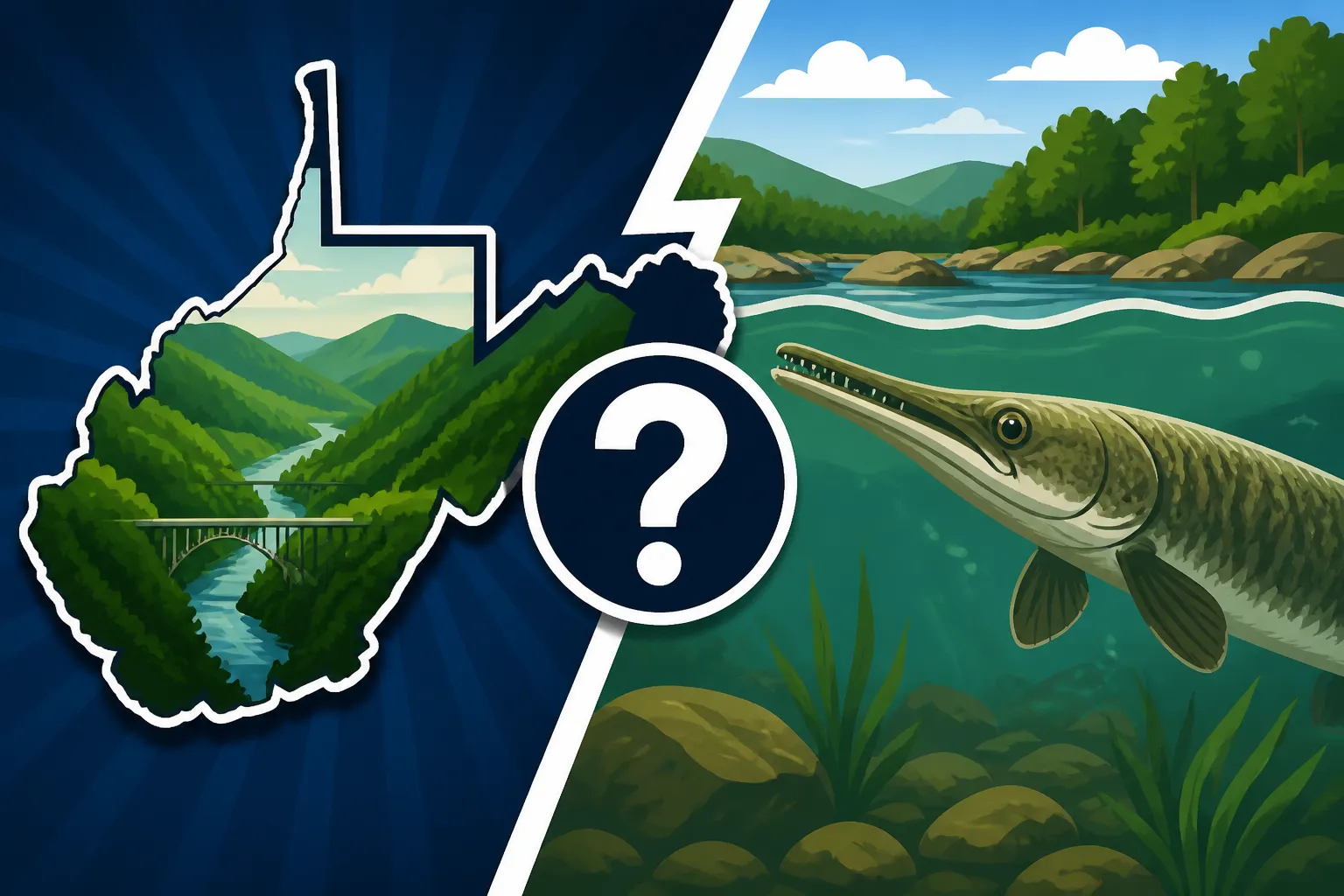
There's a quiet hum among West Virginia anglers, a question that often surfaces after a strange, prehistoric-looking fish flashes through shallow water or rolls on the surface of a placid backwater: "Are those… gar?" It’s a completely fair question, as these fascinating, ancient fish aren't always the focus of our mainstream fishing conversations. If you've ever seen one and wondered what it was, where it came from, or if it really belonged in our Mountain State waters, you're in the right place! This guide is here to shed some light on the gar species that call West Virginia home, where you're likely to encounter them, and what makes them such unique inhabitants of our river systems.
The Gar Species You'll Encounter in West Virginia
West Virginia's rivers and lakes are home to a diverse array of fish, and among them are a couple of species of gar. These fish, with their elongated bodies and toothy, duck-bill snouts, often spark curiosity, and sometimes a bit of apprehension, in anglers used to bass or trout. Understanding which species live here, and how to identify them, is the first step to appreciating these remarkable creatures.
Longnose Gar: The Mountain State's Most Common Gar
If you've seen a gar in West Virginia, chances are it was a longnose gar. These are by far the most widespread and commonly encountered gar species in our state. They are truly distinctive, with a long, slender body covered in hard, diamond-shaped ganoid scales – armor that's more akin to reptile scales than the flexible scales of most fish. Their most prominent feature, of course, is that incredibly long, narrow snout, which is filled with sharp, needle-like teeth. It's a striking adaptation for grabbing and holding onto prey.
You'll find longnose gar in a variety of habitats, but they tend to favor slower-moving waters, such as large rivers, quiet backwaters, oxbow lakes, and the calmer sections of reservoirs. They're often seen near the surface, basking in the sun or slowly cruising. They have a unique ability to breathe atmospheric air using a modified swim bladder, which means they can survive in waters with low oxygen levels that would kill other fish. This adaptation contributes to their resilience and ability to thrive in many West Virginia environments, especially during hot summer months when water temperatures rise and oxygen levels can drop. While some anglers might consider them a "rough fish," they're a native and important part of our aquatic ecosystem.
Spotted Gar: A Rarer, But Present Species
While much less common than their longnose cousins, the spotted gar also make their home in West Virginia, though typically in more restricted areas. The key to identifying a spotted gar lies, as their name suggests, in their distinctive spot pattern. Unlike the longnose gar, which can have some spots, the spotted gar has prominent, dark spots covering its head, body, and fins, which are much more defined and numerous. Their snout is also shorter and broader than that of the longnose gar, giving them a slightly different profile.
Spotted gar usually prefer clear, heavily vegetated, shallow backwaters of large rivers, oxbows, and sometimes impoundments. They thrive in environments with abundant aquatic plants where they can ambush prey. In West Virginia, your best bet for finding spotted gar would be in the extreme western portions of the state, particularly in the lower reaches of major tributaries emptying into the Ohio River. They are a bit more secretive than longnose gar, often blending into their surroundings, and their numbers are generally lower. Catching one is quite a treat and a testament to the diversity of our waters.
Here's a quick comparison of the two main gar species you might encounter in West Virginia:
| Feature | Longnose Gar | Spotted Gar |
|---|---|---|
| Snout | Very long, narrow, needle-like | Shorter, broader, more duck-bill shaped |
| Spots | May have some spots, but not dense or prominent | Prominent, dark spots covering head, body, and fins |
| Body Shape | Slender, elongated | Slightly chunkier than longnose, still elongated |
| Habitat | Slower rivers, backwaters, reservoirs, open water | Clear, heavily vegetated shallow backwaters, oxbows |
| Commonality | Common and widespread throughout the state | Rarer, primarily in Ohio River drainage |
| Primary Region | Throughout large river systems and impoundments | Primarily western West Virginia, Ohio River basin |
Where to Find Gar in West Virginia's Waters
So, now that you know which gar species might be lurking, the next logical question is, where exactly should you look for them? Gar are creatures of habit, and understanding their preferred hangouts will greatly increase your chances of spotting or even hooking one.
Major River Systems and Tributaries
The vast river systems of West Virginia, particularly those draining into the Ohio River, are prime habitat for gar. The Ohio River itself is a hotspot. Its expansive, often slower-moving main channel, along with countless backwaters, coves, and calmer stretches, provides ideal conditions for gar. Tributaries flowing into the Ohio River are also key areas. Think about rivers like the Kanawha River, the Little Kanawha River, and even the lower sections of the Monongahela River and New River as they widen and slow down.
Within these larger river systems, gar aren't typically found in fast, turbulent rapids. Instead, they seek out the lazy, meandering sections, the quiet eddies behind islands, and the slow-moving current along mud flats or sandbars. Look for areas with significant submerged or emergent vegetation, downed trees, or other forms of cover where they can lie in wait for unsuspecting baitfish. These are ambush predators, so structure and cover are crucial for their hunting strategy. Exploring access points along these rivers, whether from a boat or by bank fishing, can put you in gar territory. For a detailed guide on one of our biggest rivers, consider Ohio River Fishing Guide for West Virginia Anglers.
Lakes and Reservoirs with Gar Populations
While river systems are their primary domain, gar also thrive in certain lakes and reservoirs across West Virginia, especially those connected to or influenced by large river drainages. Larger impoundments like Summersville Lake, Stonewall Jackson Lake, Burnsville Lake, and Tygart Lake, especially in their warmer, shallower coves and arms, can hold gar populations. These lakes often have extensive flats, standing timber, or aquatic vegetation that create perfect gar habitat.
The key is to think about shallow, warmer water with plenty of cover. Gar are often observed near the surface in these areas, especially on sunny days. You might see them "rolling" or gulping air near the surface, which is a dead giveaway that they're present. When you're out exploring different fishing spots, don't just focus on the deep holes or current breaks. Take some time to observe the shallower, quieter sections, particularly those with a lot of natural structure, and you might just spot a gar. If you're wondering about other popular spots, Best Fishing Lakes in West Virginia and Best Fishing Rivers in West Virginia are great resources.
Understanding Gar Behavior and How to Approach Them
Gar are truly fascinating creatures, and understanding their unique behaviors can make a big difference whether you're trying to catch one or just observe them. They might look intimidating, but they play an important role in our waterways.
Gar Habits and Preferred Habitats
Gar are primarily piscivores, meaning they eat other fish. They are ambush predators, using their camouflaged bodies and long, toothy snouts to snatch unsuspecting prey. They'll often lie motionless, blending in with submerged logs or weeds, waiting for a minnow or small panfish to swim by. Then, with a lightning-fast sideways snap of their head, they impale their prey on those sharp teeth.
One of their most remarkable adaptations, as mentioned earlier, is their ability to gulp atmospheric air. This is why you often see them "rolling" or breaking the surface with their snout – they're essentially taking a breath. This allows them to inhabit waters with low dissolved oxygen, like stagnant backwaters or warm coves in the heat of summer, where many other game fish would struggle to survive. They are most active during warmer months and throughout the day, often becoming less active as water temperatures drop in winter. They also prefer slower water and ample cover, so targeting those areas increases your chances of encountering them.
Tips for Catching (or Avoiding) Gar
Gar fishing isn't for every angler, but for those who enjoy a challenge and appreciate a truly unique fight, it can be incredibly rewarding. However, their bony, tooth-filled mouths can make hooking them difficult. Here are a few tips:
- Tough Tackle is Key: Forget your light panfish rods. You'll need stout rods, heavy line (braided line is a great choice for its abrasion resistance), and strong leaders. Those teeth are no joke, and they can easily fray or cut through lighter mono or fluorocarbon.
- Specialized Lures: Traditional hooks are often ineffective because gar clamp down on lures with their bony jaws rather than swallowing them. Many gar anglers use specialized "rope lures." These are essentially bundles of frayed nylon rope or thread, often tied to a weight. When a gar bites, their teeth get tangled in the fibers, allowing you to reel them in. You can often find these unique lures, or materials to make your own, on online retailers like Amazon.
- Live Bait is Effective: Small live fish, such as minnows or sunfish, fished under a bobber in gar-rich areas can be very effective. Let the gar take the bait for a while before setting the hook to ensure it's fully committed.
- Handling with Care (and Caution!): If you do catch a gar, exercise extreme caution when handling it. Their teeth are incredibly sharp, and a thrashing gar can inflict a nasty wound. Use long-nosed pliers or a specialized hook-out tool to remove hooks. Heavy-duty fishing gloves are also a must. Many anglers order specialized long-nose pliers or robust fishing gloves from retailers like Amazon before targeting these toothy creatures. A boga grip or similar lip-gripping tool can also be invaluable for controlling the fish safely.
- Catch and Release: Most anglers target gar for sport rather than table fare. Practice responsible Muskie catch and release survival tips – the same principles apply to gar to ensure these ancient fish can continue to thrive. While specific gar regulations might not be as detailed as for other species, general West Virginia Fishing Regulations Explained always apply.
Remember, if you're looking to gear up for a gar adventure, a quick search on Amazon for heavy monofilament leaders or even a specialized gar fishing kit might yield some interesting results.
The Role of Gar in West Virginia's Ecosystem
Gar often get a bad rap from some anglers, sometimes labeled as "trash fish" or perceived as harmful predators. However, this couldn't be further from the truth. Gar are native, integral components of West Virginia's aquatic ecosystems, playing a vital role in maintaining balance.
Predators and Prey
As apex predators in their preferred habitats, gar help to regulate populations of smaller, often overabundant forage fish. By preying on weaker or slower fish, they contribute to the overall health and vigor of fish communities, essentially culling the herd. This natural selection process ensures that healthier, more robust fish are left to reproduce. They are part of the complex food web, and their presence indicates a healthy, functioning ecosystem.
Dispelling myths about them being destructive is important. While they are indeed efficient predators, they evolved alongside other native fish species in West Virginia. Their predation is a natural part of the ecosystem, not an invasive force disrupting it. They typically don't decimate game fish populations; rather, they help keep them in check, preventing overpopulation of certain species that could lead to stunted growth or disease. Thinking about their role helps us appreciate the whole picture of our rivers and lakes.
Conservation and Management
Currently, gar species in West Virginia are generally not the focus of extensive management programs like trout or bass, nor are they typically listed as endangered or threatened. They are a resilient species, capable of thriving in various conditions, especially with their unique air-breathing capabilities. However, their populations are still monitored as part of broader fisheries assessments.
Anglers are encouraged to practice responsible angling when targeting gar, just as they would with any other species. This includes proper handling for catch and release, respecting any local or statewide regulations (though specific gar limits are rare), and minimizing harm to the fish. Understanding and appreciating gar as a unique and ancient part of our state's natural heritage is key to their continued well-being. Keeping informed through resources like the West Virginia Fishing Regulations Summary PDF is always a good idea.
Gar are a fascinating piece of West Virginia's aquatic puzzle. From their prehistoric appearance to their unique adaptations, they offer a glimpse into the enduring power of nature. So next time you see that long, slender shadow or a tell-tale roll on the water's surface, you'll know exactly what you're looking at – a true West Virginia gar!
Disclaimer
This article is for general informational purposes only and does not constitute professional advice. Laws, prices and regulations vary by location and change over time. Consult a qualified professional for guidance on your specific situation.