What a holdover trout is
It's happened to every angler in West Virginia: you head out to a favorite trout stream, expecting to find the recently stocked fish, only to encounter wily, fat trout that fight with unexpected vigor. These aren't the fish fresh off the truck, nor are they necessarily native wild trout. What you've likely stumbled upon is a "holdover trout," a term that defines a unique class of fish in our state's waters, and understanding them is key to leveling up your trout game. This guide will delve into what exactly makes a trout a holdover, where to find them, and how to successfully bring these elusive fish to net.
Understanding the "Holdover Trout" Phenomenon
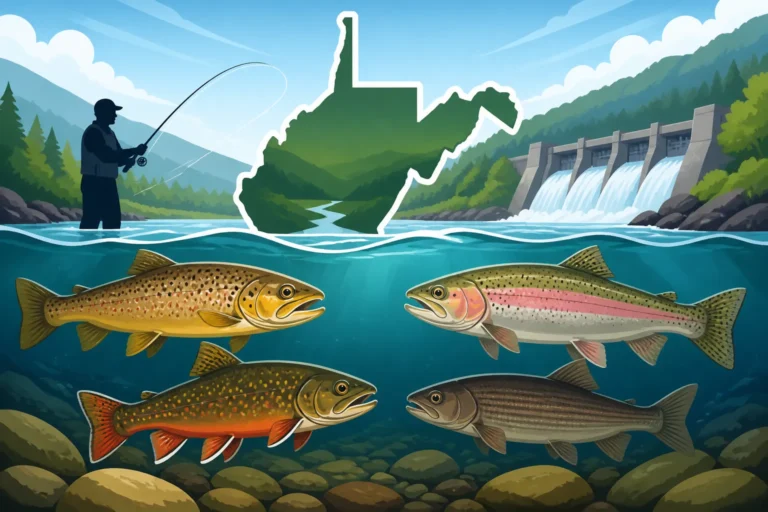
When we talk about trout fishing in West Virginia, we often think of two main categories: the vibrant, often smaller, native wild trout that reproduce naturally in our pristine mountain streams, and the legions of hatchery-reared trout stocked by the West Virginia Division of Natural Resources (WVDNR) to bolster angling opportunities. But there's a third, often overlooked, category that brings an exciting challenge and unique rewards to the table: the holdover trout. These are not your average stocked fish, and recognizing them is the first step to becoming a more effective angler.
Defining a Holdover Trout: More Than Just a Stocked Fish
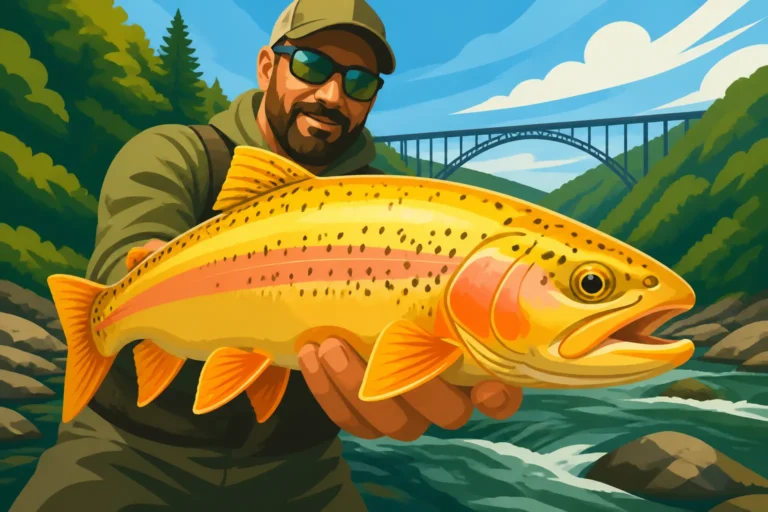
At its core, a holdover trout is a fish that was originally stocked by the WVDNR but has managed to survive at least one spawning season or a significant period beyond its initial release. Instead of being caught within days or weeks of stocking, these fish have adapted to their wild environment, learned to forage naturally, and often grown considerably larger and more robust. They've spent enough time in the stream or lake to shed some of their "hatchery habits" and develop characteristics closer to wild fish, both in appearance and behavior. They're tougher, smarter, and considerably more challenging to catch than their newly released brethren. They’re survivors, and that survival instinct makes them a worthy adversary.
The Journey from Stocking Truck to Survival
Think about the journey for a moment. Trout raised in a hatchery are accustomed to an easy life: consistent food, no predators, and a controlled environment. When they're dumped into a wild West Virginia stream or lake, it's a shock to their system. They have to learn to find natural food sources like insects, crustaceans, and smaller baitfish. They need to locate suitable cover to hide from osprey, otters, and other predators. They must adapt to fluctuating water temperatures, currents, and pH levels. The vast majority don't make it, falling prey to anglers, predators, or simply failing to adapt. The ones that do survive, that do learn these critical skills, become holdovers. These are the fish that have mastered their new world, growing stronger and warier with each passing month. They've earned their stripes, so to speak, and catching one feels like a true accomplishment. The longer they've been in the wild, the more "wild" they become.
Why Holdovers are a Different Kind of Challenge
Catching a freshly stocked trout can be fun, especially for beginners or those introducing kids to fishing. They're often eager to bite, having not yet experienced the pressures of angling. Holdover trout, however, are a completely different beast. They've seen it all. They've dodged lures, avoided nets, and likely learned to associate anglers with danger. This makes them incredibly wary, requiring more subtle presentations, specialized gear, and a deep understanding of their environment. You can't just throw any old bright PowerBait at them and expect success. They'll scrutinize your offering, feel the vibration of heavy footsteps on the bank, and vanish into cover at the slightest hint of trouble. This elevated difficulty is precisely why many experienced anglers in West Virginia actively seek them out – the reward of outsmarting a truly acclimated fish is immense. It's not just about the size of the fish, but the satisfaction of the challenge.
Where to Find West Virginia's Elusive Holdover Trout
Finding holdover trout isn't as simple as checking the West Virginia Trout Stocking Hotline and Schedule and heading to the latest stocking point. While they originated from these areas, their survival hinges on their ability to find and utilize prime habitat. These fish aren't content to mill about in open pools waiting for an easy meal; they've become masters of efficiency and self-preservation.
Habitat Sweet Spots: Depth, Cover, and Food
Holdover trout gravitate towards specific types of habitat that offer a combination of safety, ample food, and favorable water conditions. Think of it as real estate for fish.
Firstly, depth is crucial. Deeper pools provide thermal refuge during warmer months when stream temperatures can become lethal for trout. They also offer a sense of security from overhead predators. Look for sections of a stream or lake where the bottom drops off significantly, creating dark, cool pockets.
Secondly, cover is non-negotiable. This could be anything from large boulders and submerged logs to undercut banks and dense aquatic vegetation. Cover provides ambush points for feeding and critical hiding spots from both aerial and terrestrial threats. A holdover trout isn't going to sit in plain sight; it will be tucked away, surveying its surroundings. Best Trout Streams in West Virginia often feature these types of complex habitats.
Thirdly, access to a reliable food source is paramount. Holdovers are opportunistic feeders, so areas that funnel insects, baitfish, or even crawfish will be highly attractive. This often means the edges of currents, seams where fast water meets slow, and areas downstream from riffles where food gets dislodged and carried.
Factors Influencing Holdover Survival in West Virginia
Several environmental factors significantly impact the likelihood of trout holding over in West Virginia's waters.
Water Temperature: This is perhaps the most critical factor. Trout, especially rainbow and brown trout, need cold, oxygen-rich water to thrive. Streams or lakes that maintain cool temperatures year-round, even during the heat of summer, are prime candidates for holdovers. Waters with consistent spring feeds or deep sections that resist warming are key.
Water Flow and Clarity: Stable water flow without extreme fluctuations (like flash floods or severe droughts) contributes to a more consistent food supply and less stress on the fish. Clear water means holdovers are warier, but it also means healthier ecosystems.
Predator Pressure: Waters with high populations of avian predators (herons, osprey), mammalian predators (otters, mink), or even larger predatory fish (like muskie or big bass) can limit holdover numbers. However, the holdovers that survive in these environments are often even more astute.
Angling Pressure: Heavily fished waters might have fewer holdovers simply because they're caught. However, the holdovers that do persist in these areas are often incredibly wise and challenging to catch, making them prized targets for dedicated anglers.
Key Water Bodies Known for Holdovers
While the WVDNR stocks countless miles of streams and acres of lakes, some locations in West Virginia are particularly renowned for their holdover trout populations due to a combination of favorable habitat and water conditions.
Many of the larger, deeper reservoirs can host excellent holdover populations. Lakes like Summersville Lake, Stonewall Jackson Lake, and Cheat Lake, while known for other species, have deep, cold water in certain areas where stocked trout can survive for years, growing to impressive sizes.
River systems with sustained cold water, often fed by mountain springs or tailwaters below dams, are also excellent holdover producers. The Elk River, particularly its tailwater sections, is famous for its large brown trout, many of which are holdovers. Similarly, sections of the Cranberry River and Williams River, with their challenging but rewarding conditions, can produce fantastic holdover opportunities. Even some of the larger creeks that are heavily stocked each year can surprise you with a few chunky holdovers if they have adequate depth and cover.
| Characteristic | Freshly Stocked Trout | Holdover Trout | Wild Trout |
|---|---|---|---|
| Appearance | Often duller fins, sometimes worn | Brighter, more vibrant colors, better fin condition | Pristine fins, strong colors, natural patterns |
| Behavior | Less wary, often school, easy to catch | Wary, hide in cover, selective, fight hard | Extremely wary, territorial, fight very hard |
| Diet | Pellet-fed, adapts to natural food | Primarily natural insects, baitfish, crustaceans | Exclusively natural diet |
| Size/Growth | Uniform size, hatchery-controlled | Larger, robust, varied sizes, faster growth in wild | Size varies by stream productivity, often smaller |
| Survival Rate | Low post-stocking | Moderate to high, proven survivors | High, self-sustaining populations |
| Location | Near stocking points, open water | Deep pools, heavy cover, current seams | Remote, pristine headwaters, specific niches |
| Angling Difficulty | Easy | Challenging | Very challenging |
Strategies and Gear for Targeting Holdover Trout
Successfully landing a holdover trout requires a shift in mindset and tactics from your typical stocked trout approach. These fish are smarter, warier, and stronger. You need to become a stealthy hunter, understanding their movements and preferences, and then presenting your offering with precision. This is where the true art of trout fishing shines.
Adapting Your Approach: Lures, Baits, and Flies
When it comes to lures and baits, subtlety and natural presentation are key.
For Spin Fishing:
Forget the bright, flashy lures you might use for aggressive stockers. Instead, opt for smaller, more natural-looking presentations. Amazon has a great selection of micro-jigs, small inline spinners with natural blade finishes (like brass or copper), and tiny soft plastics that imitate aquatic insects or crawfish. Retrieving these slowly and deliberately, focusing on the deeper sections and near cover, will increase your chances. Try to mimic natural prey movements – a crawfish scuttling, a minnow darting. Small, natural-colored crankbaits that dive to the depth of the pool can also be highly effective. Don't be afraid to experiment with different retrieve speeds until you find what triggers a strike.
For Bait Fishing:
While holdovers prefer natural food, sometimes a well-presented live bait can be irresistible. Small live minnows, worms, or even hellgrammites (if legal and obtainable) can be deadly. Rig them with as little weight as possible, allowing them to drift naturally with the current into deeper pools or under cut banks. PowerBait, while excellent for fresh stockers, is generally less effective on holdovers unless it's a particularly subtle, natural color and presentation.
For Fly Fishing:
This is often the most rewarding method for holdovers. They are incredibly selective, keying in on specific insect hatches or subsurface nymphs. You'll need to "match the hatch," meaning using fly patterns that closely imitate the natural insects present in the stream at that time. During warmer months, terrestrial patterns like ant, beetle, or grasshopper imitations can be very effective, especially near grassy banks. Nymphing with patterns like prince nymphs, pheasant tails, or caddis larvae imitations in deeper runs and pockets will often produce strikes when fish are feeding subsurface. Don't forget streamers; patterns that imitate baitfish or crawfish can entice larger holdovers looking for a substantial meal, especially in the larger rivers. Fly Fishing for Trout in West Virginia offers excellent insights into specific patterns and techniques.
Essential Gear for the Savvy Holdover Angler
Your gear needs to be up to the task of not only landing a strong-fighting holdover but also helping you present your offering subtly enough to get a bite in the first place.
Rods and Reels: A longer, lighter rod (7-9 feet for spinning, 7-10 feet for fly) will give you better line control, allowing for more natural drifts and softer presentations. Pair it with a smooth reel that has a reliable drag system, as holdovers will test it. For fly fishing, a 4- or 5-weight rod is usually sufficient, but if you're targeting truly big holdovers on larger rivers, a 6-weight might be in order. Best Gear for West Virginia Trout Fishing often highlights specific recommendations.
Line and Leader: This is where many anglers make mistakes. Heavy, visible line will spook wary holdovers. Use light fluorocarbon line or leader for invisibility, typically 4-6 lb test for spinning and tippet ranging from 4x to 6x for fly fishing, depending on water clarity and fly size. Fluorocarbon sinks faster than monofilament and has less stretch, which helps with hook sets.
Waders and Boots: Stealth is paramount. Quality waders and wading boots with good grip are essential for safely navigating rocky stream beds and positioning yourself to make precise casts without spooking fish. Amazon offers a wide array of durable waders and boots from reputable brands like Simms and Orvis. A sturdy wading staff can also be a lifesaver, especially in faster currents or on slippery rocks.
Landing Net: A soft, rubberized landing net is crucial for the health of the fish, especially if you plan on releasing it. It minimizes damage to their protective slime coat and fins. West Virginia Catch and Release Rules for Trout emphasizes safe handling practices.
Reading the Water for Holdover Success
Holdovers aren't found just anywhere; they have specific preferences. Learning to "read the water" – identifying prime habitat – is probably the most important skill for a holdover hunter.
Current Seams: Look for areas where faster currents meet slower water. These "seams" are natural highways for insects and baitfish, and holdovers will position themselves along these edges, expending minimal energy while waiting for food to drift by.
Undercut Banks and Log Jams: These provide excellent overhead cover and deep, dark hiding spots. Fish your lure or fly tight to these areas, being prepared for an immediate strike as the fish ambushes your offering.
Deep Pools and Eddies: As mentioned, depth provides security and thermal refuge. Eddies, the slower swirling water behind obstructions, can also hold fish as they offer a break from the main current and collect food.
Riffles and Runs: While holdovers typically prefer deeper, slower water, they will move into productive riffles and runs to feed, especially during low light conditions or when a strong hatch is occurring. Don't overlook the transition zones where a riffle deepens into a pool.
The Ethics and Rewards of Chasing Holdovers
Targeting holdover trout is not just about the thrill of the catch; it's also about appreciating the resilience of these fish and engaging in responsible angling practices. Knowing the difference between a holdover and a truly wild fish is important for conservation efforts and ensuring the health of our state's aquatic ecosystems.
Distinguishing Holdovers from Wild Trout: A Critical Skill
While holdovers have adapted to a wild diet and environment, they often retain some subtle characteristics that distinguish them from truly wild, stream-born trout.
Fin Condition: Wild trout typically have perfect, unblemished fins. Holdovers, having spent time in a hatchery, might show signs of past fin erosion, even if they've regrown significantly in the wild. While their fins will be much better than a fresh stocker, they might not be as pristine as a fish that has spent its entire life in the stream.
Coloration: Wild trout generally have more vibrant, natural coloration that blends perfectly with their specific habitat. Holdovers, while improving in color, might still have slightly duller hues or patterns that aren't quite as defined as a wild fish.
Snout/Jaw: Some holdovers might show slight deformities or abrasions on their snouts from rubbing against hatchery tanks, even years after being stocked.
Size for Age: In many cases, holdovers, especially brown trout, can grow much larger than wild trout of the same age in a nutrient-rich stream because they've had a "head start" with hatchery feeding and then adapted to abundant natural food.
Learning Trout Species Identification Guide for West Virginia can help you distinguish between different types of trout and their origins. This distinction is especially important if you are fishing in waters with special regulations protecting native populations.
The Conservation Angle: Why Holdovers are Important
Holdover trout play a vital, if sometimes understated, role in West Virginia's angling culture. They represent a successful adaptation, a testament to the resilience of these fish, and a bridge between purely stocked fisheries and self-sustaining wild populations. While they are not reproducing at the same rate as truly wild fish in many systems – the vast majority of Do Trout Reproduce Naturally in West Virginia Streams? are wild populations, not holdovers – their presence adds diversity and challenge to our waters.
Furthermore, the pursuit of holdovers often leads anglers to explore lesser-fished sections of streams or to employ more sophisticated, less impactful angling techniques. This increased appreciation for the nuances of trout behavior and habitat indirectly supports broader conservation goals by fostering a deeper respect for the natural environment. When you handle a holdover, treating it with the care of a wild fish through careful catch and release, you're contributing to a healthier fishery.
The Deep Satisfaction of a Hard-Earned Catch
There's a unique satisfaction that comes with catching a holdover trout. It’s not just about the size, though they often are impressive. It's the knowledge that this fish has beaten the odds, survived against challenges, and outsmarted countless other anglers. It’s a fish that has earned its stripes, and by catching it, you've earned yours too.
The fight is often more intense, the maneuvers more calculated, and the subsequent release (if you choose to do so) feels all the more meaningful. These fish represent the pinnacle of accessible trout fishing in many parts of West Virginia – a bridge between the ease of stocked fish and the intense challenge of truly wild trout. It pushes you to become a better angler, to observe more closely, to cast more precisely, and to understand the intricate dance between predator and prey in our beautiful mountain state. So the next time you're on a West Virginia trout stream, keep an eye out for that exceptionally strong, beautifully colored fish – it just might be a holdover, waiting to give you the fight of a lifetime. The gear you find on Amazon can help you refine your tackle box to be ready for these special fish, ensuring you have the right tools for this rewarding pursuit.
Disclaimer
This article is for general informational purposes only and does not constitute professional advice. Laws, prices and regulations vary by location and change over time. Consult a qualified professional for guidance on your specific situation.