Smallmouth Bass Average Size in West Virginia Rivers
It's a question every angler asks, isn't it? You head out to your favorite West Virginia river, cast your line, and when that tell-tale tug comes, a thrill runs through you. But then, as you reel it in, a little voice wonders: "Is this a good one? Is this what an average smallmouth looks like here?" It can be tough to gauge your success when you're not sure what the typical catch actually measures up to. This guide is here to shed some light on the average size of smallmouth bass in West Virginia's incredible river systems, helping you understand what to expect and how to improve your chances of hooking into some real beauties.
Understanding "Average" Smallmouth Bass Size in West Virginia
When we talk about the "average" size of a fish, it's rarely a single, concrete number. Think of it more like a common range, heavily influenced by where you're fishing, the time of year, and even your personal angling skill. West Virginia is blessed with some fantastic smallmouth habitat, and while every river is a little different, there are some general expectations we can set.
What "Average" Really Means for Anglers
For most of us, an "average" smallmouth isn't necessarily a picture-book trophy. It's the fish you're most likely to encounter on a typical outing. It's the bread-and-butter of smallmouth fishing, the one that provides consistent action and keeps you coming back for more. These aren't necessarily the ones that will make the local tackle shop wall, but they're strong, feisty, and an absolute joy to catch.
This "average" often means a fish that's perfectly healthy, vibrant, and a great indicator of a thriving ecosystem. It validates your technique and the health of the water you're fishing. Don't let the pursuit of a "trophy" overshadow the satisfaction of consistently catching solid, average-sized smallmouth; they're the heartbeat of our river fisheries.
General Size Expectations Across WV Waters
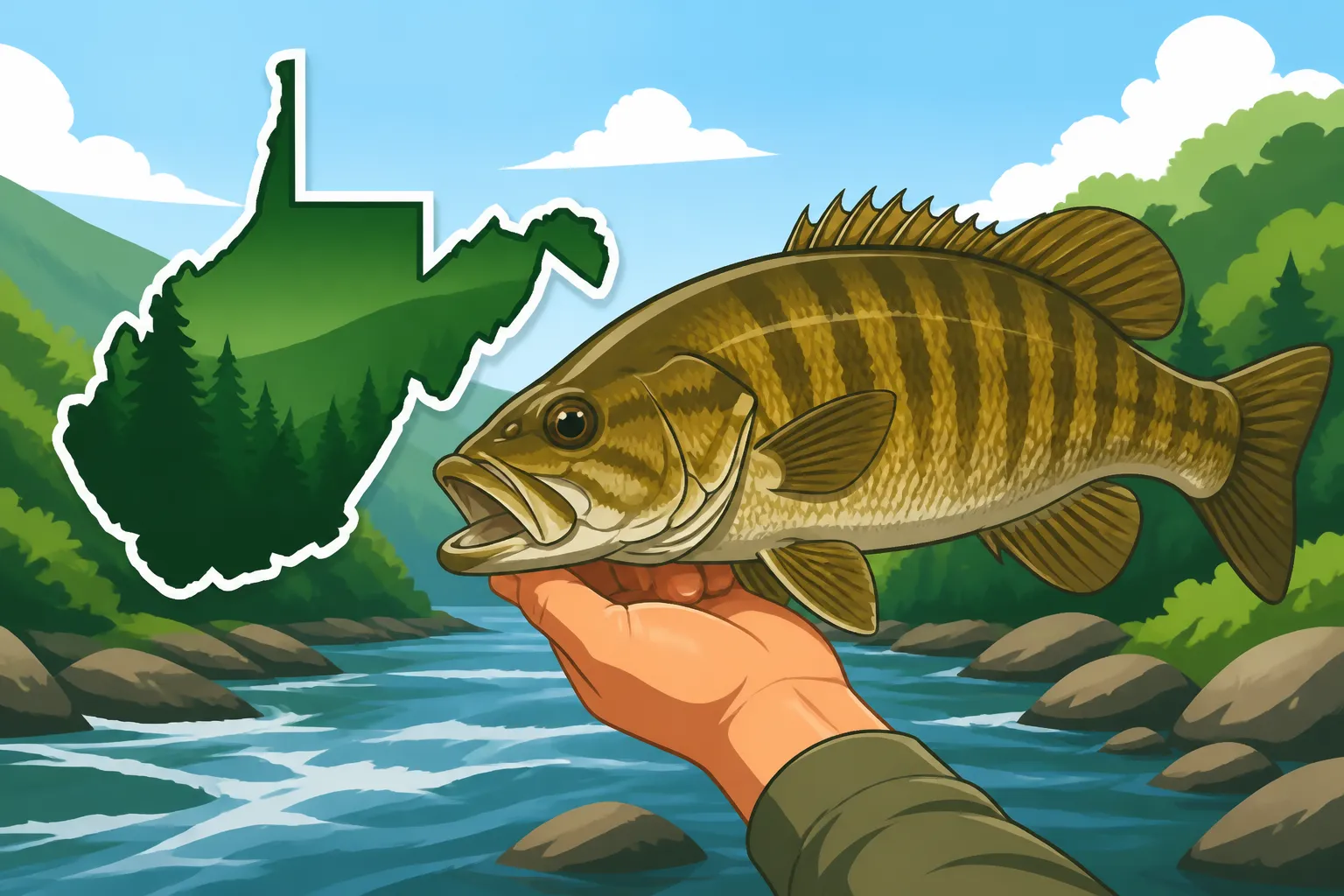
Across the diverse rivers of West Virginia, a commonly encountered smallmouth bass will often fall into the 10 to 14-inch range. These fish are spirited fighters, with that distinctive bronzeback power that makes them so beloved. You'll certainly catch smaller ones, especially in areas with robust populations, and you'll occasionally hook into those larger specimens that make your day.
The fantastic thing about West Virginia's rivers is that even these "average" fish put up an incredible fight in the current. A 12-inch smallmouth in a river can feel like a much larger fish from a still lake. Their powerful dives and acrobatic jumps are what make them so addictive, regardless of whether they hit a new personal best or simply provide a memorable tug on the line.
Key Factors Influencing Smallmouth Size
Why do some rivers seem to consistently produce bigger smallmouth than others? It's not just luck! There's a complex interplay of environmental conditions, food sources, and even human management that dictates how large these incredible fish can grow. Understanding these factors can not only help you find bigger fish but also appreciate the delicate balance of river ecosystems.
Habitat and Water Quality
Smallmouth bass are particular about their homes. They absolutely thrive in rivers with clean, clear, well-oxygenated water that boasts plenty of structure. Think rocky bottoms, submerged boulders, current breaks, riffles, and deep pools. These features provide ambush points for feeding and protection from predators and strong currents. Rivers with these characteristics, like much of the New River Smallmouth Bass Fishing zones, tend to have populations of larger, healthier fish because they offer optimal conditions for growth and survival.
Conversely, rivers with poor water quality, excessive sedimentation, or a lack of suitable structure can limit growth. If a smallmouth has to expend too much energy just to survive or find cover, it won't have the resources to put on significant size. Clean water isn't just good for fishing; it's essential for a robust and sizable smallmouth population.
Food Availability and Forage Base
Just like any growing creature, smallmouth bass need plenty of high-quality food to reach impressive sizes. Their diet primarily consists of crawfish, various baitfish (like shiners and minnows), and aquatic insects. Rivers with an abundant and diverse forage base will naturally support larger smallmouth. Imagine a river teeming with crawfish – that's a buffet for a growing bronzeback!
The type and quantity of available food directly impact how quickly a smallmouth can grow and how much fat reserves it can build up, especially before winter or spawning. Rivers that cycle nutrients effectively and support a rich aquatic invertebrate and baitfish population are often the ones where anglers report catching bigger bass. This is a huge reason why the New River stands out, as it has an incredible abundance of preferred forage for its smallmouth.
Fishing Pressure and Management Practices
Human activity plays a significant role in fish size, especially in popular angling destinations. Rivers with heavy fishing pressure, particularly those where many anglers keep their catches, might see a reduction in the average size over time. This is where thoughtful management practices, like length limits and catch-and-release regulations, become incredibly important.
West Virginia's DNR has implemented various regulations, including West Virginia Black Bass Limits and the New River Slot Limit, to protect larger, spawning-size fish. Catch-and-release practices, encouraged by many dedicated anglers, allow these bigger fish to continue growing and contribute to future generations. These conservation efforts ensure that the thrill of catching a respectable smallmouth isn't just a memory but a continued opportunity for all of us.
Spotlight on West Virginia's Premier Smallmouth Rivers
West Virginia is truly a smallmouth angler's paradise, offering a variety of river experiences, from vast, powerful waterways to intimate mountain streams. While you can find smallmouth in many places, a few rivers stand out for their consistent production of quality fish.
The New River: Home of Trophy Smallmouth
When anglers talk about trophy smallmouth in West Virginia, the New River almost always comes up first. This ancient river, winding through the stunning New River Gorge, is renowned for its incredible smallmouth fishery. The combination of its vast size, diverse rocky structure, deep pools, and abundant forage base—especially its healthy crawfish population—creates an ideal environment for smallmouth to not only survive but thrive and grow to impressive sizes.
It's not uncommon to hear tales of 18-inch, 19-inch, or even 20-inch-plus smallmouth being caught and released from the New. While the average catch might still be in the 12-16 inch range, the potential for a true giant is what draws so many anglers here. If you're looking for that bucket-list smallmouth, the New River should be at the top of your list. For more details on this incredible fishery, check out our New River Gorge Fishing Guide.
South Branch Potomac and Greenbrier Rivers
Beyond the New River, the South Branch of the Potomac River and the Greenbrier River are also stellar smallmouth destinations that consistently produce good numbers of healthy, respectable-sized fish. The South Branch is famous for its picturesque scenery and plentiful smallmouth, often with a slightly smaller average than the New, but still offering plenty of fish in the 12-16 inch class. Its diverse habitat, with riffles, runs, and deep bends, keeps the fish active and challenging to catch. You can learn more in our dedicated guide to South Branch Potomac Smallmouth Fishing.
The Greenbrier River, a designated "National Scenic River," is another gem. Known for its clear waters and long, beautiful floats, it's a favorite for kayak and canoe anglers. The smallmouth here are strong and plentiful, often averaging between 11-15 inches, with larger ones definitely in the mix. The feeling of floating downstream and hooking into a strong Greenbrier bronzeback is an experience every West Virginia angler should have. Find out more about this river in our Greenbrier River Fishing Guide.
Other Notable Smallmouth Waters (Cheat, Kanawha, etc.)
While the big three often get the most attention, don't overlook other fantastic West Virginia rivers for smallmouth bass. The Cheat River, particularly its upper sections and the Cheat Canyon, offers some exciting smallmouth action, often with fish in the 10-14 inch range, providing a great day on the water. It’s a bit more remote in places, offering a truly wild experience. Our Cheat River Fishing Guide has more information.
Even larger, more industrial rivers like the Kanawha River system can surprise you with solid smallmouth catches, especially in its tributaries or around specific structures. While it might not be known for trophy potential like the New, it provides accessible angling and a chance to catch that feisty smallmouth. Explore the Kanawha River Fishing Spots to find some overlooked opportunities. These rivers prove that West Virginia's smallmouth potential stretches far and wide.
The Path to Catching Bigger Smallmouth Bass
So, you're not just happy with the average, you want to consistently hook into those larger, heavier smallmouth bass that make for truly memorable catches. It's certainly achievable, but it requires a bit more intentionality in your approach, from understanding their behavior to selecting the right tools for the job.
Understanding Seasonal Patterns and Spawning
Bigger smallmouth, like most fish, have predictable seasonal patterns. Learning these can drastically improve your odds. During the pre-spawn period in spring, larger females are often gorging themselves to build energy for spawning, making them more aggressive and prone to biting. Post-spawn, while often a bit slower, also sees these fish recovering and feeding heavily. Even in fall, as water temperatures drop, smallmouth become highly active, feeding to prepare for winter, which can lead to some incredible catches.
Understanding the Smallmouth Bass Habits on the New River for different times of the year, particularly around their spawning cycles, can give you a significant edge. Knowing when they are shallow and guarding nests, or when they retreat to deeper pools, allows you to target them more effectively. Always be mindful of local regulations, especially during spawning season, to ensure you're fishing responsibly.
Best Lures and Techniques for Larger Fish
To consistently target bigger smallmouth, you often need to "size up" your presentations. While smaller baits will catch plenty of fish, larger, more substantive lures tend to appeal more to dominant, trophy-sized bass looking for a bigger meal. Think about mimicking their primary forage: crawfish and larger baitfish. Jigs with crawfish imitators, larger crankbaits that dive into prime feeding zones, and realistic swimbaits are all excellent choices.
Soft plastic tubes, football jigs, and topwater poppers can also entice aggressive strikes from big fish, especially at dawn or dusk. Don't be afraid to experiment with different colors and retrieves. Finding the exact right lure can sometimes feel like a treasure hunt, but the reward of a powerful strike from a big smallmouth makes it all worthwhile. If you're looking to stock up on some new options, many anglers find a wide selection of these specialized lures available for purchase on platforms like Amazon, where you can browse various brands and styles.
Smart Angling and Conservation for Future Generations
Catching bigger fish isn't just about technique; it's also about a mindset of conservation. True trophy smallmouth are often older fish, and their continued survival is crucial for the health of the entire fishery. Practicing careful catch and release is paramount, especially with these larger specimens. Handle fish gently, minimize their time out of water, and use proper de-hooking tools.
Consider using single, barbless hooks, or crimp down the barbs on your treble hooks, to make removal easier and less stressful for the fish. Every trophy smallmouth you release has the potential to spawn again, ensuring that future generations of anglers can also experience the thrill of catching a West Virginia bronzeback. It's a small effort that makes a huge difference.
Measuring and Documenting Your Catch
So, you've landed that beautiful smallmouth! Now what? Beyond the immediate thrill, accurately measuring and documenting your catch allows you to keep track of your progress, compare notes with fellow anglers, and contribute to a better understanding of the fishery. It's about celebrating your success responsibly.
Accurate Measurement Techniques
Getting an accurate measurement of your smallmouth bass is pretty straightforward, but a few best practices can help. For length, use a bump board or a flexible tape measure. Lay the fish flat on its side, gently but firmly against the bump board's upright end, with its mouth closed. Extend the tail to its natural position (don't squeeze it), and note the measurement to the nearest quarter or eighth of an inch. For girth, wrap a flexible tape measure around the widest part of the fish's body.
Remember to keep the fish wet and minimize its time out of the water while measuring. A wet measurement device is also less likely to remove the fish's protective slime coat. If you're solo, having a measurement board ready and easily accessible can make the process quicker and less stressful for the fish.
The Thrill of the "Personal Best" (PB)
While state records are impressive, for most of us, chasing a "personal best" (PB) is the real game. There's an immense satisfaction in knowing you've topped your previous biggest fish from a particular river or even nationwide. Every time you head out, you're not just fishing; you're challenging yourself to do better, to learn more, and to connect with nature in a deeper way.
Keeping a log of your PBs, complete with measurements and photos (if possible), adds another layer of enjoyment to the sport. It's not about comparing yourself to others, but about celebrating your own growth as an angler. Even if it's just a half-inch longer than your last best, that's a win!
Here’s a general idea of how smallmouth bass sizes are often classified by anglers:
| Classification | Length (Inches) | Description |
|---|---|---|
| Average Catch | 10 – 14 | The most common size encountered, great fighting fish. |
| Good Catch | 14 – 17 | A solid, respectable fish, often showing more girth and power. |
| Trophy Potential | 17 – 19 | An exceptional fish, often displaying significant age and impressive strength. |
| True Trophy | 19+ | Rare and highly sought-after, representing the pinnacle of the species' growth. |
Essential Gear for Responsible Catch and Release
To ensure your big catches survive to fight another day, having the right tools is crucial. A good quality, rubberized landing net is indispensable. The soft, knotless mesh protects the fish's delicate fins and slime coat, and it makes handling a large, energetic smallmouth much safer for both you and the fish. Investing in a Best Landing Net for Trout or even larger for bass ensures you can safely secure your catch boat-side or bank-side.
Additionally, a pair of long-nose pliers or a dedicated hook remover is essential for quickly and cleanly extracting hooks, especially if the fish has swallowed the bait deep. These tools minimize injury and handling time. Many anglers find a comprehensive selection of these essential tools, from quality nets to specialized hook removers, readily available on Amazon, making it easy to prepare for responsible angling adventures.
Smallmouth Bass Growth Rates and Life Expectancy
Understanding how quickly smallmouth bass grow and how long they live provides valuable insight into the dynamics of our rivers and the importance of conservation. It sheds light on why those truly massive smallmouth are so special and relatively rare.
How Quickly Do They Grow?
The growth rate of a smallmouth bass isn't fixed; it's a dynamic process influenced by several factors. In West Virginia's cooler, clear rivers, smallmouth typically grow at a moderate pace. A fingerling might reach 6-8 inches in its first year, then add a few inches annually. However, this depends heavily on water temperature, which affects their metabolism, and, most importantly, the abundance of food. In rivers with a rich forage base, smallmouth can grow faster and reach larger sizes more quickly than in nutrient-poor environments.
Genetic factors also play a role; some fish simply have the genetic predisposition to grow larger. However, an 18-inch smallmouth in West Virginia is likely several years old, often 6-8 years or even more, having successfully navigated numerous challenges from predators and anglers alike.
Longevity and Age Classes
Smallmouth bass are not short-lived fish. In ideal conditions, they can live for a decade or even longer. Fish in the 15-inch range might be 4-6 years old, while those truly trophy-sized fish pushing 20 inches could be 8-10 years old or more. Each age class plays a vital role in the river's ecosystem. The younger fish provide food for larger predators and represent the future of the fishery.
The older, larger fish are often the most effective spawners, contributing significantly to the genetic health and overall population stability. Losing too many of these mature fish to overfishing can have long-term negative impacts on the average size and overall abundance of smallmouth in a river. This is why careful management and angler self-regulation are so critical.
The Importance of Protecting Brood Stock
The largest smallmouth bass, particularly the large females, are often referred to as "brood stock." These are the proven breeders, the fish that have survived multiple spawning cycles and successfully reproduced, contributing their strong genetics to the next generation. Protecting these individuals is perhaps the most important aspect of maintaining a healthy, vibrant, and trophy-producing fishery.
Regulations like slot limits, where fish within a certain size range must be released, are specifically designed to protect these crucial brood stock fish, allowing them to continue their vital role in the ecosystem. When you release a large smallmouth, you're not just letting one fish go; you're investing in the future of the entire fishery, ensuring that the next time you visit a West Virginia river, the chance of hooking into an impressive bronzeback remains strong.
Disclaimer
This article is for general informational purposes only and does not constitute professional advice. Laws, prices and regulations vary by location and change over time. Consult a qualified professional for guidance on your specific situation.