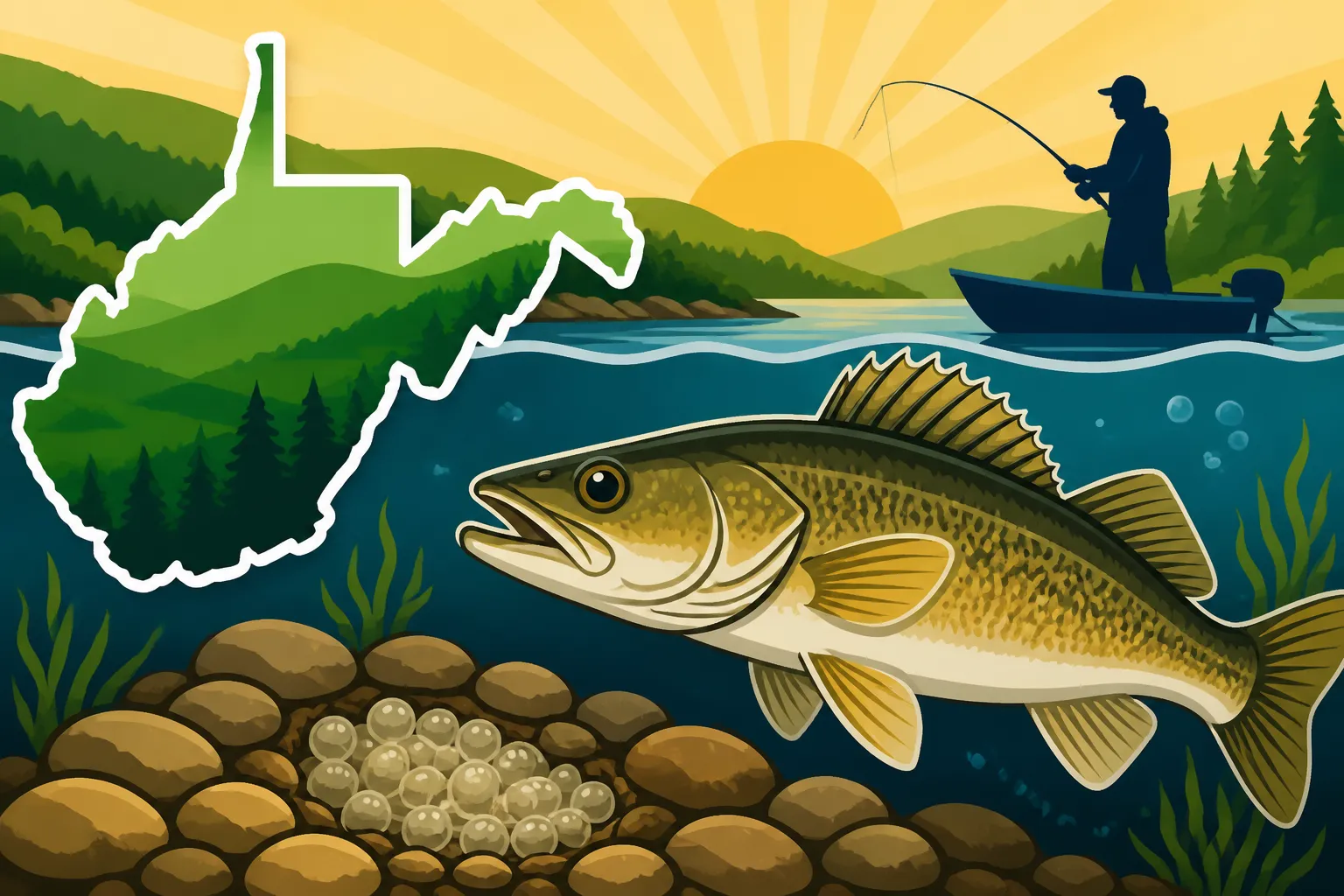
When walleye spawn in West Virginia
If you've spent any time chasing those elusive, golden-eyed walleye in West Virginia, you know they can be incredibly predictable one day and seemingly vanish the next. This frustrating phenomenon often leaves anglers scratching their heads, wondering where all the fish went or, more importantly, when they'll show up again. The truth is, a huge part of understanding walleye behavior, and thus how to catch them, revolves around their spawning cycle. Knowing when walleye spawn in West Virginia is absolutely critical for deciphering their seasonal movements and developing successful fishing strategies.
The Early Spring Signal: When Walleye Truly Start to Think About Spawning
For many West Virginia anglers, the late winter chill still bites, but beneath the surface, the natural world is already stirring. Walleye, with their keen sense of changing conditions, are beginning to feel the urge to reproduce long before the trees bud out. Their internal clocks are ticking, and their bodies are preparing for the monumental task of continuing their species. This preparation period, often called pre-spawn, is a fascinating time to be on the water.
The Calendar Clue: General Timing in West Virginia
While nature doesn't operate strictly by dates on a calendar, we can certainly identify a general window for walleye spawning in the Mountain State. Typically, you can expect walleye to begin their spawning rituals in West Virginia from late March through mid-April. This timing isn't a hard-and-fast rule, though, and it can fluctuate quite a bit based on local conditions each year. A mild winter and an early spring can push things up, while a prolonged cold spell can delay the entire process. Think of it less as a single date and more as a dynamic period where everything comes together. For instance, the rivers warming up will often trigger walleye to run upstream earlier than reservoir fish might move into shallower, rocky areas. The important thing to remember is that this period is when their focus shifts from feeding heavily to preparing for reproduction. You might even find them migrating in a river like the Kanawha River Fishing Spots in preparation.
Water Temperature: The Unmistakable Trigger
If the calendar gives us a general idea, then water temperature is the absolute, undeniable, scientific trigger for walleye spawning. These fish are incredibly attuned to specific thermal ranges, and they won't initiate spawning until the water reaches their preferred temperature threshold. In West Virginia, walleye typically start their spawning activity when water temperatures consistently hold between 42 to 50 degrees Fahrenheit (approximately 5.5 to 10 degrees Celsius).
When you're out on the water, whether you're on Summersville Lake Walleye Fishing or a river, having a reliable way to check the water temperature is invaluable. Many modern fish finders have this capability built right in, giving you real-time data. But if you're working with older equipment or simply prefer a low-tech approach, a good quality fishing thermometer, readily available from online retailers like Amazon, is a crucial tool in your tackle box. Checking the temperature in different areas of a lake or river can help you pinpoint exactly where the walleye might be staging or actively spawning. I've often seen anglers waste hours fishing cold pockets when just a short move to a slightly warmer, shallower area, where the sun has had more time to work its magic, could have put them right on the fish.
Where the Magic Happens: Identifying Walleye Spawning Grounds
Understanding the "when" is just one piece of the puzzle. To truly dial in your walleye fishing during the spawn, you need to know the "where." Walleye are particular about their spawning habitat, seeking out specific types of bottom structure and water flow to ensure the survival of their eggs. These locations are often predictable, making it easier for anglers to target them if they know what to look for.
River and Stream Spawning Habits
In West Virginia's extensive river systems, walleye exhibit classic river spawning behavior. They tend to migrate upstream from deeper pools or larger rivers into tributaries or shallower sections of the main river. Their ideal spawning grounds are characterized by clean, gravelly, or rocky bottom areas with moderate current. The current is crucial because it helps oxygenate the eggs and prevent silt from settling on them. You'll often find them congregating below riffles, rapids, or around current breaks where the water is still moving but not so swift that it washes the eggs away.
Think about areas where smaller creeks flow into a larger river, or where the river narrows and creates faster flow over a rocky bottom. These are prime candidates for walleye spawning. I've had some incredible days fishing these types of areas on tributaries of the Ohio River Fishing Guide for West Virginia Anglers during the peak of the run. It's not uncommon to find several fish grouped up in a relatively small area, all waiting for the right moment to drop their eggs. The males typically arrive first, clearing small depressions in the gravel, and then the females move in when conditions are perfect.
Lake and Reservoir Spawning Preferences
Lakes and reservoirs present a slightly different scenario, but the core preferences for rocky, clean bottoms remain. In these larger bodies of water, walleye will seek out rocky shorelines, submerged humps, points, and even rip-rap along dams or bridges. Any area with hard, clean bottom structure that's exposed to wave action or current (especially near inlets or outflows) can be a potential spawning ground.
The key difference here is often the depth. While river walleye might spawn in very shallow water, lake walleye often prefer depths of a few feet up to 10-15 feet, especially in larger, clearer reservoirs. The wave action on exposed points helps keep the eggs aerated, mimicking the current in a river. Places like Tygart Lake Fishing Guide or the larger coves on Stonewall Jackson Lake Fishing that have significant rocky structure could hold spawning walleye. Remember that walleye are low-light spawners, so while they stage during the day, much of the actual egg-laying can happen under the cover of darkness or in very low light conditions. If you're out fishing in the early morning or late evening during the spawn, you're often hitting them at their most active.
Navigating the Spawn: Fishing Before, During, and After
Knowing the spawning cycle helps you understand not just where the walleye are, but how they're behaving. This knowledge allows you to adjust your tactics and increase your chances of success significantly. The pre-spawn, spawn, and post-spawn periods each offer unique opportunities and challenges for anglers.
Pre-Spawn Aggression: Targeting Hungry Walleye
This is arguably one of the best times of year to target larger walleye. In the weeks leading up to the actual spawn, walleye, especially the females, are focused on packing on as much energy as possible. They need these reserves to produce and carry their eggs. This translates into a period of heavy feeding, often characterized by aggressive strikes. They're not actively spawning yet, but they're on the move, congregating near staging areas close to their eventual spawning grounds.
During this time, walleye can be found in deeper holes adjacent to rocky points, along channel edges, or in current seams just downstream from riffles in rivers. They're often looking for substantial meals. Larger jerkbaits, deep-diving crankbaits, or even big shiner minnows presented on jigs can be incredibly effective. Consider a quality casting rod with sensitive action to feel those subtle bites, something you can easily browse and purchase from Amazon to ensure you have the right gear. Vertical jigging with heavy spoons or blade baits can also be deadly when you locate a school of pre-spawn walleye holding tight to structure. This is a prime opportunity to land a trophy fish before they get completely preoccupied with reproduction.
Post-Spawn Recovery: Finding the Feeding Fish
Once the spawn is over, both male and female walleye are exhausted. The females have expended immense energy producing and laying thousands of eggs, and the males have been tirelessly guarding territories and fertilizing them. Their primary concern immediately after the spawn is recovery. They'll typically move off the shallow spawning beds into slightly deeper, more secure areas where they can rest and regain strength.
However, this recovery period doesn't last long before hunger sets in again. These fish are depleted and need to replenish their energy stores, leading to another strong feeding bite, though often not as aggressive as the pre-spawn. They'll often shift their diet to smaller, easier-to-catch baitfish or invertebrates. Your tactics should reflect this. Lighter jigs tipped with soft plastics, slow-rolled spinnerbaits, or live bait presentations like nightcrawlers or leeches (where legal) can be very effective. Look for them in transition areas: slightly deeper edges of spawning flats, submerged wood, or humps where they can ambush passing baitfish. As the water continues to warm, they'll spread out and move towards their summer patterns, which might include deeper structures, as explored in How deep walleye go in summer.
Fishing During the Spawn: A Delicate Balance
Fishing directly during the peak of the walleye spawn can be a contentious topic among anglers. While it's certainly possible to catch fish that are actively spawning, many anglers choose to reduce pressure on these vulnerable fish during this critical period to ensure future populations. West Virginia has specific West Virginia Walleye Daily and Possession Limits, which are important to adhere to, especially during sensitive times.
If you do choose to fish during the spawn, remember that the fish are primarily focused on reproduction, not feeding. Bites might be very subtle, often more of a "thump" or spongy feel than a hard strike. Presenting baits slowly and directly to areas where you suspect fish are staging or spawning is key. Vertical presentations with jigs or small live bait rigs are often the most effective, keeping the offering right in their face. However, always prioritize responsible angling practices and consider releasing fish carefully to allow them to complete their natural cycle. For insights on appropriate gear, checking out guides like Best Jigs for West Virginia Walleye can be helpful.
Why Understanding the Spawn Matters for West Virginia Anglers
Understanding the walleye spawn isn't just about catching more fish (though that's certainly a nice bonus!). It's about becoming a more knowledgeable and responsible angler, fostering a deeper connection to the natural cycles of the waters you love, and ultimately, ensuring healthy fish populations for years to come.
Conservation and Responsible Angling
Walleye populations, while generally robust in West Virginia, benefit immensely from informed angling practices. When you understand the vulnerabilities of fish during their spawning period, you can make conscious decisions that contribute to conservation. This might mean voluntarily avoiding known spawning areas during peak times, opting for catch-and-release, or minimizing handling time if you do land a spawning fish.
Knowledge of the spawn also helps you appreciate the incredible life cycle of these fish. Each female walleye can lay tens of thousands of eggs, and their success depends heavily on clean water, suitable habitat, and minimal disturbance. By respecting the spawn, we play a small but significant role in safeguarding the future of Walleye Fishing in West Virginia. It's not just about the thrill of the catch; it's about being a steward of our natural resources, ensuring that future generations can also experience the joy of chasing these magnificent fish.
Predicting Walleye Movements and Behavior
Beyond conservation, understanding the spawn is a powerful predictive tool. It unlocks the secrets to walleye movements throughout the year. If you know when and where they spawn, you can logically deduce where they'll be before and after the event. This allows you to plan your fishing trips more effectively, making the most of your time on the water.
Instead of randomly casting, you can focus your efforts on specific locations and use techniques tailored to their current behavior. For example, knowing that walleye will be migrating to rocky river sections in early spring can guide you to explore those areas first. Once the spawn is over, you'll know to look for them transitioning to deeper structure or congregating in cooler waters, a topic further explored in Best Time of Year to Fish in West Virginia. This knowledge transforms your fishing from guesswork into a strategic pursuit, making you a more efficient and successful angler overall. Whether you're drift fishing a river or employing Trolling Techniques for West Virginia Lake Walleye, knowing the spawn's impact will refine your approach.
Ultimately, the walleye spawn is a fundamental cornerstone of their existence, and for us anglers, it's a vital piece of information. Embrace the knowledge, respect the cycle, and you'll find yourself not only catching more walleye but also gaining a much richer appreciation for the wild wonders of West Virginia's waters. For those interested in the bigger picture of fish species in the state, understanding What walleye eat in West Virginia lakes is another puzzle piece.
| Factor | Description | Typical Timing/Range |
|---|---|---|
| Water Temperature | The primary environmental trigger for walleye to begin spawning. | 42-50°F (5.5-10°C) |
| Peak Spawning | The period when the majority of walleye are actively reproducing. | Late March to Mid-April |
| Location | Shallow, clean, rocky or gravelly areas in rivers or lakes. | River Riffles, Lake Points |
| Conditions | Often occurs during low light hours (dawn, dusk) or even at night. | Low Light |
| Duration | The overall spawning event for a population in an area can last weeks. | 1-3 Weeks (per location) |
| Pre-Spawn Behavior | Aggressive feeding to build energy reserves before spawning. | 2-4 Weeks prior to spawn |
| Post-Spawn Behavior | Recovery period followed by renewed feeding to regain strength. | 1-3 Weeks post-spawn |
Disclaimer
This article is for general informational purposes only and does not constitute professional advice. Laws, prices and regulations vary by location and change over time. Consult a qualified professional for guidance on your specific situation.