What walleye eat in West Virginia lakes
Understanding what walleye eat in West Virginia lakes is key to catching them, and it can sometimes feel like solving a mystery. Anglers often struggle because walleye can be notoriously finicky, with their diets shifting based on everything from season to water temperature and even time of day. This guide will pull back the curtain on the walleye's menu in our Mountain State waters, helping you decipher their feeding habits and ultimately, improve your success on the water.
The Walleye's Core Diet: Baitfish Abundance
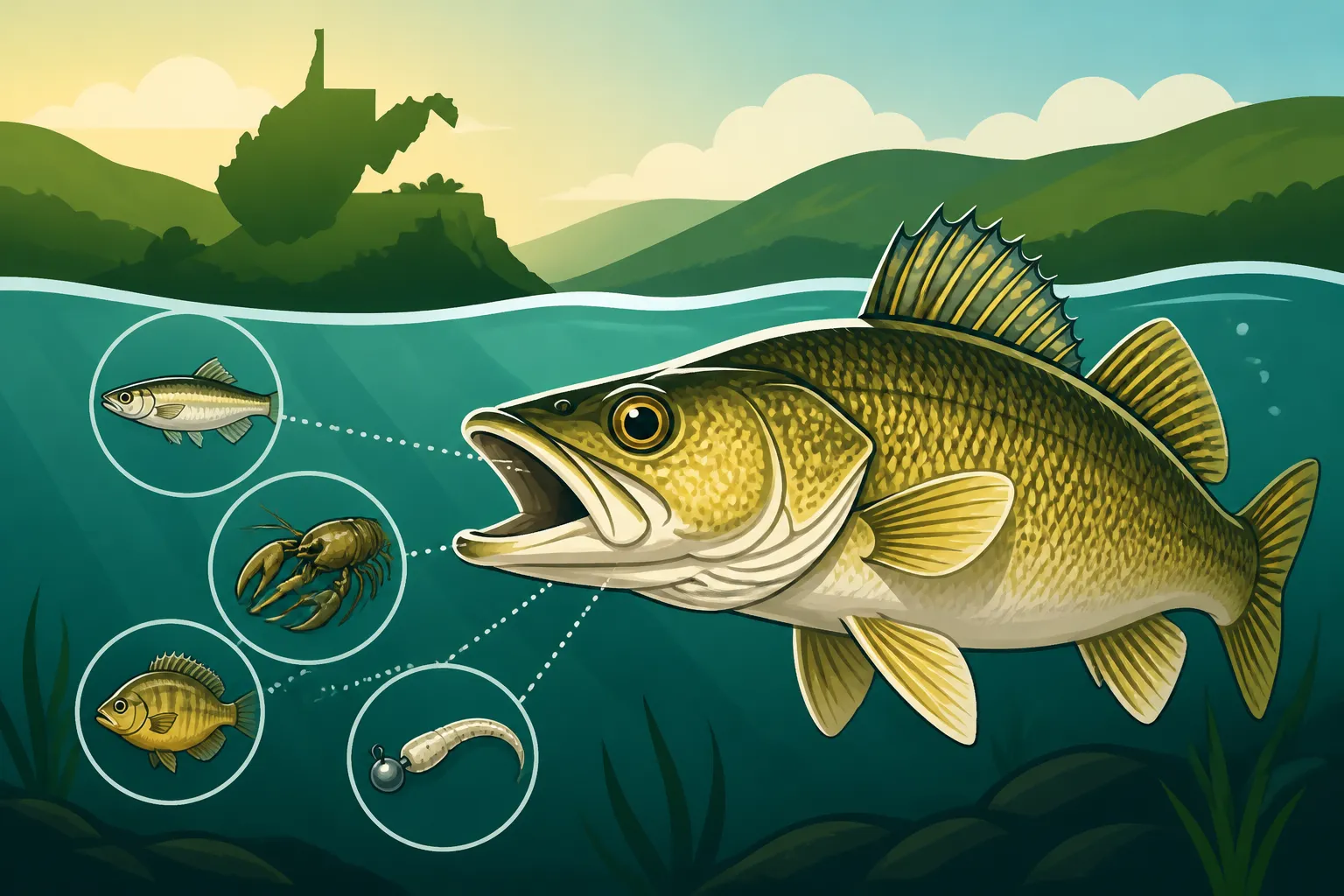
When you talk about what walleye eat, the first and most dominant answer has to be baitfish. Walleye are predators through and through, built to chase down and consume smaller fish. Their keen eyesight, especially in low light conditions, gives them a distinct advantage when hunting these schools of bait. It's a fundamental truth that where you find an abundance of small, forage fish, you'll likely find walleye lurking nearby. This isn't just about survival for them; it's about energy efficiency – packing the most nutritional punch with the least effort.
Think about the classic image of a predator in the wild; the walleye fits that mold perfectly underwater. Their sleek, torpedo-shaped bodies and sharp teeth are designed for capturing fleeing prey. They don't typically graze or scavenge; they hunt. This predatory nature is what makes them such an exciting target for anglers, as understanding their pursuit of baitfish unlocks many secrets to their behavior. If you can locate the food, you're halfway to locating the fish.
Shad, Minnows, and Alewives: The Staple Diet
Across many of West Virginia's premier walleye lakes, like Summersville Lake, Tygart Lake, and Stonewall Jackson Lake, species such as gizzard shad, emerald shiners, and various other minnow species form the backbone of the walleye's diet. These smaller, schooling fish are present in vast numbers, providing a consistent and easy-to-target food source. Walleye will actively follow these baitfish schools, often pushing them against structure or into open water where they can pick them off with surgical precision.
Gizzard shad, in particular, are a favorite in many of our larger reservoirs. They reproduce quickly and grow to a size that's perfect for a walleye meal. When you see schools of shad flickering near the surface or marked on your sonar, you can bet that hungry walleye aren't far behind. Understanding this dynamic is crucial for anglers; if the shad are suspended at 20 feet, the walleye are likely right there with them, or just below, waiting for an opportunity. Mimicking these prevalent baitfish with your lures is often the most effective strategy.
Alewives, though less widespread than shad in West Virginia, can also be a significant forage base where they exist. Like shad, they are open-water schooling fish that walleye will key in on. Knowing which baitfish species are dominant in your chosen lake or river system can give you a massive advantage. For instance, if you're fishing a lake known for a strong shiner population, selecting lures that match the size, color, and action of those shiners will likely produce more strikes.
Yellow Perch and Other Young Panfish
While shad and minnows are primary targets, walleye aren't above preying on the young of other fish species, especially yellow perch and other panfish like juvenile crappie or bluegill. Yellow perch, in particular, are common in many of the same waters as walleye, and their fry and fingerlings provide a readily available food source. As opportunistic predators, walleye will take advantage of any easy meal, and a slow-moving, vulnerable young perch is often too tempting to pass up.
This becomes especially true in environments where yellow perch are abundant, such as certain parts of the Ohio River or specific mountain lakes. Walleye will patrol weed lines, drop-offs, and rocky points where these smaller fish seek shelter. The distinct barred pattern of a yellow perch is something many walleye are hardwired to recognize as food, making perch-colored lures incredibly effective at times.
Even the young of game fish, like small bass or even other walleye, can become prey if they are small enough and present an easy target. This isn't a primary food source, but it highlights the walleye's pragmatic approach to feeding. If it fits in their mouth and looks like an easy meal, they'll likely consider it. This broader perspective of their diet is important because it means anglers shouldn't get too fixated on just one type of baitfish; sometimes, a lure mimicking a tiny crappie or sunfish will be exactly what they're looking for.
Beyond Baitfish: A More Varied Diet
While baitfish are undeniably the cornerstone of the walleye's diet, it would be a mistake to think that's all they ever eat. Walleye are surprisingly adaptable and will broaden their culinary horizons when the opportunity arises, or when preferred baitfish are scarce. This flexibility is what allows them to thrive in diverse aquatic environments across West Virginia, from expansive impoundments to smaller river sections. Ignoring these secondary food sources can mean missing out on key feeding windows or productive patterns, especially when the fish are in a less aggressive, non-chasing mood.
Understanding these dietary nuances is part of becoming a truly skilled walleye angler. It means being prepared to present something different when the typical baitfish imitations aren't getting bit. Sometimes, the walleye aren't actively hunting fast-moving schools but are instead rooting around in the substrate for a crunchy treat. This shift in behavior often corresponds to changes in water temperature, current, or even the time of day, pushing them towards a more varied menu.
Crayfish and Aquatic Insects
Crayfish are a hugely underestimated food source for walleye in many West Virginia lakes and rivers. Found crawling on rocky bottoms, under submerged logs, and around aquatic vegetation, these crustaceans provide a high-protein, easily digestible meal. Walleye will often cruise these areas, especially during low light conditions or when they're not in an active chasing mood, to forage for crayfish. The crunch of a crayfish shell is a familiar sound to a hungry walleye, and they'll readily consume them.
If you're fishing rocky shorelines, rip-rap, or areas with a lot of scattered timber, remember that crayfish are probably abundant, and walleye are likely there to feast on them. Lures that mimic crayfish, with their characteristic browns, oranges, and greens, and a crawling or scurrying action, can be incredibly effective. Consider using jigs tipped with soft plastic crayfish imitations, or even small crankbaits designed to imitate a fleeing craw. You can find a huge variety of these types of lures on platforms like Amazon, making it easy to experiment with different patterns and sizes.
Beyond crayfish, various aquatic insects also play a role, particularly for younger walleye or during specific times of the year. Larvae of stoneflies, mayflies, and caddisflies, which cling to rocks and vegetation, can become a food source. While less significant for adult walleye than baitfish or crayfish, insect hatches can draw walleye into shallower areas or prompt them to feed more actively. This is particularly true in river systems or tributaries where insect life is prolific.
Frogs, Worms, and Opportunistic Meals
Walleye can be surprisingly opportunistic, especially when conditions present easy pickings. Frogs, for example, might not be a daily staple, but a struggling frog near the surface or a smaller one hopping into the water can quickly become a walleye's meal. This often occurs in shallower, vegetated areas, or after heavy rains when frogs are more active. While not a primary target, it's a reminder that walleye will take what's available if the effort-to-reward ratio is right.
Similarly, earthworms and nightcrawlers can be irresistible, particularly after a rain event washes them into the water. This is why many traditional walleye baits involve live nightcrawlers on a worm harness or jig. While they don't naturally hunt for worms in the middle of a lake, a presented worm can perfectly mimic something drifting along the bottom, offering an easy, protein-rich meal. This makes nightcrawlers a perennial favorite for bait anglers, showcasing the walleye's readiness to capitalize on an easy opportunity.
Walleye's diet also includes a variety of other, less common, opportunistic meals. This could be anything from leeches, which are a common soft-bodied treat, to the eggs of other fish during spawning seasons. Even small rodents or birds that accidentally fall into the water might be considered, though these are rare occurrences. The key takeaway is that while baitfish dominate, a walleye won't turn its nose up at a convenient, high-calorie snack, especially if it's struggling or easy to capture. This is a critical insight, particularly when you're trying to figure out why your usual tactics aren't working; sometimes, you need to offer them something completely different.
Seasonal Shifts and Environmental Factors Affecting Diet
Just like us, walleye don't eat the same thing every day, year-round. Their diet is heavily influenced by the changing seasons and various environmental factors. Understanding these shifts is paramount for predicting where walleye will be and what they'll be looking for. It's a complex dance of water temperature, light penetration, baitfish availability, and the walleye's own biological needs. Ignoring these seasonal patterns is a common mistake that can leave anglers scratching their heads, wondering why their go-to spots or lures aren't producing.
Think of it like this: in spring, walleye are recovering from the rigors of spawning and need easily digestible, energy-rich food. By summer, they're often seeking cooler, deeper water and following baitfish there. Fall sees them aggressively fattening up for winter, and in winter, their metabolism slows, requiring less frequent but still substantial meals. Each season presents unique challenges and opportunities for both the walleye and the angler. Learning to read these natural cues is what separates a consistently successful walleye angler from one who only catches them by chance.
Spring Spawning and Post-Spawn Feeding
Spring is a period of intense activity for walleye, centered around their spawning rituals. After the spawn, typically when water temperatures are in the 40s to low 50s Fahrenheit, walleye are often lethargic and recuperating. They've expended a tremendous amount of energy and aren't always interested in chasing down fast-moving prey. During this post-spawn recovery, they tend to seek out easily accessible, protein-rich meals.
Smaller baitfish, like young-of-the-year shad or various minnow species, are often on the menu. Walleye will also key in on insect larvae and crayfish, especially if these are abundant in the shallower areas where they recover. The focus is often on soft-bodied, slow-moving targets that require minimal effort to catch. Anglers often find success using jigs tipped with small plastics or live bait, fished slowly along drop-offs or subtle breaks near spawning areas. Targeting this period requires patience and a subtle presentation, as aggressive retrieves might simply spook these recovering fish. Check out Walleye Spawning Season in West Virginia for more details on timing.
As the water warms slightly into late spring, walleye metabolism picks up, and their feeding becomes more robust. They start to move out of the very shallow recovery areas and position themselves near structure, ready to ambush passing baitfish. This transition period is exciting, as walleye regain their strength and become more active hunters, setting the stage for the more aggressive feeding patterns of summer.
Summer Foraging and Deep Water Prey
As West Virginia's lakes and rivers heat up in the summer months, walleye, being cold-water fish, seek refuge in deeper, cooler waters. This often means they follow their primary baitfish sources, like gizzard shad and alewives, into the thermocline – the layer of water where temperature changes rapidly. Here, they'll find stable temperatures and concentrated schools of baitfish, making it a prime foraging zone. Knowing How deep walleye go in summer can be a game-changer.
During summer, walleye are generally more active and aggressive feeders than in spring. They'll actively chase down baitfish, making trolling with crankbaits or jigging with vertical presentations extremely effective. Look for them congregating around deep points, humps, ledges, and submerged river channels, always keeping an eye on your fish finder for schools of bait. The availability of food in these deeper zones is a major draw, and walleye will often roam widely within these preferred temperature bands to locate it.
However, don't rule out shallower feeding entirely, especially during low-light periods. Walleye will often push into shallower flats, humps, or even along rocky shorelines at dawn, dusk, or on cloudy days to feed on baitfish that have moved up. This offers an opportunity for anglers to cast shallow-running crankbaits or even topwater lures if conditions are right, intercepting walleye before they retreat to the depths. Consistency in their deep-water patterns, however, remains a hallmark of summer walleye fishing.
Fall and Winter Fattening
Fall is a crucial feeding period for walleye in West Virginia. As water temperatures begin to cool, their metabolism kicks into high gear, and they enter a "fattening up" phase in preparation for the lean winter months. During this time, walleye become incredibly aggressive and will actively pursue larger baitfish. They are looking to pack on calories, and bigger meals mean less energy expended overall. This is often considered one of the best times to target trophy-sized walleye.
Walleye will often move shallower than in mid-summer, following baitfish that are also moving in response to cooling water. Look for them on flats adjacent to deep water, along main lake points, and near channel bends. Large crankbaits, swimbaits, and even live bait presentations using bigger minnows become highly effective. Their increased aggression means they're less picky, often striking lures with considerable force. Best Techniques for Fall Muskie Fishing offers some parallels for aggressive fall predatory fish that can also apply to walleye.
As winter sets in and ice forms on many West Virginia lakes, walleye metabolism slows considerably, but they still need to feed. Their diet often becomes more concentrated on whatever baitfish are available and accessible. During ice fishing, jigs tipped with minnows or plastics, fished slowly near the bottom or suspended baitfish schools, are common tactics. While they won't feed as frequently, the meals they do take are often substantial. Even under the ice, they remain predators, taking advantage of vulnerable baitfish moving slowly in the cold water.
Tailoring Your Approach: What This Means for Anglers
Understanding what walleye eat is fantastic knowledge, but it only becomes truly valuable when you translate it into actionable fishing strategies. Knowing their diet helps you choose the right lures, present them correctly, and most importantly, understand where to find these elusive fish. It's about putting yourself in the walleye's "shoes" – or fins, in this case – and thinking like the predator they are. This proactive approach will significantly boost your chances of success on any West Virginia walleye water.
Matching the Hatch (or Baitfish)
The concept of "matching the hatch" isn't just for fly anglers; it's a fundamental principle for all fishing, especially when targeting walleye. If walleye in a particular lake are gorging on 3-inch gizzard shad, then presenting a lure that mimics a 3-inch gizzard shad in terms of size, profile, and color is your best bet. This means paying attention to the local baitfish in the waters you're fishing. Are they slender shiners, deeper-bodied shad, or perhaps a mix of various young panfish?
There's a vast array of lures available designed to imitate common walleye prey. For baitfish, consider slender crankbaits, soft plastic swimbaits, or even jigging spoons. Jigging spoons, for instance, can imitate a dying baitfish, fluttering down through the water column, which is often irresistible to walleye. You can find a huge selection of these specific lure types on sites like Amazon, allowing you to easily stock up on different sizes and colors to experiment with. Brands often produce "shad" or "minnow" patterns in various hues like silver, chartreuse, or even a subtle pearl white.
| Prey Type | Common Lure Imitations | Best Presentation |
|---|---|---|
| Shad/Minnows | Crankbaits (deep/shallow), Swimbaits, Jigging Spoons | Trolling, Casting & Retrieving, Vertical Jigging |
| Yellow Perch | Perch-patterned Crankbaits, Blade Baits, Soft Plastic Jigs | Trolling, Jigging, Casting & Retrieving |
| Crayfish | Jig & Craw combos, Creature Baits, Bottom-bouncing Jigs | Dragging, Hopping, Pitching to Structure |
| Aquatic Insects/Worms | Live bait (nightcrawlers), Worm Harnesses, Small Jigs | Slow Dragging, Drifting, Still Fishing |
When you're trying to figure out What baitfish West Virginia walleye key on, don't be afraid to try different things. Start with what's generally known to be present, but if you're not getting bites, switch it up. A small change in retrieve speed, a different lure color, or even a slightly larger or smaller profile can make all the difference. Remember, walleye have excellent vision in low light, so subtle colors can often be more effective than flashy ones, especially in clear water. For specific lure types, you might want to read up on Best Jigs for West Virginia Walleye to expand your tackle box.
Understanding Walleye Habitat and Feeding Zones
The walleye's diet directly dictates where they will spend their time. If they're feeding on baitfish, they'll be in areas where baitfish congregate: around main lake points, humps, submerged islands, channel edges, and drop-offs. These are often structures that provide ambush points or areas where current concentrates bait. Understanding these natural highways and feeding stations is just as important as knowing what's on their menu.
For instance, if walleye are primarily feeding on crayfish, you'll want to focus your efforts on rocky bottoms, rip-rap along causeways, or areas with scattered woody debris where crayfish hide. A jig-and-craw presentation bounced along the bottom in these spots would be much more effective than trolling a deep-diving crankbait through open water. Similarly, if there's a heavy insect hatch, walleye might move into shallower, calmer bays or river eddies where those insects are most abundant.
Always consider the light conditions too. Because walleye's eyes are so sensitive to light, they often feed most actively during low light periods – dawn, dusk, cloudy days, or even at night. During bright sunny days, they'll retreat to deeper water, heavy cover, or shaded areas, only emerging to feed if an easy meal presents itself. By combining your knowledge of their preferred foods with their habitat preferences and light sensitivity, you can develop a comprehensive strategy for success. Knowing Best Time of Day to Catch Walleye in West Virginia will certainly help you plan your trips.
Disclaimer
This article is for general informational purposes only and does not constitute professional advice. Laws, prices and regulations vary by location and change over time. Consult a qualified professional for guidance on your specific situation.