Cheat River Fishing Guide
Navigating the varied waters of West Virginia's Cheat River system can feel like deciphering an ancient map, especially if you're chasing specific species or looking for prime access. Many anglers get frustrated trying to piece together information from scattered sources, leading to missed opportunities or even fines for misunderstood regulations. This comprehensive guide is designed to cut through that confusion, offering an in-depth look at what makes the Cheat River a true Mountain State fishing gem, where to go, what to use, and how to make the most of your time on its currents.
The Wild and Wonderful Cheat River Fishery
The Cheat River is a river of remarkable character, flowing from the rugged, high elevations of the Monongahela National Forest, through diverse landscapes, and eventually into the Monongahela River. It’s a place that tells a story of both historical challenge and incredible environmental resilience, offering a diverse fishery that appeals to a wide range of anglers. From its cold, clear mountain tributaries to the broader, warmer waters downstream, the Cheat presents a dynamic and rewarding experience for those willing to explore its depths.
A River of Contrasts and Resilience
What truly sets the Cheat River apart is its stark contrasts. The upper reaches, nestled deep within the mountains, are textbook trout streams: cold, clear, and teeming with life. Here, you'll find native brook trout, along with stocked rainbow and brown trout, thriving in oxygen-rich freestone waters. This is a stark difference from the lower sections, particularly below Cheat Lake (also known as Lake Lynn), where the river widens, slows, and warms considerably. These lower stretches are the domain of hard-fighting smallmouth bass and the elusive muskellunge, offering entirely different angling challenges and rewards.
Historically, the Cheat River faced significant environmental hurdles, primarily due to acid mine drainage (AMD) from coal mining operations. For decades, much of the mainstem was considered biologically dead. However, through incredible, sustained efforts by conservation groups and local communities, the river has seen a remarkable recovery. Today, the mainstem supports a vibrant warm-water fishery, a testament to what dedicated conservation can achieve. This ongoing story of recovery makes fishing the Cheat not just an outdoor activity, but a connection to a powerful narrative of nature's ability to bounce back. If you're looking for an overview of what makes West Virginia's waterways special, you might enjoy our guide on the Best Fishing Rivers in West Virginia.
Navigating the River's Unique Character
The Cheat River's diverse character also means varied accessibility and fishing experiences. Upstream in the national forest, access often involves hiking rugged trails, wading through dense rhododendron thickets, or exploring remote forest roads. These areas offer solitude and a wilderness feel, but they demand a certain level of preparedness and physical exertion. You won't find bustling marinas or easy parking lots in many of these headwater areas.
As you move downstream, especially around Cheat Lake and the stretches near Morgantown, access becomes much easier, with numerous public boat ramps, shore access points, and developed parks. The Cheat Canyon, famous for its whitewater rafting, also offers unique fishing opportunities, though navigating its rapids typically requires specialized boats like rafts or whitewater kayaks, often with experienced guides. Understanding these access nuances is crucial for planning your trip, ensuring you arrive with the right gear and expectations for the specific section of river you intend to fish. For those considering guided trips, platforms like FishingBooker can connect you with local experts who know the ins and outs of these varied access points.
Targeting the Cheat River's Prized Fish Species
The Cheat River system is a multi-species angler's dream, offering opportunities to target everything from native brook trout in pristine mountain streams to powerful muskies in its broader lower reaches. Knowing what species thrive where, and what challenges they present, is key to a successful outing.
Chasing Trophy Smallmouth Bass
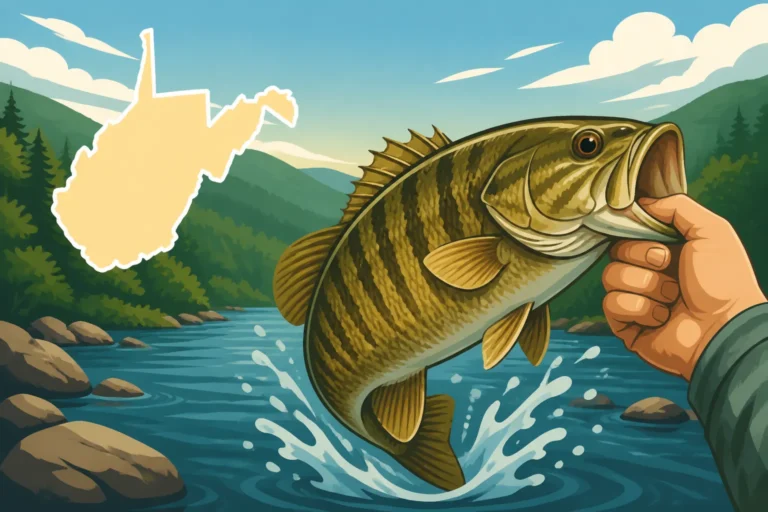
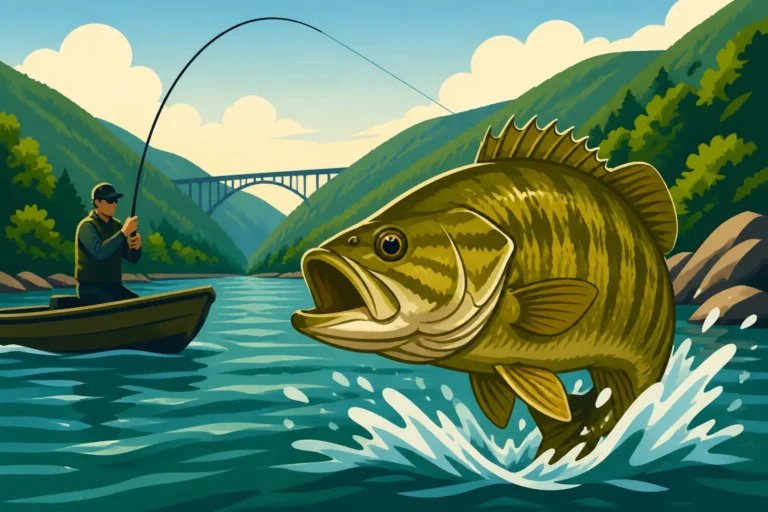
The smallmouth bass is undoubtedly the king of the mainstem Cheat River. From the tailwaters below Cheat Lake all the way to its confluence with the Monongahela, these bronze bombers thrive in the river's rocky habitat, riffles, and current seams. Cheat River smallmouth are known for their aggressive strikes and powerful fights, often leaping clear of the water when hooked. While not typically as large as their cousins in the New River, the Cheat regularly produces smallmouth in the 14-18 inch range, with larger fish exceeding 20 inches not uncommon.
They tend to congregate around current breaks, submerged boulders, log jams, and gravel bars. Understanding their behavior is crucial; in warmer months, they might be found aggressively feeding in faster water, while in cooler periods, they'll often retreat to deeper pools or slack water pockets. Presenting lures that imitate their primary forage—crayfish, hellgrammites, and various baitfish—is often the most effective strategy. If you're serious about landing these hard fighters, our guide on How to Catch Smallmouth Bass in West Virginia Rivers offers even more specialized tips.
The Elusive Muskie Challenge
For many dedicated anglers, the Cheat River holds a special allure as a prime muskie fishery. While these "fish of 10,000 casts" are present throughout much of the mainstem, the lower Cheat River, particularly from Cheat Lake downstream, is where the true trophy potential lies. Muskie prefer deeper, slower pools, often lurking near significant structure like fallen trees, rock ledges, or weed beds. Their elusive nature makes them a highly sought-after catch, requiring immense patience, heavy-duty gear, and a keen eye for subtle signs.
Catching a Cheat River muskie is a battle of wits and endurance. These apex predators can grow to impressive sizes, with fish over 40 inches a real possibility, and occasionally, true monsters pushing the state record. Anglers targeting muskie often spend long hours casting large lures or slow-trolling big baits, hoping to entice a strike from these wary giants. The thrill of a muskie following your lure right to the boat, or the explosive strike that nearly rips the rod from your hands, is what keeps muskie anglers coming back to these waters. For more detailed information on where to find these elusive fish, check out our piece on Best Muskie Waters in West Virginia.
Trout Fishing in the Coldwater Tributaries
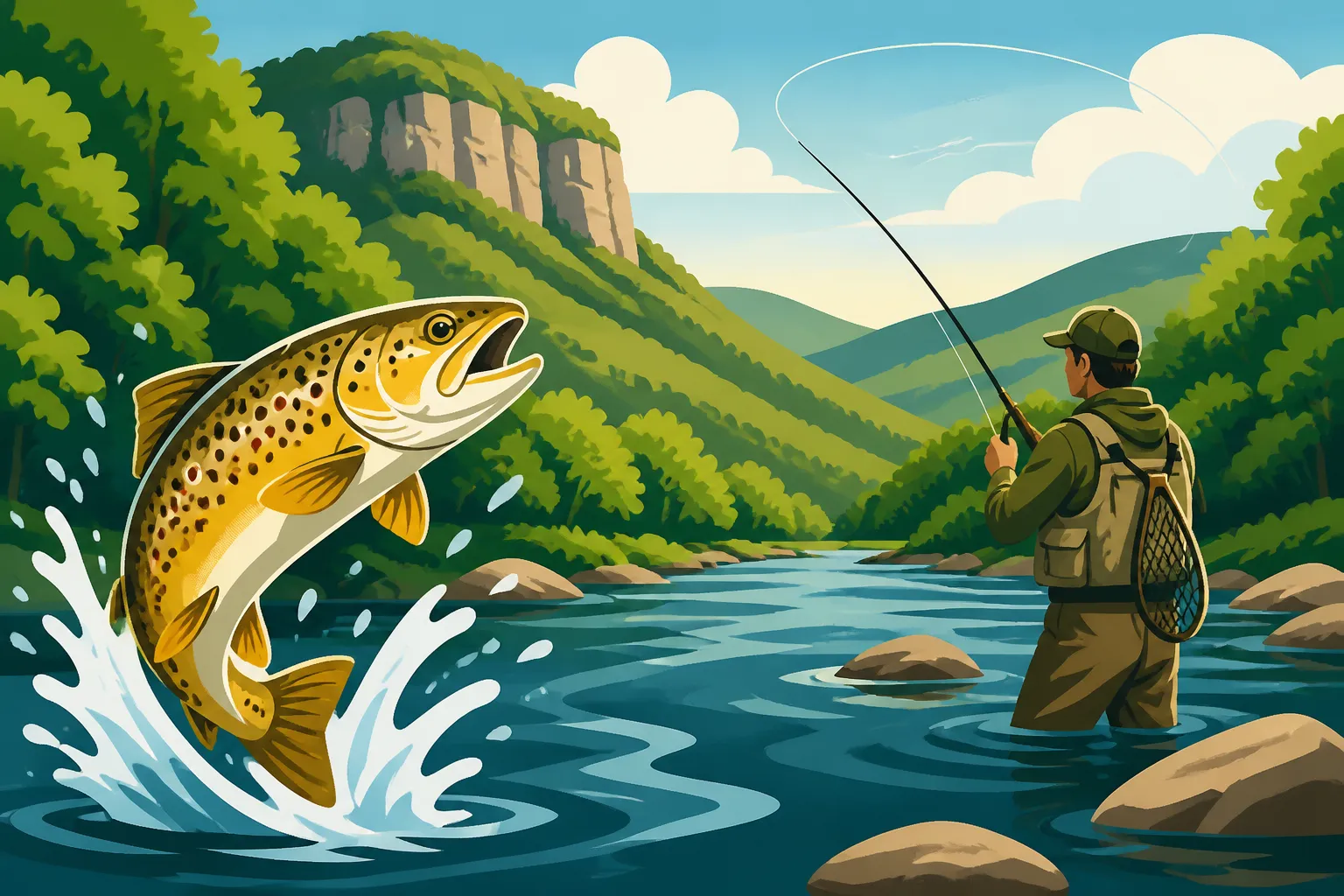
While the mainstem Cheat offers warm-water species, the river's headwaters and numerous cold-water tributaries are where trout anglers find their paradise. Streams like Shavers Fork, the Blackwater River, and other smaller, unnamed feeder creeks, are pristine environments supporting robust populations of rainbow, brown, and West Virginia's state fish, the native brook trout. These high-elevation streams often flow through dense forest, characterized by clear, oxygenated water, rocky bottoms, and numerous plunge pools and riffles.
Trout fishing in these areas is often a serene, almost meditative experience, far removed from the bustle of modern life. Techniques vary from delicate fly fishing with small nymphs and dry flies to spin fishing with ultralight gear and small spinners or bait. Many of these streams are part of the West Virginia Division of Natural Resources (WVDNR) stocking program, especially in spring and fall, ensuring good opportunities for anglers. However, some sections, particularly those managed for wild or native trout, have special regulations regarding catch limits, gear, and catch-and-release practices. Always check the current West Virginia Fishing Regulations Explained before you head out. Don't forget, if you're targeting trout, you'll need a Trout Stamps and Trout Fishing Rules in West Virginia.
Prime Fishing Spots and Access Points on the Cheat
The Cheat River system is vast and varied, meaning different sections offer different fishing experiences and require distinct access strategies. Understanding these key areas will help you plan your adventure and maximize your chances of success.
Upper Cheat River and Its Mountain Streams
The uppermost reaches of the Cheat River, particularly within the Monongahela National Forest, are defined by their pristine coldwater tributaries. These are the realms of trout, offering a rugged, wilderness fishing experience.
- Shavers Fork: Often considered one of West Virginia's premier trout streams, Shavers Fork is a vital tributary of the Cheat River. It's known for its excellent wild brook trout fishing in its headwaters and healthy populations of stocked rainbow and brown trout in its lower sections. Access can be tricky, often requiring wading or hiking in from forest roads. Several sections are designated as "fly fishing only" or "catch and release," so always check the specific regulations. The beauty and solitude here are unparalleled, making it a favorite for fly anglers seeking a true mountain stream experience.
- Blackwater River: Another significant tributary, the Blackwater River, especially within Blackwater Falls State Park and the Canaan Valley area, offers fantastic trout fishing. Like Shavers Fork, it’s a picturesque river with clear, cold water and ample opportunities for both wild and stocked trout. Access points are available in and around the state park, as well as along designated forest roads. The river’s character can change dramatically with rainfall, so paying attention to water levels is important.
Fishing these upper sections often involves a fair amount of walking and wading. Be prepared for uneven terrain and potentially swift currents. Small, precise casts are often more effective than long bombs, especially when targeting wary wild trout in tight quarters. Many anglers seeking guidance for these more remote locations find it helpful to search FishingBooker for local guides specializing in fly fishing mountain streams.
The Diverse Opportunities of Cheat Lake (Lake Lynn)
Downstream, the Cheat River widens significantly into Cheat Lake, also known as Lake Lynn, a large reservoir popular for both fishing and recreation. This impoundment offers a completely different angling dynamic compared to the upstream river sections, boasting a diverse array of fish species.
- Species Diversity: Cheat Lake is a fantastic mixed-bag fishery. Anglers can target largemouth and smallmouth bass, crappie, bluegill, channel catfish, and importantly, muskellunge and walleye. The lake’s varied structure, including deep channels, submerged timber, rocky points, and coves, creates ideal habitat for these different species. The cool, deep waters can hold some impressive walleye, particularly around ledges and humps.
- Access and Amenities: Unlike the rugged upper river, Cheat Lake offers excellent public access with multiple boat ramps, marinas, and shore fishing opportunities, especially around Cheat Lake Park near Morgantown. Whether you prefer fishing from a fully equipped bass boat, a quiet kayak, or simply casting from the bank, Cheat Lake accommodates all styles. It’s a great option for family fishing trips due to its accessibility and wide variety of fish.
Successful fishing on Cheat Lake often involves exploring different depths and structures. Bass might be found shallow in spring and fall, moving deeper in summer. Crappie often suspend over submerged brush piles, while catfish prowl the deeper channels.
Exploring the Lower Cheat River and Canyon
Below Cheat Lake, the river flows through a more developed section near Morgantown before plunging into the famous Cheat Canyon. This lower stretch is primarily a warm-water fishery, renowned for its smallmouth bass and muskie.
- Morgantown Access: In the immediate vicinity of Morgantown, there are several convenient access points to the Cheat River. These areas are popular for smallmouth bass and provide good opportunities for shore fishing or launching kayaks and canoes for shorter floats. The river here can be relatively wide and deep, with a mix of pools, riffles, and small rapids.
- The Cheat Canyon: Downstream from Morgantown, the river enters the dramatic Cheat Canyon, a remote and wild section famous for its whitewater. While challenging to access for casual anglers, the canyon holds fantastic smallmouth and muskie fishing in its deeper pools and rocky stretches. Anglers often access these areas via specialized whitewater rafts or kayaks, sometimes on multi-day float trips. This is a true wilderness experience, requiring careful planning and often the expertise of a local guide. The isolation means less fishing pressure and the potential for truly memorable catches.
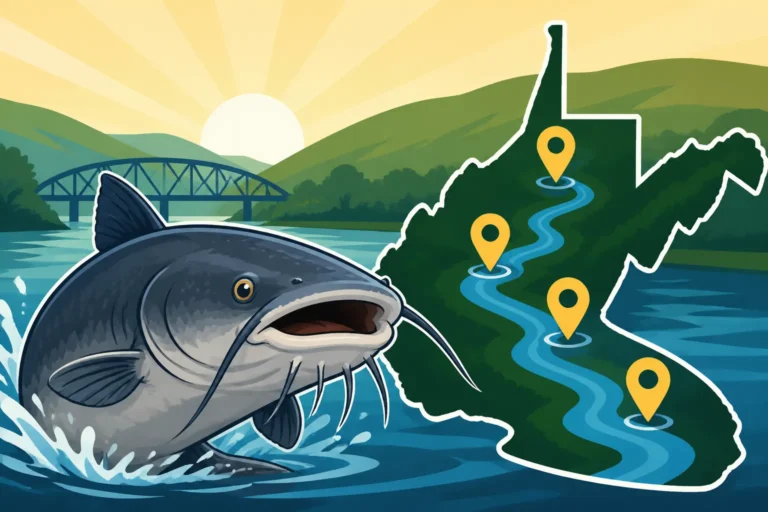
- Confluence with the Monongahela: As the Cheat River approaches its confluence with the Monongahela River, the water becomes warmer and slower, offering excellent opportunities for larger catfish, as well as the chance to encounter walleye and sauger migrating from the Monongahela. This junction area can be very productive, especially during periods of increased fish activity.
This section of the river, especially the canyon, can be very rewarding, but it demands respect. Strong currents, rocky terrain, and limited access points mean safety should always be your top priority.
Essential Techniques and Best Seasons for Cheat River Anglers
Mastering the Cheat River requires a flexible approach to techniques and a good understanding of seasonal patterns. What works for trout in a mountain stream won't necessarily entice a muskie in a deep river pool.
Smallmouth Bass Strategies for Every Season
Smallmouth bass are year-round residents of the Cheat River, but their behavior and preferred techniques change with the seasons.
- Spring Pre-spawn: As water temperatures rise in early spring (typically April-May), smallmouth become highly active and aggressive. They'll move to shallower rocky areas and gravel flats to feed heavily before spawning. This is an excellent time for crankbaits, jerkbaits, and tube jigs worked slowly along the bottom or near structure. The fish are often concentrated, making for exciting action.
- Summer Aggression: During the summer months (June-August), smallmouth are in full swing. Topwater lures like poppers, walking baits, and buzzbaits can be incredibly effective during low light conditions (dawn/dusk) or cloudy days, providing thrilling surface strikes. During bright, sunny periods, switch to soft plastics like Ned Rigs, shaky heads, or creature baits fished slowly in deeper pools or current seams. Kayak fishing is an excellent way to cover water and access prime areas. For specific tips on fishing from a kayak, explore our guide on Kayak Fishing Techniques for West Virginia Rivers.
- Fall Feeding Frenzy: As autumn approaches (September-November), smallmouth begin to fatten up for winter, often creating a second peak of aggressive feeding. Crankbaits, spinnerbaits, and larger jigs are all excellent choices. Look for them holding in deeper pockets and eddies, ambushing baitfish. This can be one of the most productive times of year for bigger fish.
- Winter Slowdown: While challenging, winter fishing for smallmouth (December-March) is possible. Fish will retreat to the deepest, slowest pools. Vertical jigging with small spoons or hair jigs, or slowly dragging finesse baits, can tempt sluggish fish. Patience is key during these colder months.
Mastering Muskie Tactics on the Cheat
Muskie fishing on the Cheat is a specialized pursuit, demanding dedication and the right approach.
- Lure Selection and Presentation: Muskie prefer large, attention-grabbing baits. Bucktail spinners, large crankbaits, jerkbaits, and glide baits are standard fare. Color choice can depend on water clarity; brighter colors for stained water, natural patterns for clear. Presentation is crucial – a slow, deliberate retrieve with pauses can often be more effective than a fast, erratic one. Always perform a "figure-eight" at the boat side, as many strikes happen in the final moments. If you're looking for the specifics, our article on Best Lures for Muskie Fishing in West Virginia dives deep into this topic.
- Optimal Timing and Location: Fall (September-November) and early winter are generally considered the prime seasons for muskie on the Cheat. As water temperatures drop, these fish become more active, feeding heavily before the coldest months. Focus on deeper pools, current seams, large log jams, and any significant underwater structure. Muskie often hold tight to cover, so precise casting is essential. Fishing around dawn and dusk, or during periods of stable weather, can increase your odds. For an overall look at seasonal fishing in the state, consult our West Virginia Fishing Seasons by Month guide.
Fly Fishing and Spin Fishing for Cheat Trout
Trout fishing in the Cheat's tributaries offers both classic fly fishing experiences and effective spin fishing opportunities.
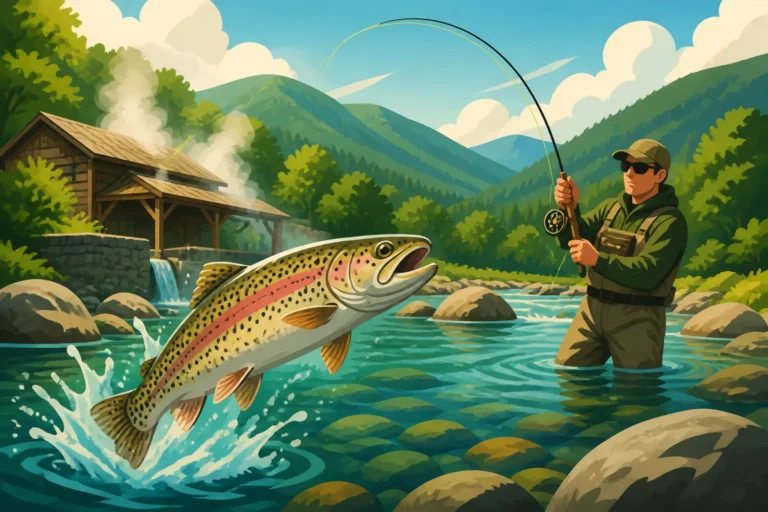
- Fly Fishing Techniques: For wild trout in the upper reaches, delicate presentations are key. Dry flies are excellent during insect hatches in spring and summer (e.g., caddis, mayflies), while nymphing techniques (using weighted flies under an indicator) are productive year-round, mimicking aquatic insects. Streamers can entice larger brown trout, particularly in slightly higher or off-color water. Proper line management and mending are crucial in these current-heavy streams. Our guide on Fly Fishing for Trout in West Virginia offers a wealth of information for aspiring fly anglers.
- Spin Fishing Approaches: Spin anglers can find success with ultralight rods and reels spooled with light line (4-6 lb test). Small inline spinners (e.g., Mepps, Panther Martin), tiny crankbaits, or drifted live bait like worms or corn can be very effective, especially for freshly stocked trout. Focus on casting upstream and allowing your lure to drift naturally through pools and riffles. Adjust your retrieve speed to the current and the fish's activity level. Always keep an eye on regulations regarding bait usage, as some waters may be artificial lures only.
| Species | Primary Season | Recommended Lures/Baits | Key Locations |
|---|---|---|---|
| Smallmouth Bass | Spring, Summer, Fall | Crankbaits, Jigs, Tubes, Topwater, Soft Plastics | Mainstem Cheat, Rocky Riffles, Deep Pools, Current Seams |
| Muskie | Fall, Early Winter | Large Bucktails, Jerkbaits, Glide Baits | Lower Cheat, Cheat Lake, Deep Pools, Timber, Ledges |
| Rainbow/Brown Trout | Spring, Fall | Small Spinners, Worms, Nymphs, Dry Flies, Streamers | Upper Cheat Tributaries (Shavers Fork, Blackwater) |
| Native Brook Trout | Spring, Summer, Fall | Small Dry Flies, Nymphs | High-elevation Headwaters, Wilderness Streams |
| Crappie | Spring | Jigs, Minnows | Cheat Lake, Submerged Timber, Brush Piles |
| Catfish | Summer, Fall | Cut Bait, Worms, Stink Bait | Lower Cheat, Cheat Lake, Deeper Channels |
Gearing Up for Success on the Cheat River
Having the right gear is paramount for a successful and enjoyable fishing trip on the Cheat River, given its diverse conditions and target species. From your rod and reel to your safety equipment, each piece plays a vital role.
Rods, Reels, and Line for Varied Conditions
Your tackle setup will largely depend on what you're targeting and where on the Cheat River you plan to fish.
- Trout Tackle: For the delicate work of trout fishing in small mountain streams, a lightweight setup is essential. A 5-foot to 7-foot ultralight or light action spinning rod paired with a small spinning reel (1000-2000 size) spooled with 4-6 lb monofilament or fluorocarbon line is ideal. For fly anglers, a 3-weight to 5-weight fly rod, 7.5 to 9 feet long, matched with a corresponding reel and weight-forward floating line, is the standard. Lighter tippets (5x-7x) are crucial for presenting flies naturally to wary trout.
- Smallmouth Bass Tackle: For the aggressive fights of Cheat River smallmouth, a medium-light to medium action spinning rod (6'6" to 7'2") or a medium action baitcasting setup is versatile. Pair with a 2500-3000 size spinning reel or a baitcasting reel with a fast retrieve ratio. Spool with 8-12 lb fluorocarbon or braided line with a fluorocarbon leader for sensitivity and abrasion resistance against the rocky bottom. A stiffer rod will help drive hooks home and control fish in current.
- Muskie Tackle: Muskie demand heavy-duty gear. A stout, fast action baitcasting rod (7'6" to 9'0"), rated for heavy lures, is a must. Pair it with a robust baitcasting reel capable of handling heavy braided line (65-100 lb test) and a strong, tooth-proof leader (fluorocarbon or wire, 80-130 lb). This setup provides the power needed to cast large baits, fight powerful fish, and handle their sharp teeth.
Must-Have Lures and Baits
The Cheat River's varied species mean a diverse tackle box is in order.
- Trout Lures and Baits: For spin fishing, keep a selection of small inline spinners (e.g., size 0 or 1 Panther Martin, Mepps Aglia), tiny spoons, and micro crankbaits. Live bait like red worms, mealworms, or corn can also be effective where permitted. Fly anglers should carry an assortment of nymphs (e.g., Pheasant Tail, Hare's Ear, Prince Nymph), dry flies (e.g., Elk Hair Caddis, Adams, Parachute Adams), and small streamers (e.g., Woolly Bugger).
- Smallmouth Bass Lures: A variety of artificial lures will cover most smallmouth scenarios. Include crankbaits (both shallow and medium diving), tube jigs (3-4 inch, green pumpkin or smoke colors), soft plastic crawfish or grub imitations, topwater lures (poppers, walking baits), and spinnerbaits. Jigs with a pork or plastic trailer are also highly effective, especially when worked around submerged wood and rock.
- Muskie Lures: Go big or go home for muskie. Stock your box with large bucktail spinners (double bladed is often preferred), large jerkbaits (gliders and divers), heavy crankbaits, and soft plastic swimbaits measuring 8-12 inches or more. Don't forget a large, sturdy landing net and long-nose pliers for safe handling.
Boating and Wading Safety Essentials
Safety is paramount, especially on a river as diverse and sometimes challenging as the Cheat.
- Wading Gear: For trout streams and many smallmouth sections, high-quality waders (chest waders are best for versatility) and sturdy wading boots with good grip (felt or rubber with studs) are essential. A wading staff provides crucial stability in slippery or swift currents. Layering clothing is also important, as mountain water can be surprisingly cold even on warm days.
- Boating Essentials: If you're using a boat—be it a kayak, canoe, jon boat, or larger craft on Cheat Lake—ensure you have all required safety equipment. This includes U.S. Coast Guard-approved personal flotation devices (PFDs) for everyone on board, a sound-producing device (whistle or horn), navigation lights if operating at night, and a throw cushion or ring. Kayaks and canoes are excellent for accessing many parts of the Cheat, offering stealth and maneuverability. Make sure your kayak is properly outfitted for fishing, with rod holders and ample storage for tackle. Check out our guide on West Virginia Boating Laws for Anglers for a complete rundown on regulations.
- General Safety: Always let someone know your float plan and expected return time. Carry a first-aid kit, plenty of water, snacks, a map, and a fully charged cell phone (though service can be spotty in remote areas). Wearing polarized sunglasses will protect your eyes and help you spot fish and submerged obstacles. When booking a guided trip, such as through FishingBooker, guides are typically well-equipped with all necessary safety gear and local knowledge.
Conservation, Regulations, and Responsible Angling
Enjoying the Cheat River's incredible fishery comes with the responsibility of protecting it for future generations. Understanding and adhering to regulations, practicing good catch-and-release techniques, and showing respect for the environment are critical aspects of being a responsible angler.
Understanding West Virginia Fishing Regulations
West Virginia's fishing regulations are designed to manage fish populations and ensure sustainable fishing opportunities. These rules can vary significantly by species, water body, and even specific sections of a river.
- License Requirements: First and foremost, anyone aged 15 or older needs a valid West Virginia fishing license. If you're targeting trout, a West Virginia Trout Stamp is also required, even if you plan to practice catch and release. Non-residents have several options, including annual or short-term permits. A comprehensive resource for understanding your obligations is the West Virginia Fishing License Guide for 2026.
- Season Dates and Limits: Pay close attention to season dates, daily creel limits (how many fish you can keep per day), and possession limits (how many you can have in your possession). These vary widely. For example, some trout streams have specific opening days, while bass seasons are generally open year-round with size and creel limits. Muskie also have minimum size limits.
- Special Regulation Waters: Certain sections of the Cheat River and its tributaries, particularly those managed for wild or trophy trout, may have "special regulations." These can include fly-fishing-only restrictions, artificial lures only, catch-and-release only, or unique size and creel limits. Always consult the official West Virginia Fishing Regulations Summary, available from the WVDNR website or local license agents, before fishing any unfamiliar water. Ignorance of the law is not an excuse for violations, and penalties for fishing without a license in West Virginia can be substantial.
Practicing Catch and Release for Future Generations
Given the environmental history and the desire to maintain healthy fish populations, practicing responsible catch and release is especially important on the Cheat River, particularly for trophy species like muskie and even trout.
- Muskie Handling: Muskie are large, powerful fish that require careful handling. Use a large, knotless rubber landing net to minimize damage to their fins and slime coat. Keep the fish in the water as much as possible. Use long-nose pliers or jaw spreaders to quickly and carefully remove hooks. Avoid placing your fingers in their gills. If you want a photo, support the fish horizontally with two hands (one under the head, one under the tail) and get it back in the water quickly. Release the fish only after it has regained its strength and can swim away under its own power.
- Trout Care: For trout, especially the delicate native brook trout, wet your hands before handling to protect their protective slime layer. Use barbless hooks or crimp down barbs on your flies and lures to facilitate easy removal. Avoid squeezing the fish, and revive it gently in the current until it swims away. The goal is to minimize stress and maximize their survival chances. For further insights into ensuring the survival of your catch, consider resources like those on Muskie catch and release survival tips.
Respecting the River and Fellow Anglers
The beauty of the Cheat River is something to be cherished and protected. Responsible angling extends beyond regulations to include basic etiquette and environmental stewardship.
- Leave No Trace: Pack out everything you pack in, and perhaps even a little more. This means all trash, including monofilament fishing line, which can be deadly to wildlife. Dispose of fish waste properly. Leave the riverbank and surrounding areas cleaner than you found them.
- Access Etiquette: Respect private property and always ask permission before accessing land that isn't publicly owned. Park responsibly and avoid blocking roads or access points. Be mindful of other river users, whether they are fellow anglers, paddlers, or whitewater rafters. Give other anglers ample space and avoid crowding their fishing spots.
- Boat and Wading Courtesy: When boating, operate at a safe speed and be aware of paddlers and waders. If passing other anglers, slow down to a no-wake speed to avoid disturbing their fishing. Wading anglers should move carefully and avoid unnecessarily stirring up sediment or disturbing spawning beds.
By following these principles, we can all contribute to keeping the Cheat River a magnificent fishery and a pristine natural resource for generations to come.
Disclaimer
The information provided in this guide is for general informational purposes only and is subject to change. Fishing regulations, season dates, and license requirements are set by the West Virginia Division of Natural Resources (WVDNR) and can be updated annually. It is the angler's responsibility to consult the most current official West Virginia Fishing Regulations Summary and possess all necessary licenses and permits before fishing. Always prioritize safety when on or near the water.