Average size of stocked trout in West Virginia
There's a special kind of excitement that bubbles up when you hear the West Virginia Division of Natural Resources has just stocked your favorite local stream or lake with trout. You visualize chunky, feisty fish, ready to take your bait or fly. But let's be real, sometimes you get there, cast out, and the fish you reel in, while fun to catch, might not quite match the monster you pictured. It leaves many of us wondering, what is the average size of these stocked trout in West Virginia anyway? This guide will dive deep into exactly what you can expect when you hit the water for West Virginia's famed put-and-take trout fishing, helping you set realistic expectations and maybe even land a surprise lunker.
The Heart of West Virginia's Stocked Trout Program
West Virginia's trout stocking program is truly something special, providing incredible recreational opportunities across the state, from remote mountain streams to easily accessible community ponds. It's a massive undertaking by the WVDNR, aimed at giving every angler, from the seasoned veteran to the kid with their first rod, a chance to experience the thrill of a bending rod. But understanding the "average size" starts with understanding the program itself.
Why We Stock Trout
The primary goal of stocking trout in West Virginia is to provide a "put-and-take" fishery. This means the fish are stocked at a size that makes them immediately catchable, offering a high-density fishing experience that wouldn't naturally occur in many of these waters. For many folks, especially those in urban or suburban areas, these stocked waters are the only readily available trout fishing opportunities. It's about access, recreation, and getting people outdoors. West Virginia Trout Stocking Hotline and Schedule is an invaluable resource for planning your trips around these events.
Think about it: not every stream can support a thriving wild trout population year-round due to water temperature fluctuations, habitat limitations, or stream flows. Stocking bridges that gap, transforming stretches of water into vibrant fishing destinations, even if just for a season. It's a pragmatic approach to meet angler demand and introduce new generations to the joy of fishing.
How Trout Are Raised for Stocking
The trout you catch in West Virginia's stocked waters typically come from state-run hatcheries. These facilities are incredibly efficient, raising thousands upon thousands of fish in controlled environments. The conditions are optimized for growth, meaning the fish get a consistent, high-protein diet designed to get them to a "catchable" size as quickly and healthily as possible.
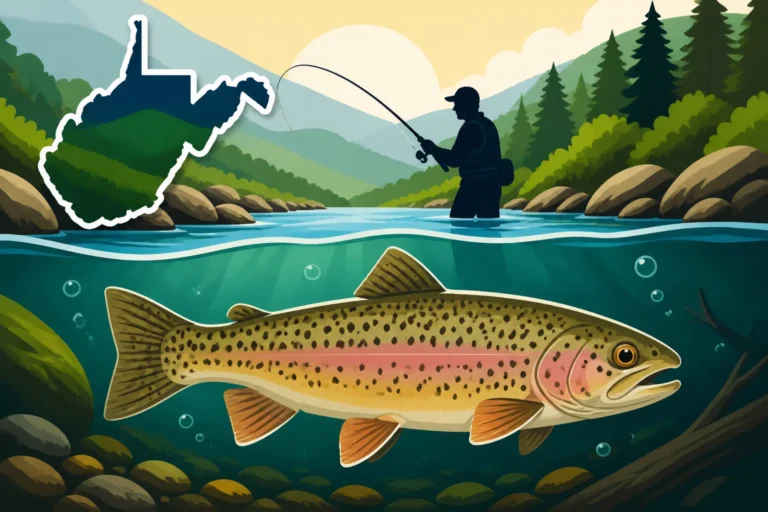
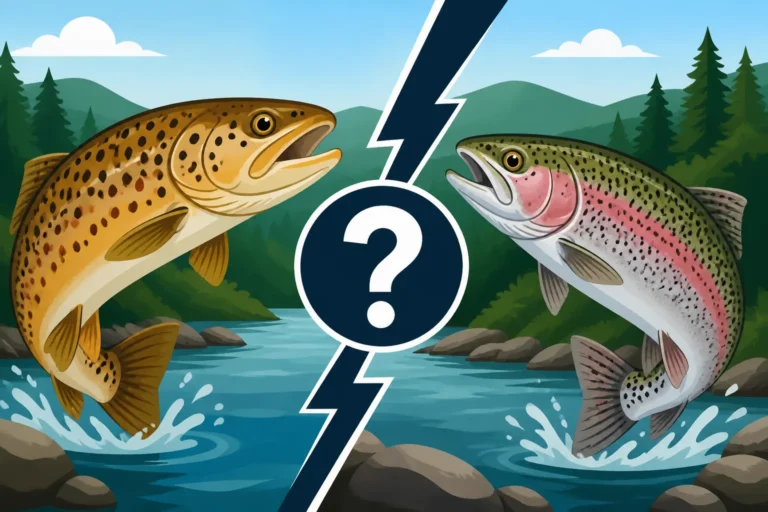
The majority of trout stocked are rainbow trout, a robust species that adapts well to hatchery life and a variety of stream conditions. You'll also see golden rainbow trout, especially during special events like the Gold Rush, and sometimes brown trout and brook trout are included, though usually in smaller numbers or in specific waters. These fish spend their lives in raceways or large ponds, never having to forage for themselves or evade predators until they're released. This hatchery environment directly influences their size, shape, and even their fight when you hook them.
Deconstructing the "Average Size" of Stocked Trout
When we talk about the average size of stocked trout in West Virginia, we're generally talking about a fish that's ready to be caught and, if you choose, taken home for dinner. It's important to differentiate this from the size of wild trout, which grow at their own pace and vary greatly depending on the productivity of their stream.
The "Catchable" Standard
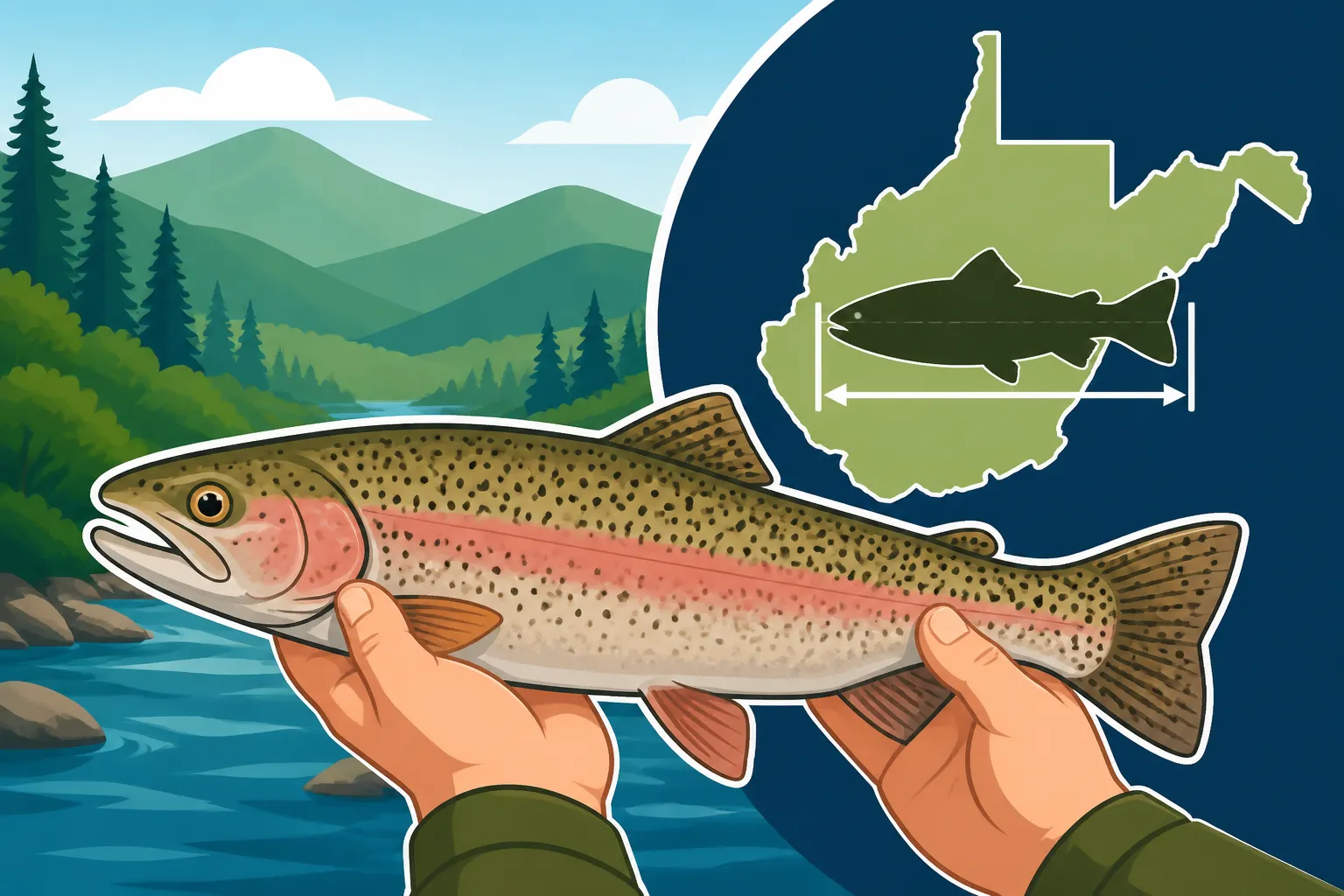
For rainbow trout, which make up the bulk of stockings, the average size typically falls into the 10-14 inch range. These are often referred to as "pan-sized" fish, perfect for a meal. Their weight usually hovers around three-quarters of a pound to a pound and a half. While this might not sound like a trophy, imagine catching several of these in an afternoon – that's a fantastic day on the water for most anglers!
Golden rainbow trout, with their distinctive bright yellow-orange hue, are often stocked at a similar size but frequently include a higher percentage of larger fish, adding to the excitement of events like the Gold Rush. You'll definitely find some in the 12-16 inch range, and occasionally even bigger. Brown trout, when stocked, also tend to be in that 10-14 inch bracket, though they can hold over in streams better and grow into much larger fish if not caught.
Here's a general idea of what to expect:
| Trout Species | Typical Length Range (Inches) | Typical Weight Range (Pounds) | Notes |
|---|---|---|---|
| Rainbow Trout | 10 – 14 | 0.75 – 1.5 | Most common, "pan-sized" for general stockings. |
| Golden Rainbow Trout | 10 – 16+ | 0.75 – 2+ | Distinctive color, often include more larger fish, especially in events. |
| Brown Trout | 10 – 14 | 0.75 – 1.5 | Less common for general stocking, can grow large if held over. |
| Brook Trout | 8 – 12 | 0.5 – 1 | Occasionally stocked, smaller native species. |
Keep in mind these are averages. You'll have days where you catch nothing but 9-inchers, and other days where you're thrilled with a 15-inch rainbow that fought like a bulldog. It's all part of the experience! For details on what you can legally keep, check out the West Virginia Bag and Possession Limits by Species.
Factors Influencing Stocked Trout Size
Several elements play a role in the size of the trout hitting the water:
- Hatchery Operations: The WVDNR's hatcheries are incredibly efficient. They have specific targets for the number and size of fish they need to produce for each stocking. Sometimes, fish grow a little faster or slower than anticipated.
- Funding and Resources: The sheer scale of the stocking program means that resources are allocated to produce a large volume of "catchable" fish. Producing significantly larger fish for every stocking would be exponentially more expensive in terms of feed, space, and time.
- Species Differences: As mentioned, different trout species have different growth rates and maximum sizes, even in a hatchery environment.
- Timing of Stocking: Fish stocked earlier in the year or season might have had a little more time to grow, or perhaps less time to be caught, giving them a slight edge in size.
So, while the goal is consistently "catchable," there's always a natural variation. Don't be surprised if the fish you catch are slightly smaller or larger than these typical averages.
Beyond Average: The Thrill of Trophy Stockings and Special Events
Now, just because the average stocked trout is pan-sized doesn't mean West Virginia anglers never get to tangle with bigger fish! The WVDNR knows how much we all love the chance to hook into something substantial, and they deliver with targeted trophy stockings and exciting events.
Gold Rush Golden Rainbow Trout
One of the most anticipated events on the West Virginia fishing calendar is the Gold Rush. This special stocking involves releasing thousands of those vibrant golden rainbow trout into select waters across the state. While many of these are still within the "average" size range, the Gold Rush is specifically known for including a significant number of much larger golden rainbows.
It's not uncommon to hear tales of 3-5 pound golden rainbows caught during these events, and even bigger specimens are certainly out there. These larger fish, with their brilliant color and powerful fight, create a true angling fever. It adds an element of surprise and challenge, making each cast a potential encounter with a fish of a lifetime. You can learn more about these unique fish in Golden Rainbow Trout in West Virginia.
Trophy Trout Waters and Specialized Stockings
Beyond the Gold Rush, certain waters in West Virginia are managed as "Trophy Trout" streams or lakes. These areas might receive fewer, but larger, fish, or have special regulations designed to allow fish to grow to bigger sizes. While the focus of this article is on stocked trout, it's worth noting that if these stocked fish survive the initial rush, they can become "holdovers" and grow significantly, especially in nutrient-rich lakes or tailwaters below dams.
For example, some of the larger reservoirs might receive stockings of bigger fish, or they provide an environment where stocked trout can survive longer, feeding and growing naturally. These places are where you might find those truly impressive 18-20+ inch trout that were once just average stocked fish. It just goes to show that even a fish initially put there for "put-and-take" can become a genuine trophy given the right conditions and a bit of luck from anglers practicing West Virginia Catch and Release Rules for Trout.
Strategies for Anglers: Maximizing Your Stocked Trout Experience
Whether you're hoping for a stringer full of pan-sized fish or dreaming of that elusive stocked lunker, there are plenty of ways to make your West Virginia stocked trout trips more successful and enjoyable. It's not just about the size of the fish, but the experience!
Timing and Location are Key
Knowing when and where the trout are going to be is half the battle. The WVDNR publishes a West Virginia Trout Stocking Hotline and Schedule which is your best friend. Being there shortly after a stocking can increase your chances significantly, especially if you're looking to fill your cooler.
Consider the type of water:
- Smaller Streams: Often fished out quickly. Look for deeper pools, undercut banks, and slower current areas where fish might congregate or hide.
- Larger Rivers: Fish can disperse more, but also have more holding structure. Focus on seams, eddies, and feeder creek mouths.
- Lakes/Ponds: These fish tend to cruise the edges initially. Target coves, points, and areas near inlets or deeper drop-offs. Best time to fish a stocked trout pond can offer specific tips.
Best Baits and Lures for Stocked Trout
Stocked trout, coming from a hatchery diet, often react differently than wild trout. They're usually not very picky, especially right after stocking.
- Prepared Baits: Brands like PowerBait (in various colors like chartreuse, pink, or rainbow) and Gulp! Trout Baits are incredibly effective. Just a small ball on a light hook with a split shot or small bobber often does the trick. You can find a huge variety of these on Amazon, making it easy to stock up before a trip.
- Live Baits: Worms (nightcrawlers, red wigglers) are always a classic and effective choice. Small minnows can also work for larger, more aggressive trout.
- Spinners and Spoons: Small inline spinners (like Panther Martin or Mepps) and tiny spoons (like Kastmasters or Dardevles) are excellent for active trout. Retrieve them slowly to give the fish time to react. Again, you can browse a wide selection of these versatile lures on Amazon.
- Flies: For fly anglers, attractor patterns like Woolly Buggers, San Juan Worms, and egg patterns are often very productive right after a stocking. Even simple nymphs can produce. For more specific advice, check out Spring Trout Fishing Techniques for West Virginia Streams.
Experiment with different presentations. Sometimes they want it still on the bottom, sometimes slowly drifted, sometimes retrieved with a bit of flash. Don't be afraid to change things up if one method isn't working. A good Best Tackle Box Setup for West Virginia Anglers will include a variety of these options.
Gear Considerations
You don't need highly specialized gear for most stocked trout fishing. A light to ultralight spinning rod (5-6 feet) with a small spinning reel spooled with 4-6 lb test monofilament or fluorocarbon line is perfect. A basic setup like this is easily found and affordable on Amazon. This allows for sensitive bites and offers a fun fight, even with average-sized trout. For fly fishing, a 3-5 weight fly rod is ideal for these stream-dwelling fish. You can find recommendations in Best Fly Rods for West Virginia Trout Streams.
Remember, the goal is often to simply have fun and catch some fish. While knowing the average size is helpful for setting expectations, the true joy comes from the act of fishing itself in the beautiful West Virginia outdoors.
Disclaimer
This article is for general informational purposes only and does not constitute professional advice. Laws, prices and regulations vary by location and change over time. Consult a qualified professional for guidance on your specific situation.