What percentage of stocked trout survive the season
It's a question every passionate West Virginia angler has probably pondered after a successful day on one of our beautiful, stocked trout streams: what happens to all those fish after we've packed up our gear and headed home? The truth about how many stocked trout actually survive the season is more complex than a simple percentage, often leaving us wondering if our efforts to release fish truly make a difference. This comprehensive guide will dive deep into the real factors at play, helping you understand the survival rates of stocked trout and how you, as a responsible angler, can contribute to their well-being and the health of our fisheries.
The Elusive Numbers: Why Stocked Trout Survival Rates Are So Tricky to Pin Down
You might be looking for a hard number, a definitive "X% of stocked trout survive," but the reality is far from a single, easy answer. The survival rate of stocked trout, particularly beyond the initial few days or weeks post-stocking, is a dynamic figure influenced by a multitude of ever-changing environmental and biological factors. It's not like the fish come with a barcode and a tracker that we can scan later. These numbers are often estimated through creel surveys, tagging studies, and habitat assessments, and they can vary wildly from one stream to another, and even within the same stream from one season to the next.
Short-Term vs. Long-Term Survival: A Tale of Two Timelines
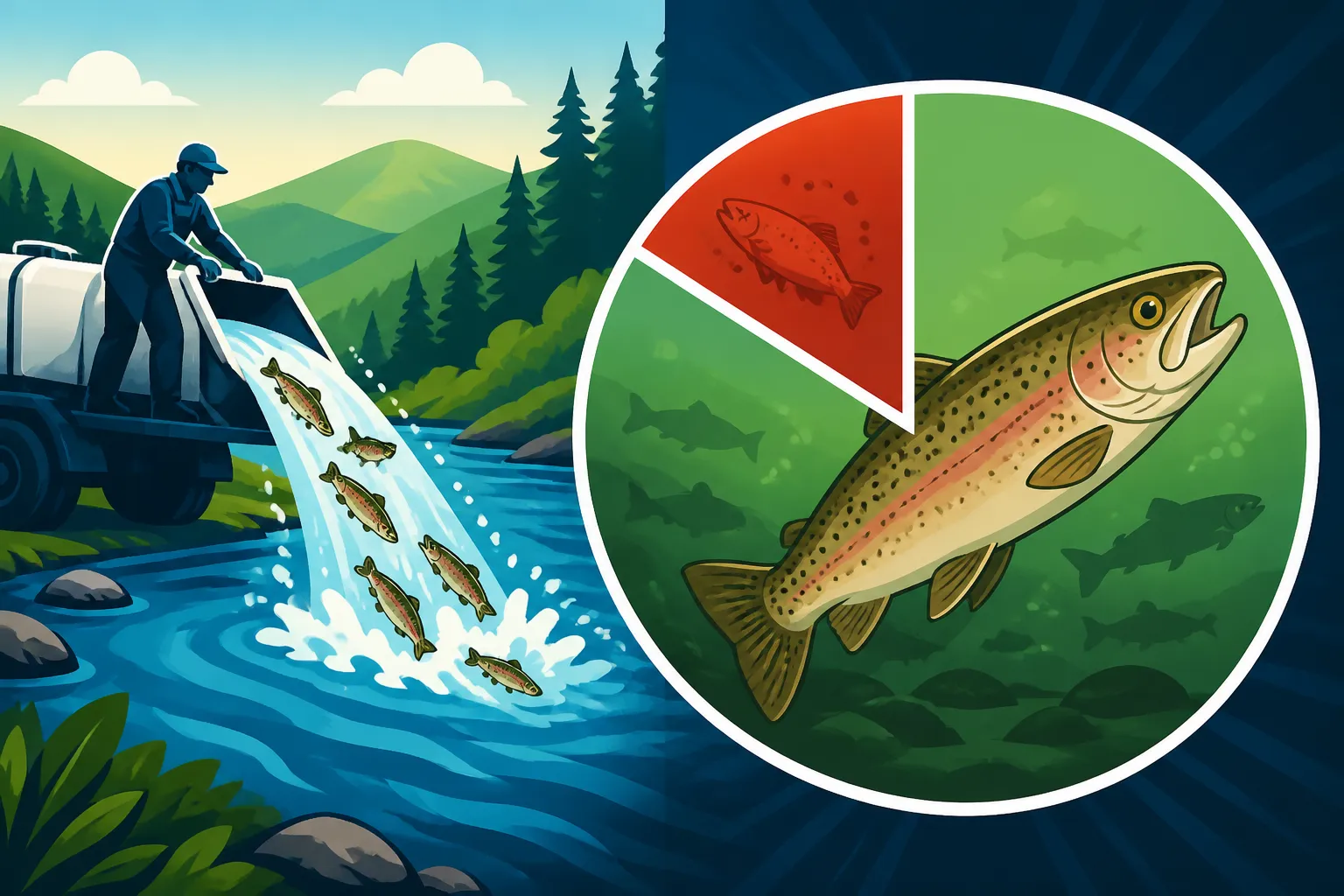
When we talk about survival, it's crucial to differentiate between short-term and long-term outcomes. Short-term survival, often measured in days or weeks immediately following a stocking event, tends to be relatively high, especially in "put-and-take" fisheries where the expectation is for anglers to harvest them quickly. These fish are literally put in the water to be caught. However, if they aren't caught, their survival beyond this initial period often drops significantly due to a variety of stressors.
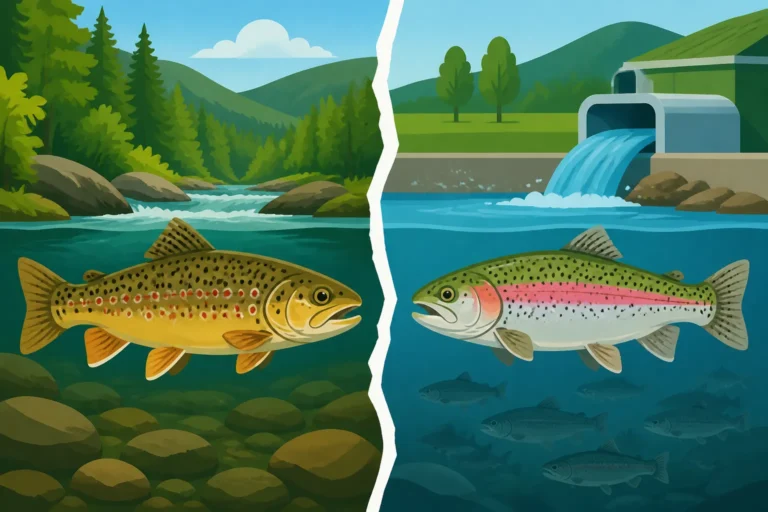
Long-term survival, which refers to fish that make it through an entire season or even multiple seasons to become "holdover trout," is generally much lower for most stocked trout. These are the fish that adapt, find food, avoid predators, and survive winter conditions. They become more elusive, often taking on a wilder appearance and behavior. The goal for many anglers is to encounter these more challenging, seasoned fish. Understanding What a holdover trout is can really change your perspective on fishing these waters.
Factors Making the Numbers Hard to Track
Trying to get an exact handle on these survival percentages is like trying to count raindrops in a thunderstorm. There are so many variables. Think about the sheer volume of trout that West Virginia puts into its waters each year; you can find out How many trout West Virginia stocks each year. Monitoring each one is simply impossible. Fish can be caught and released, fall prey to predators, succumb to disease, or be displaced by high water. The sheer size and diversity of West Virginia's streams and lakes, from the smallest mountain brook to larger rivers like the New River or the Elk River, mean that survival conditions are never uniform. This makes precise, universally applicable statistics extremely difficult to collect and report.
Factors That Stack the Deck Against Stocked Trout in West Virginia
Stocked trout face an uphill battle from the moment they leave the hatchery truck. They've lived a relatively sheltered life, often in raceways with consistent food and minimal predators. Suddenly, they're plunged into a complex, often harsh, natural environment. This transition is fraught with challenges, and many factors can dramatically reduce their chances of making it through the season.
Environmental Stressors: From Transport to Habitat Shock
The journey from hatchery to stream is the first major hurdle. Even with careful handling, the stress of transport in tanks, changes in water temperature, oxygen levels, and water chemistry can take a toll. Once released, the fish experience "habitat shock." The wild stream offers new currents, varying water temperatures, and often a lack of familiar cover. They have to find food for themselves, hunt for insects and minnows, instead of waiting for pellets.
Furthermore, environmental conditions in West Virginia streams can be unforgiving. Summer brings warmer water temperatures, which can be lethal to trout, especially rainbows, if streams get too warm. Low water levels reduce available habitat and concentrate fish, making them more vulnerable. Conversely, high water events or flash floods can displace fish downstream, injure them, or even bury them under silt. These natural events, common in our mountainous state, are significant contributors to post-stocking mortality.
Predation and Competition: A New World of Dangers
In the hatchery, trout live a relatively safe life. In the wild, they instantly become part of the food chain. Ospreys, kingfishers, herons, otters, raccoons, and even larger fish like muskie or big brown trout, see freshly stocked trout as an easy meal. These predators quickly learn to patrol stocking points, making short work of bewildered, naive hatchery fish.
Beyond direct predation, stocked trout also face competition for food and habitat from wild fish populations. While many stocked trout waters in West Virginia are "put-and-take" and not primarily managed for wild fish, some streams do hold native brook trout or wild brown trout. These wild fish are better adapted to the natural environment and more efficient at finding food and holding prime lies. Stocked trout, often less wary and accustomed to an easy meal, can struggle to compete, further reducing their survival odds. This competition highlights a key difference between these fish, and it's interesting to consider Do Trout Reproduce Naturally in West Virginia Streams? in this context.
Angler Pressure and Handling: The Human Element
Let's be honest, we anglers are part of the equation too. Heavily stocked streams, especially during peak seasons like early spring, attract a lot of attention. High angler pressure means more fish caught, and while many are harvested, a significant number are also caught and released. Unfortunately, even with the best intentions, improper catch and release techniques can lead to delayed mortality.
Fish that are deeply hooked, handled with dry hands, kept out of water for too long for photos, or played to complete exhaustion are less likely to survive, even if they swim away initially. The slime coat, which protects them from disease and parasites, can be damaged by rough handling, making them susceptible to infection. This is where individual angler responsibility really comes into play, and following West Virginia Catch and Release Rules for Trout is paramount.
Here's a table summarizing these key factors:
| Factor | Impact on Stocked Trout Survival |
|---|---|
| Transport Stress | Sudden changes in water chemistry, temperature, and oxygen levels during transport can weaken fish, making them more vulnerable to subsequent stressors once released. |
| Habitat Shock | Unfamiliar currents, lack of accustomed cover, and the need to forage for natural food sources (instead of pellets) can overwhelm hatchery-raised fish, leading to stress, injury, or inability to thrive. |
| Water Temperature Extremes | West Virginia summers can cause stream temperatures to rise above trout's tolerance levels, leading to physiological stress and mortality, especially for rainbow trout. Winters can also bring extreme cold. |
| Water Level Fluctuations | Low water concentrates fish, increasing predation risk and competition. High water (floods) can dislodge or injure fish, forcing them out of ideal habitat, and make finding food difficult. |
| Predation | In the wild, stocked trout are easy targets for birds (osprey, heron), mammals (otter, raccoon), and larger fish, particularly in the days immediately following stocking when they are disoriented and naive. |
| Competition | While often stocked in "put-and-take" waters, any existing wild fish or previously stocked holdovers will compete for limited food and prime holding lies, with wild fish often having a significant advantage. |
| Angler Pressure & Handling | High fishing pressure leads to more fish being caught. Even with catch and release, improper handling (e.g., dry hands, prolonged air exposure, deep hooking, excessive fight time) can inflict fatal injuries or stress that leads to delayed mortality. |
| Disease & Parasites | While hatcheries work to minimize this, the stress of stocking can weaken immune systems, making fish more susceptible to naturally occurring diseases or parasites in the wild environment, particularly when crowded. |
| Food Availability | If the natural food base of a stream cannot support the suddenly increased population, stocked trout may starve, especially if they struggle to adapt to foraging for insects and other aquatic life. |
Beyond the Catch: How Anglers Can Boost Survival Rates (and Their Own Enjoyment!)
Knowing that stocked trout face so many challenges might feel a bit disheartening, but here's the good news: anglers absolutely have a role to play in improving those survival rates, especially for fish that are caught and released. It's not just about ethical angling; it's about ensuring future fishing opportunities and respecting the resources provided by the state.
The Art of Responsible Catch and Release
If you're planning to release fish, even on a put-and-take stream, adopting proper catch and release techniques is your most powerful tool for boosting survival. It starts before you even make your first cast. Consider your tackle choice: artificial lures or flies with single, barbless hooks significantly reduce internal hooking, which is often fatal. You can even crimp down the barbs on treble hooks with a pair of pliers – it makes release so much easier and less damaging.
When you hook a fish, try to land it quickly to minimize its fight time and exhaustion. Keep the fish in the water as much as possible. If you must handle it, wet your hands thoroughly first to protect its delicate slime coat. This coating is the fish's first line of defense against disease and infection. Use a rubberized net, which is much gentler on fins and scales than traditional knotted nylon nets. You can find excellent options for these on Amazon, often highly recommended for catch-and-release fishing. Best Landing Net for Trout is a topic worth exploring further.
For hook removal, use a good pair of needle-nose pliers or hemostats. Many anglers find convenient, durable sets on Amazon that can be clipped to a vest or pack. If the fish is hooked deeply and you can't easily remove the hook without tearing tissue, it's often best to simply cut the line as close to the hook as possible. The hook will often rust out or be shed by the fish over time. These small actions make a world of difference.
Choosing Your Battles: Fishing Smarter, Not Harder
Another way to positively impact survival rates is by being mindful of when and where you fish. Fishing during periods of extreme heat, when water temperatures are high, can be particularly stressful for trout. Even if a fish swims away seemingly fine after being caught and released in warm water, it might succumb to delayed mortality hours later due to lactic acid buildup and oxygen deprivation. If stream temperatures are approaching the upper 60s Fahrenheit, it's often best to target other species or simply take a break until conditions improve.
Also, be aware of the specific regulations for different waters. West Virginia has a variety of Special Regulation Waters in West Virginia, some of which are strictly catch-and-release, or have specific gear restrictions. Always consult the latest West Virginia Fishing Regulations Explained before heading out. Understanding and respecting these rules not only keeps you legal but also contributes to the overall health of the fishery. Consider exploring Spring Trout Fishing Techniques for West Virginia Streams for tips on fishing during cooler, less stressful times for trout.
The Broader Impact: Why These Survival Rates Matter
While it's clear that many stocked trout don't survive an entire season, understanding these dynamics isn't just about sad statistics. It's about appreciating the complexity of our aquatic ecosystems and recognizing the vital role that West Virginia's stocking programs play, as well as the importance of our individual actions.
Economic and Recreational Value of Stocking
Even if a significant portion of stocked trout don't become long-term residents, their purpose isn't solely about survival. Stocking programs in West Virginia, often funded by license and West Virginia's Conservation Stamp, Explained sales, provide immense recreational opportunities for thousands of anglers each year. For many, especially families and new anglers, the chance to easily catch trout is a huge draw. It creates memories, fosters a love for the outdoors, and provides a significant economic boost to local communities through tackle sales, gas, food, and lodging.
Think about the excitement of the Gold Rush Golden Rainbow Trout Event Rules each year – these events are designed to be fun, accessible, and provide a high-catch opportunity. The fish are put there to be caught, and that experience is valuable, regardless of whether every single trout becomes a holdover.
The Role of Holdovers and Wild Trout
While the overall long-term survival of stocked trout might be low, the fact that some do survive and become holdovers is truly fantastic. These fish become more challenging to catch, providing a different, more rewarding experience for experienced anglers. They adapt, grow, and often contribute to the mystique of our waters.
And let's not forget the incredible value of our truly wild trout populations, especially Brook Trout: West Virginia's Native and State Fish. These fish, which reproduce naturally, are the ultimate survivors, perfectly adapted to their unique environments. Their survival is independent of stocking programs, and they require careful management and conservation efforts to protect their pristine habitats. Anglers interested in these native populations often explore specific gear; for example, you can find specialty fly fishing gear on Amazon to target these smaller, warier fish in our remote mountain streams. If you're into Fly Fishing for Trout in West Virginia, you'll often encounter discussions around the survival of different trout strains.
Ultimately, while the exact percentage of stocked trout that survive the season might remain a mystery, the key takeaway is that their presence enriches our fishing experiences. Our responsibility as anglers is to enjoy these opportunities while also doing our part to minimize our impact, ensuring that as many fish as possible—stocked or wild—have the chance to thrive in West Virginia's wild and wonderful waters.
Disclaimer
This article is for general informational purposes only and does not constitute professional advice. Laws, prices and regulations vary by location and change over time. Consult a qualified professional for guidance on your specific situation.