Golden rainbow trout stocked for West Virginia’s Gold Rush
There’s nothing quite like the thrill of chasing trout in West Virginia, but let's be honest, sometimes the regular ol' stocked rainbows can feel a bit… well, regular. That all changes when the West Virginia Gold Rush event rolls around, bringing with it the dazzling, elusive golden rainbow trout. If you've ever wondered what makes these fish so special, where to find them, and how to successfully hook into one during this exciting event, you’re in the right place. This guide will walk you through everything you need to know to make your Gold Rush experience truly golden.
What Exactly is West Virginia's Gold Rush?
The West Virginia Gold Rush is an annual, statewide trout stocking event that captures the imagination of anglers across the Mountain State. It’s not just about stocking more fish; it’s about stocking a particular kind of fish that brings a unique level of excitement and challenge to the fishing scene: the golden rainbow trout. This event transforms ordinary spring fishing into a treasure hunt, creating a buzz that’s palpable among the angling community.
The Allure of the Golden Rainbow Trout
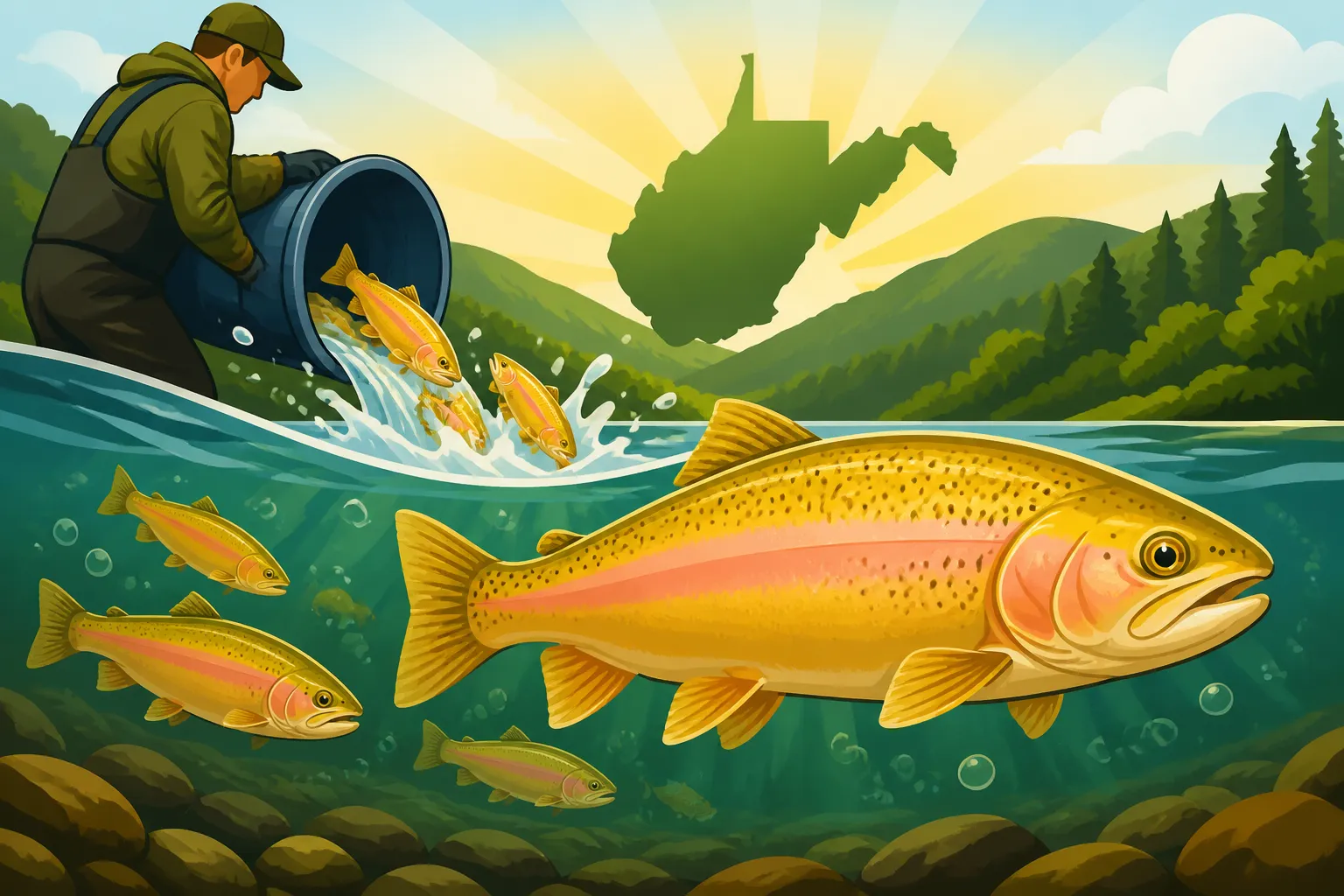
Let's talk about the star of the show: the golden rainbow trout. These aren't just any trout; they're a unique genetic strain of rainbow trout known for their striking, vibrant golden-yellow color. Imagine a fish that looks like it's been dipped in liquid sunshine, often with a faint, iridescent pink stripe along its flank. It's truly a sight to behold when you pull one of these beauties out of the water. Their distinct color makes them incredibly easy to spot in the clear mountain streams and lakes, adding an extra layer of excitement to the hunt.
Many anglers are drawn to the Gold Rush specifically for the chance to catch one of these "trophy" fish, not just for their size, but for their incredible aesthetic appeal. They stand out dramatically from the typical silver-sided rainbows, brown trout, or brook trout you might encounter. This visual appeal, combined with their sometimes elusive nature, elevates the golden rainbow to legendary status among West Virginia anglers. It's a fish that inspires stories and memories, making the pursuit all the more rewarding. Plus, there's always a sense of pride in showing off a picture of one of these radiant catches! To learn more about their unique traits, check out our guide on Golden Rainbow Trout Origin and Genetics.
How the Gold Rush Event Works
The Gold Rush event itself is a massive undertaking by the West Virginia Division of Natural Resources (WVDNR). Typically held over several weeks in the spring, it involves stocking thousands upon thousands of golden rainbow trout into various waters across the state. This isn't a single-day affair; the WVDNR spreads out the stockings to provide multiple opportunities for anglers and to keep the excitement going.
The exact dates and locations of the stockings are often announced well in advance, though specific daily schedules might be kept under wraps until closer to the time to distribute angling pressure. You can often find detailed information, including a list of participating waters and a projected schedule, on the WVDNR's website or by calling the West Virginia Trout Stocking Hotline and Schedule. These stockings occur in a mix of rivers, streams, and lakes, ranging from easily accessible roadside spots to more remote stretches of water. The sheer volume of fish released during this period significantly increases your chances of catching trout, and specifically, the golden rainbows that everybody is after. It's a well-organized effort designed to maximize angler participation and enjoyment, bringing a real festival atmosphere to West Virginia’s fishing scene.
Where and When to Find These Golden Beauties
Finding golden rainbow trout during the Gold Rush requires a bit of planning and understanding of the stocking program. It's not just about showing up; it's about knowing where to go and when, to maximize your chances of encountering these vibrant fish.
Identifying Stocked Gold Rush Waters
The WVDNR typically stocks golden rainbow trout in a variety of public access waters throughout the state. These often include many of the same streams and lakes that receive regular rainbow trout stockings, but the Gold Rush specifically highlights certain locations. Key areas often include popular state park lakes, larger rivers with good public access, and smaller, easily accessible streams. You'll find that waters with good parking and relatively easy access are frequently chosen to accommodate the influx of anglers during this event.
To pinpoint the exact locations, your best bet is to consult the official West Virginia DNR fishing regulations and stocking schedules. The WVDNR provides a detailed list of stocked waters, and during the Gold Rush, they usually issue specific press releases or dedicated sections on their website highlighting the golden rainbow stockings. Some examples of waters that have received Gold Rush stockings in the past include Bluestone Lake, Tygart Lake, and various sections of the Elk River. Always double-check the latest information, as specific waters can change from year to year. Knowing exactly which stream or lake will be stocked is half the battle won. Looking for more general spots? Our Best Trout Streams in West Virginia guide can give you a head start.
Timing Your Visit for the Best Chances
Timing is absolutely crucial when it comes to the Gold Rush. These fish are released specifically for the event, and while some may linger, the freshest stockings offer the highest catch rates. Most anglers aim to be on the water either the day of, or within a day or two after, a scheduled stocking. This is when the fish are typically most aggressive and less wary, having just been introduced to their new environment.
However, hitting the water immediately after a stocking can also mean dealing with crowds. Many anglers have the same idea, leading to popular spots being quite busy, especially on weekends. If you prefer a more peaceful experience, consider visiting during weekdays, or exploring some of the less-known stocked locations. The Gold Rush usually runs for several weeks in the spring, which generally corresponds with prime trout fishing weather. Keep an eye on the long-range forecast; a slight warming trend can really get the fish active, but a sudden cold front can make them lethargic. You can track the official announcements and stocking schedules via the WVDNR's resources for the most up-to-date information on West Virginia Trout Season and Stocking Rules.
Essential Gear and Tactics for Gold Rush Trout
Catching golden rainbow trout during the Gold Rush is exhilarating, and while they might be stunning to look at, they still bite like any other stocked rainbow. Having the right gear and a few proven tactics in your arsenal can significantly increase your success.
Recommended Tackle and Baits
For the most part, targeting golden rainbow trout doesn't require highly specialized gear beyond what you'd typically use for stocked trout. A light to medium-light spinning rod, around 6 to 7 feet in length, paired with a small spinning reel (size 1000-2500) spooled with 4-6 pound monofilament or fluorocarbon line, is generally ideal. This setup offers enough sensitivity for light bites while still providing the backbone to handle a feisty fish. You can find some excellent and affordable options for this setup on Amazon, ensuring you're well-equipped without breaking the bank.
When it comes to baits, stocked golden rainbows are often not terribly picky, especially right after stocking. Here’s a rundown of tried-and-true favorites:
- Prepared Baits: PowerBait (in various colors like chartreuse, orange, or rainbow) and Gulp! Trout Baits are incredibly effective. Mold them onto a small treble hook or a single worm hook with a small split shot weight placed 12-18 inches above the hook.
- Live Baits: Worms (nightcrawlers, red wigglers) are always a classic. Small minnows can also be very productive, especially if the fish have been in the water for a few days. Crickets and mealworms can also work wonders.
- Lures: Small inline spinners like Panther Martins, Mepps, or Rooster Tails in sizes #0 to #2 are excellent choices. Spoon lures such as Thomas Buoyants or Kastmasters, typically in silver or gold, can also be very effective. Work these by casting them out and retrieving them at a steady pace, allowing the lure's action to entice a strike.
- Flies: If you’re a fly angler, typical trout patterns will work. Woolly Buggers, San Juan Worms, Squirmy Wormies, and various nymph patterns (like Prince Nymphs or Hare's Ears) are all good bets. During the Gold Rush, the fish are often aggressive, so don't be afraid to try some flashier patterns. Our guide on Fly Fishing for Trout in West Virginia offers more specialized advice.
Remember, the fish might initially key in on one type of bait or lure, but if the bite slows, don't hesitate to switch things up. Having a diverse selection of baits and lures, perhaps stored in a tackle box ordered from Amazon, can be a game-changer.
Here's a quick comparison of common baits/lures for Gold Rush trout:
| Bait/Lure Type | Pros | Cons | Best Use Case |
|---|---|---|---|
| PowerBait / Gulp! | Highly effective, easy to use, floats | Can attract smaller fish, not natural | Still or slow-moving water, targeting recently stocked fish |
| Worms (Live) | Natural scent, universally appealing | Can be messy, harder to keep alive | All water types, especially for finicky fish |
| Inline Spinners | Covers water quickly, creates flash/vibration | Can snag easily in shallow, rocky streams | Moving water, targeting active, aggressive fish |
| Small Spoons | Good for casting distance, erratic action | Can be less effective in very clear, shallow water | Lakes and wider river sections, varying retrieval depths |
| Nymph Flies | Mimics natural insect prey, subtle presentation | Requires fly rod/skill, harder to cast | Rivers and streams, targeting fish feeding subsurface |
Ethical Practices and Catch Limits
While the Gold Rush is about fun and catching fish, it's also crucial to remember responsible angling practices. Always check the current West Virginia Bag and Possession Limits by Species for trout before you head out. These limits are in place to ensure sustainable fishing for everyone. During special events like the Gold Rush, the WVDNR might have specific regulations or recommendations, so stay informed.
Additionally, handle fish with care, especially if you plan to release them. Wet your hands before touching a fish to protect its slime coat, which is vital for its health. Use a soft, rubberized net to minimize harm. If you're using a net, make sure it’s a good quality, catch-and-release friendly net – many excellent options are available on Amazon. When releasing, gently support the fish in the water until it swims away on its own. It's also important to be courteous to other anglers. These events can draw crowds, so maintaining a respectful distance and being mindful of others' fishing space contributes to a positive experience for all. Remember, you'll also need a valid West Virginia Fishing License Guide for 2026 and often a Trout Stamps and Trout Fishing Rules in West Virginia to participate.
Beyond the Gold Rush: Trout Fishing Year-Round
While the Gold Rush provides a fantastic burst of golden excitement, West Virginia offers incredible trout fishing opportunities throughout the year. Understanding the broader stocking program and exploring different trout fisheries can keep you on the water long after the golden rainbows have been caught.
Understanding West Virginia's Trout Stocking Program
The Gold Rush is just one component of West Virginia's extensive trout stocking program. The WVDNR annually stocks hundreds of thousands of rainbow, brown, and brook trout across the state from February through May, and then again during a fall stocking period. This means that even outside the Gold Rush window, there are abundant opportunities to catch trout in designated waters.
These stockings help sustain fisheries in streams and lakes that might not support natural trout reproduction due to warmer water temperatures in summer or other environmental factors. The goal is to provide diverse fishing experiences for anglers of all skill levels, ensuring that there's always a chance to catch a beautiful trout. Knowing the overall stocking schedule and the types of waters stocked regularly can help you plan successful trips throughout the warmer and colder months. For insights into how to best approach these newly stocked fish, consider checking out tips on How to catch trout right after stocking in West Virginia.
Exploring Other Trout Fishing Opportunities
West Virginia is truly a trout angler's paradise, offering more than just stocked fish. Beyond the Gold Rush, you can explore:
- Wild Trout Waters: Many high-elevation streams and tributaries in the Allegheny Mountains and Monongahela National Forest are home to self-sustaining populations of native brook trout. These fish, while often smaller, are incredibly beautiful and offer a truly wild fishing experience. Catching a native brook trout in its pristine habitat is a badge of honor for many anglers.
- Holdover Waters: Some larger streams and lakes, particularly those with cool, deep pockets or tailwater sections below dams, allow stocked trout to survive through the summer and grow to impressive sizes. These "holdover" trout are often more challenging to catch, providing a rewarding pursuit for experienced anglers.
- Tailwater Fisheries: Rivers like the Elk River below Sutton Dam or the Cranberry River have cold water releases from reservoirs that create ideal conditions for trout, even in warmer months. These sections can offer consistent fishing and the chance for larger, healthier fish.
- Different Species: While golden rainbows are a genetic variant of rainbow trout, West Virginia also stocks and supports populations of brown trout and native brook trout. Each species offers a slightly different challenge and aesthetic. Our Trout Species Identification Guide for West Virginia can help you distinguish them.
Whether you're after the thrill of the Gold Rush, the challenge of wild trout, or the consistent action of regularly stocked waters, West Virginia has a trout fishing experience waiting for you. Don't limit yourself to just one event; embrace the full spectrum of what the Mountain State has to offer for trout enthusiasts. For year-round strategies, our guide on How to Catch Trout in West Virginia is a great resource.
Disclaimer
The information provided in this guide is for general informational purposes only and is subject to change. Always consult the official West Virginia Division of Natural Resources (WVDNR) regulations and advisories before planning your fishing trip, as rules, stocking schedules, and license requirements can change annually. Fishing inherently carries risks; always prioritize your safety and adhere to all local laws and regulations.