Ohio River Fishing Rules for West Virginia Anglers
Fishing the mighty Ohio River can feel like navigating a legal labyrinth. With West Virginia sharing this incredible waterway with neighboring states, figuring out which rules apply to you, your boat, and your catch can be incredibly frustrating and confusing. This comprehensive guide will untangle the complexities, clearly outlining the specific Ohio River fishing rules and regulations that West Virginia anglers need to know to enjoy their time on the water without worry.
Understanding the Ohio River's Unique Jurisdictional Landscape
The Ohio River isn't just a physical boundary; it's a living, breathing ecosystem with a complex legal identity. For anglers, this means navigating a set of rules that can change depending on where you are on the river, what state you're licensed in, and even which bank you're fishing from. It's a truly unique situation that requires careful attention to detail to avoid unintentional infractions. The interstate nature of the river adds a layer of complexity that single-state waters simply don't have.
The Interstate Border Challenge
Imagine standing on the West Virginia bank, looking across at Ohio or Kentucky. The river flows between these states, but where exactly does one state's jurisdiction end and another's begin? This isn't just an abstract question; it has very real implications for your fishing trip. Generally, the state line often runs along the low-water mark of the opposite bank, meaning the entire riverbed, or at least the navigation channel, might technically be under one state's full authority. However, when it comes to fishing, most states bordering the Ohio River have entered into special reciprocal agreements to simplify things for anglers. Without these agreements, you'd need a license for every state whose water you touched, which would be a bureaucratic nightmare.
For West Virginia anglers, the key is understanding that while the Ohio River forms a substantial portion of the state's western border, the specific regulations governing fishing can differ from the regulations on inland West Virginia waters. This is because West Virginia, Ohio, and Kentucky (and Pennsylvania further upstream) all have a vested interest in managing the river's resources. These agreements are designed to make fishing more accessible, allowing licensed anglers from one state to fish in certain shared waters without needing multiple licenses. It's crucial not to assume that "shared water" means "same rules," though; while licenses might be reciprocal, species-specific regulations like size and creel limits can, and often do, still vary by state.
Reciprocity Agreements Explained
Reciprocity is a wonderful thing for anglers, effectively creating a "shared fishing zone" on the Ohio River. For West Virginia anglers, this means that a valid West Virginia fishing license often permits you to fish the entire width of the Ohio River, even up to the low water mark of the opposite bank in Ohio or Kentucky, without needing an additional license from those states. The same generally applies to Ohio or Kentucky licensed anglers fishing from their side of the river. This agreement is a testament to cooperation between state wildlife agencies, recognizing the logistical nightmare it would be for anglers to determine the exact invisible line down the middle of a flowing river.
However, and this is a crucial "however," while your West Virginia license might get you access to the water, you are still bound by the fishing regulations (like daily bag limits, minimum size limits, and legal methods of take) of the state whose bank you are on or from which your boat is launched. For instance, if you launch your boat from a West Virginia ramp, and possess a valid West Virginia fishing license, you can fish the entire width of the river. But you must abide by West Virginia's creel and length limits. If you were to launch from the Ohio side, with an Ohio license, you'd follow Ohio's rules. This distinction is paramount and often trips up even seasoned anglers. Always carry a copy of the current regulations summary for West Virginia, which can often be found on the WV DNR website, or picked up at local license vendors. Understanding these nuances is key to a hassle-free day on the Ohio River.
West Virginia Fishing License Requirements for Ohio River Anglers
Before you even think about dropping a line into the Ohio, securing the correct fishing license is paramount. It’s not just about compliance; it’s about contributing to the conservation efforts that keep West Virginia’s fisheries thriving. Many anglers get confused when multiple states are involved, but West Virginia has clear guidelines for fishing its portion of the Ohio River. Make sure you check out the West Virginia Fishing License Guide for 2026 for the most current information on license types and purchases.
Resident vs. Non-Resident License Rules
For those who call the Mountain State home, obtaining a resident fishing license is straightforward. If you've lived in West Virginia for at least 30 consecutive days with the intention of making it your permanent home, you qualify for a resident license. This typically involves proving residency with a driver's license or state ID. A resident Class B annual fishing license is usually what most folks need, or a combination hunting and fishing license. These licenses are generally more affordable than their non-resident counterparts, reflecting the investment residents make in the state through taxes and other means. You can easily purchase these licenses online through the WVhunt system or from authorized license agents throughout the state.
Non-residents, on the other hand, will need to purchase a non-resident West Virginia fishing license. This is where the reciprocity comes into play for the Ohio River. A non-resident Class F annual fishing license or a short-term permit (like a 1-day or 3-day non-resident permit) will allow you to fish the entire West Virginia portion of the Ohio River, up to the low-water mark of the opposite bank. Remember, while your non-resident West Virginia license grants you access to the water, you are still responsible for adhering to West Virginia's specific fishing regulations when fishing from a West Virginia-registered boat or from the West Virginia shoreline. If you're wondering about the cost differences, our guide on Resident vs Nonresident Fishing License Costs in West Virginia breaks down the various price points for different license types.
The Importance of a West Virginia Conservation Stamp
Beyond your basic fishing license, many anglers overlook the critical importance of the West Virginia Conservation Stamp, often simply called the "Conservation Stamp." This isn't just an arbitrary fee; it's a vital component of funding the state's wildlife management and conservation programs. For almost all resident and non-resident anglers over the age of 15 (with some exceptions for lifetime license holders or those under specific exemptions), possessing a current West Virginia Conservation Stamp is a legal requirement. Think of it as your direct contribution to maintaining healthy fish populations, improving access, and preserving the natural beauty of West Virginia's waterways, including the Ohio River.
The revenue generated from the sale of Conservation Stamps goes directly back into the programs administered by the West Virginia Division of Natural Resources (WVDNR). This includes habitat restoration, fish stocking programs, scientific research, and law enforcement efforts – all of which directly benefit your fishing experience. You can't just buy a fishing license; you also need to ensure you've added the Conservation Stamp to your purchase. It's often automatically prompted when you buy a license, but it's always good to double-check. For a deeper dive into what this stamp covers and who needs it, check out West Virginia's Conservation Stamp, Explained. This small addition to your license is a big deal for the future of West Virginia's outdoors.
General West Virginia Regulations Applicable to the Ohio River
Once your license and Conservation Stamp are in order, the next step is understanding the specific rules for the fish you're targeting. The Ohio River is a productive fishery, home to a wide array of species from panfish to muskie, but each comes with its own set of rules regarding how many you can keep and how big they need to be. These regulations are designed to ensure sustainable populations for generations to come, and ignoring them can lead to significant penalties. Our comprehensive West Virginia Bag and Possession Limits by Species guide is an excellent resource for detailed information.
Statewide Bag and Possession Limits
West Virginia maintains statewide bag and possession limits for many popular game species, and these generally apply to the Ohio River unless specific exceptions are noted. A "daily bag limit" refers to the maximum number of fish of a particular species an angler can keep in a single day, regardless of how many trips they make. A "possession limit" refers to the maximum number of fish of a particular species an individual can have in their possession at any given time, whether on their person, in their cooler, in their vehicle, or at their home. This prevents anglers from accumulating large numbers of fish over multiple days beyond what is allowed.
It's common for the possession limit to be twice the daily bag limit, but this isn't always the case, so always verify for each species. For instance, if the daily bag limit for a certain species is 6, the possession limit might be 12. These limits are put in place by the WVDNR after careful study of fish populations, reproductive rates, and angler harvest data. Violating these limits can result in fines and even the confiscation of your catch and gear. It's always a good practice to measure your fish immediately upon catching if there's a size limit, and release any that don't meet the criteria right away to ensure their best chance of survival.
Species-Specific Rules: Walleye, Sauger, and Catfish
The Ohio River is renowned for its walleye and sauger fishing, particularly in the cooler months. However, these prized fish come with specific regulations that West Virginia anglers must follow. For walleye, West Virginia typically has a daily creel limit and a minimum size limit. It's crucial to know these numbers, as they can sometimes differ from Ohio's or Kentucky's rules. For sauger, a related species, the limits are usually more generous due to their higher abundance, but they still exist. Knowing West Virginia Walleye Daily and Possession Limits is critical if you plan on targeting these toothy predators.
Catfish are another major draw on the Ohio River, with channel, flathead, and blue catfish all present. While often less restrictive than walleye or bass limits, there can still be daily bag limits and sometimes even size limits, especially for trophy-sized flatheads or blues. The Ohio River is known for producing truly massive catfish, so be prepared with appropriate gear and the knowledge of what you can legally keep. Additionally, anglers must be aware of any aggregate limits, which combine certain species (like walleye and sauger) into a single daily bag limit. This means you might be allowed, for example, 10 walleye and sauger combined, but not 10 of each. Always consult the latest West Virginia fishing regulations summary before heading out.
Black Bass and Panfish Considerations
Smallmouth and largemouth bass are popular targets for many anglers on the Ohio River. West Virginia has specific regulations concerning these species, including daily limits and minimum size requirements. These rules are designed to protect the breeding stock and allow fish to reach a mature size before being harvested. It's common to find length limits, such as a 12-inch minimum, for both largemouth and smallmouth bass in most West Virginia waters, including the Ohio River. While the Ohio River doesn't have the unique slot limits found in some other West Virginia waters like the New River, it's still essential to be aware of the standard statewide regulations. For comprehensive details, refer to our article on West Virginia Black Bass Limits and the New River Slot Limit.
Panfish, such as bluegill, crappie, and rock bass, are abundant in the Ohio River and often have generous daily bag limits, with no size limits in most cases. These species are fantastic for beginners and families, offering consistent action. However, even with panfish, it’s good practice to only keep what you plan to eat and release the rest to ensure future populations remain strong. Always double-check the current regulations, as even panfish limits can be adjusted based on population surveys and environmental factors. For all species, the general rule of thumb is: if you're not sure, release it, or quickly consult a copy of the regulations.
Table: Common Ohio River Species Limits for WV Anglers
To make it a little easier to digest, here's a quick reference for some of the most commonly sought-after species by West Virginia anglers on the Ohio River. Always remember that regulations can change, so this table should be used as a general guide, and you should always consult the official WVDNR regulations before fishing.
| Species | Daily Creel Limit (WV) | Minimum Length (WV) | Notes for Ohio River Anglers |
|---|---|---|---|
| Walleye | 6 | 15 inches | Aggregate with Sauger |
| Sauger | 10 | 10 inches | Aggregate with Walleye |
| Black Bass (LM & SM) | 6 (combined) | 12 inches | Check for special tournament rules |
| Channel Catfish | 10 | No minimum | Usually very abundant |
| Flathead Catfish | 4 | No minimum | Trophy potential, live bait often used |
| Bluegill | 50 | No minimum | Great for beginners |
| Crappie | 30 (combined) | No minimum | Productive in backwaters |
Disclaimer: This table summarizes general West Virginia regulations. Always refer to the most current official West Virginia Division of Natural Resources regulations for precise and up-to-date information.
Boating Laws and Safety on the Ohio River for WV Anglers
The Ohio River is a major commercial waterway in addition to being a recreational paradise. This means that if you're planning to fish from a boat, you'll need to be well-versed in both West Virginia's general boating laws and the specific challenges and requirements of navigating a busy river. Safety on the water is paramount, not just for your well-being but also for the enjoyment and safety of others. Our guide on West Virginia Boating Laws for Anglers provides a solid foundation for understanding your responsibilities.
Vessel Registration and Titling Requirements
If your fishing adventure on the Ohio River involves a motorized vessel, even a small Jon boat with an outboard, West Virginia law requires it to be registered and titled with the WVDNR. This process ensures that boats are properly identified and that owners meet certain legal obligations. Non-motorized vessels like kayaks, canoes, or stand-up paddleboards generally do not need to be registered or titled in West Virginia, but this can vary if they are powered by an electric motor. It's important to understand the distinctions. If you’ve just purchased a new boat, or are bringing one in from out of state, there are specific forms and fees involved to get it properly registered in West Virginia.
The registration decals must be clearly displayed on both sides of the bow, and you must carry your registration card on board the vessel at all times. The title, which proves ownership, is a separate document and usually kept in a safe place, not necessarily on the boat. Neglecting to register your vessel can lead to fines and other legal issues, which would certainly put a damper on your fishing trip. If you're unsure about the specifics for your particular boat, it's always best to contact the WVDNR directly or consult our detailed article on West Virginia Boat Registration Requirements. Keep in mind that registration typically needs to be renewed every three years, so keep an eye on those expiration dates.
Essential Safety Equipment and Life Jacket Rules
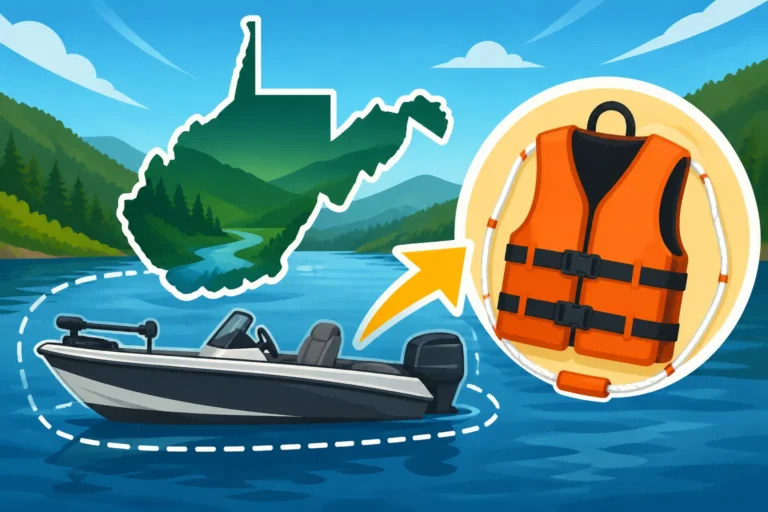
Safety is not optional on the Ohio River. Because it's a large, often fast-moving river with commercial traffic, having the right safety equipment on board is not just good practice, it's the law. Every vessel must carry a U.S. Coast Guard-approved life jacket for each person on board. This is a non-negotiable rule. For children under the age of 13, West Virginia law mandates that they must wear a life jacket at all times while on a moving vessel. This critical requirement is designed to protect the most vulnerable passengers. You can find a wide range of reliable, USCG-approved life jackets on retailers like Amazon, ensuring you have options for all sizes and comfort levels.
Beyond life jackets, other essential safety equipment typically includes:
- Throwable Flotation Device: A ring buoy or seat cushion that can be thrown to someone in the water, especially if your boat is 16 feet or longer.
- Sound-Producing Device: A whistle, horn, or other device capable of producing an audible signal to alert other vessels.
- Visual Distress Signals: Required for vessels operating in coastal waters, though good practice for any large body of water.
- Fire Extinguisher: For motorized vessels, depending on size and fuel system.
- Navigation Lights: If operating between sunset and sunrise, or during periods of restricted visibility.
Failing to have the required safety equipment on board can lead to citations from the WVDNR, local law enforcement, or the U.S. Coast Guard. It's a small investment in time and money that can make a huge difference in an emergency. For a complete rundown of what you need, refer to Life Jacket Requirements for West Virginia Boaters.
Navigation and Operator Responsibilities
Operating a boat on the Ohio River comes with a significant set of responsibilities. This isn't a quiet mountain lake; it's a dynamic environment shared by barges, towboats, pleasure craft, and other anglers. Understanding the "rules of the road," or navigation rules, is crucial. You must always maintain a proper lookout, operate at a safe speed, and yield to commercial traffic. Barges and towboats have limited maneuverability and cannot stop quickly; they always have the right of way. Being aware of their presence and giving them a wide berth is not just polite, it's essential for safety. Many novice boaters underestimate the power and wake generated by these large vessels.
Furthermore, West Virginia has specific laws regarding operating a boat near other anglers. For example, you should avoid passing too closely to a boat or person engaged in fishing, or generating excessive wake that could disturb them or their fishing lines. This is a matter of courtesy and safety. Just as with operating a motor vehicle, operating a boat under the influence of alcohol or drugs is strictly prohibited and carries severe penalties, including fines, loss of boating privileges, and even jail time. Some younger operators may also require a West Virginia Boater Education Certificate Requirement. All these aspects contribute to a safe and enjoyable environment for everyone on the Ohio River.
Special Considerations and Best Practices for Ohio River Fishing
Fishing the Ohio River offers unique rewards, but also comes with particular considerations that anglers need to be aware of, especially when it comes to the health of the fish and the environment. Being a responsible angler means more than just following the rules; it means actively participating in the conservation and enjoyment of this magnificent waterway.
Pollution Advisories and Fish Consumption
Due to its industrial history and the large population centers along its banks, the Ohio River has periodically faced challenges with pollution. While water quality has improved significantly over the decades, it's still prudent for anglers to be aware of potential fish consumption advisories. These advisories are issued by state health departments (including West Virginia's) and recommend limiting or avoiding consumption of certain fish species from specific stretches of the river due to elevated levels of contaminants like mercury or PCBs. The advisories are usually species-specific and often target larger, older predatory fish that have accumulated more contaminants over their lifetime.
Before you plan to make a meal out of your Ohio River catch, always check the latest advisories from the West Virginia Department of Health and Human Resources or the WVDNR. These are usually updated annually and readily available online. For example, some advisories might suggest that women of childbearing age and young children limit or avoid consumption of certain species like channel catfish or flathead catfish above a certain size, while other populations might be advised to limit consumption to one meal per week or month. Catch-and-release fishing is always an option if you're concerned about consumption, and it's a great way to enjoy the sport without worry. You can find general information about Which West Virginia waters have fish consumption advisories through official state channels.
Access Points and Bank Fishing Tips
The Ohio River offers numerous public access points for both boaters and bank anglers along the West Virginia shoreline. These can range from large public boat ramps maintained by the WVDNR or local municipalities, to smaller, more informal access points. Popular areas include stretches near major cities like Huntington, Parkersburg, and Wheeling, as well as numerous lock and dam structures that often concentrate fish. When accessing the river, always be respectful of private property and adhere to any posted rules or regulations. Good access points often feature ample parking, facilities, and safe entry to the water.
For bank anglers, jetties, bridge pilings, and the areas below locks and dams can be prime locations for various species. These structures create current breaks and eddies that attract baitfish and, in turn, game fish like walleye, sauger, and bass. When fishing from the bank, it's crucial to be aware of your surroundings, especially if you're near a busy boat launch or commercial area. Keep your gear organized, use appropriate tackle for the current, and always pack out everything you pack in. Safety is key; the banks can be steep or slick, so sturdy footwear is a must. A good tackle bag from a brand like Amazon Basics or another reliable outdoor brand can help keep your gear organized and accessible for bank fishing.
Reporting Violations and Conservation Efforts
Protecting the Ohio River's fishery resources is a collective responsibility. If you witness any fishing or boating violations – such as exceeding bag limits, using illegal fishing methods, pollution, or unsafe boating practices – it's crucial to report them to the proper authorities. The West Virginia Division of Natural Resources (WVDNR) Law Enforcement section is dedicated to upholding these regulations. You can typically report violations through their regional offices or by calling a dedicated hotline. Your tip, even if anonymous, can help deter illegal activity and protect the resource for everyone. For serious infractions, the penalties for West Virginia fishing without a license penalty can be quite substantial.
Beyond reporting violations, consider getting involved in local conservation efforts. Many angler groups and environmental organizations are actively working to improve the water quality and habitat of the Ohio River. This might involve participating in river clean-ups, advocating for responsible environmental policies, or supporting scientific research. Every angler plays a role in the health of our fisheries, and taking an active interest beyond just catching fish helps ensure that the Ohio River remains a vibrant and productive fishery for generations of West Virginia anglers to come.
Disclaimer
The information provided in this guide is intended for general informational purposes only and does not constitute legal advice. Fishing regulations and laws are subject to change without notice. Anglers are solely responsible for consulting the most current official West Virginia Division of Natural Resources (WVDNR) regulations and local ordinances before engaging in any fishing or boating activities on the Ohio River. Always prioritize safety and adherence to all applicable laws.