How big bluegill get in West Virginia ponds
If you've ever spent a warm afternoon fishing a quiet West Virginia pond, you've probably wondered just how big those bluegill can really get. It's a common thought, especially when you reel in a dink barely bigger than your thumb, yet you've heard tales of dinner-plate sized sunfish. This guide is here to shed some light on the realistic size expectations for bluegill in our mountain state's ponds, exploring what makes some grow into true behemoths while others stay small.
Understanding Bluegill Size in West Virginia Ponds
Bluegill are arguably one of the most popular panfish in West Virginia, especially for families and anglers looking for consistent action. While they might not be the flashiest fish, catching a chunky bluegill can be incredibly rewarding. But what constitutes a "good" size for a bluegill in a West Virginia pond, and how often do you truly run into those legendary giants?
Average vs. Trophy Bluegill Dimensions
Most bluegill you'll encounter in a typical West Virginia farm pond or small community lake will fall into a fairly predictable size range. These are the fish that keep fishing fun for everyone, offering plenty of bites. However, every now and then, conditions align to produce a bluegill that will truly make your jaw drop.
A typical bluegill in a West Virginia pond might measure anywhere from 4 to 7 inches long. These are healthy, active fish, perfect for a casual afternoon of angling. They're fun to catch, put up a decent fight on light tackle, and are often abundant. Their weight usually hovers around a few ounces, maybe a quarter-pound if they're on the larger end of this spectrum. These are the kind you might catch a dozen of in an hour, providing constant entertainment. Many anglers, especially beginners or kids, are thrilled with these common catches, and there’s nothing wrong with that!
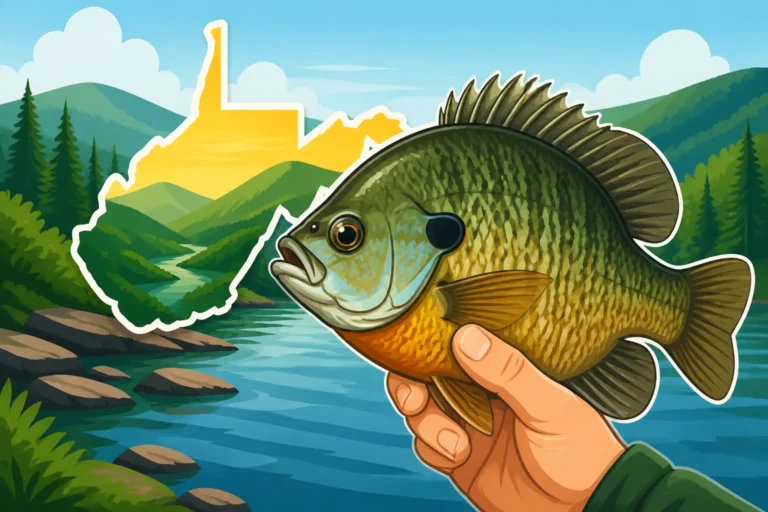
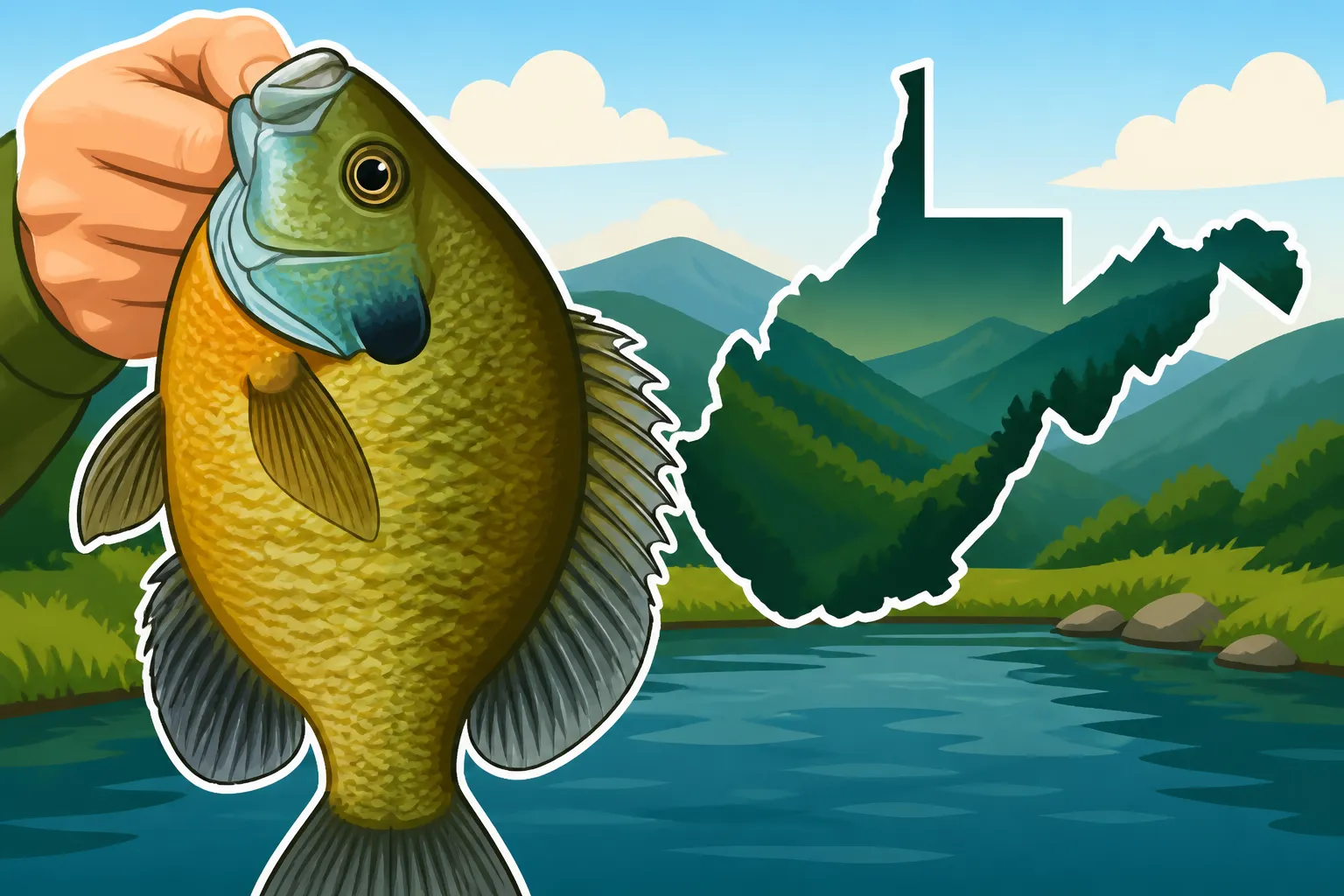
Now, when we talk about a "trophy" bluegill in West Virginia, we're entering a different league entirely. A bluegill earning this title would generally be 8 inches or longer, often pushing past 9 or even 10 inches. These fish are broad across the back, with a noticeable thickness, often described as being "hand-sized" or "dinner plate" sized. Such a fish will typically weigh half a pound or more, with truly exceptional specimens approaching a full pound or even exceeding it. Catching one of these takes a bit more luck, skill, and often, a pond with optimal conditions. You can find more details on what makes these fish special by checking out our guide on Bluegill Habits in West Virginia Ponds.
Here's a quick comparison to give you an idea:
| Characteristic | Average Bluegill (WV Pond) | Trophy Bluegill (WV Pond) |
|---|---|---|
| Length | 4-7 inches | 8-10+ inches |
| Weight | 2-4 ounces | 0.5-1+ pounds |
| Body Shape | Lean to moderately thick | Deep-bodied, very thick |
| Rarity | Common, abundant | Scarce, exceptional |
| Fight | Moderate | Strong, surprisingly powerful |
Factors Influencing Bluegill Growth
It's not just random chance that determines whether a bluegill stays small or grows into a monster. Several key factors play a massive role in their potential size within a given West Virginia pond. Understanding these can help you identify a pond with trophy potential or even manage your own pond for bigger bluegill.
One of the most critical elements is food availability. Bluegill are opportunistic feeders, eating insects, small crustaceans, algae, and even fish eggs. A pond with a rich and diverse food base will naturally support larger, healthier bluegill. This means a good balance of aquatic vegetation (not too much, not too little), plenty of insects, and a healthy plankton population. If a pond is overpopulated with bluegill, however, there won't be enough food to go around, and most fish will be stunted.
Another huge factor is predator presence. In a healthy pond ecosystem, predators like largemouth bass help keep the bluegill population in check. Without enough predators, bluegill will reproduce unchecked, leading to an explosion of small, stunted fish that never reach a decent size due to intense competition for food. On the flip side, too many large predators can decimate the bluegill population entirely, leaving few for anglers. It's a delicate balance! Understanding this relationship is key to managing a healthy pond fishery, which is something we often discuss in articles like Best Largemouth Bass Fishing in West Virginia.
Finally, water quality and habitat are paramount. Ponds with good oxygen levels, proper pH, and suitable depths provide a better environment for bluegill to thrive. Aquatic vegetation, submerged structures, and clear areas all contribute to a balanced habitat where bluegill can find food, shelter, and spawning grounds. A pond that's too shallow, muddy, or lacks structure often won't produce large bluegill.
The Science Behind Bluegill Stunting
It's a common scenario: you find a pond absolutely teeming with bluegill, but every single one is tiny. This isn't just bad luck; it's a classic case of bluegill stunting, and it's something pond owners and anglers in West Virginia encounter all the time. Understanding why this happens is the first step toward finding or creating a pond with truly impressive panfish.
Overpopulation and Food Competition
The primary culprit behind stunted bluegill growth is almost always overpopulation. Bluegill are prolific breeders, spawning multiple times a year, especially in the warm waters of West Virginia ponds. If left unchecked, a small pond can quickly become overwhelmed with thousands of tiny bluegill.
Imagine a cafeteria designed for 100 people, but suddenly 1000 show up. Everyone gets a tiny portion, and no one truly gets enough to grow big and strong. It’s the same with bluegill. When there are too many mouths to feed, the available food resources – insects, plankton, small aquatic organisms – are quickly depleted. Each individual bluegill gets less to eat, and as a result, their growth slows dramatically. They spend all their energy just surviving, with little left for putting on size. This isn't just about the amount of food, but also the quality. They might have to subsist on less nutritious items if the preferred food sources are gone.
This cycle perpetuates itself: small bluegill mature early and reproduce, adding even more small fish to the overpopulated pond. It's a vicious cycle that can be tough to break without intervention. Many ponds across West Virginia suffer from this exact issue, making those "dinner plate" bluegill seem like a myth to many anglers.
Lack of Predation and Imbalanced Ecosystems
In a healthy aquatic ecosystem, predators play a vital role in population control. For bluegill, the primary natural predator in most West Virginia ponds is the largemouth bass. Bass are opportunistic feeders, and young, small bluegill make up a significant portion of their diet. This predation pressure naturally culls the weaker, slower-growing bluegill, leaving more food and space for the survivors to grow larger.
However, if a pond lacks a healthy bass population, or if the bass are too small to effectively prey on the bluegill, the bluegill population can explode. This creates the overpopulation scenario we just discussed. Sometimes, anglers are part of the problem – if everyone catches and keeps every bass they can, the bluegill population can get out of control. Other times, the pond simply wasn't stocked correctly in the first place, or environmental factors led to a decline in the predator numbers.
An imbalanced ecosystem isn't just about fish, though. It can also involve the wrong types or amounts of aquatic vegetation. Too much submerged vegetation can provide too much cover for young bluegill, making it harder for bass to effectively hunt them. This further exacerbates the overpopulation issue. Finding the right balance in pond management is crucial for growing big bluegill. West Virginia Bass Limits and the New River Slot Limit details some of the methods used for bass population control, though it focuses on rivers, the principles are similar for ponds.
Genetics and Pond Management
While food and predation are huge, genetics can also play a subtle role. Some strains of bluegill might simply have a genetic predisposition to grow larger than others, though this is less of a factor in wild or unmanaged ponds. More significantly, pond management practices are often the deciding factor in bluegill size.
A well-managed pond will have a stocking plan that ensures a healthy predator-to-prey ratio. This might involve stocking specific numbers of largemouth bass, channel catfish, or even certain types of sunfish that don't compete directly with bluegill. Regular fishing can also be a management tool. Anglers who consistently harvest smaller bluegill can help reduce competition, allowing the remaining fish to grow faster. Conversely, harvesting too many large bluegill can remove the "good genes" from the population, potentially leading to smaller average sizes over time.
Beyond stocking, things like aeration, liming to adjust pH, and controlling excessive aquatic weeds (perhaps with products available on Amazon that are safe for aquatic environments) all contribute to better water quality and habitat, directly benefiting bluegill growth. Without active management, most ponds in West Virginia will eventually default to a stunted bluegill population, making those impressive 8-inchers a rare sight.
Finding and Catching Bigger Bluegill in West Virginia
So, you're on the hunt for those hand-sized bluegill that can put a serious bend in your ultralight rod. While many West Virginia ponds are full of smaller fish, there are definitely places and strategies that increase your odds of connecting with a true slab. It's all about understanding where the bigger fish hide and what makes them tick.
Identifying Productive Ponds
The first step to catching bigger bluegill is finding the right pond. Small, overlooked farm ponds often hold some surprising giants, especially if they're not heavily fished or are managed by an attentive landowner. Look for ponds that are at least an acre or two in size, as larger bodies of water tend to have more stable ecosystems and food sources. Ponds with a good mix of shallow and deep water, as well as plenty of submerged structure like fallen trees, brush piles, or even old tires, are prime candidates. These structures provide both shelter and ambush points for larger bluegill.
Public access ponds and community lakes can also produce big bluegill, but they might require a bit more searching. These waters often experience higher fishing pressure, which can sometimes lead to smaller average sizes. However, well-managed public ponds or those with stricter regulations on bass harvesting can be excellent. A good starting point might be smaller ponds within state parks or wildlife management areas, which often have dedicated management plans. You might find a gem by exploring options like those mentioned in Best Public Fishing Lakes Near Beckley or other regional guides.
Don't be afraid to ask around. Local bait shops, fellow anglers, or even farmers can often point you toward a hidden gem. Sometimes, the best ponds aren't widely advertised. A healthy population of larger bass in a pond often indicates a good balance for growing big bluegill, as those bass help keep the bluegill numbers in check, allowing survivors to thrive.
Techniques and Tackle for Slab Bluegill
Once you've found a promising pond, your techniques and tackle will play a crucial role. Forget the tiny hooks and bits of worm for the dinks; bigger bluegill often require a slightly different approach. While you still want light tackle to enjoy the fight, a bit more finesse and the right presentation can make all the difference.
For tackle, an ultralight spinning rod and reel combo is perfect. Spool it with 4-6 pound test monofilament or fluorocarbon line. A sensitive rod tip will help you detect the often subtle bites of larger bluegill. When it comes to hooks, step up to a size 8 or even a size 6 bait holder hook. These larger hooks are better suited for bigger mouths and are less likely to be swallowed by smaller fish, making catch-and-release easier. You can find a good selection of specialized panfish tackle on Amazon, from hooks to line. Consider our recommendations in Best Tackle for Panfish for a comprehensive gear list.
As for baits, live bait is often king for trophy bluegill. Small minnows (if legal), red worms, wax worms, or even crickets can entice larger bluegill that are looking for a more substantial meal. Present these baits under a small bobber, or try a tight-line approach on the bottom with a split shot or small sinker, especially around submerged structures. Artificial lures can also be effective. Tiny jigs (1/32 to 1/16 oz) tipped with a small plastic grub or hair jig in natural colors can be deadly. Fly fishing with small poppers, nymphs, or even tiny streamers can also produce amazing results, particularly during insect hatches. Our guide on Best Techniques for Panfish in West Virginia offers even more detailed strategies.
Remember that bigger bluegill are often more cautious. Approach the water quietly, cast accurately to cover, and be patient. They're often found deeper than smaller bluegill, especially during the heat of the day, or tucked tight against cover.
Pond Management Strategies for Growth
If you own a pond in West Virginia and dream of growing those giant bluegill yourself, active management is key. It's not just about stocking fish and hoping for the best; it's about creating and maintaining an optimal environment.
One of the most effective strategies is to establish and maintain a healthy predator population, primarily largemouth bass. The bass act as a natural population control for the bluegill. However, you need enough bass, and the right size of bass. If your bass are too small to eat the bluegill, or if there aren't enough of them, bluegill stunting will occur. Conversely, if your bass are too large and too numerous, they can decimate the bluegill population to the point where there aren't enough to sustain a good fishery. A balanced stocking ratio, often recommended by state fisheries biologists, is critical. This might involve stocking smaller bass frequently, or even removing some larger bass to encourage bluegill growth.
Harvesting is another crucial tool. Many pond owners are hesitant to remove fish, but selective harvesting is essential for good bluegill growth. For stunted ponds, a heavy harvest of smaller bluegill is often necessary to reduce competition. Encourage friends and family to keep a cooler full of smaller bluegill, which makes for excellent eating anyway! For ponds with a good balance, focus on harvesting the "mid-sized" bluegill and releasing the very largest ones, as these larger fish are often the best breeders and can pass on their genes for larger size.
Finally, maintaining good water quality and habitat is non-negotiable. This includes monitoring water parameters, managing excessive aquatic vegetation (perhaps with non-toxic pond dyes or natural weed control products available on Amazon), and adding artificial habitat like PVC fish condos or brush piles in deeper water. These structures provide cover and foraging opportunities, helping bluegill grow larger and healthier. A properly managed pond can consistently produce impressive bluegill for years to come, turning those tall tales into real-life catches. You can read more about pond health by exploring West Virginia Fishing Regulations Explained or consulting your local DNR resources.
Conclusion: Pursuing the West Virginia Bluegill Dream
The quest for a truly massive bluegill in West Virginia ponds is a rewarding one, though it often requires more than just a worm and a bobber. While most of the bluegill you'll encounter will be those feisty 4-7 inchers, the potential for a "dinner plate" slab is absolutely there. It's about understanding the delicate balance of a pond's ecosystem—from food availability and predator presence to water quality and thoughtful management.
Whether you're exploring lesser-known farm ponds, carefully managing your own aquatic sanctuary, or refining your techniques with ultralight gear and specific baits, every step you take can increase your chances of reeling in a bluegill that truly stands out. These impressive panfish aren't just a joy to catch; they're a testament to a healthy, thriving aquatic environment. So, next time you head out to a West Virginia pond, remember that patience and a bit of know-how might just lead you to that bluegill of a lifetime.
Disclaimer
This article is for general informational purposes only and does not constitute professional advice. Laws, prices and regulations vary by location and change over time. Consult a qualified professional for guidance on your specific situation.