Which lakes get striped bass hybrid stockings
Ah, the quest for West Virginia's hybrid striped bass! I totally get it. There's nothing quite like the raw power of a hybrid striper on the end of your line, but if you don't know which waters actually get these feisty fish, you're just casting into the void. This guide is all about cutting through the guesswork, pinpointing the specific West Virginia lakes where you can expect to find these exhilarating, hard-fighting hybrids, and giving you the lowdown on how to tackle them.
The Appeal of West Virginia's Hybrid Striped Bass Program
Let's be real, a lot of folks head to West Virginia for the smallmouth or the trout, and don't get me wrong, those are fantastic pursuits! But for those who crave a different kind of fight, a truly powerful tug-of-war, the hybrid striped bass offers an incredible experience. These fish are essentially a cross between a striped bass and a white bass, engineered for fast growth, aggressive feeding, and an incredible battle on the line. They bring a unique dynamic to our Mountain State waters that many anglers might not even realize exists.
Why Hybrid Stripers Are Such a Blast to Catch
Imagine hooking into something that hits like a freight train, strips line off your reel with relentless power, and doesn't give up until it's boatside. That's a hybrid striper for you! They combine the brute strength of a true striped bass with the feisty, schooling nature of a white bass. This means not only do they fight hard, but when you find one, you often find a whole school. It's not uncommon to experience multiple hookups in quick succession, turning a quiet day into an adrenaline-pumping flurry of activity.
The thrill isn't just in the fight; it's also in the chase. These fish are predators, often busting baitfish on the surface, creating a visual spectacle that gets any angler's heart racing. They're typically stocked in larger reservoirs, offering plenty of open water to pursue them, whether you're trolling, casting, or even chasing surface boils. They grow to impressive sizes, offering a trophy-class fish without the same level of difficulty often associated with purebred striped bass in other regions. Their sheer willingness to chase a variety of baits and lures makes them an incredibly rewarding species to target, especially once you've dialed into their patterns.
The Role of Stocking in Creating Angler Opportunities
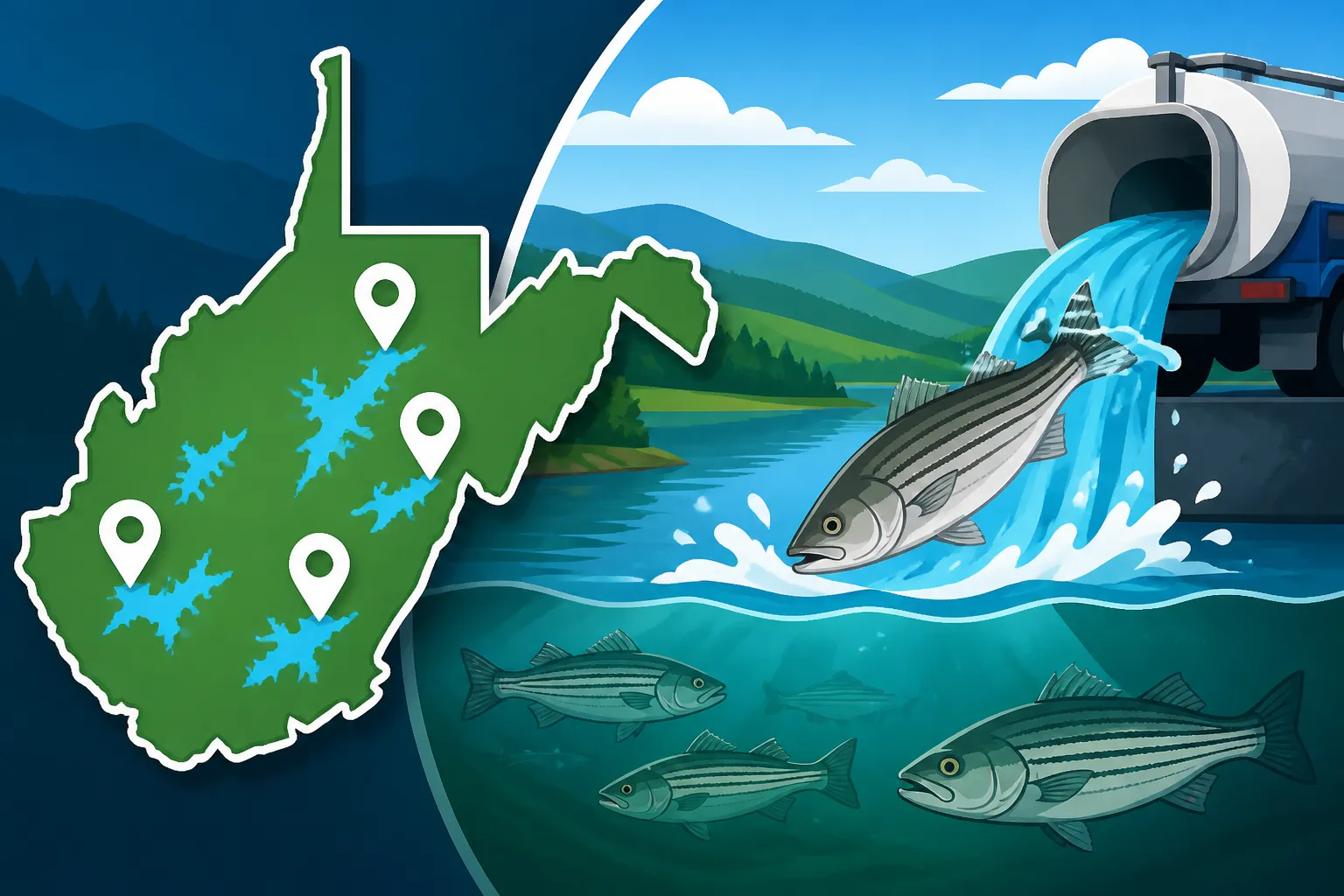
Unlike some of our native species, hybrid striped bass don't naturally reproduce in West Virginia's lakes. This means that the fantastic fishing opportunities we enjoy are entirely thanks to the dedicated efforts of the West Virginia Division of Natural Resources (WV DNR) stocking program. They raise these fish in hatcheries and release them into specific bodies of water to create a robust and sustainable fishery. Without these regular stockings, we simply wouldn't have this exciting species in our lakes.
This reliance on stocking means that the fishing quality can sometimes fluctuate depending on the year's stocking numbers, survival rates, and natural mortality. However, the WV DNR does a remarkable job of managing these fisheries, ensuring that anglers have consistent opportunities to target these prized gamefish. It also means that anglers have a responsibility to be mindful of regulations, as bag and possession limits are carefully set to help sustain the population from year to year. Understanding that these fish are a product of management efforts gives you a deeper appreciation for every strike and every fish brought to the net. It's a testament to how human intervention, when done thoughtfully, can enhance our natural resources and provide incredible recreational value.
Prime Waters for West Virginia's Hybrid Striped Bass Stockings
When it comes to finding hybrid striped bass in West Virginia, you need to know where the WV DNR focuses its stocking efforts. These aren't fish you'll find in every farm pond or small mountain stream. They require large, fertile reservoirs with ample forage and deep, cool water refuges, especially in the warmer months. Thankfully, the state has a few excellent impoundments that fit this bill perfectly, offering consistent action for those seeking the thrill of a hybrid striper.
Summersville Lake: A Hybrid Hotspot
Summersville Lake, nestled in Nicholas County, is arguably one of West Virginia's premier destinations for hybrid striped bass. This massive, deep, clear lake is known for its stunning cliffs, crystal-clear water, and excellent fishing for a variety of species, but the hybrid striper program here is truly exceptional. The lake's vast expanses of open water, combined with abundant baitfish like gizzard shad, create the perfect environment for these aggressive predators to thrive and grow to impressive sizes.
Anglers often find success by targeting schooling hybrids in the main lake basin, especially around prominent points, humps, and submerged structure. During the warmer months, the hybrids tend to hold in deeper, cooler water, often suspending over open water, but they will regularly push baitfish to the surface, creating those exciting "boils" that are a dead giveaway to their presence. Early mornings and late evenings, or even overcast days, can be prime times for surface activity. Summersville Lake Fishing Guide offers a broader look at this fantastic lake. If you're serious about locating these fish in the deeper water, investing in a quality fish finder, easily found on Amazon, can make all the difference, helping you pinpoint those bait balls and the hybrids lurking beneath them.
Sutton Lake: Consistent Action for Anglers
Head north to Braxton County, and you'll discover Sutton Lake, another fantastic hybrid striped bass fishery. Sutton Lake is a beautiful Army Corps of Engineers reservoir that offers a slightly different character than Summersville, often with more stained water, which can sometimes concentrate the fish differently. It's another large body of water that the WV DNR regularly stocks with hybrid stripers, making it a reliable destination for anglers.
Much like Summersville, Sutton Lake's hybrids will key in on baitfish schools. The shallower coves and feeder creeks can be productive in the spring and fall, especially when the baitfish are active. During summer, look for them suspending in the main lake, often near the dam or deeper channels. Trolling with crankbaits or large spoons is a very popular and effective method here, allowing you to cover vast amounts of water and present lures at various depths until you find the active schools. For specific trolling gear, dedicated trolling rods or planers are often available through retailers like Amazon, which can greatly enhance your success on lakes like Sutton. Anglers interested in more detail can check out Sutton Lake Fishing.
Bluestone Lake: Southern West Virginia's Hybrid Haven
Moving south to Hinton, in Summers County, we find Bluestone Lake, West Virginia's largest lake by surface area. This sprawling reservoir, formed by the Bluestone Dam on the New River, is another key component of the state's hybrid striped bass stocking program. Its immense size, diverse topography, and connection to the New River Gorge Fishing Guide mean it supports a wide variety of fish, with hybrids being a significant draw.
Bluestone Lake's hybrids will patrol its vast waters, often following the movements of shad and other forage. Due to its size, covering water effectively is key. Boat anglers will often use sonar to find schools of bait and actively feeding hybrids. When they are feeding on the surface, the action can be explosive. Bank access can be a bit more challenging on a lake of this size, but there are areas near the Bluestone State Park and other public access points where shore anglers can try their luck, especially during times when the hybrids move closer to shore. Keep an eye on reports and local knowledge; the fish can be nomadic in such a large system.
Comparison of Key Hybrid Striper Lakes
To give you a clearer picture of these prime hybrid striper lakes, here's a quick comparison of what each generally offers:
| Lake Name | County | Primary Characteristics | Common Fishing Methods | Special Notes |
|---|---|---|---|---|
| Summersville Lake | Nicholas | Deep, clear, steep rocky banks, abundant shad | Casting (jigs, spoons, swimbaits), trolling | Known for aggressive topwater action; excellent visibility. |
| Sutton Lake | Braxton | Large, deep, often stained water, good forage | Trolling (crankbaits, spoons), jigging | Reliable stockings; fish can be more spread out. |
| Bluestone Lake | Summers | West Virginia's largest, diverse habitat, New River influence | Trolling, casting, live bait | Vast, challenging due to size; follow baitfish movements. |
Techniques and Timing for Targeting Hybrid Stripers in Stocked Lakes
Catching hybrid stripers isn't just about showing up; it's about understanding their behavior, what they like to eat, and when they're most active. These fish are creatures of habit and opportunity, and by tailoring your techniques to the season and conditions, you can dramatically increase your chances of success.
Seasonal Strategies: When and Where to Find Them
Hybrid stripers are active year-round in West Virginia's stocked lakes, but their locations and feeding patterns shift with the seasons.
- Spring (March-May): As water temperatures rise, hybrids become very active and often move into shallower areas, especially near creek mouths and points where baitfish are congregating. This is an excellent time for casting lipless crankbaits, jerkbaits, and swimbaits into these feeding zones. They might even be found closer to the surface more consistently.
- Summer (June-August): This is when the fish generally head for deeper, cooler water. They'll often suspend over open water in the main lake, following dense schools of baitfish. Trolling deep-diving crankbaits or spoons at various depths is a very effective strategy. Look for surface boils during low-light hours or on overcast days, as these fish will aggressively push bait to the surface. A good fish finder is invaluable now. For an in-depth look at optimal times, consult West Virginia Fishing Seasons by Month.
- Fall (September-November): As water temperatures cool, hybrids return to shallower areas, often exhibiting aggressive "feeding frenzies." This is perhaps the most exciting time to target them, as they frequently chase baitfish to the surface, creating spectacular busting action. Topwater lures, large swimbaits, and spinnerbaits can be incredibly effective during these feeding binges.
- Winter (December-February): Don't count them out in winter! Hybrids will be much deeper and less active, but still catchable. Vertical jigging spoons or heavy jigs over deep structure, humps, or channel edges can produce results. You'll need patience and precise boat control, but the rewards can be substantial, often finding fish grouped tightly.
Essential Gear and Bait for Hybrid Striped Bass
To tangle with these powerful fish, you'll need gear that can handle the abuse. Light tackle simply won't cut it.
- Rods and Reels: A medium-heavy to heavy action spinning or baitcasting rod, typically 6'6" to 7'6" in length, is ideal. Pair this with a robust reel spooled with 15-20 lb monofilament or 30-50 lb braided line. The drag system is paramount – make sure it's smooth and reliable. A robust rod and reel setup, which you can often research and purchase through Amazon, will be your best friend.
- Lures: Hybrid stripers are opportunistic predators and will hit a wide variety of artificials.
- Crankbaits: Deep-diving crankbaits are fantastic for trolling or casting to suspending fish. Match colors to local baitfish (silver, blue, shad patterns).
- Jigs & Spoons: Heavy jigging spoons (1/2 oz to 1 oz+) are excellent for vertical jigging on deep schools. Bucktail jigs and soft plastic swimbaits on jig heads also produce.
- Topwater Lures: Poppers, walk-the-dog lures, and pencil poppers are incredibly exciting when hybrids are busting bait on the surface.
- Live Bait: If artificials aren't cutting it, live bait is often irresistible. Gizzard shad, threadfin shad, or large shiners are prime choices, fished under a bobber or on a bottom rig.
- Terminal Tackle: Use strong snaps, swivels, and leader material (e.g., 20-30 lb fluorocarbon) to prevent break-offs from their powerful runs and abrasive mouths. For more specific lure recommendations, Best Techniques for Striped Bass Hybrids provides excellent guidance.
Locating Schools with Electronics and Observation
Finding hybrid stripers often means finding their food source. These fish are constantly on the move, chasing baitfish.
- Fish Finders/Sonar: This is your most valuable tool, especially in large, deep lakes. Look for large schools of baitfish (often appearing as dense clouds or blobs) and then look for larger, individual arches (the hybrids!) lurking nearby or directly underneath. Pay attention to structure like humps, points, and channel edges, as these are natural ambush points. Many excellent fish finders, with detailed mapping and down/side imaging, are available through platforms like Amazon, making it easier than ever to pinpoint these elusive schools.
- Surface Activity: Always keep an eye on the water's surface, particularly at dawn, dusk, or on overcast days. If you see birds diving, baitfish scattering, or noticeable "boils" or "blowups" where fish are busting the surface, get over there quickly! Cast topwater lures or fast-moving baits into the melee.
- Drifting/Trolling Patterns: If you're not seeing surface activity and your electronics aren't showing clear schools, employ a systematic approach by either slow-trolling or drifting over known baitfish areas or structural elements. Vary your depth and lure presentation until you get a strike, then repeat that pattern.
Planning Your Trip to West Virginia's Hybrid Striper Lakes
Successfully targeting hybrid striped bass in West Virginia's premier lakes requires a bit more planning than just grabbing a rod and heading out. These are large waters, and knowing the logistics—from how to get on the water to understanding the specific rules—will make your trip much more enjoyable and productive.
Access Points and Boating Considerations
The lakes known for hybrid striper stockings—Summersville, Sutton, and Bluestone—are substantial bodies of water, which means a good boat is often essential for effective fishing.
- Boat Ramps: All three lakes have well-maintained public boat ramps. Summersville Lake has multiple ramps, including Battle Run and Long Point, offering excellent access. Sutton Lake has facilities like the Bee Run Day Use Area. Bluestone Lake, being the largest, offers several launch points, with the Bluestone State Park marina and various Corps of Engineers ramps providing good options. Be prepared for potential fees during peak season or for parking.
- Boat Types: Given the size and potential for rough water (especially on Summersville or Bluestone if the wind kicks up), a stable fishing boat with a reliable motor is highly recommended. Bass boats, center console boats, or even larger jon boats with adequate horsepower can be suitable. Kayaks can be used, but they limit your range and safety on these expansive waters, particularly when chasing fast-moving schools or if weather changes quickly. If you're considering a new vessel, Best Boats for West Virginia Rivers and Lakes offers a great overview.
- Safety Gear: Always, always ensure you have all required safety equipment, including life jackets for everyone on board (especially children under 13), throwable flotation devices, visual distress signals, and a sounding device. These lakes are beautiful but can become dangerous quickly with changing weather.
Regulations and Conservation for Sustainable Fishing
Understanding and adhering to fishing regulations isn't just about avoiding a fine; it's about protecting the very fishery you're enjoying. The WV DNR works hard to manage these stocked populations for long-term health.
- Fishing License: First and foremost, you'll need a valid West Virginia fishing license, along with any necessary stamps, such as the Conservation Stamp. Make sure you check the current fees and options available, including resident vs. nonresident licenses. More information on this can be found in How Much Does a West Virginia Fishing License Cost and West Virginia Fishing License Guide for 2026.
- Specific Regulations for Hybrid Striped Bass: Always consult the most current West Virginia Fishing Regulations Summary. Hybrid striped bass often have specific creel (daily bag) and size limits that differ from other species. These limits are set to ensure the sustainability of the stocked population and to provide ample angling opportunities. For instance, there might be a limit on the number of fish you can keep over a certain length. Pay close attention to these details, as they can change annually. West Virginia Bag and Possession Limits by Species is a good resource.
- Catch and Release: While it's certainly rewarding to keep a few hybrids for the dinner table (they are excellent eating!), practicing catch and release, especially for larger specimens, helps maintain a robust fishery. If you do plan to release fish, handle them carefully with wet hands, use appropriate landing nets (rubberized mesh is best to protect their slime coat), and minimize their time out of the water.
By being prepared with the right knowledge and gear, you'll be well on your way to experiencing the exciting world of West Virginia's hybrid striped bass. There's truly nothing quite like it!
Disclaimer
This article is for general informational purposes only and does not constitute professional advice. Laws, prices and regulations vary by location and change over time. Consult a qualified professional for guidance on your specific situation.