How to Catch Walleye in West Virginia
There’s nothing quite like the thrill of feeling that distinct thump on your line, the tell-tale sign of a walleye hitting your bait. But let's be honest, chasing these elusive "eyes" in West Virginia can sometimes feel like a game of hide-and-seek, especially if you're new to their habits or exploring unfamiliar waters. This comprehensive guide is designed to cut through the confusion, offering you proven strategies, gear recommendations, and location insights to dramatically improve your walleye catching success across the Mountain State.
Understanding West Virginia Walleye: Habits and Habitats
Walleye are a fascinating species, known for their keen eyesight in low light and their preference for specific environments. If you want to consistently put them in the boat (or on the bank!), you first need to understand where they live and what makes them tick. Ignoring these fundamental aspects is like trying to find a needle in a haystack blindfolded; you might get lucky, but it's far from efficient.
Where Walleye Live in West Virginia
In West Virginia, walleye primarily thrive in larger, cooler reservoirs and the major river systems. They're not going to be hiding out in every little creek, so targeting the right kind of water is your first crucial step. Think deep, clear to moderately stained water with plenty of structure, and you're generally on the right track. They appreciate complex underwater topography, whether it’s rock piles, old creek channels, humps, or submerged timber, as these provide both ambush points and protection.
For instance, lakes like Summersville Lake, Tygart Lake, and Stonewall Jackson Lake are prime walleye territory because they offer the depth and structure these fish crave. Rivers like the Ohio River, the Kanawha, and even parts of the New River, especially below dams or in deeper pools, can hold impressive numbers of walleye. These riverine systems provide current breaks and gravelly bottoms, which are ideal for foraging and spawning. Knowing the specific characteristics of these bodies of water will give you a significant advantage, helping you narrow down your search from the entire lake or river to more manageable, productive areas.
Walleye Behavior Through the Seasons
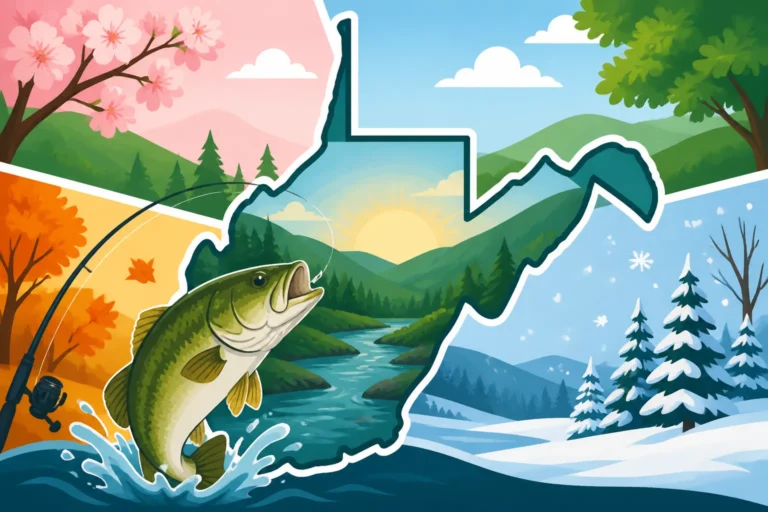
Walleye are creatures of habit, and their behavior changes significantly with the seasons, largely dictated by water temperature and their biological drive to spawn and feed. Understanding these seasonal shifts is absolutely critical to presenting your baits effectively and finding them in the right locations. What works in spring will likely fall flat in the heat of summer, and vice-versa.
In early spring, as ice recedes and water temperatures begin to climb into the 40s and 50s Fahrenheit, walleye start to move towards their spawning grounds. This is a crucial time, often coinciding with the Walleye Spawning Season in West Virginia, where they seek out rocky shorelines, gravel bars, and tributary mouths in shallower water. Post-spawn, they'll often recuperate for a short period before beginning a more aggressive feeding pattern. Come summer, as surface waters warm dramatically, walleye retreat to deeper, cooler sections of lakes and rivers, often congregating around thermal stratification lines or deep structure where they can find comfort and ambush prey. This often leads to Best Time of Day to Catch Walleye in West Virginia being early morning, late evening, or even night.
As fall approaches and water temperatures cool again, walleye enter a major feeding period to build up fat reserves for winter. They become more active and can be found in a wider range of depths, often chasing baitfish schools in open water or along prominent points and humps. Finally, in winter, especially if ice fishing is an option, they'll become more lethargic but still feed, often holding tight to deep structure or basin edges. Each season demands a different approach, both in terms of where you look and how you present your offerings.
Identifying West Virginia Walleye
Being able to properly identify a walleye isn't just about showing off your catch; it's essential for adhering to regulations and understanding the species you're targeting. Walleye have a very distinct appearance that sets them apart from other fish you might encounter in West Virginia waters. They're often confused with their smaller cousin, the sauger, but a few key features make identification relatively straightforward once you know what to look for.
The most prominent identifying feature of a walleye is its large, opaque eye, which appears cloudy or "walleyed" due to a reflective layer called the tapetum lucidum. This gives them excellent low-light vision, which is why they're often more active during dawn, dusk, and even after dark. Their bodies are elongated and torpedo-shaped, typically olive green to gold on the back, fading to white on the belly, with brassy flecks on their sides. They have two dorsal fins: the first is spiny, and the second is soft-rayed. Look for a distinct, dark spot at the base of the last rays of the spiny dorsal fin—this is a classic walleye marker that sauger lack.
Contrast this with a sauger, which will have distinct spots on its spiny dorsal fin and generally a more mottled, brownish coloration. Walleye also tend to grow significantly larger than sauger, with trophy specimens in West Virginia reaching impressive lengths and weights. Knowing these visual cues ensures you're correctly reporting your catch and complying with specific size and creel limits that might apply to walleye versus other similar-looking species.
Essential Gear for West Virginia Walleye Anglers
Having the right tools for the job can make all the difference between a frustrating day on the water and a memorable one. Walleye fishing demands a certain level of finesse and strength, so your gear needs to be up to the task. Skimping on quality here can lead to lost fish, broken lines, and a whole lot of disappointment.
Rods, Reels, and Line for Walleye
When it comes to rods and reels for walleye, versatility is key, but so is matching your setup to your primary technique. For jigging, which is incredibly effective for walleye, a sensitive medium-light to medium power spinning rod, typically 6'6" to 7' long, with a fast action tip, is ideal. This setup allows you to feel those subtle bites and transmit even the lightest tap from a fish. Paired with a smooth 2000-3000 series spinning reel, you’ll have plenty of drag power and line capacity. For trolling or casting heavier baits, a medium-heavy baitcasting setup might be more appropriate, offering greater backbone and control. You can find a great selection of reliable rods and reels for various techniques on sites like Amazon, often with helpful reviews from other anglers.
Line choice is also critical. Many walleye anglers swear by braided line for its sensitivity and lack of stretch, especially when jigging or feeling for light bites in deep water. A 10-20 lb braid is common, often paired with a 6-10 lb fluorocarbon leader. The fluorocarbon leader is virtually invisible underwater, which can be a huge advantage in clear waters, and provides a bit of stretch for shock absorption, preventing hooks from tearing out. Monofilament, while less sensitive, can also be a good choice for trolling due to its stretch properties, which absorb strikes and reduce line twist. The goal is to balance sensitivity with strength and stealth, ensuring you can feel the bite, set the hook, and land that fish without breakage.
Baits and Lures That Walleye Can't Resist
Walleye are opportunistic predators, but they do have preferences, and certain baits and lures consistently outperform others. Understanding what these fish feed on locally is a massive advantage. Small baitfish like shad, shiners, and alewives are common forage, as are crawfish and even insect larvae. Your lure selection should mimic these natural food sources or appeal to their predatory instincts.
Jigs are arguably the most versatile walleye lure. From simple lead head jigs tipped with live minnows or soft plastic grubs to highly specialized jigging spoons and blade baits, they can be presented vertically or cast and retrieved. Color often matters, with natural hues like greens, browns, and whites working well in clear water, and brighter colors like chartreuse or orange being effective in stained or low-light conditions. Crankbaits are another walleye staple, especially for trolling or covering large areas. Deep-diving models can reach walleye holding on deep structure, while shallow-running versions are excellent for casting to shorelines during low-light periods. Brands like Rapala, Berkley, and Bandit offer a wide array of effective crankbaits.
Live bait, however, often remains king for walleye. Minnows, shiners, leeches, and nightcrawlers presented on a simple jig head, slip bobber rig, or bottom bouncer can be deadly. A common strategy involves a "rigging" setup with a plain hook, swivels, and an egg sinker, allowing your live bait to drift naturally near the bottom. The key is to experiment. Start with proven producers, but don't be afraid to change colors, sizes, or even lure types if the walleye aren't responding. Sometimes a subtle change can be the difference between a slow day and a banner day.
Navigational and Safety Equipment
Beyond rods and reels, having the right navigational and safety equipment is crucial, especially when exploring large lakes or rivers that can have unpredictable conditions. Nobody wants a fishing trip to turn into an emergency, and being prepared makes for a much more enjoyable and confident experience. Whether you're in a full-sized bass boat or a kayak, certain items are non-negotiable.
A reliable fish finder is practically a necessity for modern walleye fishing, especially in reservoirs. Devices like those from Humminbird or Lowrance allow you to pinpoint underwater structure, identify schools of baitfish, and even mark individual walleye. This significantly reduces the guesswork and allows you to present your bait exactly where the fish are holding. Many anglers also use GPS mapping capabilities on their fish finders or standalone units to mark productive spots and navigate safely, especially at night or in foggy conditions. You can find excellent marine electronics and accessories on Amazon that cater to various budgets and needs.
Safety equipment is paramount. This includes personal flotation devices (PFDs) for everyone on board, a sound-producing device (like a whistle or horn), navigation lights if operating at dawn, dusk, or night, and a fire extinguisher if you have an engine. For those venturing onto larger rivers or lakes, a marine radio or a fully charged cell phone in a waterproof bag is a smart addition. It's also wise to check the West Virginia Boat Registration Requirements and ensure your vessel is properly equipped and registered before hitting the water. Always monitor weather forecasts and be prepared to head for shore if conditions deteriorate, as West Virginia's weather can change quickly, especially in mountainous regions.
Mastering Walleye Techniques for Every Season
Walleye fishing isn't a one-size-fits-all endeavor. The techniques that yield success in the spring might be completely ineffective in the heat of summer. Adapting your approach to the season is a hallmark of a truly skilled walleye angler. Let's break down how to tackle these golden-eyed predators throughout the year.
Spring Walleye Tactics: Pre-Spawn and Spawn
Spring is a time of anticipation and opportunity for walleye anglers, as these fish become highly concentrated during their pre-spawn and spawning phases. As ice recedes and water temperatures begin to inch into the low to mid-40s Fahrenheit, walleye move from their deeper wintering grounds towards shallower areas with hard bottoms – often rocky points, gravel flats, and tributary mouths. This pre-spawn period is when they feed heavily to build energy for the upcoming spawn.
During pre-spawn, vertical jigging with a minnow or soft plastic can be incredibly effective, especially in areas adjacent to spawning grounds. Fish slowly, bumping your jig along the bottom, as walleye are often lethargic in cold water. As temperatures climb closer to the mid-40s to low 50s, the spawn begins. Walleye will move onto shallow rock and gravel bars, often in 1-5 feet of water, primarily at night. During this phase, they can be notoriously difficult to catch as their focus is on reproduction, not feeding. However, targeting adjacent staging areas with slow presentations, like a hair jig or a stick bait, can still produce. Remember that specific West Virginia Fishing Season Dates and Closures may apply, especially for sensitive spawning periods, so always check the regulations.
After the spawn, as water temperatures rise into the mid-50s, walleye begin to recover and move into a post-spawn feeding frenzy. They'll often spread out, but can be found relating to breaklines, points, and channel edges near their spawning areas. Trolling crankbaits or even casting shallow-running stickbaits can be highly productive as they actively chase baitfish. This period, while sometimes challenging right after the spawn, offers fantastic opportunities as walleye are hungry and looking to replenish their energy. Focus on areas where food sources are plentiful and easily accessible, such as shallow flats near deeper water.
Summer Walleye Strategies: Deep Water and Night Fishing
Summer brings warmer water, and with it, a significant shift in walleye behavior. As surface temperatures soar, walleye in lakes will retreat to deeper, cooler sections where they can find thermal comfort and abundant oxygen. This often means targeting depths of 15-40 feet or more, depending on the lake's thermocline and overall depth. In rivers, they'll seek out deep holes, current breaks, and the cooler water found below dams.
One of the most effective summer techniques is deep trolling. Using planer boards to spread out your lines and deep-diving crankbaits or crawler harnesses can help you cover vast expanses of water and find scattered fish. Pay close attention to your fish finder; walleye will often hold to specific depths, so once you find that "magic depth," try to stay on it. Another popular method is bottom bouncing with live bait rigs, allowing you to present a worm or minnow right on the bottom where walleye are often feeding. This technique is particularly effective over subtle changes in bottom contour. You can find detailed strategies in guides like Trolling Techniques for West Virginia Lake Walleye.
Summer is also prime time for night fishing for walleye. Their exceptional low-light vision gives them a distinct advantage over their prey, making them much more active after sunset. Casting shallow-running crankbaits or even stick baits to dark shorelines, especially those with rocky structure or submerged vegetation, can be incredibly productive. Vertically jigging lighted jigs or glow-in-the-dark spoons over deep humps and ledges can also entice bites. The cool, quiet night offers a different kind of fishing experience, and often, much larger walleye. Always exercise extra caution and have proper lighting and safety gear when fishing after dark.
Fall Walleye Action: Feeding Frenzies
As autumn arrives and water temperatures begin to drop into the 60s and 50s Fahrenheit, walleye enter one of their most aggressive feeding periods of the year. This is their chance to gorge themselves and build up fat reserves for the lean winter months, making them more willing to strike a variety of presentations. Anglers who focus on fall walleye often experience some of the best action of the year.
During the early fall, walleye may still be found somewhat deep, but they'll start to range into shallower waters more frequently, especially during overcast days or low light. They'll actively chase baitfish, so presentations that mimic struggling or fleeing forage are key. Trolling larger crankbaits, spoons, or even swimbaits along breaklines, points, and humps can be highly effective. The key is to match the size and color of your lures to the predominant baitfish in the system. As the water continues to cool, walleye will often concentrate more tightly on specific structures, making them easier to target once found.
Late fall, as water temperatures dip into the 40s, sees walleye often migrating towards their wintering areas, which can be large deep basins or specific river channels. Vertical jigging with heavy spoons, blade baits, or large soft plastics becomes increasingly effective. These baits allow you to precisely target fish holding tight to the bottom in deeper water. Look for humps, steep drops, and underwater points where current concentrates baitfish. While the weather might be colder, the fishing can be hot, offering the chance at some truly trophy-sized walleye before winter sets in fully.
Winter Walleye and Ice Fishing Opportunities
Winter walleye fishing can be incredibly rewarding, especially if you embrace the chilly conditions and the unique challenges of ice fishing. While walleye metabolism slows down in cold water, they still need to feed, and often, they become more concentrated, making them easier to locate once you find a productive spot. This is not the time for fast, erratic presentations; patience and subtlety are your best friends.
For open-water anglers who can still access lakes and rivers before they freeze over, or on sections of rivers that remain ice-free, walleye will be found in their deepest wintering holes. Slow trolling with heavy jigs tipped with minnows or blade baits bounced near the bottom can entice sluggish fish. Look for steep channel edges, deep humps, or structure that offers thermal refuge. This type of fishing requires a good understanding of the bottom contour and precise boat control.
Once the ice is safe, ice fishing for walleye opens up new possibilities. Walleye will often be found near deep breaklines, main lake points, or humps, especially where there's soft bottom adjacent to harder structure. Jigging spoons, minnow-imitating lures, and even deadsticking a live minnow under a tip-up are all proven tactics. The key is to drill multiple holes and move frequently until you locate active fish. Ice fishing demands specific gear, including an ice auger, a shelter, and warm clothing, but the reward of a fresh walleye caught through the ice is truly special. Always check local ice conditions and err on the side of caution when venturing onto frozen bodies of water.
Key Walleye Fishing Locations in West Virginia
Knowing the techniques is great, but knowing where to apply them is equally important. West Virginia boasts several fantastic walleye fisheries, each with its own unique characteristics and challenges. From sprawling reservoirs to mighty rivers, there's a walleye opportunity waiting for you.
Reservoir Walleye Hotspots
West Virginia’s reservoirs are often the go-to spots for walleye anglers, providing expansive waters and diverse habitats. These man-made lakes typically feature deep channels, submerged timber, rock piles, and points that attract and hold walleye. A prime example is Summersville Lake, West Virginia's largest lake, known for its clear, deep water and excellent walleye population. Here, walleye often relate to the old Gauley River channel, deep points, and submerged humps. Trolling deep-diving crankbaits or vertical jigging with spoons in 20-40 feet of water are common tactics. The lake’s rocky bottom provides ideal conditions for walleye to ambush prey.
Another powerhouse is Tygart Lake near Grafton. This lake is known for its walleye and often gets overlooked. Walleye here can be found along the deep ledges and channels, particularly in the lower end of the lake. Early spring can see fish moving shallower for spawning, while summer months require targeting deeper structure with jigs or slow-trolled crawler harnesses. Similarly, Stonewall Jackson Lake also offers a decent walleye fishery, especially around submerged brush piles and creek channels. These lakes often benefit from a good fish finder to locate schools of baitfish and the walleye that follow them. When planning a trip, consider looking into a comprehensive guide for specific locations, such as the Tygart Lake Fishing Guide or the Stonewall Jackson Lake Fishing guide.
Riverine Walleye Runs
While reservoirs get a lot of attention, West Virginia's rivers also offer incredible walleye fishing, particularly during specific runs. River walleye often behave differently than their lake counterparts, with current and specific structure playing a more significant role in their movements and feeding patterns. These can be some of the most challenging but also most rewarding walleye fisheries.
The Ohio River is arguably West Virginia’s premier riverine walleye destination. Walleye thrive in its deeper pools, below dams, and along rip-rap shorelines. The current dictates much of their movement, and finding current breaks – behind islands, submerged logs, or eddies – is often key. Jigging with heavier jigs, often 3/8 to 3/4 ounce, tipped with minnows or soft plastics is a common and effective technique. Trolling current seams with shad-imitating crankbaits can also produce. For comprehensive information on this expansive waterway, check out the Ohio River Fishing Guide for West Virginia Anglers.
Other rivers, like the Kanawha River and sections of the New River below dams, also hold good walleye populations. On these rivers, look for deeper scour holes, submerged rock ledges, and areas where tributaries enter, bringing in cooler, oxygenated water and baitfish. During periods of increased flow, walleye will often tuck into slack water pockets out of the main current. Boat control is essential when fishing rivers, whether you're using a trolling motor to hold position or drifting with the current, ensuring your bait stays in the strike zone for as long as possible.
Special Considerations for the Ohio River
Fishing the Ohio River for walleye presents unique opportunities and challenges that warrant special attention. It’s a vast, dynamic system influenced by locks and dams, commercial traffic, and fluctuating water levels. Success here often hinges on understanding these factors and adapting your approach accordingly.
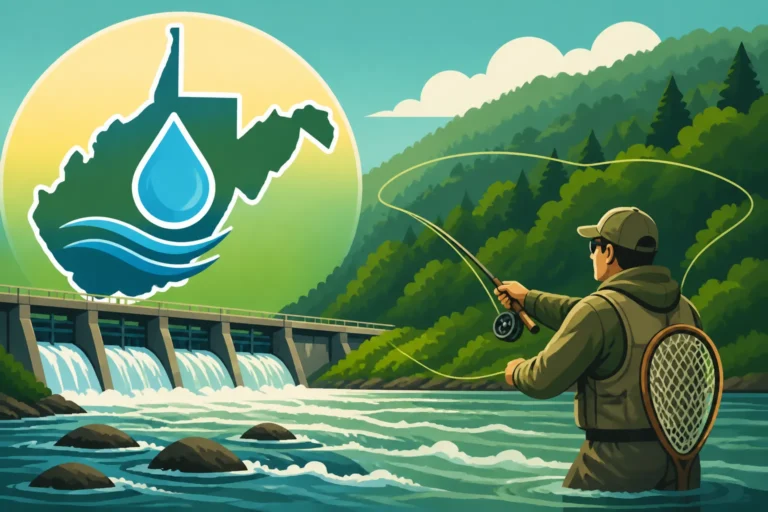
One of the most productive areas on the Ohio River for walleye is directly below the numerous locks and dams. These structures create turbulent water and current breaks, concentrating baitfish and, consequently, walleye. Jigging with heavy jigs, blade baits, or even large spoons in the tailraces can be incredibly effective, especially when the generators are running. However, be extremely cautious of strong currents and fluctuating water levels in these areas. Always wear your PFD and stay aware of your surroundings.
Aside from dams, focus on major tributaries entering the Ohio, deep channel swings, and large rock or rip-rap banks. Walleye will use these areas as travel corridors and ambush points. Trolling larger crankbaits that dive into the deeper channels is a popular method for covering water, especially when fish are scattered. Also, keep in mind that the Ohio River is a boundary water, so be aware of specific regulations that might differ from other parts of West Virginia, or even state lines. Always consult the West Virginia Fishing Regulations Explained or specifically the West Virginia Walleye Daily and Possession Limits before you head out.
Advanced Tips for Consistent Walleye Success
Catching a walleye occasionally is one thing; consistently putting them in the boat is another. The difference often lies in paying attention to the details and understanding the nuances of walleye behavior and their environment. These advanced tips can help you elevate your game and achieve more consistent success.
Reading Water and Structure
Walleye are masters of their environment, and they use every piece of structure and every current break to their advantage. Learning to "read the water" is a skill that takes time to develop, but it's absolutely paramount for consistent walleye fishing. This means not just looking at the surface, but imagining what lies beneath.
On lakes, look for visible cues like points, humps that break the surface, or the mouth of a creek channel. Then, use your electronics to understand how these features extend underwater. Walleye often position themselves along the edges of these structures, where they can ambush prey moving from shallow to deep water. A sharp breakline, a transition from rock to mud, or a submerged timber pile can all be walleye magnets. In rivers, current is everything. Walleye will position themselves just out of the main current, in eddies, behind large rocks, or in the calmer water below a log jam. These "current breaks" provide a resting spot while still allowing them to dart into the current to intercept passing baitfish. Learn to identify these areas from shore or by observing the water flow from your boat.
Consider how sunlight penetration affects their position. Walleye are light-sensitive, so during bright daylight, they'll often be tighter to structure, deeper, or in shaded areas. During overcast conditions or low light, they'll move shallower and be more aggressive. Combining these visual cues with what your fish finder tells you about depth, contour, and baitfish presence allows you to build a comprehensive picture of where walleye are likely to be holding, significantly reducing wasted casts.
The Importance of Presentation and Speed
You can have the perfect lure in the perfect spot, but if your presentation isn't right, you'll still come up empty-handed. Walleye can be incredibly finicky, and paying attention to how you work your bait is often the deciding factor. This includes everything from the speed of your retrieve to the subtlety of your jigging action.
Generally, walleye prefer a slower, more methodical presentation, especially in colder water or when they're lethargic. When jigging, this means a subtle lift-drop motion, allowing your bait to fall naturally to the bottom, stirring up a puff of silt, before gently lifting it again. Don't be afraid to let your bait sit still for a few seconds – sometimes that pause is what triggers a strike from a hesitant walleye. When trolling, experiment with different speeds. A slight change in boat speed can alter your lure's action and depth, which can be enough to turn inactive fish into biters. Using a GPS-enabled fish finder can help you maintain a precise trolling speed.
Furthermore, consider the size of your line and leader. Using too heavy a line in clear water can make your presentation look unnatural and spook wary walleye. A lighter fluorocarbon leader, typically 6-10 lb, can offer that critical stealth. Pay attention to the subtle cues the fish are giving you. If they're hitting aggressively, you might speed up your retrieve slightly. If they're just nipping at the bait or you're missing strikes, slow down, downsize your lure, or try a more natural presentation. Persistence and a willingness to experiment with different speeds and actions are key to unlocking consistent walleye bites.
Using Electronics to Your Advantage
In today's world, fishing without modern electronics, especially for walleye, is like trying to navigate without a map. Fish finders, sonar, and GPS units are invaluable tools that can drastically improve your efficiency and success on the water. They allow you to see what's happening beneath the surface, removing much of the guesswork.
A good quality fish finder, whether it’s a dedicated unit or integrated into a chartplotter, helps you identify key structures like humps, drop-offs, and old creek channels. Side imaging and down imaging technologies can even show you detailed pictures of submerged trees, rock piles, and transitions in bottom composition – all prime walleye habitat. More importantly, these units help you mark baitfish schools, and often, the larger arches or marks indicating walleye themselves that are holding nearby. Being able to pinpoint these fish allows you to make precise casts or position your boat directly over them for vertical presentations. If you're looking to upgrade, consider checking out some options on Amazon for Best Fish Finders for West Virginia Lakes.
GPS functionality is equally important. Once you find a productive area or mark fish, you can save waypoints, allowing you to return to that exact spot on subsequent trips. This is especially useful in large, featureless lakes or when night fishing. GPS also helps you navigate safely, avoid hazards, and maintain consistent trolling paths. Regularly updating your charts and learning how to interpret the various sonar displays will make you a much more effective walleye angler. Don't just look at the screen; learn to understand what it's telling you about the underwater world.
West Virginia Walleye Regulations and Conservation
Fishing ethically and legally is just as important as catching fish. Regulations are in place to ensure the sustainability of our walleye populations for future generations of anglers. Understanding and adhering to these rules is not just a legal obligation, but a mark of a responsible angler.
Understanding Daily and Possession Limits
The West Virginia Division of Natural Resources (WVDNR) establishes specific regulations for walleye, including daily creel limits and possession limits. These limits are designed to prevent overharvest and ensure that enough fish remain to reproduce and maintain healthy populations. It’s absolutely critical that you know these numbers before you head out.
For walleye, the daily creel limit typically refers to the maximum number of fish you can keep in one calendar day. The possession limit is the total number of fish you are allowed to have in your possession at any given time, which could include fish from multiple days of fishing, especially if you're on a multi-day trip. These numbers can vary by waterbody, so a quick check of the current fishing regulations is always a good idea. For specific numbers, you'll want to consult the West Virginia Walleye Daily and Possession Limits page, or the comprehensive West Virginia Bag and Possession Limits by Species section in the WVDNR fishing guide.
If you exceed these limits, even unintentionally, you could face significant penalties, including fines and potential loss of fishing privileges. Ignorance of the law is generally not considered an excuse, so it’s your responsibility to stay informed. Always count your fish carefully, and if you’re fishing with a group, ensure everyone understands their individual limits to avoid communal over-possession.
Size Limits and Special Regulations
In addition to creel and possession limits, walleye often have minimum size limits. This means any fish caught below a certain length must be immediately released back into the water. Size limits are crucial for conservation, as they protect juvenile fish, allowing them to grow to maturity and contribute to the spawning population before they can be harvested.
For example, many West Virginia waters might have a 15-inch minimum size limit for walleye, or even slot limits that protect fish within a certain size range while allowing harvest of smaller or larger fish. Some specific water bodies might have unique regulations that differ from statewide rules, especially those that are intensively managed or have particularly sensitive populations. This is often the case for boundary waters like the Ohio River, which might have reciprocal agreements or specific rules established in conjunction with neighboring states. Always carry a measuring tape or have markings on your boat to quickly and accurately measure your catch.
Before every fishing trip, it is imperative to consult the official West Virginia fishing regulations. You can usually find a printed summary at license vendors or access the full regulations online through the WVDNR website. Being familiar with these rules, especially those pertaining to West Virginia Fishing Regulations Explained, will help you avoid legal issues and contribute to the responsible management of West Virginia's valuable walleye resources.
Practicing Catch and Release for Walleye
While regulations allow for harvesting walleye, many anglers choose to practice catch and release, especially for larger, older fish that are vital to the gene pool, or simply to ensure sustained populations. Properly releasing a walleye increases its chances of survival and contributes to a healthier fishery.
When practicing catch and release, speed and gentle handling are paramount. Try to land the fish quickly to minimize stress. If possible, avoid taking the fish out of the water, especially larger ones. Use a rubberized net, which is less damaging to a fish's slime coat and fins than traditional nylon nets. If you must handle the fish, wet your hands thoroughly first to protect its delicate slime layer. Avoid squeezing the fish, particularly around its belly or gills.
Use needle-nose pliers or a hook remover to quickly and carefully remove the hook. If the fish is deeply hooked and removing the hook would cause too much damage, it's sometimes best to simply cut the line as close to the hook as possible. Once the hook is removed, hold the fish gently in the water, facing into any current, until it regains its strength and swims away on its own. Observing these practices ensures that the walleye you release today can fight another day and potentially provide a thrilling catch for someone else in the future.
Here's a quick summary of general walleye regulations in West Virginia, though always double-check current WVDNR guidelines:
| Regulation Type | Typical Statewide Rule | Important Considerations |
|---|---|---|
| Daily Creel Limit | 6 Walleye | May vary by specific water body (e.g., rivers vs. lakes). |
| Possession Limit | 12 Walleye | Total fish you can have at any given time. |
| Minimum Size Limit | 15 inches | Fish under this length must be immediately released. |
| Trout Stamp | Not required | Walleye are not a trout species. |
| Fishing License | Required (15+ yrs) | Check [How Much Does a West Virginia Fishing License Cost |
| Illegal Actions | Fishing without license | Penalties apply; see [Fishing Without a License in West Virginia: Penalties |
Troubleshooting Common Walleye Fishing Challenges
Even the most experienced anglers face tough days on the water. Walleye can be notoriously fickle, and sometimes it feels like you've tried everything with no success. But don't despair! Many common challenges can be overcome with a little adaptability and a systematic approach to problem-solving.
When Walleye Won't Bite: Adapting Your Approach
It's a familiar scenario: you're on a prime walleye spot, your electronics show fish, and you're using proven lures, but nothing is biting. This is often when walleye are "negative" or "neutral" – they're present, but not actively feeding aggressively. This is where adaptation becomes your superpower.
First, slow down. If your retrieve is too fast, your jigging too aggressive, or your trolling speed too high, you might be zipping past uninterested fish. Try a slower, more subtle presentation, letting your bait sit for longer pauses. Second, downsize your offerings. If they're not hitting a large crankbait, try a smaller, more finesse-oriented jig or a tiny worm on a slip bobber. Sometimes, a subtle change in bait profile is all it takes. Third, change colors. Walleye can be very particular about color, especially in clear water. If natural colors aren't working, try a brighter, more aggressive color like chartreuse or firetiger, or vice-versa.
Finally, change depths or locations. Even if your electronics show fish, those might be inactive fish. Try moving slightly shallower, slightly deeper, or shifting to a different type of structure altogether. Walleye can move frequently, even on short scales. Sometimes, the fish you're seeing are just "lookers" and the actively feeding fish are somewhere else entirely. Don't be afraid to leave a seemingly good spot if it's not producing – covering more water and trying different approaches is often more effective than stubbornly sticking to a non-producing pattern.
Dealing with Difficult Weather Conditions
Weather plays a massive role in fishing success, and walleye are no exception. High winds, torrential rain, drastic temperature changes, or even prolonged periods of high pressure can all make walleye fishing incredibly challenging. However, difficult weather doesn't mean impossible fishing; it just means you need to adjust your strategy.
During periods of high pressure and clear skies, walleye often become more light-sensitive and retreat to deeper water or denser cover. This is a time to employ slower, deeper presentations and perhaps focus more on night fishing. Conversely, during low-pressure systems or approaching storms, walleye can become very active and aggressive, feeding heavily before the weather turns foul. This can be a prime time for faster retrieves and more aggressive lures, but always prioritize safety if storms are approaching.
Wind is another major factor. While strong winds can make boat control difficult, they also create current and chop that can activate walleye, disorient baitfish, and break up light penetration. On windy days, target the "wind-blown" side of a lake or river, as baitfish are often pushed into these areas, followed by predatory walleye. Use a heavier jig or a bottom bouncer to maintain contact with the bottom. When dealing with rain, walleye often bite well, as the rain darkens the water and washes in nutrients, making them less wary. Just make sure you're geared up with good rain gear and stay safe from lightning. Adaptability to weather, both in terms of where you fish and how you present your bait, is a key component of consistent walleye success.
Navigating Crowded Fishing Spots
West Virginia has some truly fantastic walleye fishing, and sometimes, that means popular spots can get a little crowded. Dealing with other anglers can be frustrating, but with a bit of courtesy and strategic thinking, you can still have a productive and enjoyable day.
First and foremost, always practice good fishing etiquette. Give other anglers ample space, avoid cutting them off, and keep your noise levels down. A little respect goes a long way. If a spot is truly packed, consider moving. While that specific spot might hold fish, the pressure from multiple boats or anglers could be making them wary anyway. Often, a less-pressured area nearby, even if it looks less promising, can actually produce more fish because they haven't been harassed. Exploring less-frequented areas or fishing during off-peak hours (early mornings, late evenings, or weekdays) can also help you avoid the crowds.
If you absolutely must fish a crowded spot, try to find a different angle or presentation than what everyone else is doing. If everyone is jigging, try trolling. If everyone is using live bait, try a subtle soft plastic. Sometimes, presenting something different is enough to draw a strike from pressured fish. You might also want to explore some of the Best Fishing Lakes in West Virginia or Best Fishing Rivers in West Virginia to find alternative walleye haunts. Ultimately, remember why you're out there: to enjoy nature and the thrill of the catch. Sometimes, a little patience and a willingness to explore can turn a crowded, frustrating day into a peaceful and productive one.
Disclaimer
Please note: Fishing regulations, including licensing requirements, bag limits, and size restrictions, are subject to change. Always consult the most current West Virginia Division of Natural Resources (WVDNR) fishing regulations before your trip. This guide is for informational purposes only and does not supersede official regulations.