Best trout streams open to fly fishing only
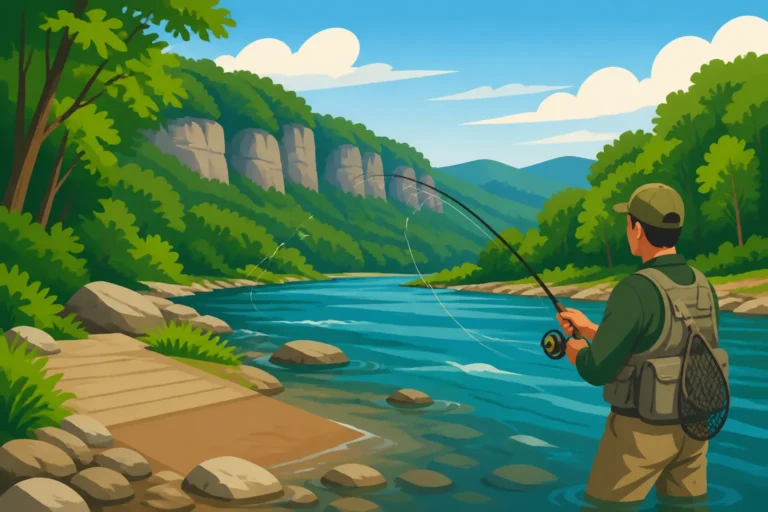
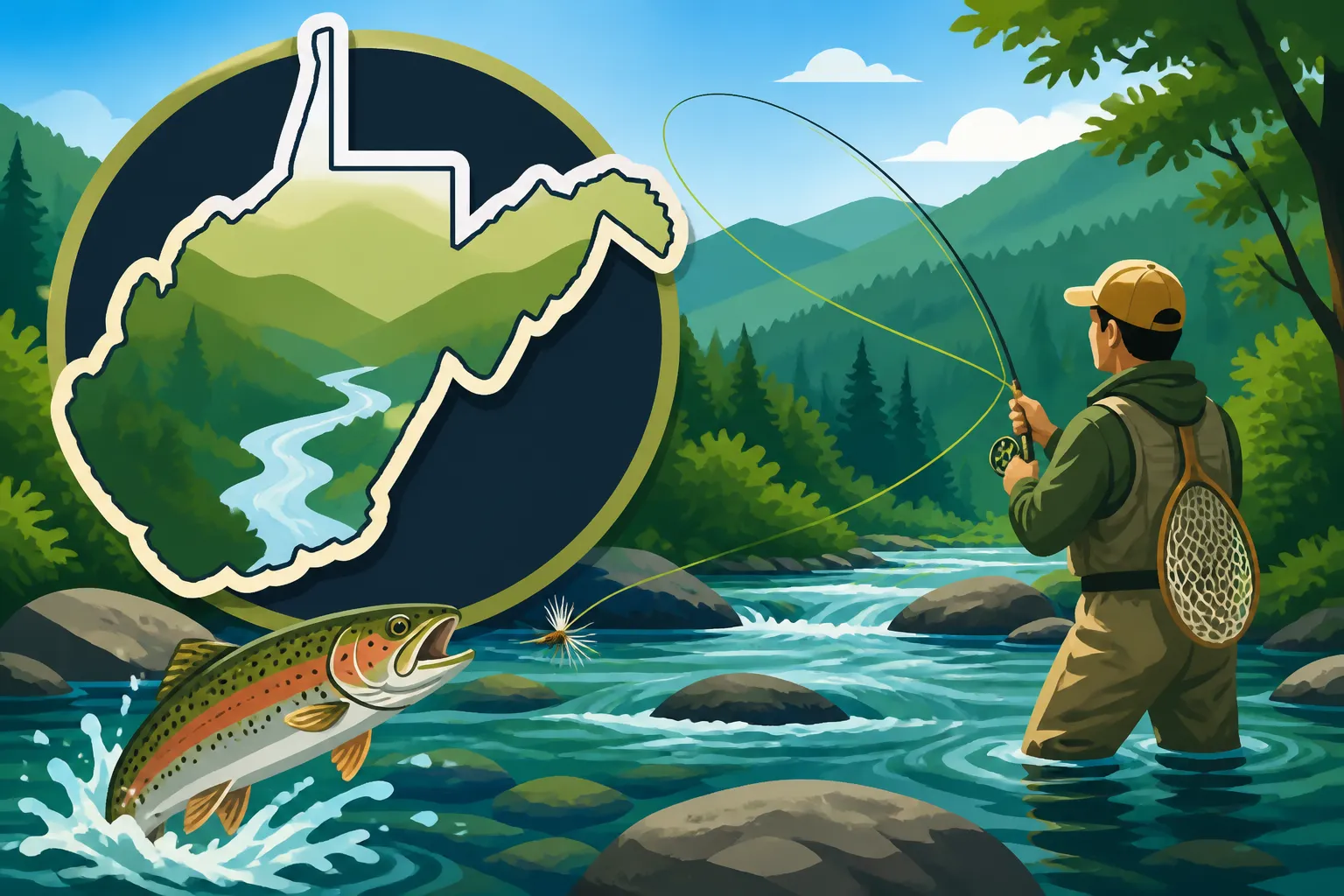
There’s nothing quite like the serene solitude of a trout stream, the rhythmic dance of a fly line, and the thrill of outsmarting a wary fish on its own terms. But for many dedicated anglers, the thought of arriving at a prime spot only to find it crowded with bait fishermen or heavy spin gear can be disheartening. If you’re yearning for a purist experience, West Virginia offers some incredible fly-fishing-only trout streams, special havens where the focus is entirely on the art and challenge of the fly, ensuring a more peaceful and often more productive day on the water. This guide will take you deep into these unique waters, helping you discover where to cast your line for that authentic mountain trout experience.
The Unique Appeal of Fly Fishing Only Waters
For many, fly fishing is more than just a method to catch fish; it's a connection to nature, a meditation, and a constant learning experience. When a stream is designated "fly fishing only," or "artificial lures and flies only" with specific catch-and-release rules, it creates an environment that elevates this experience. These designations aren't just about limiting tackle; they foster a unique ecosystem and angling culture that benefits both the fish and the angler.
Understanding the Regulations and Benefits
The primary benefit of fly fishing only streams, particularly those paired with catch and release, is the preservation of a healthy, robust fish population. When fish are released carefully, they can grow larger, become more challenging to catch, and contribute to natural reproduction. This means you're more likely to encounter mature, feisty trout that have seen a few flies in their day, making the catch all the more rewarding. The rules typically forbid bait, meaning no corn, PowerBait, or worms, which significantly reduces fish mortality associated with deep hooking. Instead, anglers rely on artificial presentations, requiring skill in pattern selection, casting, and presentation.
Another huge draw is the reduction in angler pressure. While West Virginia’s general trout streams can get quite busy, especially after stocking events, fly fishing only sections often see fewer anglers. This translates to more elbow room, less competition for prime lies, and a greater sense of wilderness immersion. You might spend an entire afternoon without seeing another soul, just you, the river, and the fish. It's a true escape from the hustle and bustle, allowing you to focus purely on your technique and the rhythm of the stream. For those new to the state's regulations, understanding the broader context of the West Virginia Fishing Regulations Explained can provide a solid foundation before diving into these specialized waters.
Conservation and Ecological Impact
The philosophy behind fly fishing only and catch and release extends deeply into conservation. By minimizing the impact of fishing, these regulations help maintain the natural balance of the stream's ecosystem. Artificial lures and flies, when properly used, tend to result in fewer deeply hooked fish, increasing their survival chances upon release. Many of these waters are also either wild trout streams or receive special stockings that are designed to complement the natural environment.
Furthermore, these regulations often protect specific, sensitive species. West Virginia is home to our state fish, the beautiful native brook trout, which thrives in many of these colder, pristine mountain streams. Designating areas as fly fishing only helps safeguard these fragile populations, allowing them to flourish with minimal human interference. Anglers fishing these waters become de facto stewards, understanding that their actions directly impact the long-term health of these irreplaceable natural resources. When practicing catch and release, gentle handling is paramount to ensure the fish swim away strong. You can learn more about West Virginia Catch and Release Rules for Trout to ensure you're doing your part.
Premier Fly Fishing Only Streams to Explore
West Virginia boasts several exceptional streams and stream sections that cater specifically to fly anglers. These waters offer diverse experiences, from high-gradient mountain runs to fertile tailwaters, each with its own unique character and challenges.
Cranberry River's Special Regulations Area
The Cranberry River, nestled deep within the Monongahela National Forest, is legendary among West Virginia fly fishermen. Its Special Regulations Area, specifically the section from the Tumbling Rock Run up to the Cranberry Glades Botanical Area, is designated for artificial lures and flies only, with a strict catch-and-release policy. This stretch of river is a true backcountry experience, requiring a hike or bike ride in, which naturally deters casual anglers. The rewards, however, are immense.
Here, you'll find a healthy population of rainbow, brown, and brook trout, often growing to impressive sizes. The river itself is a classic freestone stream, with a mix of deep pools, riffles, and runs that demand varied techniques. Anglers often spend entire days exploring different sections, moving from pocket water to long, glassy slicks. The solitude is a major draw, allowing you to fully immerse yourself in the wilderness. The native brook trout are particularly vibrant here, often found in the smaller tributaries that feed the main stem. Many dedicated anglers plan multi-day trips to fully explore this remote gem. For detailed information on this iconic waterway, consult a Cranberry River Fly Fishing guide.
Shavers Fork Catch and Release
Shavers Fork, another jewel in the Monongahela National Forest, offers another exceptional fly-fishing-only experience. Its upper sections, particularly above the town of Bowden, are designated as catch-and-release, artificial lures and flies only. This stream is renowned for its wild brook trout population, though you'll also find some native browns and rainbows in certain stretches. Shavers Fork winds through stunning mountain scenery, characterized by its clear, cold waters and dense rhododendron thickets that line its banks.
Fishing Shavers Fork is an intimate experience. The stream is often smaller and tighter than the Cranberry, demanding precise casts and careful wading. The brook trout, while not always large, are incredibly beautiful and aggressive, eager to strike a well-presented dry fly or nymph. Access points can be somewhat limited and often require walking, adding to the feeling of wilderness. It’s a fantastic stream for those who love "tight quarters" fly fishing and the thrill of targeting wild, native fish. Understanding Shavers Fork Brook Trout Fishing will give you even more insight into this special location.
Elk River Catch and Release
Moving to a different type of fishery, the Elk River tailwater below Sutton Dam offers a world-class trout fishing experience, with specific catch-and-release, artificial lures and flies only sections. This fishery is unique because the cold, oxygen-rich water released from the bottom of the dam creates ideal conditions for trout year-round, even through the warmer months when other streams become less hospitable. The lower reaches of the tailwater are especially productive.
The Elk River is known for its prolific hatches, providing incredible dry fly opportunities, particularly for blue-winged olives, caddis, and sulphurs. You'll find a mix of rainbow and brown trout, with many fish reaching trophy sizes due to the stable environment and abundance of forage. This is a wider river than Shavers Fork or the Cranberry, often requiring longer casts and careful wading. Local guides, some of whom can be found through platforms like FishingBooker, often specialize in this river, offering float trips that can cover more water and help you locate the most productive runs. You can dive deeper into this fishery with a comprehensive guide to Elk River Trout Fishing.
Other Notable Fly Fishing Only Sections
While the Cranberry, Shavers Fork, and Elk are the titans of West Virginia's fly-fishing-only scene, other streams or sections also offer similar regulations and rewarding experiences. The Dry Fork, for instance, has a catch-and-release, artificial lures and flies only section that is also great for targeting wild trout in a serene setting. The Back Fork of Elk River and the Middle Fork of Williams River also have sections with artificial lures and flies only regulations, providing more intimate and challenging experiences. These smaller, often less-talked-about streams can be fantastic places to explore if you're looking to escape the crowds entirely and discover your own hidden gems. Before venturing out, it's always wise to check the current West Virginia DNR fishing regulations summary to confirm specific rules for any stream you plan to visit, as regulations can change.
Gear and Techniques for Fly Fishing Only Waters
Successfully navigating West Virginia's fly fishing only streams requires not just the right tackle, but also a mindful approach to technique and ethics. These waters, often pressured by skilled anglers, demand a higher level of presentation and attention to detail.
Essential Fly Rod and Reel Setups
For the diverse conditions found in West Virginia's fly fishing only streams, a versatile rod and reel setup is key. For smaller, brush-lined mountain streams like Shavers Fork or the smaller tributaries of the Cranberry, a lighter 2- to 4-weight rod, typically 6 to 7.5 feet long, is ideal. This allows for delicate presentations and excels in tight quarters. When targeting these smaller native fish, you want a rod that can accurately place a small dry fly or nymph.
For larger waters like the main stem of the Cranberry or the Elk River tailwater, a 5- or 6-weight rod, 8.5 to 9 feet long, is generally preferred. This offers more backbone for fighting larger trout, casting longer distances, and handling heavier nymph rigs or streamers. Your reel should be a reliable model with a smooth drag, appropriately sized to balance your rod. While not usually battling saltwater giants, a quality drag is still crucial for protecting light tippets from strong runs by healthy trout. For a deeper dive into selecting the right equipment, consider reading about the Best Fly Rods for West Virginia Trout Streams.
Effective Fly Patterns and Presentation
Matching the hatch is often preached, but consistent success on fly fishing only waters also hinges on impeccable presentation. For dry fly fishing, especially on the Elk River tailwater during prolific hatches, having a range of emerger, dun, and spinner patterns in various sizes is crucial. Think tiny midges, blue-winged olives, caddis, and sulphurs. On mountain streams, classic patterns like Elk Hair Caddis, Adams, and attractor dries work wonders.
Nymphing is often the most consistent technique, particularly in colder water or when fish aren't rising. Having a selection of tungsten-beaded nymphs like Pheasant Tails, Hare's Ears, and Prince Nymphs in sizes 12-18 will cover most situations. Euro nymphing techniques can be incredibly effective on these waters, allowing for precise depth control and detecting subtle strikes. Streamers, such as Woolly Buggers or larger baitfish imitations, can also entice aggressive brown and rainbow trout, especially in larger pools or during higher flows. Learning about Fly Patterns for West Virginia Trout Streams can help you stock your box effectively.
Ethical Angling Practices
On fly fishing only, catch-and-release waters, ethical angling is non-negotiable. Always use barbless hooks, or crimp down the barbs on your existing hooks. This minimizes harm to the fish and makes for quicker, easier releases. When handling fish, wet your hands thoroughly before touching them to protect their protective slime coat. Keep the fish in the water as much as possible, especially during photography, and avoid squeezing them. Use a rubber mesh net to cradle fish gently, preventing fin damage.
Wading quietly and observing the water before casting are also key. These fish can be spooky, having encountered many anglers. Approach cautiously, especially in clear, low water conditions. Leave no trace – pack out all trash, including discarded leader and tippet material. These practices ensure that the pristine nature of these streams and the health of their fish populations endure for future generations.
Planning Your Fly Fishing Only Adventure
A successful trip to West Virginia's fly-fishing-only streams involves a bit of homework and thoughtful preparation. From understanding specific regulations to knowing the best times to visit, a well-planned adventure makes all the difference.
Checking Regulations and Access
Before heading out, always consult the latest West Virginia DNR fishing regulations. While this guide provides general information, specific rules for "fly fishing only" or "artificial lures and flies only" sections, as well as catch and release policies, can vary by stream and may be updated. The DNR website or physical regulation summaries are your best friend. Pay close attention to season dates, special bait or tackle restrictions, and any creel limits (which are usually zero on these designated waters). Many of these streams are within the Monongahela National Forest, meaning you might encounter specific forest service regulations regarding camping or parking. A general guide like the West Virginia Fishing License Guide for 2026 is a great starting point for understanding statewide requirements before drilling down into specific stream rules.
Access to some of these remote waters, like parts of the Cranberry River, can be challenging. You might need to hike several miles, so be prepared with proper footwear, water, and emergency supplies. For some streams, specific parking areas or trailheads are designated. It's always a good idea to check maps (digital or paper) and online forums for recent access updates or conditions.
Best Times to Visit
The "best" time to visit largely depends on the stream and your target species. For tailwaters like the Elk River, fishing can be excellent year-round due to the consistent cold water. Spring and fall are generally prime for all trout streams, offering comfortable temperatures and active fish. Spring often brings prolific hatches and hungry post-winter fish, while fall sees vibrant foliage and aggressive brown trout preparing for their spawn. You can get more details on West Virginia Fishing Seasons by Month.
Summer can be productive in higher elevation, naturally cold streams like Shavers Fork or the upper Cranberry, especially early mornings or late evenings. During the peak summer heat, lower elevation streams might become too warm, stressing trout. Winter fly fishing can also be rewarding on mild days, often requiring nymphing or streamer techniques when fish are less active. Always check stream flows and water temperatures before you go; high, muddy water after heavy rains or extremely low, clear water can make fishing tough. The West Virginia Trout Stocking Hotline and Schedule can also provide insights, though fly fishing only streams may have different stocking patterns.
Booking a Trip and Guides
While many anglers prefer the solitude of exploring these streams independently, sometimes a guided trip can unlock deeper understanding and significantly improve your success, especially on larger, more complex systems like the Elk River. A local guide can put you on fish, teach you advanced techniques, and provide invaluable insights into current conditions and specific hatches. They often have private access or knowledge of less-fished areas.
If you're considering a guided experience, platforms like FishingBooker can connect you with experienced fly fishing guides in West Virginia. You can browse different guides, read reviews, and find someone specializing in the specific fly-fishing-only waters you're interested in, such as the Cranberry or Elk River. Booking a guide can be particularly beneficial for non-residents or those new to the state, as they can navigate the nuances of the water, help with gear, and ensure a safe and productive day.
| Stream Name | Location (Primary County) | Primary Target Species | Special Regulations | Access Level | Key Features |
|---|---|---|---|---|---|
| Cranberry River (Upper Section) | Pocahontas/Webster | Rainbow, Brown, Brook | Artificial Lures & Flies Only, Catch & Release | Moderate (hike/bike in) | Backcountry experience, pristine waters, larger trout. |
| Shavers Fork (Upper Section) | Randolph | Wild Brook Trout, Brown | Artificial Lures & Flies Only, Catch & Release | Moderate (walk-in) | Native brook trout, intimate stream, dense wilderness. |
| Elk River (Tailwater Section) | Braxton | Rainbow, Brown | Artificial Lures & Flies Only, Catch & Release (specific sections) | Easy to Moderate | Productive year-round, strong hatches, trophy potential. |
| Dry Fork (Upper Section) | Randolph | Brook, Brown | Artificial Lures & Flies Only, Catch & Release | Moderate (walk-in) | Scenic mountain stream, good wild trout population. |
| Back Fork of Elk River | Webster | Brook, Brown | Artificial Lures & Flies Only, Catch & Release | Moderate (some walk-in) | Smaller, secluded mountain stream, good solitude. |
Disclaimer
The information provided in this guide is for general informational purposes only and is subject to change. Anglers are responsible for consulting the most current West Virginia Division of Natural Resources fishing regulations before fishing in any West Virginia waters. Always prioritize safety and ethical angling practices.