Tygart Valley River fishing access
Figuring out where to drop a line on a river you're not intimately familiar with can be a real head-scratcher, especially when you're looking for public access points that actually lead to good fishing without trespassing or getting yourself into a tricky spot. The Tygart Valley River is a gem, offering diverse fishing experiences, but knowing how to get to those prime spots is half the battle. This comprehensive guide is here to untangle the complexities, giving you the insider scoop on accessing this beautiful West Virginia waterway.
Understanding the Tygart Valley River's Unique Fishery
The Tygart Valley River is one of West Virginia's true treasures, starting high in the Allegheny Mountains and eventually joining the West Fork River to form the Monongahela River. Its character changes significantly along its journey, transitioning from a cold, clear trout stream in its upper reaches to a warmer, wider river ideal for smallmouth bass and muskie further downstream. This diversity means you'll find different fishing opportunities depending on which section of the river you decide to explore.
Diverse Species Throughout Its Course
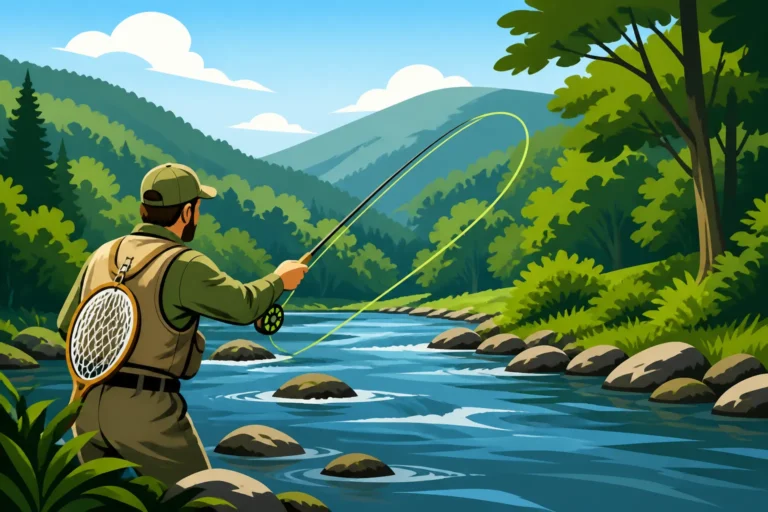
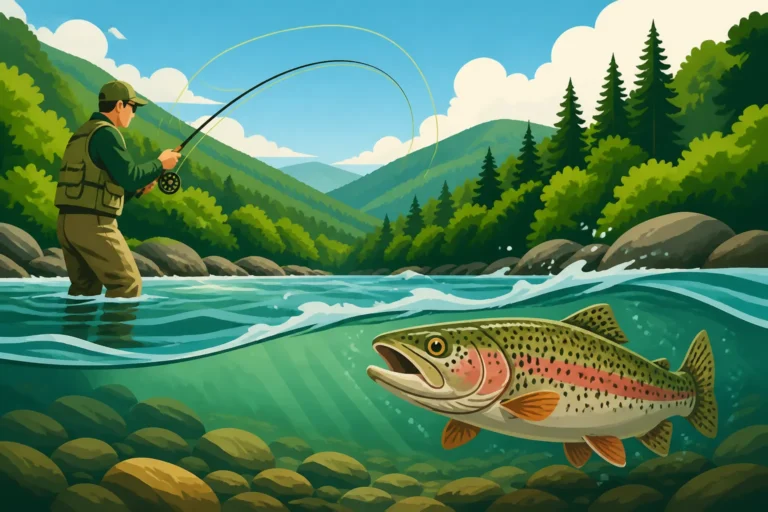
When you're thinking about fishing the Tygart Valley River, it's important to consider what you're hoping to catch. Upstream, closer to its headwaters in Randolph and Barbour counties, the river and its tributaries are classic mountain trout waters. These sections are regularly stocked by the West Virginia Division of Natural Resources (WVDNR) with rainbow and brown trout, especially during the spring and fall. Many anglers, myself included, find the challenge of fly fishing for trout in these smaller, more intimate sections to be incredibly rewarding. If you're into that, you'll definitely want to check out our guide on Fly Fishing for Trout in West Virginia.
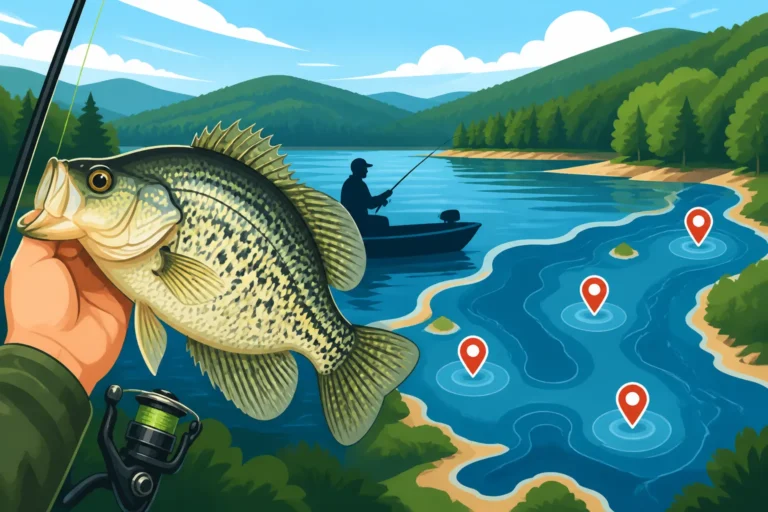
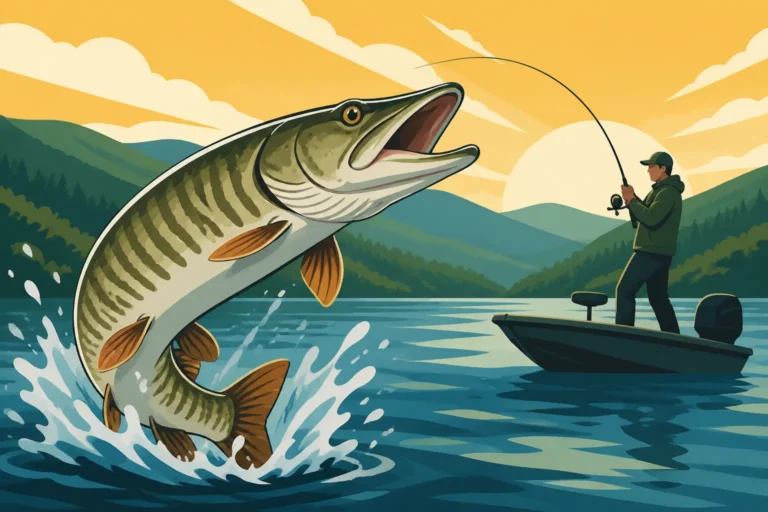
As the river flows northward and widens, particularly as it approaches Philippi and then Grafton, the primary target shifts to smallmouth bass. These feisty fish love the rocky riffles, current seams, and submerged structures that are abundant in the mid-to-lower sections of the Tygart Valley. They're strong fighters and a blast on light tackle. Don't be surprised to encounter various panfish like rock bass and sunfish in these areas too, offering consistent action, especially for younger anglers. Further downstream, particularly below the Tygart Lake Dam and heading towards Fairmont, the river deepens, and the elusive muskie becomes a real possibility. These apex predators draw a dedicated crowd, and landing one is often a once-in-a-lifetime experience for many. For those chasing the bigger fish, our Muskie Fishing in West Virginia guide can give you some excellent pointers.
River Characteristics and Seasonal Flow
The Tygart Valley River’s flow is heavily influenced by rainfall and, in its lower section, by releases from the Tygart Lake Dam. During periods of heavy rain, the river can rise quickly, becoming muddy and swift, which can make fishing difficult and wading dangerous. Conversely, during dry spells, sections can become quite low and clear, revealing more structure but also making fish a bit more wary.
Understanding these flow dynamics is crucial for a successful trip. Always check stream gauges before heading out, especially if you plan to wade or kayak. In the spring, after the snowmelt and spring rains, the water can be chilly and high, perfect for aggressive trout and pre-spawn smallmouth. Summer sees lower, warmer flows, which are excellent for smallmouth and panfish, but trout fishing becomes more challenging as water temperatures rise in their preferred habitat. Fall brings cooler temperatures again, invigorating both trout and smallmouth, and it’s also a prime time for muskie as they feed heavily before winter. For a deeper dive into timing your trips, our West Virginia Fishing Seasons by Month article provides a comprehensive overview.
Key Public Access Points Along the Tygart Valley River
Finding reliable public access is often the biggest hurdle for anglers new to a river system. The Tygart Valley River offers a mix of state park access, WVDNR designated sites, and some smaller, local spots. Remember that river access can sometimes involve a bit of a walk, so plan accordingly with your gear.
Valley Falls State Park: A Scenic Gem
One of the most popular and picturesque access points is at Valley Falls State Park, located northeast of Grafton. This park spans the river and offers breathtaking views of a series of four powerful waterfalls. While the falls themselves are generally not fished due to their extreme turbulence and safety concerns, the stretches of river above and below them provide excellent opportunities.
- Location & Type of Access: The park is easily accessible by paved roads from Grafton or Fairmont. It offers multiple designated parking areas, some requiring a short walk down well-maintained trails to the riverbanks. There are no developed boat ramps directly within the prime fishing sections of the park, making it primarily a wade-fishing or bank-fishing destination. However, upstream and downstream of the main falls area, kayakers or small jon boat users might find spots to put in, though this requires careful scouting and understanding of river conditions.
- Amenities & Target Species: Valley Falls State Park provides restrooms, picnic areas, and hiking trails. For anglers, the river here is a fantastic smallmouth bass fishery, with abundant rocky structure, riffles, and pools. You might also encounter some stocked trout, especially in the cooler months, as the WVDNR does stock sections of the river. The deep pools can also hold surprisingly large catfish.
- Challenges & Considerations: Wading in this area requires extreme caution due to the swift currents and slippery, rocky bottom, especially near the falls. Always use a wading staff and felt-soled or studded boots. Private property lines can be confusing outside the park boundaries, so it’s best to stick to marked public areas. For specific spots to launch a kayak, our guide to Best Kayak Fishing Spots in West Virginia might offer some broader insights that could apply here with some local investigation.
Tygart Lake Tailwaters: Below the Dam
Further downstream, near Grafton, you'll find significant access below the Tygart Lake Dam. This tailwater section is a prime spot that offers different fishing dynamics due to the controlled water releases from the lake.
- Location & Type of Access: The Tygart Lake Tailwaters area is easily reached via Route 50 and then local roads into Grafton. There are established parking areas and direct bank access to the river immediately below the dam. This is a popular spot for both bank anglers and those who launch small boats or kayaks. There are a few informal spots to get a small boat into the water, but be mindful of the current.
- Amenities & Target Species: This area usually has restrooms and ample parking. The tailwaters are known for holding a variety of species. Smallmouth bass thrive here, finding plenty of food washed down from the lake. Walleye can often be found, especially during specific times of the year, drawn by the currents and baitfish. And, of course, muskie are always a possibility in these deeper, oxygen-rich waters. The occasional trout can also be caught, though it's less of a dedicated trout fishery than the upper river.
- Challenges & Considerations: Water levels and current speeds can change rapidly due to dam releases. Always be aware of the generation schedule, which is often posted or can be found online through the Army Corps of Engineers. Standing in the river when the gates open can be dangerous. Respect any posted warnings or restricted areas.
Philippi Area Access: Bridge and River Bend
The section of the Tygart Valley River around the historic town of Philippi offers excellent fishing, often for smallmouth bass and panfish, with potential for muskie in deeper bends. The Philippi Covered Bridge, a local landmark, often serves as a good mental reference point.
- Location & Type of Access: Public access points in and around Philippi generally include municipal parks or small WVDNR-designated spots. For instance, there’s often decent bank access near the town’s main bridge, and some informal put-ins for kayaks or canoes in parks along the riverbanks. Roads like Bridgeport Hill or Nestorville Road (depending on specific WVDNR easements) might lead to less formal, but still accessible, areas. Checking local maps or inquiring at a local bait shop can often reveal these smaller, cherished spots.
- Amenities & Target Species: Philippi itself offers basic amenities like gas stations, food, and sometimes public restrooms in parks. The fishing here is primarily for smallmouth bass, which are abundant in the riffles and rocky runs. Panfish are also plentiful, making it a family-friendly spot. Deeper holes and slower pools might hold catfish or even a muskie, especially in the river bends just outside of town.
- Challenges & Considerations: While access exists, some areas might require parking by the road and walking down to the river, so be sure to park safely and legally. Always be respectful of private property and know where the public easements begin and end. The river can be quite wide here, making longer casts necessary for bank anglers, and float trips in kayaks or canoes are popular for covering more water. If you're looking for specialized advice on float trips, you might consider using a service like FishingBooker to connect with a local guide who knows these specific put-in and take-out points like the back of their hand.
Access Point Comparison Table
To give you a clearer picture, here's a quick comparison of these key Tygart Valley River access points:
| Access Point | Primary Fish Species | Type of Access | Key Amenities | Special Considerations |
|---|---|---|---|---|
| Valley Falls State Park | Smallmouth Bass, Trout, Catfish | Bank/Wade fishing primarily | Parking, Restrooms, Picnic Areas | Swift current, rocky bottom, stick to public areas. |
| Tygart Lake Tailwaters | Smallmouth Bass, Walleye, Muskie | Bank fishing, small boat launch | Parking, Restrooms | Dam release schedules affect water levels and current. |
| Philippi Area (various) | Smallmouth Bass, Panfish, Muskie | Bank, informal kayak launch | Local services in Philippi | Respect private property, scout informal launches carefully. |
Tips for Navigating and Fishing the Tygart Valley River
A successful and enjoyable day on the Tygart Valley River isn't just about finding an access point; it's also about understanding how to fish it safely and effectively. The river’s changing character demands flexibility in your approach and respect for its power.
Safety First: Wading and Boating Considerations
The Tygart Valley River, like any river, can be unpredictable. If you plan to wade, investing in a good Best Wading Staff for Fast Current and sturdy wading boots with good grip (felt or studded soles are often preferred for slippery rocks) is non-negotiable. Always face upstream while wading, shuffle your feet, and probe with your staff before taking a step. Never wade alone, and let someone know your float plan if you're going to be out of cell service. Swift currents, especially after rain or dam releases, can be incredibly dangerous.
For those planning to use a boat, whether it's a kayak, canoe, or a small jon boat, understanding West Virginia's boating laws is essential. Our guide on West Virginia Boating Laws for Anglers covers critical safety equipment like life jackets, which are mandatory for certain ages and highly recommended for everyone. The Tygart Valley River can have tricky sections with rapids, particularly around Valley Falls (which should be portaged, not run), and knowing your vessel's capabilities and your own skill level is paramount. Always scout unknown sections from shore if possible before committing to a float.
Recommended Gear and Techniques for Success
Given the river's diverse fishery, your gear selection will vary. For trout in the upper reaches, a lightweight fly rod (3-5 weight) or a light spinning rod with 4-6 lb test line is ideal. Small spinners, inline jigs, or classic trout baits like PowerBait or worms work wonders. In the middle and lower sections, chasing smallmouth bass calls for a slightly heavier spinning or baitcasting setup.
- Smallmouth Bass: Consider a medium-light to medium power rod with 8-10 lb fluorocarbon or braided line with a fluorocarbon leader. Lures like tube jigs, small crankbaits (especially crawfish patterns), spinnerbaits, and topwater lures can be incredibly effective depending on the season and water conditions. For more specific tactics, check out How to Catch Smallmouth Bass in West Virginia Rivers.
- Muskie: These giants require heavy-duty gear: stout rods, robust reels, strong braided line (50-80 lb), and a wire or heavy fluorocarbon leader to prevent bite-offs. Large bucktails, swimbaits, jerkbaits, and topwater lures are common choices. And don’t forget a large, long-handled net or a Muskie-specific landing tool for safe handling.
- Panfish & Catfish: For panfish, ultralight gear with small jigs, worms, or crickets is perfect. Catfish anglers often use medium-heavy rods with heavier line, fishing cut bait, stink baits, or live bait on the bottom.
Environmental Factors and River Health
Always keep an eye on river conditions. Beyond water levels, water clarity and temperature play a huge role in fish activity. Turbid water after a storm can make fishing tough, while very clear, low water might require a more stealthy approach. Water temperature dictates where fish will be and how active they are. Trout, for example, prefer colder water, while smallmouth bass become more active as temperatures rise. Supporting organizations that monitor river health and advocating for clean waterways is vital to ensure the Tygart Valley River remains a vibrant fishery for years to come.
Planning Your Tygart Valley River Fishing Trip
A well-planned fishing trip to the Tygart Valley River can make all the difference between a frustrating day and a memorable adventure. From understanding regulations to finding local resources, a little preparation goes a long way.
Best Times to Fish and Seasonal Considerations
As mentioned earlier, the "best" time really depends on what you're targeting.
- Spring (March-May): Excellent for stocked trout, and as water warms, pre-spawn smallmouth bass become very active. Muskie also shake off their winter sluggishness.
- Summer (June-August): Prime smallmouth action, especially early morning and late evening. Panfish are abundant. Trout fishing shifts to higher elevation tributaries or is limited to cooler tailwaters.
- Fall (September-November): A fantastic time for all species. Trout are re-stocked, smallmouth feed heavily, and muskie are in their aggressive "feedbag" mode before winter.
- Winter (December-February): Generally slower, but dedicated anglers can find success with muskie, walleye (especially below the dam), and even some holdover trout. Ice fishing is rare on the main river but possible on some impoundments.
Always double-check specific season dates and bag limits, as these can vary by species and even by specific river sections. Our comprehensive West Virginia Fishing Regulations Explained guide is your go-to resource for understanding all the rules. Also, don't forget to secure your West Virginia Fishing License Guide for 2026 before you head out!
Logistics: Licenses, Local Services, and Guides
Before you even pack your rod, make sure your fishing license is current. You can easily purchase one online through the WVDNR website.
- Local Bait and Tackle Shops: These are invaluable resources. Stores in towns like Grafton, Philippi, or Fairmont often carry local baits and tackle suited for the Tygart Valley River, and the staff are usually a wealth of information about current conditions and hot spots. They can tell you if the river is high or low, clear or muddy, and what the fish are biting on that day.
- Accommodations: If you're planning an extended trip, consider staying in one of the local towns or even at Tygart Lake State Park, which offers cabins and campgrounds. There are also many private lodges and vacation rentals available through services like Airbnb or VRBO.
- Hiring a Guide: For a truly immersive and efficient experience, especially if you're new to the Tygart Valley River, hiring a local fishing guide can be incredibly beneficial. A good guide knows the best access points, the current fish patterns, and how to safely navigate the river. They often provide all the necessary gear and can dramatically increase your chances of success. Websites like FishingBooker are excellent platforms to find experienced local guides who specialize in the Tygart Valley River, whether you're looking for a guided float trip for muskie or a wade-fishing adventure for smallmouth. They can help you sift through options and pick the perfect outfitter for your trip, ensuring you make the most of your time on the water without the hassle of scouting every single access point yourself.
Respecting the Resource and Other Anglers
Finally, always practice good river etiquette. Pack out everything you pack in, and leave no trace. If you're catch-and-release fishing, especially for sensitive species like muskie or larger smallmouth, handle the fish minimally, get them back in the water quickly, and use appropriate landing nets (rubberized mesh is best to protect fish slime coats). Respect other anglers' space and privacy. The Tygart Valley River is a shared resource, and by treating it with care, we ensure it remains a fantastic fishing destination for everyone who ventures out to enjoy its beautiful waters.
Disclaimer
The information provided in this guide is for general informational purposes only and is subject to change. Always consult the official West Virginia Division of Natural Resources (WVDNR) regulations and local authorities for the most current rules, access details, and safety guidelines before planning any fishing trip. River conditions can change rapidly, and safety should always be your top priority.