Beech Fork Lake crappie fishing spots
Finding those prime crappie hot spots on a new lake can feel like a real treasure hunt, especially when you're itching to fill a cooler with some delicious panfish but don't know where to start. Beech Fork Lake, a beautiful body of water nestled in the hills of West Virginia, is renowned for its crappie population, but knowing where and when to cast your line is key. This comprehensive guide will peel back the layers of Beech Fork Lake, helping you pinpoint the best crappie fishing spots and giving you the insider knowledge to make your next trip a resounding success.
Understanding Crappie Habits in Beech Fork Lake
Before we dive into specific locations, it's really helpful to understand what makes crappie tick, especially in a diverse fishery like Beech Fork Lake. This U.S. Army Corps of Engineers lake, situated near Huntington, offers a fantastic blend of shallow, timber-rich coves and deeper, more open water. Crappie, both black and white varieties, thrive in these conditions, always seeking out cover and food.
Preferred Crappie Habitat and Structure
Crappie are true structure magnets. They love to hang around anything that offers shade, protection from predators, and a place to ambush baitfish. On Beech Fork Lake, this means you're going to be looking for several key types of habitat. Think about what a crappie needs: safety, food, and a comfortable water temperature.
- Submerged Timber and Brush Piles: This is crappie heaven. Beech Fork has plenty of standing timber, especially in its upper reaches and creek arms, left from when the valley was flooded. These old trees, stumps, and any intentionally submerged brush piles create vertical and horizontal cover that crappie will stack up in, sometimes by the dozens. Locating these hidden underwater forests is crucial, often requiring a good fish finder.
- Fallen Trees and Laydowns: Along the banks, you'll often see trees that have fallen into the water. These "laydowns" are fantastic crappie magnets, especially in shallower water during the spring and fall. The branches provide instant cover, and often there's a deeper washout around the base of the trunk where bigger crappie will lurk.
- Rock Piles and Riprap: While less common than timber, any rocky outcroppings or riprap areas (like those found near bridge abutments or dam structures) can also hold crappie, particularly if baitfish are schooling nearby. These areas provide different thermal properties and a different kind of ambush point.
- Channel Edges and Drop-offs: As the lake transitions from shallow flats to deeper channels, crappie will often position themselves along these edges. They can quickly move into the shallows to feed or retreat to deeper, safer water. Identifying creek channels that once flowed through the valley before it became a lake can be hugely productive, especially in colder months.
Forage and Food Sources
Crappie are opportunistic feeders, and their diet largely dictates where you'll find them. Their primary food source is small baitfish like shad and minnows, along with various aquatic insects and crustaceans. This means if you can find the bait, you're usually close to the crappie.
- Shad Schools: Beech Fork Lake has a healthy population of gizzard and threadfin shad, which are a cornerstone of the crappie diet. Observing surface activity or using your electronics to mark baitfish schools is a direct path to finding crappie. Shad often congregate in coves, around main lake points, and in the backs of creek arms, especially during warmer months.
- Insect Hatches: While less impactful for larger crappie, smaller crappie and fry will feed heavily on insect larvae and emerging insects. This is more relevant for very shallow water or areas with significant aquatic vegetation (though Beech Fork is not heavily vegetated).
- Crayfish and other Invertebrates: Though not their primary food, crappie will also consume crayfish and other small invertebrates when available, particularly if they are hiding in rocky or woody cover. This adds to the appeal of fishing around varied structure. Understanding these food sources and habitats gives you a solid foundation for targeting Beech Fork Lake crappie, no matter the season.
Top Crappie Fishing Spots on Beech Fork Lake
Now that we understand a bit more about crappie behavior, let's zoom in on some specific areas on Beech Fork Lake that consistently produce good numbers of these speckled beauties. While exact brush pile locations change, the general areas known for good crappie fishing remain fairly consistent year after year.
Upper Lake and Creek Arms
The upper end of Beech Fork Lake, particularly where Beech Fork Creek and Miller Fork Creek feed into it, is often shallower and features abundant standing and submerged timber. This area warms up faster in the spring and can be a crappie hotspot.
- Beech Fork Creek Arm: This arm of the lake is a fantastic place to start, especially during the spring spawn and in the fall. You'll find numerous coves and pockets filled with dead trees and brush. Crappie will move into these shallower, warmer waters to spawn, holding tight to any vertical cover. Look for depths of 3-10 feet in these areas. Drifting through these timbered flats with minnows or small jigs can be incredibly effective. As the season progresses, crappie will often relate to the deeper channel edges within this arm, particularly where it drops off into the main creek bed.
- Miller Fork Creek Arm: Similar to the Beech Fork Creek arm, Miller Fork offers excellent crappie habitat. It tends to be a bit narrower but still provides plenty of submerged timber, particularly towards the back where the creek inflows. Access can be a little trickier here, but for those willing to explore, this can lead to less pressured fish. Using a kayak or a smaller boat allows you to navigate the tighter areas and get into spots larger boats can't reach, which is often where the bigger slabs hang out. You can find useful information on local guides and trip planning, possibly even specific crappie trips, on platforms like FishingBooker before you head out.
Main Lake Structure and Coves
As you move towards the dam and the lower sections of the lake, the water generally gets deeper, and the main lake offers different types of structure that crappie will utilize throughout the year.
- Main Lake Coves (especially those with timber): Throughout the entire lake, coves with significant submerged timber or brush piles are always worth investigating. These can be found on both the north and south sides of the main lake body. During the summer and winter, crappie will often move to the deeper sections of these coves, suspending over brush piles or holding tightly to sunken logs in 15-30 feet of water. Using a fish finder to locate these hidden gems is paramount.
- Old Road Beds and Channel Drop-offs: If you have detailed contour maps, look for old road beds that cross the lake or prominent channel drop-offs. Crappie will use these as highways to move between shallow and deep water. These structures are often overlooked and can hold significant schools of crappie, especially during transition periods. Fishing a jig or a minnow slowly along these contours can be very productive.
Access Points and Docks
While Beech Fork Lake doesn't have a huge number of private docks like some other reservoirs, any public docks, marina areas, or boat ramps often have associated structure (pilings, brush) that attracts crappie.
- Public Access Areas: The areas around the main boat ramps, such as Beech Fork Lake State Park Marina or the Public Access Point on Miller Fork, often have some man-made structure like old pilings, submerged concrete, or even intentionally placed brush piles by local anglers. These spots are easily accessible for bank anglers or those launching kayaks. Just be mindful of boat traffic.
- Fishing from Shore: For those without a boat, targeting shorelines with fallen trees or rocky points in easily accessible areas can still yield crappie. Many anglers overlook these spots, assuming crappie are always offshore. However, especially in early spring or late fall, crappie will cruise these shorelines. If you're looking for different perspectives on local fishing, resources like FishingBooker might connect you with local insights or charters that could reveal hidden gems.
Seasonal Strategies for Crappie Success
Crappie fishing on Beech Fork Lake isn't a "one-size-fits-all" endeavor. The tactics that work in spring will likely fall flat in the heat of summer or the chill of winter. Understanding the crappie's seasonal movements and behaviors is crucial for consistent success. You'll find that their activity levels and preferred depths change dramatically with water temperature.
Spring: The Crappie Spawning Frenzy
Ah, spring! This is arguably the most anticipated time for crappie anglers. As water temperatures begin to rise into the high 50s and low 60s Fahrenheit, crappie move from their deeper wintering grounds to the shallows for their annual spawn.
- Pre-Spawn (Water Temps 45-55°F): As the ice recedes and water temps hit the mid-40s, crappie start staging in deeper pockets adjacent to their spawning areas. Look for them in 10-20 feet of water, often at the mouths of creek arms or in the deeper sections of coves with abundant timber. They'll be feeding heavily to prepare for the spawn. Slow trolling small jigs or minnows on a tight line is effective here. Focus on the main channel breaks and any structure like old roadbeds or submerged stumps in those depths.
- Spawn (Water Temps 58-68°F): This is when crappie move into the super shallow water, often 2-6 feet deep, seeking out brush, stumps, and fallen trees. The males arrive first to prepare nests, followed by the females. They become very aggressive and territorial. Casting tiny jigs (1/32 to 1/16 oz) or live minnows under a bobber right into the thickest cover is your best bet. The upper ends of the Beech Fork and Miller Fork creek arms, with their extensive timber, become prime real estate. You might want to check out the article on West Virginia Fishing Seasons by Month to get a broader understanding of what's active when.
- Post-Spawn (Water Temps 68°F+): After spawning, crappie disperse from the immediate shallow areas. Some will move back to deeper cover, while others might linger on the edges of the spawning flats. They can be a bit lethargic immediately after the spawn, but soon resume feeding heavily. Focus on slightly deeper cover, 6-12 feet, often on the edges of main lake coves or secondary points within the creek arms. Trolling small crankbaits or spider rigging with multiple rods and jigs can cover water efficiently to find these scattered fish.
Summer: Deep Water and Nighttime Action
Summertime on Beech Fork means hot weather and often deeper crappie. As surface water temperatures climb, crappie seek cooler, more oxygenated water, typically found deeper or in shaded areas.
- Deeper Structure (Water Temps 75-85°F): Crappie will hold tightly to deep brush piles, submerged timber, and channel breaks, often suspending over structure at depths of 15-30 feet. They'll often be found near the thermocline if one sets up clearly. Vertical jigging with minnows or heavier jigs (1/8 to 1/4 oz) directly over these deep cover spots is a common and effective tactic. A good fish finder is essential to locate these specific deep-water hideouts. Look for schools of baitfish in these same deeper zones.
- Night Fishing: Many experienced crappie anglers turn to night fishing during the summer. Crappie are attracted to lights, which also draw in plankton and baitfish. Anchoring over a known brush pile or channel edge and deploying submersible green or white lights can draw crappie in, making them much easier to target. Use small jigs or minnows fished at various depths until you find their preferred zone.
Fall: The Feeding Frenzy Returns
As the days shorten and water temperatures begin to cool, crappie become incredibly active again. This is another fantastic time to fish Beech Fork.
- Following Baitfish (Water Temps 55-70°F): Crappie will aggressively chase baitfish as they school up and move towards the backs of coves and creek arms. You'll find them scattered more widely, often along main lake points, channel bends, and shallower flats that still offer cover. Trolling, casting small crankbaits, or spider rigging can all be highly productive as crappie are constantly on the move, fattening up for winter.
- Renewed Shallow Water Activity: While not as shallow as the spring spawn, crappie will move shallower in the fall than in summer, often into the 8-15 foot range. Focus on brush piles, stumps, and fallen trees on transitional banks. This active feeding period makes for some fast-paced action. Considering the overall Best Time of Year to Fish in West Virginia will further inform your autumn plans.
Winter: Slow and Deep
Winter can be a challenging but rewarding time for crappie anglers on Beech Fork. The fish are generally congregated and less active, requiring a slow, precise presentation.
- Deep Holes and Channels (Water Temps 35-45°F): Crappie will typically hold in the deepest, most stable water they can find, often in main lake channels, deep coves, or near the dam. They will stack tightly on deep brush piles or submerged structure, often in 25-40 feet of water.
- Vertical Jigging and Deadsticking: A very slow, vertical presentation is key. Small jigs (1/16 oz or lighter) tipped with a minnow, or just a plain minnow on a hook, fished directly over the fish you see on your electronics, is the most effective method. Deadsticking (holding your bait perfectly still) can often entice bites from lethargic fish that won't chase. Focus on clear, calm days where the sun might warm the surface slightly, subtly increasing crappie activity even in the depths.
Essential Gear and Techniques for Beech Fork Crappie
Having the right tools for the job can make a huge difference in your crappie success on Beech Fork Lake. While crappie aren't typically tackle busters, precision and finesse are often key.
Rods, Reels, and Line
Choosing appropriate gear ensures you can feel those subtle crappie bites and handle fish effectively.
- Rods: For Beech Fork crappie, a light to ultralight spinning rod is generally preferred. A 6-foot to 7-foot rod with a fast action tip will allow you to cast light jigs a good distance and detect those soft takes. The longer rods (7-foot range) are particularly useful for casting jigs under a bobber or for spider rigging, where you need to keep lines spread out. For close-quarters vertical jigging in brush, a shorter 5-foot 6-inch rod might be more maneuverable.
- Reels: Pair your light rod with a small spinning reel (500 or 1000 size). These reels are designed for light line and offer smooth drag systems, which are essential for preventing break-offs on light lines when a decent crappie hits.
- Line: Light line is crucial for crappie fishing. Many anglers opt for 4-6 pound test monofilament or fluorocarbon. Monofilament offers a bit of stretch, which can be forgiving, while fluorocarbon is nearly invisible underwater and has less stretch, providing more sensitivity. Braided line in 8-10 pound test can also be used, especially if you need to rip jigs out of cover, but it's often paired with a fluorocarbon leader for stealth. Check out our guide on Best Tackle for Panfish for more specific recommendations.
Baits and Lures
Crappie can be finicky, but a few go-to baits consistently produce results.
- Live Minnows: You can't beat live minnows for crappie, especially when they're less active or in colder water. Hook them lightly through the lips or just behind the dorsal fin on a small, sharp hook (size 4 or 6) and fish them under a bobber or on a tight line. Fathead minnows are readily available at most bait shops.
- Jigs (Soft Plastics): Small soft plastic jigs are incredibly versatile. Tube jigs (1.5-2 inches), grub tails (curly tails), and tiny shad bodies are all excellent choices. Colors can vary, but chartreuse, white, black/chartreuse, and various glitter patterns are perennial favorites. Match your jig head weight (1/32, 1/16, or 1/8 oz) to the depth and current conditions. Heavier jigs help get down quickly in deeper water or windy conditions, while lighter jigs offer a slower, more natural fall.
- Small Crankbaits: During active feeding periods, particularly in the fall, small crankbaits that imitate baitfish can be very effective, especially when trolled. Look for models that dive to the depths where you expect crappie to be.
- Blade Baits and Spoons: For deep vertical jigging, particularly in winter, small blade baits or jigging spoons can tempt crappie that are suspended over structure. The flash and vibration can trigger strikes from otherwise lethargic fish.
Techniques to Master
Different situations on Beech Fork Lake call for different techniques. Having a few in your arsenal will make you a more adaptable and successful angler.
- Bobber Fishing: This is a classic method, especially effective for shallow crappie in spring or for fishing around specific cover. Use a slip bobber rig to easily adjust your depth. Cast your jig or minnow near cover and let it sit. Watching that bobber disappear is pure excitement!
- Vertical Jigging: When crappie are holding tight to deep cover or suspended over it, vertical jigging is often the ticket. Position your boat directly over the fish (using your fish finder) and drop a jig or minnow straight down. Just subtle lifts and drops of the rod tip are usually all it takes. This technique is especially highlighted in our Jigging for Crappie in West Virginia Lakes article.
- Casting and Retrieving: In open water or along the edges of flats, simply casting a jig out and slowly retrieving it, varying your depth and speed, can entice bites. Add pauses and subtle twitches to mimic a struggling baitfish.
- Trolling/Spider Rigging: For covering larger areas or finding scattered fish, trolling is highly effective. You can troll jigs, minnows, or small crankbaits. "Spider rigging" involves using multiple rods (often 4-8) extended out from the boat, each with a different bait or depth presentation, effectively creating a wide net to locate fish. This is particularly popular for covering flats and channel edges.
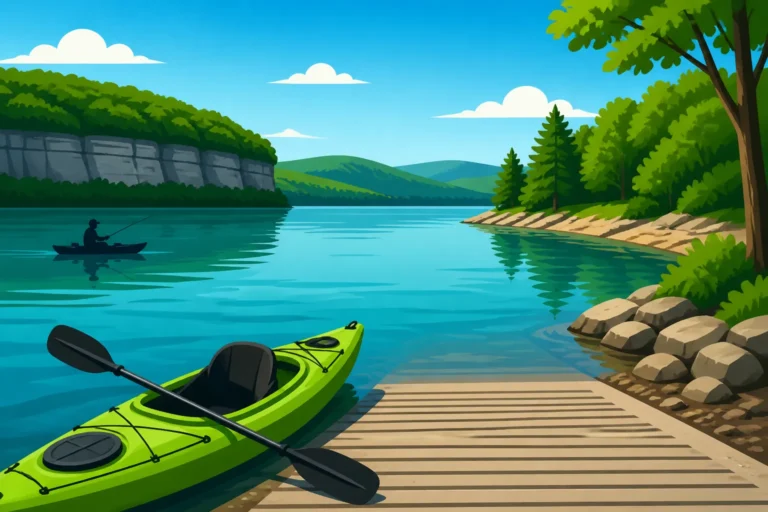
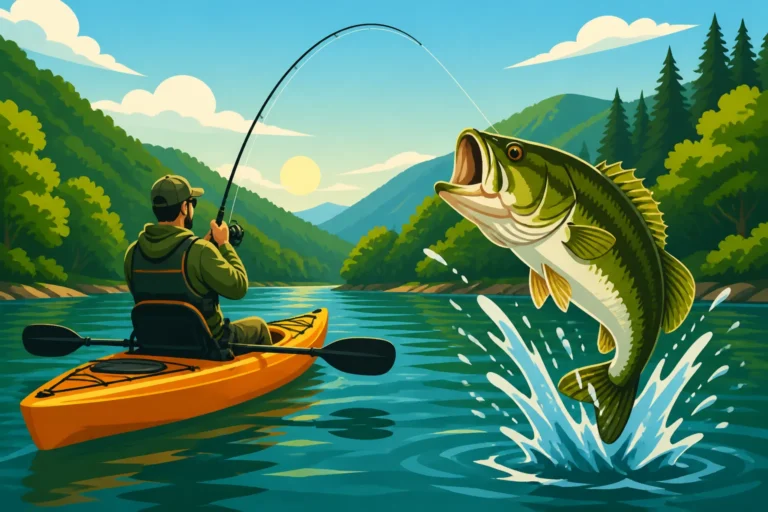
- Kayaking and Small Boats: Beech Fork Lake is fantastic for kayak fishing. A kayak allows you to access tight coves, weave through standing timber, and approach shallow water quietly. Being able to get into these less-pressured areas can make a huge difference. Check out Best Kayak Fishing Spots in West Virginia for more inspiration.
Navigation and Electronics for Crappie Fishing
In today's world, modern electronics have truly revolutionized crappie fishing. While you can certainly catch crappie without them, having a good fish finder and understanding how to use it will dramatically increase your efficiency on Beech Fork Lake.
The Power of Your Fish Finder
A quality fish finder is your best friend when searching for crappie, especially when they move deeper or relate to submerged structure that's not visible from the surface.
- Locating Submerged Structure: Use your sonar to scan for brush piles, old roadbeds, stumps, and channel edges. Crappie will be holding tightly to these features. Mark these spots as waypoints on your GPS for future reference. Many lakes like Beech Fork have extensive submerged timber, and without sonar, finding the best parts of it is largely guesswork.
- Identifying Crappie Schools: Crappie often show up as distinctive arches or blobs on your sonar screen, sometimes stacked vertically in a brush pile. Distinguishing them from baitfish schools (which appear as clouds) or other species comes with practice, but seeing fish near structure is a strong indicator.
- Determining Depth and Thermocline: Your fish finder will give you precise depth readings, which is crucial for presenting your bait at the correct level. In summer, it can also help you identify the thermocline – the layer of water where temperature changes rapidly – which often concentrates crappie.
- Side Imaging and Down Imaging: If your unit has these features, they are invaluable. Side imaging allows you to scan wide areas to either side of your boat, quickly locating brush piles and other structure. Down imaging provides a photo-like view directly beneath your boat, helping you identify the type of structure and even individual fish.
Mapping and GPS
Understanding the contours of Beech Fork Lake and marking your successful spots is vital for repeat success.
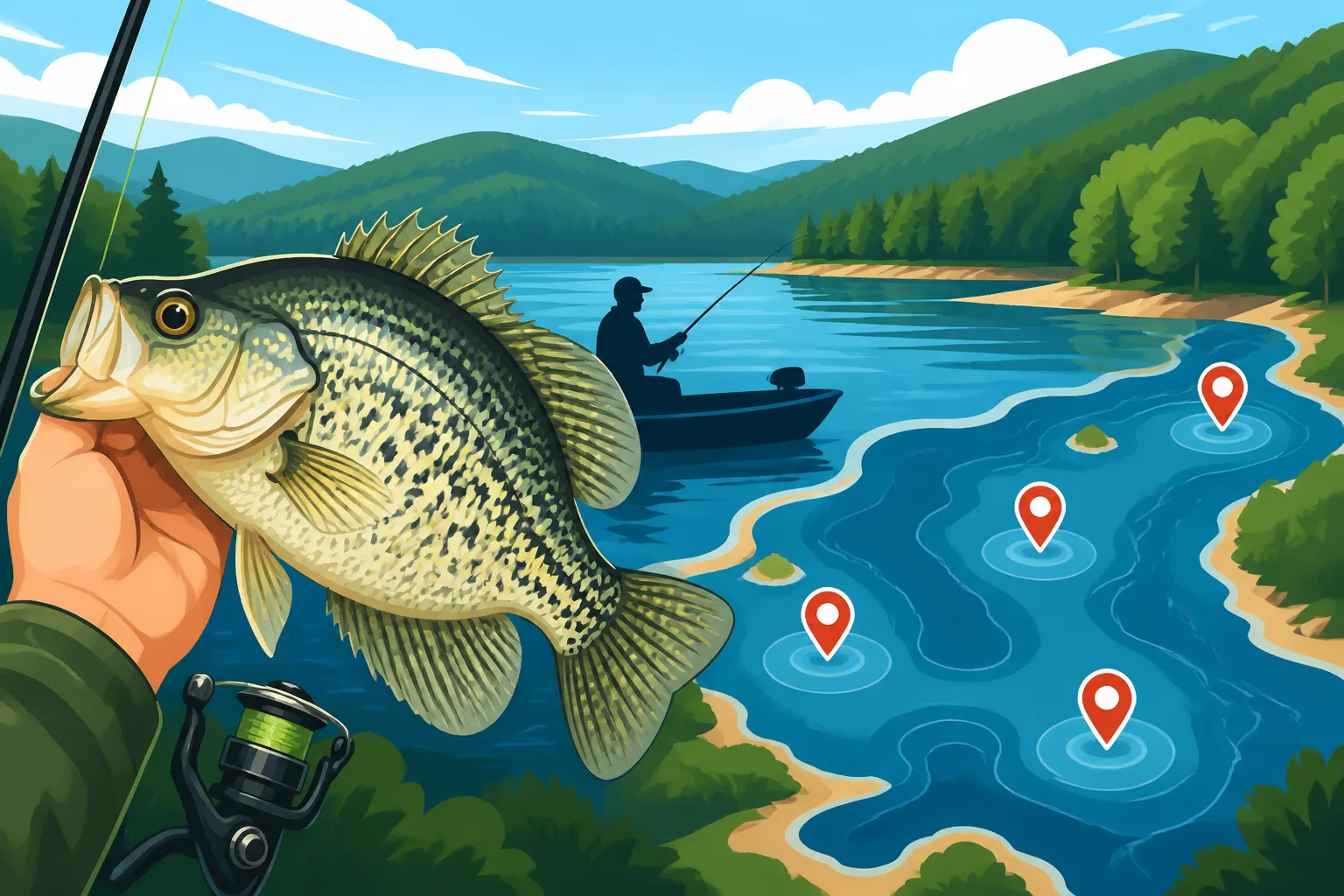
- Detailed Lake Maps: Utilize electronic maps on your fish finder or dedicated mapping apps. These maps often show depth contours, old creek channels, and sometimes even marked brush piles. Studying these maps before you even launch your boat can help you formulate a game plan and identify potential crappie hotspots.
- GPS Waypoints: When you find a productive brush pile, a school of crappie, or a specific piece of structure, immediately mark it as a waypoint on your GPS. This allows you to return to that exact spot easily, even on different days or in varying conditions. Over time, you'll build up a personal map of crappie honey holes on Beech Fork Lake.
Regulations and Conservation for Beech Fork Lake Crappie
Being a responsible angler means understanding and adhering to the local fishing regulations. These rules are in place to ensure healthy fish populations for everyone to enjoy, both now and in the future.
West Virginia Crappie Regulations
Before heading out, always consult the current West Virginia Fishing Regulations Explained document, typically available from the West Virginia Division of Natural Resources (WVDNR) or online. Regulations can change, so it's essential to have the most up-to-date information.
- Daily Creel Limit: This refers to the maximum number of crappie you can keep in a single day.
- Possession Limit: This is the maximum number of crappie you can have in your possession at any given time, including those from previous days of fishing.
- Minimum Length Limits: Some waters might have a minimum length limit for crappie, meaning you must release any fish shorter than the specified length.
- Panfish Limits: Crappie often fall under general "panfish" limits, so it's important to know the specific rules for Beech Fork Lake. You can find detailed information on West Virginia Panfish Limit for Bluegill and Crappie to ensure you're compliant.
- Fishing License: Don't forget your West Virginia fishing license! Most residents and non-residents need one, with certain exemptions for age or disability.
Practicing Conservation
As anglers, we have a responsibility to help maintain the excellent fishery at Beech Fork Lake.
- Catch and Release: While crappie are delicious, consider practicing catch and release, especially for larger breeding fish. This helps sustain the population. If you do keep fish, only keep what you will realistically eat.
- Handle Fish Gently: If you plan to release a fish, handle it as little as possible, and wet your hands before touching it to protect its slime coat.
- Dispose of Monofilament Line Properly: Discarded fishing line can be deadly to wildlife. Always collect and properly dispose of all your used line.
- Respect Private Property: Be mindful of where you're casting and if you're near private property. Leave no trace of your visit.
- Support Stocking Efforts: Your fishing license fees directly contribute to the WVDNR's efforts to manage and stock fisheries like Beech Fork Lake.
By understanding crappie habits, targeting the right spots, adapting your techniques to the season, utilizing modern electronics, and respecting regulations, your crappie fishing trips to Beech Fork Lake will undoubtedly be more successful and enjoyable. There's nothing quite like the thump of a crappie hitting your jig or the sight of a bobber disappearing under the calm waters of this beautiful West Virginia lake.
Disclaimer
Fishing conditions and regulations in West Virginia can change. Always consult the latest West Virginia Division of Natural Resources (WVDNR) fishing regulations guide before planning your trip. This article is intended for informational purposes only and does not constitute official legal advice regarding fishing laws.