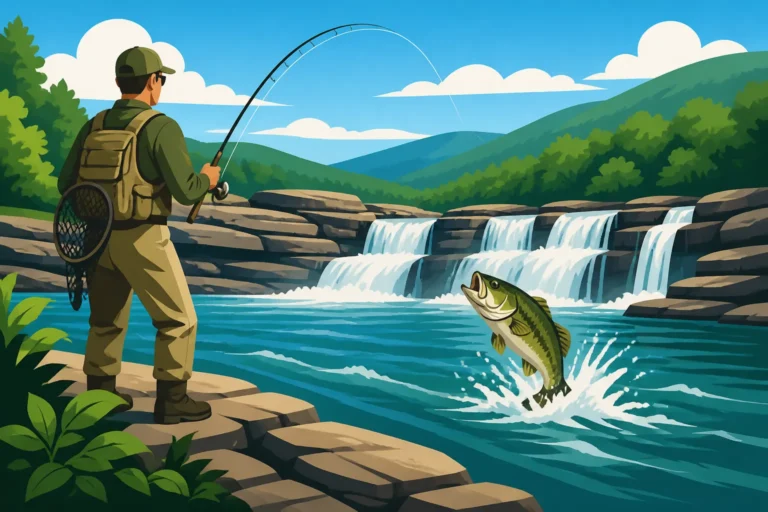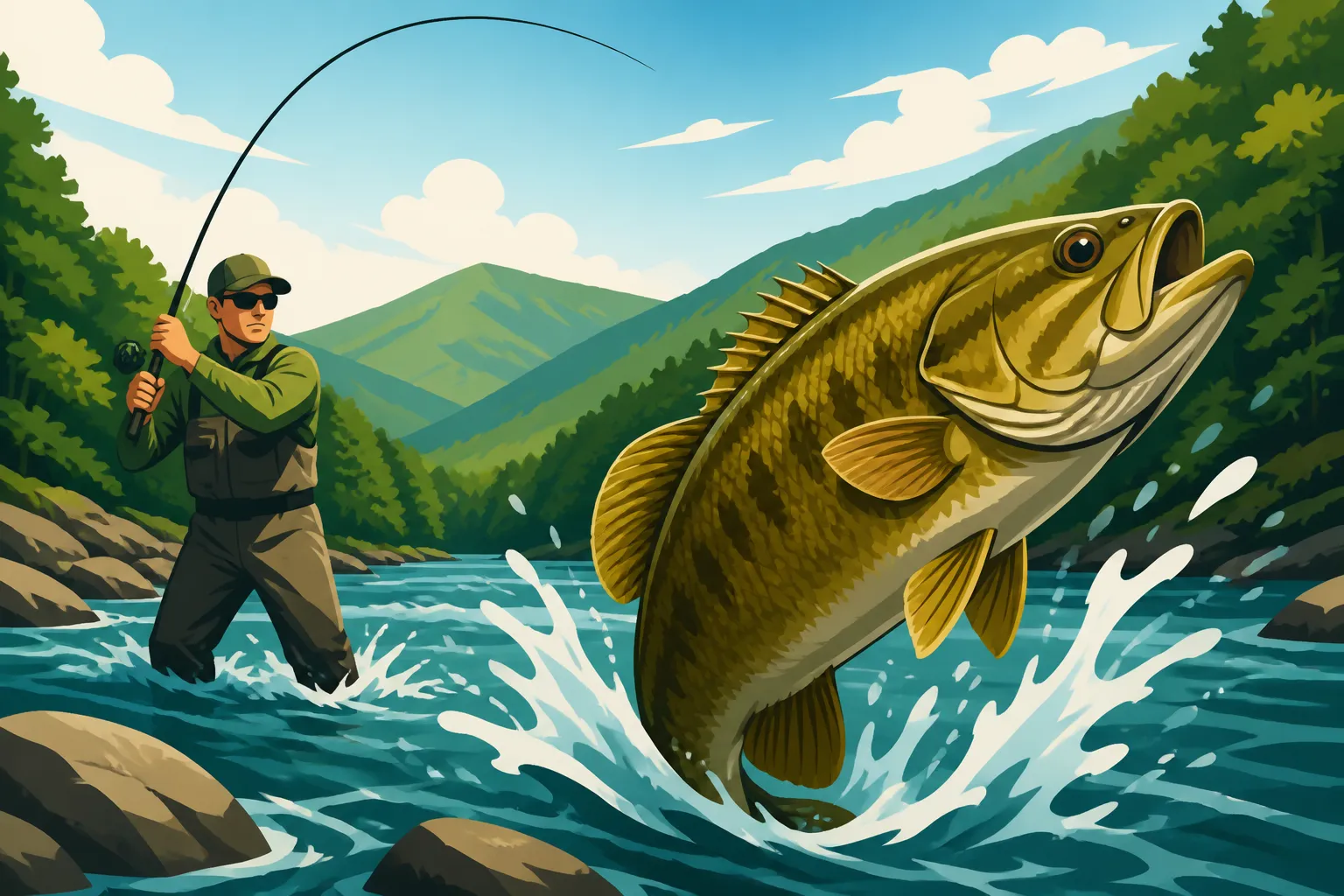
Middle Fork River smallmouth fishing
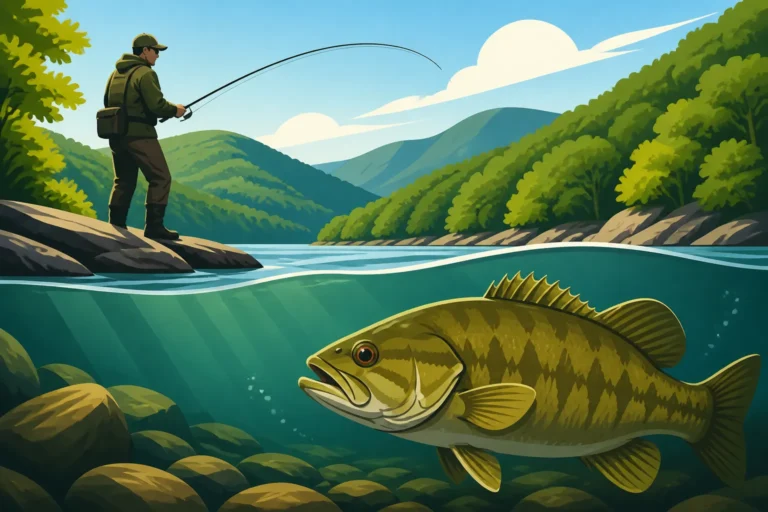
Many anglers dream of finding those secluded, less-pressured stretches of river where smallmouth bass thrive, but identifying and successfully fishing these spots can be a real challenge. The Middle Fork River in West Virginia is exactly one of those gems, often overlooked but brimming with potential for a fantastic smallmouth experience. This in-depth guide is designed to help you unravel the secrets of the Middle Fork, ensuring you have all the knowledge to hook into some truly feisty bronze backs.
Understanding the Middle Fork River's Unique Character for Smallmouth Bass
The Middle Fork River is a beautiful, free-flowing tributary of the Tygart Valley River, winding its way through parts of Randolph, Barbour, and Upshur counties in West Virginia. Unlike some of the larger, more heavily trafficked rivers, the Middle Fork maintains a wilder, more intimate feel. This unique character is precisely what makes it such a special place for smallmouth bass.
River Features and Water Conditions
The Middle Fork River is predominantly a freestone stream, meaning its flow is largely dictated by rainfall and snowmelt, and its bottom is characterized by rocks, gravel, and boulders rather than muddy silts. This rocky substrate is absolutely crucial for smallmouth bass. They thrive in these environments, using the rocks for cover, ambush points, and as a rich hunting ground for their primary food sources. The water here is generally clear, especially during periods of stable weather, allowing for sight fishing opportunities but also requiring a more stealthy approach from anglers.
You'll encounter a classic riverine structure on the Middle Fork: a diverse mix of riffles, runs, and deeper pools. The riffles, or shallow, fast-moving sections, oxygenate the water and often hold baitfish. The runs, which are slightly deeper and have a consistent current, are prime areas where smallmouth will sit, waiting for food to drift by. Then there are the pools – the deeper, slower-moving sections that offer refuge during harsh weather or low light, and where larger, more territorial smallmouth often reside. Understanding how these features interact and where fish position themselves within them is key to success on the Middle Fork. For a broader perspective on similar waters, check out our guide on the Best Fishing Rivers in West Virginia.
Forage Base and Ecosystem
The health of any fishery is directly linked to its ecosystem, and the Middle Fork is no exception. Its clear, rocky bottom and good water quality support a robust forage base that smallmouth bass absolutely relish. Crayfish are undoubtedly at the top of this list. These crustacean critters are abundant in the river's rocky crevices, and smallmouth will gorge themselves on them whenever possible. If you're looking for an advantage, mimicking a crayfish is often your best bet.
Beyond crayfish, the smallmouth in the Middle Fork also feed heavily on various minnow species, juvenile suckers, and a wide array of aquatic insects. During warmer months, terrestrial insects falling from streamside vegetation, like grasshoppers or beetles, can also become an important food source. This diverse diet means smallmouth in the Middle Fork are opportunistic feeders, but they can also become quite selective if a particular food source is overwhelmingly present. Observing the river for signs of activity, like minnows scattering or insects hatching, can give you vital clues about what the bass are feeding on.
Essential Techniques and Lures for Middle Fork Smallmouth
Successfully targeting smallmouth bass on the Middle Fork River requires a blend of adaptable techniques and the right lure selection. These fish are known for their aggressive strikes, but they can also be surprisingly wary in clear, shallow water.
Topwater and Subsurface Strategies
When it comes to smallmouth, especially in rivers like the Middle Fork, having a mix of topwater and subsurface options is crucial. Topwater fishing offers some of the most exciting strikes in all of angling. In the early mornings, late evenings, or on overcast days, throwing a topwater popper, walk-the-dog lure, or a small prop bait near current seams, submerged rocks, or over deeper pools can be incredibly effective. The explosive strike of a smallmouth breaking the surface is something every angler should experience.
For subsurface action, crankbaits that mimic crayfish or small baitfish are consistently productive. Look for shallow-diving models that can deflect off the rocky bottom without getting hung up too easily. Jerkbaits are also fantastic, especially in cooler water, as their erratic darting motion can trigger reactive strikes. And of course, soft plastics rigged on jig heads or Texas-rigged are indispensable. Tube jigs, grub tails, and creature baits (especially those that imitate crayfish) are absolute smallmouth magnets. The key with these is to work them slowly along the bottom, mimicking a scurrying crayfish or a vulnerable baitfish. For more detailed advice, our guide on how to Catch Smallmouth Bass in West Virginia Rivers offers excellent insights applicable here.
| Lure Type | Best Conditions | Presentation Tips | Target Areas |
|---|---|---|---|
| Topwater Poppers/Walkers | Low light (dawn/dusk), overcast days, calm water | Erratic pops/walks, pause, quick retrieve | Current seams, eddies, structure, deeper pools |
| Shallow Crankbaits | Clear to slightly stained water, sunny or cloudy | Bounce off rocks, retrieve with pauses | Riffle edges, runs, rocky drop-offs |
| Jerkbaits | Cooler water, clear conditions, active fish | Twitch, twitch, pause, vary retrieve cadence | Deeper runs, current breaks, submerged timber |
| Tube Jigs (Crayfish colors) | All conditions, especially targeting bottom structure | Drag, hop, twitch along the bottom | Pools, current breaks, rock piles |
| Grub Tails / Swimbaits | Steady current, searching for active fish | Steady retrieve, occasional twitch, vary depth | Runs, eddy lines, submerged grass |
Fly Fishing for Smallmouth
The Middle Fork River is also an exceptional destination for fly anglers targeting smallmouth. Its wadeable nature and abundant food sources make it a true pleasure to fly fish. For most situations, a 6 or 7-weight fly rod is ideal, offering enough power to cast larger flies and handle the strong fight of a river smallmouth.
Streamers are often the go-to choice. Patterns that imitate crayfish (e.g., Clouser Crayfish, Murdich Minnow) or baitfish (e.g., Clouser Minnow, Woolly Bugger in olive or black) are incredibly effective. Fish these by casting across and slightly upstream, then stripping them back with an erratic retrieve, mimicking the movement of prey. Don't be afraid to let them sink and tick along the bottom.
Topwater fly patterns, such as poppers or Gurglers, can also produce heart-stopping strikes, especially during warmer months. Cast these near bankside cover or into calm pockets, letting them sit for a moment before making a pop or gurgle. When fishing deeper pools or slower runs, weighted nymphs or small stonefly imitations can also pick up fish, particularly if they are keying in on aquatic insects. Exploring various Fly Patterns for West Virginia Trout Streams might also give you ideas, as some patterns cross over effectively for smallmouth.
Live Bait and Soft Plastics
While artificials are popular, sometimes nothing beats live bait for tempting stubborn smallmouth. Live crayfish, minnows, or even nightcrawlers can be incredibly effective on the Middle Fork, especially if the fish are finicky or during slower periods. Rigging live bait naturally, perhaps with a small split shot or free-lined, can often draw strikes when other methods fail. You can find many local bait shops in the surrounding towns like Buckhannon or Elkins.
Soft plastics remain a top choice for their versatility and ability to mimic natural forage. Beyond tube jigs and grubs, consider senko-style worms or finesse worms rigged weightless or on a small jig head. These soft plastics, when presented subtly, can be deadly in clear water. Their natural action and feel in the fish's mouth often lead to longer holding times, giving you more time to set the hook. Remember that the Best Baits for Smallmouth Bass on the New River also apply to the Middle Fork, with crayfish being a standout choice.
Navigating Access and Planning Your Middle Fork Trip
Getting onto the Middle Fork River and knowing when to go are critical components of a successful fishing trip. While not as widely known as some other West Virginia rivers, the Middle Fork offers some excellent public access.
Public Access Points and Wading Opportunities
One of the most popular and well-established access points for the Middle Fork River is within the Middle Fork River Wildlife Management Area (WMA), particularly around the areas near Audra State Park. Audra State Park itself provides excellent public access to the river with trails running alongside, offering multiple spots to get down to the water. The Middle Fork River WMA is managed by the West Virginia Division of Natural Resources (WVDNR) and provides parking and river access. These areas are fantastic for wading, allowing anglers to cover diverse sections of the river on foot.
When wading, always prioritize safety. The rocky bottom can be slippery, and water levels can fluctuate, especially after rainfall. A good pair of studded wading boots and a sturdy wading staff are highly recommended. Always be aware of the current, particularly in faster riffles and runs. Local resources, sometimes found through outfitters listed on platforms like FishingBooker, can often provide up-to-date information on current conditions and lesser-known access points. Remember to consult the West Virginia Fishing Regulations Explained before you head out, as rules can vary by waterbody.
Kayak and Canoe Fishing Advantages
For those who want to cover more water or reach less-pressured stretches, a kayak or canoe is an ideal choice for the Middle Fork River. Its relatively shallow nature in many areas and occasional riffles make larger motorboats impractical, but a nimble paddle craft excels. You can effortlessly drift through runs, silently approach prime pools, and navigate around obstacles that would challenge a wading angler.
Launch points often coincide with public access areas like those around Audra State Park or other bridge crossings marked on local maps. Remember that shuttle logistics are usually required for river floats – you'll need a vehicle at both your put-in and take-out points. Kayak fishing also allows you to carry more gear, like multiple rod setups and a cooler, making for a more comfortable day on the water. For more information, check out our guide on the Best Kayaks for West Virginia Fishing to help you choose the right vessel.
Best Seasons and Weather Considerations
The Middle Fork River offers good smallmouth fishing throughout the warmer months, but each season presents its own advantages and challenges.
- Spring (April-May): As water temperatures rise, smallmouth become more active after their winter lethargy. This is a prime time for pre-spawn fish, which are often aggressive feeders. However, spring can also bring fluctuating water levels and colder temperatures from snowmelt or heavy rains, so keep an eye on weather forecasts and river gauges.
- Summer (June-August): This is generally excellent for smallmouth fishing on the Middle Fork. Fish are active, and topwater action can be phenomenal, especially during low light hours. Water levels are typically lower and clearer, making wading and sight fishing easier. However, intense heat can make midday fishing tough, pushing fish into deeper, cooler pockets.
- Fall (September-October): Many consider fall to be the absolute best time for trophy smallmouth. As water temperatures cool, bass feed heavily in preparation for winter, often becoming incredibly aggressive. Cooler temperatures make for comfortable fishing, and the fall foliage provides a stunning backdrop.
Always pay attention to recent rainfall. While smallmouth can tolerate slightly stained water, a blown-out, muddy river after heavy rains will make fishing difficult and unsafe. Conversely, extended dry spells can lead to very low, clear water, requiring a more stealthy approach and lighter lines. You can find more comprehensive details about the seasons in our West Virginia Fishing Seasons by Month guide.
Challenges and Maximizing Your Middle Fork Smallmouth Success
Even on a beautiful river like the Middle Fork, success isn't always guaranteed. Understanding potential challenges and employing smart tactics can significantly improve your chances of a great day.
Dealing with Pressure and Spooky Fish
While the Middle Fork is less pressured than some major rivers, it still sees its share of anglers, especially on weekends and at easily accessible points. In its clear waters, smallmouth bass can be surprisingly wary. Excessive noise, heavy footsteps while wading, or bright colored lines can spook fish, especially larger ones in shallower water.
To counter this, practice stealth. Move slowly and deliberately, wear natural or muted clothing colors, and consider using longer leaders of fluorocarbon line, which is less visible underwater. For fly anglers, presenting flies with delicate casts that avoid splashing can make a huge difference. If you're using a kayak or canoe, paddle quietly and use a small anchor or anchor trolley system to hold your position without drifting too heavily over prime water. Sometimes, simply finding less obvious access points or being willing to hike a bit further can put you on fish that haven't seen as many lures.
Reading the Water and Finding Holding Lies
The ability to "read the water" is perhaps the most crucial skill for river smallmouth fishing. Smallmouth aren't randomly distributed; they hold in specific locations where they can conserve energy and ambush prey. On the Middle Fork, this means focusing on current breaks, submerged structure, and changes in depth.
Look for seams where fast current meets slower water – these are prime ambush points. Eddies behind large boulders or fallen trees are also excellent, offering fish a calm spot to rest while still being close to the food conveyor belt of the main current. Submerged logs, rock piles, and undercut banks provide vital cover. Even subtle changes in bottom contour can hold fish.
When you approach a new section of the river, take a moment to observe. Where is the strongest current? Where are the calmest spots? Are there any visible structures? Start by casting to the most obvious holding lies, then systematically work your way through the water, fanning casts to cover different depths and angles. Remember, smallmouth are often stacked up, so if you catch one, there are likely more nearby! For broader information on the species, see our guide to Smallmouth Bass Fishing in West Virginia.
Final Thoughts on Fishing the Middle Fork River
The Middle Fork River is a true gem in West Virginia's angling landscape, offering a fantastic opportunity to connect with feisty smallmouth bass in a beautiful, natural setting. It's a river that rewards patience, keen observation, and a willingness to adapt your techniques to its unique character. Whether you prefer the subtle art of fly fishing, the aggressive strikes of topwater lures, or the tactile feel of working soft plastics along the bottom, the Middle Fork has something to offer.
Always remember to respect the river and its environment. Practice catch and release, especially for larger breeding fish, and leave no trace behind. If you're planning a guided trip or looking for local insights, services like FishingBooker can help you connect with experienced local guides who know the Middle Fork River intimately. So pack your gear, plan your adventure, and get ready to experience some truly rewarding smallmouth fishing on West Virginia's incredible Middle Fork River.
Disclaimer
Please be aware that fishing regulations, conditions, and access points can change. Always consult the latest West Virginia Division of Natural Resources (WVDNR) regulations and local advisories before planning your trip. Safety should always be your top priority when fishing any river.