Meadow River fishing spots
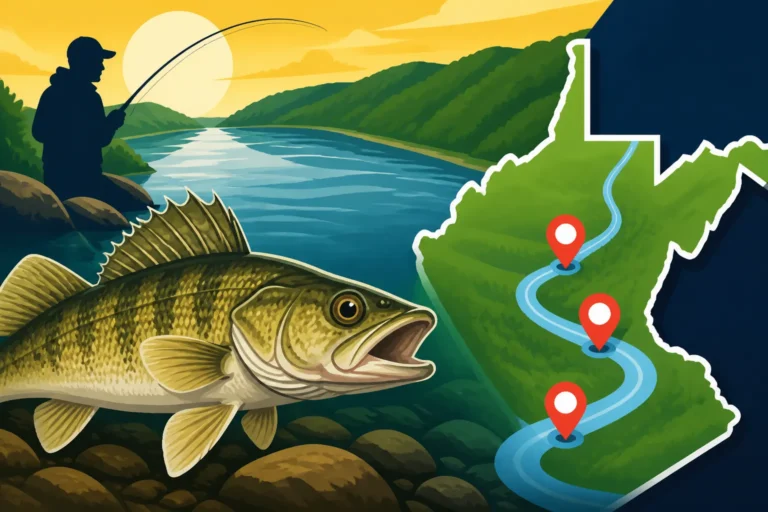
If you've ever stared at a map of West Virginia, tracing the winding lines of its rivers, and wondered where to even begin finding a decent fishing spot, you're not alone. The Meadow River is one of those gems, often overshadowed by its larger, more famous neighbors like the New and Gauley, but it holds incredible potential for anglers willing to explore. This guide is designed to cut through the confusion and highlight the best Meadow River fishing spots, helping you plan a successful and memorable trip.
Understanding the Meadow River Fishery
The Meadow River, a significant tributary of the Gauley River, carves its way through some truly wild and beautiful terrain in Fayette, Greenbrier, and Nicholas counties. Unlike some of the state's sprawling reservoirs, the Meadow offers a quintessential river fishing experience, characterized by a mix of riffles, runs, and deeper pools, all set against a backdrop of dense Appalachian forest.
River Character and Fish Species
The character of the Meadow River changes quite a bit from its headwaters to its confluence with the Gauley. In its upper reaches, where it’s smaller and generally colder, you might find some opportunities for trout, especially after stockings or in areas influenced by cold springs. However, for most of its length, the Meadow River is renowned for its robust warmwater fishery, particularly for smallmouth bass. These feisty fighters thrive in the river's rocky structure and varying currents. Alongside smallmouth, you'll encounter plenty of rock bass, often called "redeyes," which are incredibly fun to catch on light tackle and can be abundant in nearly every stretch of the river.
As you move downstream, especially closer to the Gauley River, the river widens, slows in certain sections, and the depth increases. Here, the chances of encountering other species like channel catfish, various panfish, and even the elusive muskellunge increase. Muskie tend to lurk in deeper pools, around large woody debris, or where tributaries enter the main flow, offering a true trophy fishing challenge. The diverse habitat means you can often target multiple species in a single outing, making for an exciting and unpredictable day on the water.
Seasonal Fishing Opportunities
Understanding the seasonality of the Meadow River is key to maximizing your success. Each season presents different opportunities and challenges:
- Spring: As water temperatures begin to rise in March and April, smallmouth bass become increasingly active, moving from their wintering holes into shallower areas to feed aggressively before their spawn. This is a fantastic time for targeting larger bass with crankbaits, jigs, and spinnerbaits. Trout fishing in the upper sections, if stocked, will also be at its peak during the early spring. However, spring can also bring unpredictable weather and high, muddy water conditions due to snowmelt and heavy rains, so always check river levels before heading out.
- Summer: Summer offers excellent and consistent fishing, especially for smallmouth bass and rock bass. The river is typically lower and clearer, making wading and kayak fishing ideal. Topwater lures can be incredibly effective during early morning and late evening hours, while subsurface offerings like tubes, grubs, and small crankbaits work well throughout the day. Catfish become more active during the warmer months, and muskie, while always a challenge, are also present and feeding. Just be mindful of heat and ensure you stay hydrated, and remember that water levels can drop significantly, making some areas very shallow.
- Fall: Many experienced anglers consider fall to be one of the best times to fish the Meadow River, particularly for trophy smallmouth and muskie. As water temperatures cool, fish feed heavily in preparation for winter. Smallmouth become very aggressive, chasing larger baits, and muskie activity can spike. The autumn foliage provides a stunning backdrop, making for a truly picturesque fishing experience. Lower water levels are common, which can make navigation easier but also require a stealthier approach.
- Winter: While not as popular, winter fishing on the Meadow River can be productive for those willing to brave the cold. Smallmouth bass will congregate in deeper, slower pools, often near structure, and can be caught with slow presentations of jigs or live bait. Muskie fishing, while requiring extreme patience, can sometimes yield a true giant during this season, as larger fish are often less pressured. Ice fishing is generally not an option on the flowing river, but some of the nearby smaller ponds or lakes might offer possibilities. Always prioritize safety in cold weather, including proper layering and knowing when to call it a day.
Key Access Points and Their Unique Offerings
The Meadow River flows through a mix of private and public lands, so understanding where you can legally access the water is crucial. Many of the best fishing spots are found near bridge crossings or designated public access points. Remember to always respect private property and leave no trace.
Upstream Coldwater Sections
The upper reaches of the Meadow River, generally from its headwaters down to areas like Rupert and Meadow Bridge, tend to be narrower and swifter, with a colder average water temperature. While it’s primarily a smallmouth bass fishery even here, these sections can hold some surprises.
Near the town of Nallen, the river is still relatively small and wadeable, offering a more intimate fishing experience. You’ll find classic riffle-and-pool structures perfect for smallmouth and rock bass. During cooler months or after significant rainfall, there’s a chance for trout that have moved downstream from stocked tributaries or the upper reaches, though the West Virginia DNR typically focuses trout stocking on specific designated trout streams. For anglers looking for a more remote feel, exploring some of the smaller feeder creeks or accessing the river where it runs through National Forest lands can yield good results, but always check land ownership beforehand. Access is often via small, unmarked pull-offs or walking in from secondary roads. These upper stretches are fantastic for fly fishing with smaller poppers and streamers for bass, or nymphing if you're targeting any elusive trout.
Mid-River Warmwater Zones
As the Meadow River meanders through areas like Danese and towards Rainelle, it starts to broaden and deepen, creating prime habitat for an abundant smallmouth bass population. This is arguably the most popular and productive stretch for smallmouth anglers.
- Meadow Bridge Area: The section around Meadow Bridge offers excellent access points. Several road bridges cross the river here, and while direct parking might be limited, there are often spots nearby where you can safely pull off and gain access, often by wading in. The river in this area features a good mix of faster runs and deeper, slower pools. Look for current breaks, submerged boulders, and fallen timber where smallmouth love to ambush prey. This is a great area for both wading and launching a kayak or canoe for a float trip.
- Sam Black Church Area: Downstream from Rainelle, around Sam Black Church, the river continues its consistent character of smallmouth habitat. Access here can be a bit more dispersed, often requiring anglers to seek out county road crossings or areas where public land might provide a safe entry point. This stretch is particularly good for those who enjoy covering water via kayak. While some areas might be too shallow for larger boats, a nimble kayak allows you to drift through productive stretches, hitting various riffles and pools. If you're planning a trip, considering a reputable outfitter or guide can make accessing some of these prime, less-known spots much easier. You might even find local guides listed on platforms like FishingBooker that operate in the broader New River Gorge region and have expertise on its tributaries.
Lower River Confluence with the Gauley
The lower stretches of the Meadow River, particularly as it approaches its confluence with the legendary Gauley River, take on a slightly different characteristic. The river here is wider and slower in many spots, influenced by the larger flow of the Gauley, and can hold some bigger surprises.
- Near Russellville and Mt. Lookout: As the Meadow River nears the Gauley, the fishing focus expands beyond just smallmouth. While bass are still plentiful, this is where you start to see a stronger presence of muskellunge. These apex predators will patrol the deeper pools, especially those with significant submerged structure or where the current slows. Target muskie here with larger baits like bucktails, glide baits, and large soft plastics. The confluence itself can be a fantastic spot, as fish from both rivers tend to congregate in this rich feeding ground. Access might require a bit more planning, with some public ramps or access points for the Gauley potentially offering the best routes to explore the lower Meadow. Kayaks and smaller jon boats are ideal for navigating this area, allowing you to effectively cover water and present lures in key muskie holding spots. You might also encounter channel catfish and even a stray walleye, especially if they’ve migrated up from the Gauley.
Essential Techniques and Gear for Meadow River Success
Successfully fishing the Meadow River often comes down to adapting your techniques to the river's dynamic nature and selecting the right gear for the job. This isn't a place for heavy saltwater setups, but rather gear that offers a balance of sensitivity and power.
Best Lures and Baits
For the primary targets on the Meadow River, you'll want a versatile tackle box.
- Smallmouth Bass: These aggressive fish respond well to a variety of presentations.
- Crankbaits: Small to medium-sized crankbaits (1.5 to 3 inches) in crayfish, shad, or firetiger patterns are incredibly effective. Look for models that dive to 3-6 feet.
- Jigs: Grubs (tube jigs) in green pumpkin, black, or brown, rigged on 1/8 to 1/4 ounce jig heads, are a staple. Cast them upstream and let them drift naturally with the current, occasionally hopping them along the bottom. Marabou jigs can also be very effective, especially in clearer water.
- Spinnerbaits: Small inline spinners (Mepps, Panther Martin) or traditional skirted spinnerbaits (1/4 to 3/8 ounce) with willow or Colorado blades work wonders in riffles and runs.
- Topwater Lures: Poppers, walking baits, and buzzbaits create explosive strikes during low light conditions or on overcast days.
- Soft Plastics: Ned rigs, small paddle tail swimbaits, and soft plastic jerkbaits can be deadly when retrieved erratically.
For more detailed advice on what these bass like, you might want to read up on How to Catch Smallmouth Bass in West Virginia Rivers.
- Muskellunge: Chasing the "fish of 10,000 casts" requires specialized gear and patience.
- Large Bucktails: Sizes 8-10 in bright colors or natural patterns are muskie magnets.
- Glide Baits and Jerkbaits: These lures can be worked slowly with long pauses to entice a strike from a wary muskie.
- Large Swimbaits: Soft or hard-bodied swimbaits mimicking local forage fish.
- Topwater: Giant topwater lures can produce heart-stopping strikes.
- Live Bait: Large suckers or chubs, if legally allowed and ethically sourced, can be very effective, often fished under a float in deeper pools. Make sure to check local regulations before using live bait. If you're serious about targeting these giants, learning How to Catch Muskie in West Virginia is a must.
- Trout (Upper Reaches): If you're in the colder, upper sections where trout might be present, or in nearby dedicated trout streams, standard trout fare works.
- Small Spinners: Roostertails or small Mepps spinners.
- PowerBait or Corn: For recently stocked fish.
- Flies: Nymphs (Pheasant Tail, Hare's Ear), dry flies (Elk Hair Caddis, Adams) during hatches, and small streamers.
For deeper dives into fly selection, check out Fly Patterns for West Virginia Trout Streams.
Wading and Kayak Fishing Strategies
The Meadow River is truly a gem for anglers who prefer to be mobile and immerse themselves in the environment.
- Wading: Many sections of the Meadow River are perfectly suited for wading, especially during lower water levels in summer and fall. Good quality waders and sturdy wading boots with felt or sticky rubber soles are essential for navigating the rocky bottom. A wading staff can provide extra stability in swift currents. When wading, approach the river cautiously, moving slowly and deliberately to avoid spooking fish. Cast upstream and work your lure or bait downstream, letting the current do some of the work. Always be aware of changes in depth and current speed. In some areas, the river can drop off surprisingly quickly. For more in-depth knowledge, consider reading up on Wading Techniques for West Virginia Trout Streams, as many of the principles apply to bass rivers too.
- Kayak and Canoe Fishing: For covering more water or accessing sections difficult to wade, a kayak or canoe is ideal. A sit-on-top fishing kayak provides stability and plenty of room for gear, allowing you to cast and move with ease. Many anglers choose models like those from Old Town or Hobie, known for their fishing-specific features. Launching can sometimes be informal, from small pull-offs or roadside clearings, so be prepared for a short carry. When floating, drift with the current, casting to current seams, eddy lines, and submerged structure. Use a small anchor or anchor trolley system to hold your position in productive spots. Always wear a life jacket, especially if you're unfamiliar with the river's rapids and currents. For choosing the right vessel, explore guides like Best Kayaks for West Virginia Fishing or Kayak Fishing Techniques for West Virginia Rivers. FishingBooker can also be a resource if you're looking for guided kayak trips on other rivers in the state, offering insights into what successful outfitters use.
Navigating Regulations and Conservation
Fishing the Meadow River, like any other water in West Virginia, means being aware of and adhering to the state's fishing regulations. These rules are in place to ensure sustainable fishing for generations to come.
Important Fishing Regulations
Before you even wet a line, you'll need a valid West Virginia fishing license. If you're a resident, the process is straightforward; non-residents also have several options, including annual or short-term permits. You can usually purchase these online through the WV DNR website (WVhunt.com), at authorized license agents like bait shops or sporting goods stores, or even by phone. To avoid any issues, make sure to read the West Virginia Fishing License Guide for 2026 before your trip.
Beyond the general license, it's crucial to consult the West Virginia Fishing Regulations Summary for specific rules pertaining to the Meadow River. While there aren't typically "special regulation" sections on the Meadow like some designated trout streams, you still need to be aware of statewide bag and possession limits for species like smallmouth bass, muskie, and catfish. These limits can change, so having the most current summary on hand is important. For instance, knowing the West Virginia Black Bass Limits and the New River Slot Limit can prevent any unintentional violations, even if the New River has slightly different rules than the Meadow. Always know the minimum length requirements and daily creel limits for the species you intend to keep. For those who enjoy boating, even in a kayak, remember to familiarize yourself with West Virginia Boating Laws for Anglers which cover things like required safety equipment.
Practicing Responsible Angling
Conservation is more than just following regulations; it's about being a good steward of the resource. The Meadow River is a wild and relatively untouched fishery in many areas, and it's up to us to keep it that way.
- Catch and Release: While keeping some fish for a meal is part of the angling experience, practicing catch and release, especially for larger smallmouth bass and all muskie, helps sustain healthy populations. Use barbless hooks, land fish quickly, and handle them minimally with wet hands to protect their slime coat. For muskie, a large rubberized net is essential for a safe release, as is keeping the fish in the water as much as possible for photos.
- Leave No Trace: Pack out everything you pack in, including any trash, fishing line, or bait containers. This applies to all natural areas, but especially to the wild riverbanks of the Meadow. Consider picking up any litter you find, even if it’s not yours.
- Respect Private Property: A significant portion of the Meadow River flows through private land. Always be mindful of property lines and seek permission if you need to access private land. Many public access points are available, so planning your trip around these can avoid potential conflicts. The future of access often depends on anglers demonstrating respect for landowners.
Here’s a quick overview of some potential fishing spots and their characteristics on the Meadow River:
| River Section / Location | Primary Species | Best Access Method | Key Features | Notes |
|---|---|---|---|---|
| Upper River (Nallen/Rupert) | Smallmouth Bass, Rock Bass, occasional Trout | Wading, smaller kayaks | Narrow, swift current, rocky bottom, colder water | More remote, potential for walk-in access from secondary roads |
| Mid-River (Meadow Bridge) | Smallmouth Bass, Rock Bass | Wading, kayaks, canoes | Mix of riffles, runs, deeper pools, submerged structure | Good public road access near bridges, popular float section |
| Mid-River (Rainelle/Danese) | Smallmouth Bass, Rock Bass, some Catfish | Kayaks, canoes, limited wading | Wider sections, good current breaks, fallen timber | Dispersed access, explore county road crossings |
| Lower River (Russellville/Mt. Lookout) | Smallmouth Bass, Muskie, Catfish | Kayaks, canoes, small jon boats | Wider, deeper pools, influenced by Gauley River flow | Trophy muskie potential, stronger currents, focus on confluence |
The Meadow River truly offers a unique and rewarding fishing experience in West Virginia. With a bit of planning and respect for the environment, you're sure to find your own slice of angling heaven.
Disclaimer
Please remember that fishing conditions, regulations, and access points can change. Always consult the official West Virginia Division of Natural Resources (WV DNR) website or their current fishing regulations summary before planning any trip to ensure you have the most up-to-date information. Your safety and adherence to all laws are your responsibility.