Best setup for float fishing the New River
Float fishing the New River can feel like a daunting adventure, especially if you’re new to navigating its powerful currents and rocky terrain. Many anglers find themselves overwhelmed by the sheer size and wildness of this ancient river, wondering what gear to bring or how to even approach such a unique fishery. This comprehensive guide is designed to cut through that confusion, equipping you with the knowledge and confidence to assemble the best setup for an unforgettable float fishing experience on West Virginia's magnificent New River.
Understanding the New River's Unique Challenges for Float Fishing
The New River isn't your average placid lake or gentle stream. It's a powerhouse, a rugged beast that carves its way through the Appalachian Mountains, offering both incredible beauty and significant challenges for the angler. Before you even think about what lure to tie on, you need to grasp the distinct characteristics of this incredible waterway.
Current, Structure, and Water Levels
The New River is renowned for its swift current, especially in its numerous rapids and whitewater sections. This constant movement means your fishing strategy needs to be dynamic. You won't be still for long, so casting accuracy and quick retrieves are paramount. The riverbed is a mosaic of boulders, ledges, and gravel bars, creating intricate current breaks, eddies, and deep pockets where fish love to ambush prey. These structures, while excellent fish habitat, also pose significant snag hazards, so choosing the right line and tackle is crucial.
Water levels on the New River can fluctuate, although not always as dramatically or frequently as rivers managed by dams for hydropower. Local rainfall plays a huge role. After a significant rain, the river can rise quickly, becoming murky and pushing fish into slower, more protected areas. Conversely, during prolonged dry spells, low and clear water conditions can make fish spookier and require a more stealthy approach. Always check the river gauges before heading out; websites like the USGS offer real-time data for various points along the New River, providing invaluable insights into current conditions. Understanding these dynamics is the first step in successful float fishing. It dictates everything from your boat choice to your lure selection.
Target Species and Their Habits
While the New River boasts a diverse fishery, float fishing here is largely synonymous with chasing smallmouth bass and the elusive muskie. These are the river's true stars, and their habits dictate much of your setup.
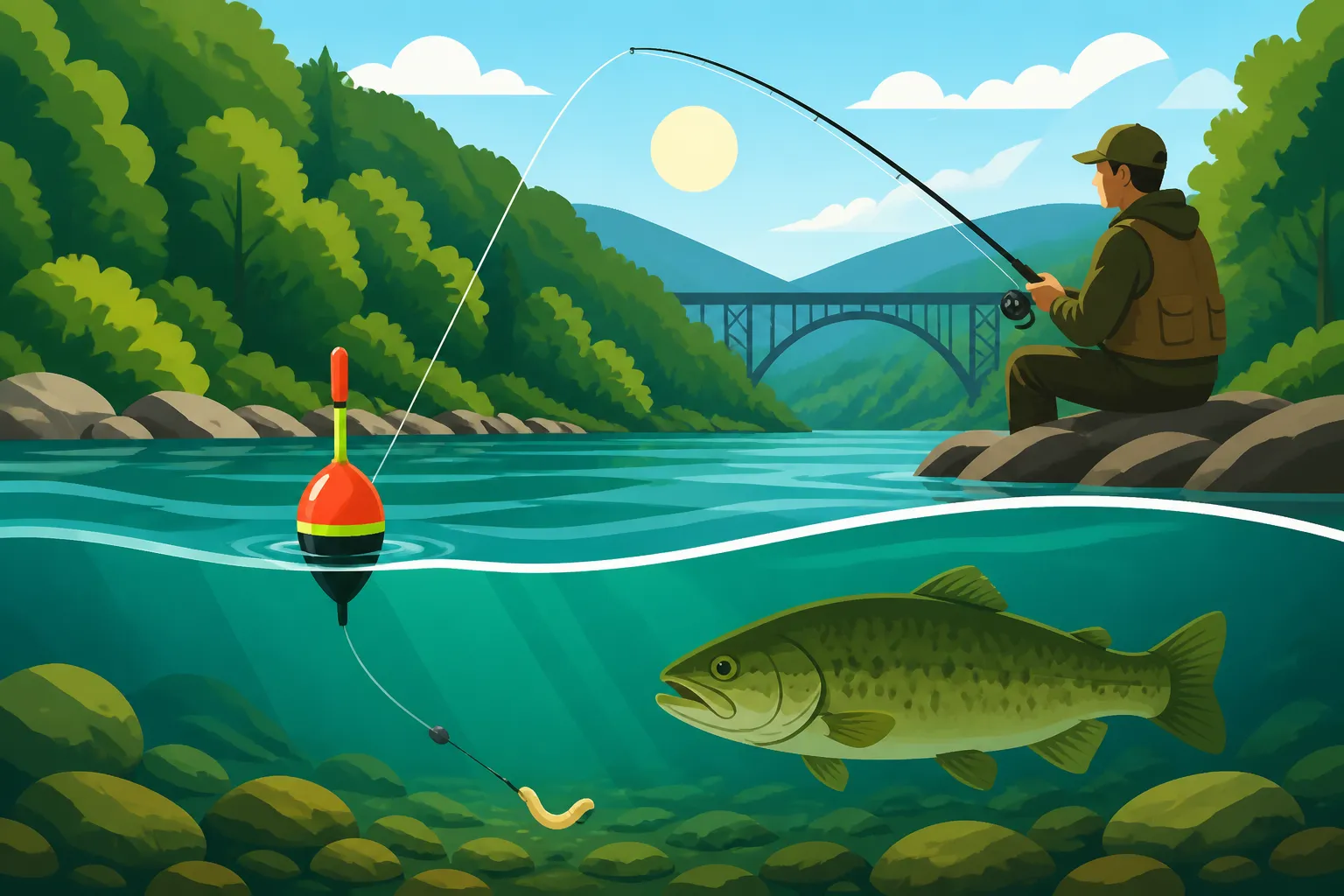
Smallmouth bass are incredibly prevalent and aggressive in the New River. They thrive in the moving water, often holding behind current breaks, boulders, and submerged timber, waiting for baitfish, crayfish, or insects to drift by. They are powerful fighters, especially in current, and will readily strike a variety of lures. Knowing their preferred ambush points—eddies, seams where fast water meets slow, and the downstream side of structure—will greatly improve your chances. Understanding New River Smallmouth Bass Fishing is key to maximizing your success.
Muskellunge, or muskie, are the apex predators of the New River. These toothy giants are often found in deeper pools, slower sections, or lurking near large submerged structure. They are highly territorial and incredibly challenging to catch, earning them the nickname "the fish of 10,000 casts." When float fishing, you'll often target muskie in the same areas you find smallmouth, but with different, larger presentations. The thrill of a muskie strike is unlike anything else, and preparing specifically for them is a worthwhile endeavor, even if they aren't your primary target. Beyond these two, you might also encounter rock bass, sunfish, catfish, and even walleye in certain sections, but your primary focus for a dedicated float fishing trip will generally revolve around smallmouth and muskie.
Essential Gear for Your New River Float Fishing Setup
Alright, let's get down to the nitty-gritty: what gear do you actually need to tackle the New River effectively? This isn't a trip where you can just grab any old rod and a handful of worms. Thoughtful preparation makes all the difference.
Rods and Reels
For smallmouth bass, you'll want a versatile setup that can handle powerful fish in current while offering good casting distance and accuracy. A medium-light to medium power spinning rod, typically 6'6" to 7'6" in length, is a fantastic choice. This length provides good leverage for fighting fish and decent casting control. Pair it with a 2500 or 3000 series spinning reel. Look for a reel with a smooth drag system, as New River smallmouth will test it. For those who prefer baitcasting, a 6'6" to 7' medium power casting rod with a high-speed reel (7.1:1 or higher) will give you excellent control for pitching jigs and quickly picking up slack. If you're really serious about targeting New River trophy smallmouth section bass, you might even consider a slightly heavier medium-heavy action rod for bigger lures and stronger hooksets.
When it comes to muskie, you're stepping into a whole different league. These fish demand heavy-duty gear. A stout baitcasting rod, often 7'6" to 9' in length with a heavy or extra-heavy power rating, is essential. This length helps handle large lures and provides the necessary leverage for fighting truly massive fish. Pair this with a high-quality, low-profile baitcasting reel designed for heavy line and big baits, or a larger round baitcasting reel like a Daiwa Lexa or Shimano Tranx. The gear ratio is less critical here than sheer cranking power and line capacity. You need a reel that can withstand the abuse of casting and retrieving heavy lures all day, and more importantly, handle the initial explosive run of a muskie. You can find a good range of options for Best Rods for West Virginia Rivers and reels on sites like Amazon.
Line and Leaders
Your line choice is critical on the New River due to the abundance of abrasive rocks and strong currents. For smallmouth, many anglers opt for 10-20 lb braided line as their main line. Braid offers incredible sensitivity, zero stretch for powerful hooksets, and excellent casting distance. However, because braid is highly visible and susceptible to abrasion against rocks, you'll want to add a fluorocarbon leader. A 6-10 lb fluorocarbon leader, typically 3-5 feet long, tied to your braid with a strong knot like an FG or Alberto knot, provides invisibility to fish and better abrasion resistance where it matters most. For muskie, heavy braided line is non-negotiable, typically 65-100 lb test. The sheer power of these fish and the potential for snags demand it. A heavy-duty fluorocarbon or wire leader, 80-150 lb test, is absolutely essential to prevent bite-offs from their razor-sharp teeth. Never, ever fish for muskie without a proper leader.
| Target Species | Main Line (Braid) | Leader Material | Leader Strength |
|---|---|---|---|
| Smallmouth Bass | 10-20 lb | Fluorocarbon | 6-10 lb |
| Muskie | 65-100 lb | Fluorocarbon or Wire | 80-150 lb |
Tackle and Baits
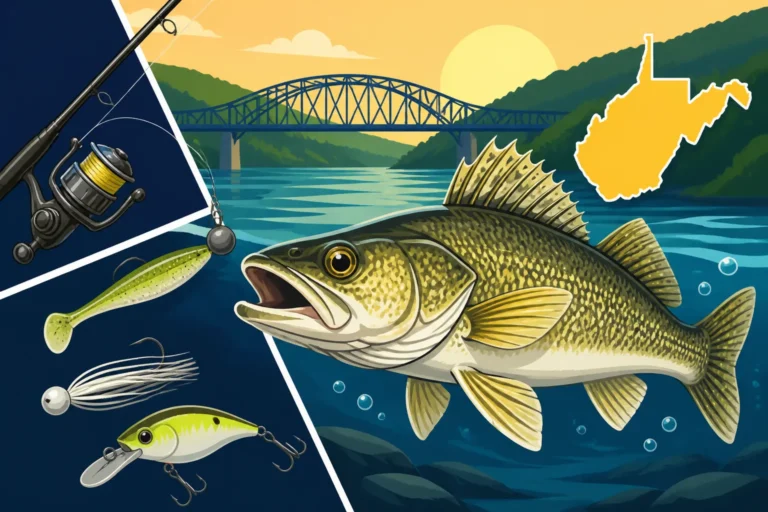
This is where the fun really begins! For New River smallmouth, variety is key. You'll want to carry a selection of lures that imitate crayfish and baitfish, which are their primary food sources.
- Jigs: Tube jigs (3-4 inches) in green pumpkin, black, or natural crayfish colors are perennial favorites. Pair them with a 1/8 to 1/4 oz jig head, depending on current. Small swimbaits on jig heads also perform well.
- Crankbaits: Medium-diving crankbaits (especially those with a crayfish profile or a shad pattern) are excellent for covering water and triggering strikes in deeper runs and pools.
- Topwater: Poppers, walk-the-dog baits, and buzzbaits can provide explosive surface action during low-light conditions or overcast days.
- Spinnerbaits & Chatterbaits: These are great search baits, especially in slightly stained water or when covering lots of river. White, chartreuse, or natural baitfish patterns work well.
- Soft Plastics: Ned rigs, shaky heads, and flukes can be deadly when fish are finicky or when fishing slower pools.
For muskie, your tackle box will look drastically different. Remember, big baits catch big fish.
- Bucktails: Large inline spinners (bucktails) are perhaps the most iconic muskie lure. Sizes 8-10 are common, with black, white, chartreuse, and natural patterns being popular.
- Crankbaits & Jerkbaits: Large diving crankbaits and glide baits, often 6-12 inches long, are effective for targeting fish holding in deeper water or open areas.
- Soft Plastics & Swimbaits: Large soft plastic paddle-tail swimbaits or rubber baits can entice strikes from wary muskies.
- Topwater: Huge topwater baits like prop baits or walk-the-dog style lures can create spectacular blow-ups.
When assembling your kit, think about durability. The New River is tough on gear. While you can find a lot of Best Tackle for West Virginia Smallmouth Bass in local shops, Amazon is a convenient place to browse a wide variety of brands and types of lures, especially for specialized muskie tackle which might be harder to find locally.
Essential Safety and Comfort Items
Float fishing on the New River isn't just about catching fish; it's about being prepared for a genuine wilderness experience. Safety should always be your top priority.
- Personal Flotation Devices (PFDs): Every person on board must wear a properly fitted PFD. This isn't just a suggestion; it's a legal requirement in many situations and a life-saving necessity on a river with rapids. Look for comfortable, fishing-specific PFDs with pockets for small gear. Read up on Life Jacket Requirements for West Virginia Boaters before you go.
- First-Aid Kit: A comprehensive kit with bandages, antiseptic wipes, pain relievers, and any personal medications is crucial. Small cuts and scrapes are common, and in a remote setting, immediate care is vital.
- Dry Bags: Protect your electronics, extra clothing, and food from water. Even on a calm day, splashes happen, and capsizing is always a possibility. Invest in good quality dry bags of various sizes.
- Communication Device: A fully charged cell phone in a waterproof case or a satellite communication device is essential for emergencies, especially in areas with spotty cell service, which is common along the New River.
- Sun Protection: Sunscreen, a wide-brimmed hat, and polarized sunglasses (which also help with spotting fish and structure) are a must for long days on the water.
- Water & Snacks: Staying hydrated and fueled is important. Pack more water than you think you'll need.
- Anchor System: A good anchor system with enough rope for the river's depth and current is indispensable for holding your position in fishing spots.
- Wading Boots & Staff: If you plan to wade, sturdy wading boots with good grip and a wading staff for stability are highly recommended. The New River rocks can be slippery.
- Multi-tool & Pliers: Essential for cutting line, making adjustments, and safely removing hooks. A long pair of needle-nose pliers or specialized fishing pliers is a must for muskie to protect your hands from their teeth.
- Landing Net: A large, rubberized landing net is vital for safely landing and releasing fish, especially muskie. The rubberized mesh protects the fish's slime coat.
Crafting Your Float Plan and On-Water Strategy
Now that you have your gear, it's time to think about how you'll actually navigate and fish the river. Float fishing is as much about the journey as it is about the destination.
Choosing the Right Watercraft
The New River offers incredible opportunities for various watercraft, and your choice will greatly influence your experience.
- Kayaks: These are incredibly popular for float fishing the New River due to their maneuverability, stealth, and ability to navigate shallower water. Fishing kayaks, particularly sit-on-tops, offer stability and storage. They're excellent for targeting Best Kayak Fishing Spots in West Virginia and getting into tight spots.
- Canoes: Canoes provide more storage space for multi-day trips and can be a good option for two anglers, but they are less stable than kayaks in rapids and require coordinated paddling.
- Rafts: Often used for guided trips or by experienced whitewater enthusiasts, rafts offer superior stability in rapids and can carry a lot of gear. They're excellent for accessing remote sections or multi-day excursions.
- Drift Boats: These specialized boats offer excellent control in current, allowing anglers to precisely position themselves. They are typically rowed by a guide while anglers fish. While common on western rivers, they are also finding favor on larger eastern rivers like the New.
Consider the length of your trip, the number of anglers, the amount of gear, and your comfort level with rapids when making your choice. For a beginner, a stable fishing kayak is an excellent starting point, and you can find a great Best Kayak for the New River by doing a little research online, perhaps on Amazon.
Access Points and Take-Outs
The New River Gorge National Park and Preserve offers numerous public access points, but not all are suitable for launching or retrieving larger watercraft. It’s absolutely vital to scout your put-in and take-out points beforehand. Some access points, like Fayette Station, offer paved ramps, while others might be more primitive, requiring a short carry.
Consider the duration of your float. A "day float" typically covers 5-10 miles, depending on current speed and how much time you spend fishing. Longer floats may require shuttling vehicles, which means coordinating with a friend or hiring a professional outfitter for shuttle services. Always know your route, approximate mileage, and potential hazards. Having a detailed map (physical and/or digital on a waterproof GPS device) is non-negotiable. Knowing where you are and where you're going prevents stressful situations, especially as daylight fades. Remember to always be courteous and aware of other users of the river; Operating a Boat Near an Angler in West Virginia is not just good etiquette, it's also regulated.
Reading the River and Fishing Effectively
Once on the water, learning to "read the river" is perhaps the most important skill you can develop for float fishing.
- Current Seams: Look for the lines where fast water meets slow water. Fish often hold in the slower water, darting out to ambush prey in the faster current. These are prime casting targets.
- Eddies: These are pockets of still or reverse-flowing water, usually behind large boulders or other obstructions. Eddies are classic holding lies for smallmouth, offering them a break from the current and a spot to ambush food. Cast into the eddy and work your lure out into the current seam.
- Submerged Structure: Keep an eye out for tell-tale signs of submerged rocks, logs, or ledges. These provide cover and ambush points. Polarized sunglasses are incredibly helpful for spotting these underwater features.
- Positioning Your Boat: Your boat control is paramount. Learn to use your paddle or oars to keep your boat positioned effectively. Often, you'll want to float just outside the main current, allowing you to cast into prime holding water without drifting past too quickly. Casting ahead of your drift and working your lure back towards the boat can be very effective.
- Casting and Retrieve: Accuracy is key. You often have a limited window to present your lure to a specific spot as you float by. Practice casting to tight targets. For smallmouth, a varied retrieve is often best – a mix of steady retrieves, pauses, and jerks can trigger strikes. For muskie, a steady, often fast, retrieve with bucktails is common, as is a twitch-and-pause retrieve for gliders and jerkbaits.
- Fish the "High Percentage" Water First: As you approach a section of river, identify the most likely spots for fish to hold – obvious current breaks, deep pockets, shaded areas, or large eddies. Make your most accurate casts to these spots first before they are disturbed by your boat's presence.
- Always Be Prepared: The New River is wild. Always be alert for obstacles, changing currents, and other boaters. Have a plan for what to do if you encounter a significant rapid, and know your own boating limits. Don't be afraid to pull over and portage around a rapid if you're not comfortable running it. For more general advice on fishing this amazing place, check out our New River Gorge Fishing Guide.
Float fishing the New River offers an unparalleled angling experience. By understanding the river's unique character, equipping yourself with the right gear, and developing a solid float plan, you'll be well on your way to creating lasting memories and, hopefully, landing some incredible fish. For a comprehensive overview of rules, you might want to consult our West Virginia Fishing Regulations Explained.
Disclaimer
Fishing and boating in wild river environments like the New River carry inherent risks. Always prioritize safety, wear appropriate personal flotation devices, and be aware of weather and river conditions. This guide provides general information and recommendations; actual conditions and personal skill levels should always dictate your actions on the water. Check all current West Virginia fishing regulations before heading out.