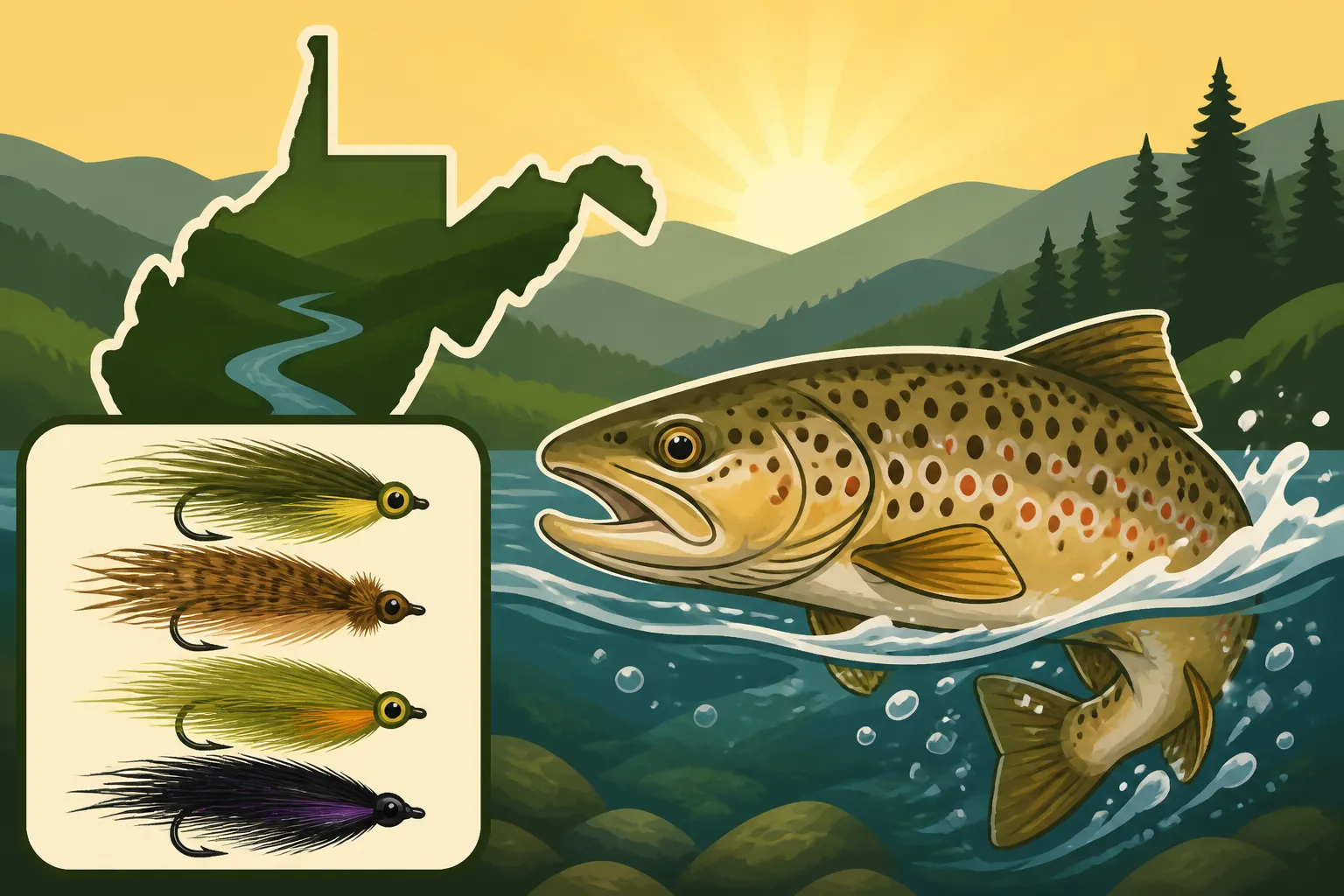
Best streamer patterns for West Virginia brown trout
Finding the right streamer pattern for West Virginia brown trout can sometimes feel like trying to solve a puzzle while standing in a cold mountain stream, especially when you know those big, wary browns are lurking. You want something that will truly entice those predatory fish, not just another fly that goes ignored. This guide will dive deep into the world of streamer fishing, helping you understand which patterns consistently fool West Virginia brown trout and how to present them effectively, turning your frustrations into successful days on the water.
Why Streamers Are So Effective for West Virginia Brown Trout
Brown trout, those wily, often reclusive denizens of our state's rivers and streams, are opportunistic predators at heart. Unlike rainbow trout or brook trout which might be more inclined to sip tiny dries or pick off nymphs, brown trout have a reputation for being aggressive hunters, especially as they grow larger. This predatory nature is precisely why streamers are such a powerful tool in a West Virginia angler's arsenal.
Understanding Brown Trout Forage Habits
Big browns aren't just looking for a tiny morsel; they're looking for a meal. Their diet often consists of larger prey items that provide more caloric value. Think about it: a brown trout expends energy to hunt, so it prefers to get a good return on that investment. This means they regularly target smaller fish, crayfish, sculpins, and even large aquatic insects. A well-presented streamer mimics these larger food sources, triggering their instinctive hunting response. You're not just presenting a fly; you're presenting a threat to their territory or an easy meal they can't refuse. In some of our famous brown trout waters, like sections of the South Branch Potomac, these fish grow substantial, and their diet reflects that.
The Aggressive Nature of Larger Browns
There's something truly exhilarating about the violent strike of a large brown trout on a streamer. It's not a subtle take; it's often an aggressive, rod-bending smash. This behavior is rooted in their survival. As brown trout mature, they become more territorial and assertive, especially when defending their lies or pursuing prey. Streamers, with their erratic movements and larger profiles, often provoke an instinctual, aggressive reaction that can lead to explosive strikes. This is particularly true in deeper runs, undercut banks, or around submerged structure where bigger browns feel secure and are ready to ambush. If you’re looking to target bigger fish, understanding how to fish for brown trout is crucial, and streamers are often the key.
Top Streamer Patterns for West Virginia Brown Trout
When you're out on the water in West Virginia, from the freestone rivers to the pristine tailwaters, having a selection of reliable streamer patterns is paramount. These aren't just pretty flies; they're designed to imitate the specific forage that West Virginia's brown trout feed on, from small baitfish to plump crayfish.
The Mighty Sculpin Imitations
Sculpins are a staple in the diet of many predatory fish, and brown trout are no exception. These bottom-dwelling, camouflaged fish are found in many West Virginia streams, making sculpin patterns incredibly effective.
- Woolly Bugger: The Woolly Bugger is arguably the most versatile and essential streamer pattern there is. For West Virginia brown trout, tie or buy them in olive, black, brown, or natural sculpin colors (often mottled greens and browns). Sizes #6 to #10 are excellent for general use, but don't shy away from larger #2 or #4 for targeting true trophies in bigger rivers. The pulsing marabou tail and hackled body give it an irresistible, lifelike action in the water. I've had countless browns absolutely hammer an olive Woolly Bugger fished deep through a seam on the Elk River. You can find pre-tied Woolly Buggers or materials to tie your own on Amazon, making it easy to stock up.
- Muddler Minnow: A classic for a reason, the Muddler Minnow, especially in its natural deer hair head form, does a fantastic job of imitating a sculpin or other small baitfish. Its bulky head pushes water, giving it a distinctive swimming action that browns find hard to ignore. Fish them in sizes #4 to #10, in natural or olive-brown variations. The Muddler is particularly effective when stripped erratically or swung through current. It excels in rivers with a lot of natural structure, like the Cranberry River.
Baitfish Patterns for Aggressive Takes
Brown trout love to chase and ambush smaller baitfish. Having patterns that accurately mimic these darting snacks can turn a slow day into an epic one.
- Clouser Minnow: While often associated with saltwater, the Clouser Minnow is a deadly pattern for freshwater brown trout, especially in clear-water streams or lakes like those found in West Virginia State Park Fishing Guide locations. Its weighted eyes give it a jigging action, and the sparse bucktail or synthetic hair imitates a wide variety of baitfish. White and chartreuse, olive and white, or grey and white are excellent color combinations in sizes #2 to #8. The key is its jigging motion on the retrieve, mimicking a wounded baitfish.
- Slumpbuster: The Slumpbuster is a more modern classic that combines the best features of a Woolly Bugger and a Zonker. Its rabbit strip body and zonker-style wing give it incredible movement and flash in the water, making it a fantastic baitfish imitation. Black, olive, and natural brown are highly productive colors in sizes #4 to #8. Fish it with aggressive strips and pauses to really make that rabbit fur undulate. This pattern is particularly good for prospecting new waters or when fish are being less selective.
Crayfish and Streamer Hybrids
Crayfish are a high-protein meal for brown trout, and patterns that mimic them can be absolute game-changers, especially when fished near the bottom in rocky areas.
- Sex Dungeon/Articulated Streamers: For those looking to target truly monstrous brown trout, articulated streamers like the Sex Dungeon are a must-have. These patterns, often quite large (think #2 to 3/0), have multiple sections connected by wire, giving them an incredibly lifelike, snaking action in the water. They often incorporate rabbit strips, marabou, and flashy materials to create a bulky, tempting profile. Colors like olive, black, brown, and even flashy combinations of white/chartreuse or black/blue can be devastating. These flies are designed to imitate larger baitfish, sculpins, or even small crayfish, and the articulated movement is what sets them apart. They require heavier fly rods, typically 7-9 weights, to cast effectively.
- Conehead Sculpin/Stonefly Nymph Hybrids: Sometimes, a streamer that blends elements of a sculpin with a large stonefly nymph can be incredibly effective. Patterns with heavily weighted heads (like coneheads or tungsten beads) get down quickly. Combining natural tones of brown, olive, and black with a touch of flash, these flies can imitate a struggling sculpin or a large, active stonefly trying to escape. They are especially good in deeper pools or faster currents where you need your fly to sink rapidly to the strike zone.
Here’s a quick overview of some top streamer patterns:
| Streamer Pattern | Primary Imitation | Best Colors | Recommended Sizes | Key Action/Feature | Ideal Conditions |
|---|---|---|---|---|---|
| Woolly Bugger | Sculpin, Baitfish, Leech | Olive, Black, Brown | #6-#10 (#2-#4 large) | Pulsing marabou tail, versatile | All-around, stained water, deep pools |
| Muddler Minnow | Sculpin, Baitfish | Natural, Olive-Brown | #4-#10 | Bulky deer hair head pushes water | Rocky bottoms, current seams |
| Clouser Minnow | Baitfish | White/Chartreuse, Olive | #2-#8 | Weighted eyes for jigging action | Clear water, deeper runs |
| Slumpbuster | Baitfish, Sculpin | Black, Olive, Natural | #4-#8 | Rabbit strip body for maximum movement | Prospecting, aggressive retrieves, low light |
| Sex Dungeon (Artic.) | Large Baitfish, Sculpin | Olive, Black, Brown | #2-3/0 | Articulated body for lifelike swimming | Trophy hunting, large rivers, heavy gear |
Matching Your Streamer to West Virginia Water Conditions
Choosing the right streamer isn't just about picking a cool-looking fly; it's about making a calculated decision based on what the water is telling you. West Virginia's diverse waterways, from the gin-clear high-elevation streams to the wider, often turbid rivers, demand a nuanced approach to streamer selection.
Color and Size: The Dynamic Duo
These two factors are often the most critical in getting a brown trout to commit.
- Water Clarity: This is your number one guide. In clear water, like many of our mountain trout streams, natural colors and smaller sizes tend to perform best. Think olive, brown, and black Woolly Buggers or natural Slumpbusters in sizes #8-#10. The goal is to imitate actual forage without spooking wary fish. However, in low light or stained water, such as after a recent rain on the Cheat River, brighter, more contrasting colors can be absolute magnets. Chartreuse, white, or even black/blue combinations can stand out and be seen by fish. Larger patterns also become more viable as they provide a more visible profile. Don't be afraid to experiment with a larger, flashier streamer if the water has some color.
- Prey Base: What do you think the trout are eating? If you know the stream has a healthy population of sculpins, then natural sculpin patterns are a no-brainer. If there are a lot of minnows, then a Clouser Minnow or a sparsely tied baitfish imitation is probably a better bet. Observing the water's edge for crayfish or flipping over rocks to see what nymphs are present can provide invaluable clues. Some of West Virginia's rivers, like the New River, have a diverse prey base, so being versatile with your patterns pays off.
- Time of Day and Light Conditions: Overcast days or low-light conditions (dawn and dusk) often call for darker or more contrasting patterns. Black or dark olive streamers can be silhouetted better against the sky, making them more visible to a feeding trout looking up. On bright, sunny days, sometimes a more subtle, natural-colored streamer works, or one with a bit of flash that will catch the light and mimic a darting baitfish.
Weight and Profile: Getting to the Fish
Once you have your color and size dialed in, consider how your streamer will behave in the water.
- Current Speed and Depth: In fast, deep runs or strong currents, a weighted streamer is essential to get down to where the fish are holding. Patterns with lead wraps, coneheads, or weighted eyes (like a Clouser Minnow) will sink faster and stay in the strike zone longer. If you’re fishing shallower, slower water, an unweighted or lightly weighted pattern might be better, allowing it to drift naturally or be stripped without snagging the bottom. On stretches of the Greenbrier River, where there can be varying depths and currents, having both options is ideal.
- Targeting Specific Lies: Brown trout love structure – undercut banks, log jams, large boulders, and deep pools. Your streamer's weight and profile dictate how effectively you can fish these spots. A streamlined, heavier pattern can quickly drop into a deep pocket behind a boulder, while a bulkier, more buoyant streamer might be better for sweeping over submerged logs without snagging. Think about the specific lies you want to target: are they deep, shallow, fast, or slow? Your fly choice should reflect that.
Techniques for Presenting Streamers Effectively
Throwing a streamer out and just stripping it back in can sometimes work, but to consistently entice West Virginia brown trout, you need a more thoughtful approach. The magic often happens in the retrieve, where you bring your artificial prey to life.
The Art of the Retrieve
Varying your retrieve is key to imitating different forage and provoking strikes. Don't be afraid to experiment!
- Strip-Strip-Pause: This is perhaps the most common and effective retrieve for streamers. Cast your streamer slightly upstream and across, let it sink for a few seconds (depending on depth and current), then begin with two or three quick, short strips, followed by a pause. That pause is crucial! Many times, a brown trout will hit the fly as it suspends or begins to sink again, mimicking a wounded or disoriented baitfish. This technique is especially potent around current seams and eddies where fish often stage.
- Steady Retrieve: Sometimes, a consistent, moderate retrieve is all it takes, particularly when trout are actively chasing baitfish. This mimics a healthy, fleeing baitfish. Adjust the speed until you find what the fish prefer. This can be effective in broader, more open sections of rivers like the Potomac River access in West Virginia.
- Erratic Strips: For more aggressive fish or to truly imitate a panicked baitfish or sculpin darting for cover, try a series of fast, erratic strips, changing speed and direction. This can trigger an impulse strike from a brown trout that might otherwise ignore a more predictable presentation.
- Swinging the Streamer: This technique is fantastic for covering water and targeting fish holding in current. Cast your streamer across the current, then let it swing downstream, keeping your rod tip pointed at the fly to maintain a tight line. As it swings, the current will impart action to the fly. You can add a few short strips or pauses during the swing to vary the presentation. This is highly effective in runs and riffles, and especially for brown trout that are lying in ambush spots along the banks or behind structure. This method can also be fantastic when you are fly fishing for trout in West Virginia in colder water conditions.
Reading the Water and Targeting Lies
Knowing where to cast your streamer is just as important as how you retrieve it. West Virginia brown trout are masters of finding prime ambush points.
- Undercut Banks: These are classic brown trout hideouts. Cast your streamer tight to the bank, let it sink, and retrieve it out from under the bank. The fish often sit here, waiting for prey to be swept by.
- Log Jams and Fallen Trees: Submerged wood provides excellent cover and current breaks. Cast above the structure and allow your streamer to drift or swing past it. Be prepared for a strike as the fly moves out from behind the cover. You might lose a fly or two, but the potential for a large fish is high.
- Deep Pools and Eddies: Larger browns often hold in the deepest parts of pools or in the slack water of eddies. Cast your weighted streamers upstream of these areas, allowing them to sink sufficiently before beginning your retrieve. Work the entire pool thoroughly, varying depths and retrieve speeds.
- Current Seams and Tailouts: The transition zone between fast and slow water (current seams) and the shallower, faster water at the end of a pool (tailouts) are also prime feeding lies. Browns will often sit in the slower water, darting into the faster current to intercept prey. Target these areas with strips and swings.
- Pocket Water: In smaller, boulder-strewn streams, focus on the pockets of calmer water behind large rocks. These can hold surprisingly large fish. Make short, accurate casts and let your streamer sink quickly before initiating a short retrieve. This requires precise casting, which is a skill well worth developing, especially when wading techniques for West Virginia trout streams require you to move quietly.
Remember, practice makes perfect. The more time you spend on the water with streamers, the better you’ll become at reading the subtle cues from the river and finding those elusive brown trout.
Essential Gear for Streamer Fishing in West Virginia
While the streamer patterns themselves are crucial, having the right gear to cast and present them effectively can make a significant difference. You're often throwing larger, heavier flies, and doing battle with aggressive fish, so your setup needs to be up to the task.
Rod, Reel, and Line Selection
Using appropriate tackle ensures you can cast your streamers accurately and handle powerful strikes.
- Fly Rod: For general streamer fishing in West Virginia, a 9-foot, 6 or 7-weight fly rod is a fantastic all-around choice. This provides enough backbone to cast larger, wind-resistant streamers and subdue larger brown trout. If you're specifically targeting trophy fish with articulated patterns in big rivers, consider an 8 or 9-weight rod. A faster action rod will help immensely with punching those heavier flies into the wind and making quick, powerful casts. When considering your gear, think about the best fly rods for West Virginia trout streams that can handle a variety of situations.
- Fly Reel: A reel with a smooth, reliable drag system is important. While you'll often hand-line smaller fish, larger browns can make strong runs, especially in current. A quality disc drag will protect your tippet and help you control the fish. Make sure your reel is properly balanced with your chosen rod.
- Fly Line: This is arguably the most critical component for streamer fishing. A weight-forward (WF) line is standard, but you'll want to consider its taper.
- Weight-Forward Floating Line: For general streamer fishing in shallower water, a standard floating line with an aggressive front taper can turn over streamers effectively.
- Sinking Tip or Integrated Sinking Line: To get your streamers down quickly in deeper pools or faster currents, a sinking tip line (often labeled with a sink rate, like 150-grain or 200-grain) or a full integrated sinking line is invaluable. These lines have a specific portion of the line designed to sink, taking your fly to the fish quickly. Brands like Scientific Anglers or Rio offer excellent options.
- Aggressive Taper Lines: Some line manufacturers offer lines specifically designed for throwing large, heavy flies. These often have a shorter, more aggressive front taper to help turn over bulky streamers with ease. This can make a huge difference in casting efficiency and reducing fatigue over a long day.
- Leader and Tippet: Simplicity often works best. Start with a 7.5 to 9-foot leader, tapering down to a 0X or 1X tippet for general streamer fishing. If you're throwing truly massive articulated flies, you might even use straight 15-20 lb fluorocarbon as your "leader" directly to your fly line. For very clear water or smaller streamers, you might go down to 2X, but avoid going too light, as those aggressive strikes and snaggy bottom structures can easily break off flies. Fluorocarbon tippet is often preferred because of its abrasion resistance and faster sink rate compared to monofilament.
Must-Have Accessories for Streamer Anglers
Beyond the core tackle, a few accessories can make your streamer fishing experience much more enjoyable and successful.
- Waders and Boots: You'll be doing a lot of wading to access prime lies. Good quality, breathable chest waders and sturdy wading boots with excellent grip are essential for safety and comfort in West Virginia's often rocky and slippery streams. Consider the best waders for West Virginia trout streams that offer both durability and warmth.
- Landing Net: A good, rubberized landing net is crucial for safely landing and releasing brown trout, especially the larger ones. The rubber mesh protects the fish's slime coat and fins, minimizing harm. It also prevents your streamer hooks from getting tangled in the net. Look for the best landing net for trout that is lightweight and easy to carry on your back or attached to your wading belt.
- Pliers or Hemostats: Streamer hooks are often stout, and brown trout have powerful jaws. A good pair of long-nosed pliers or hemostats is indispensable for safely unhooking fish, especially if the hook is deeply set.
- Fly Boxes: Large compartment fly boxes are necessary for organizing and storing your bigger streamer patterns. Standard trout fly boxes often don't have enough space.
- Polarized Sunglasses: These are not just for comfort; they are a critical tool for streamer fishing. Polarized lenses cut glare off the water, allowing you to see submerged structure, fish holding in lies, and follow your fly more effectively.
Investing in quality gear specific to streamer fishing will not only enhance your success but also make your time on West Virginia's beautiful waterways more comfortable and rewarding. When shopping for gear, don't forget to check out retailers like Amazon, where you can often find a wide selection of these items to suit your budget and needs.
Disclaimer
Please remember that fishing regulations can change. Always consult the latest West Virginia fishing regulations guide issued by the West Virginia Division of Natural Resources (DNR) before heading out. This guide is for informational purposes only and does not supersede official regulations.