Best technique for finding fall baitfish schools
Falling leaves, crisp air, and the promise of big fish – autumn in West Virginia is a special time for anglers. But it can also be incredibly frustrating when the fish seem to have vanished. More often than not, they haven't disappeared; they've just followed their food source. This guide is all about giving you the inside scoop on the best techniques for finding those crucial fall baitfish schools, turning a potentially slow day into a spectacular one.
Why Fall Baitfish Schools Are So Important (and Elusive!)
Understanding why baitfish behave the way they do in autumn is the first step to finding them. It's not just random; it's a critical response to changing environmental conditions. Once you grasp these dynamics, you'll start to see patterns and know where to focus your efforts.
The Fall Turnover and Baitfish Migration
As summer's heat fades and cooler temperatures arrive, especially in our deeper West Virginia lakes and reservoirs, a process called "fall turnover" begins. In short, the surface water cools, becomes denser, and sinks, mixing with the deeper, warmer water. This process redistributes oxygen and nutrients throughout the water column, often pushing baitfish to specific depths or areas where they find their preferred conditions. They're not just swimming around aimlessly; they're actively seeking comfort and food.
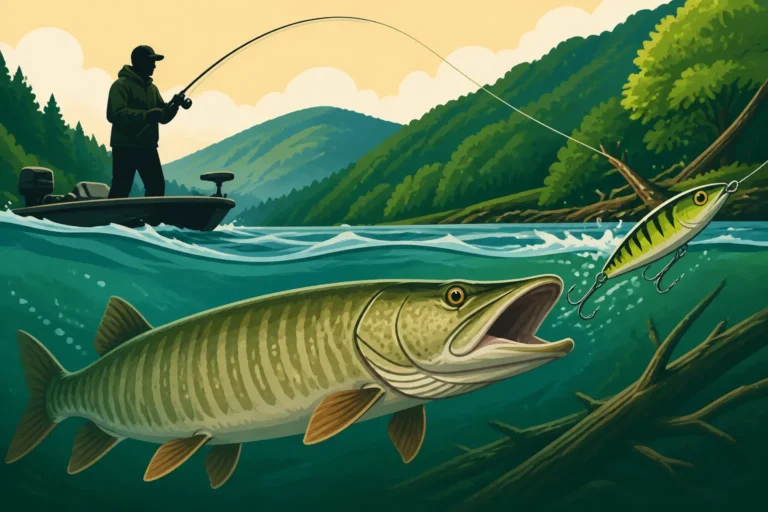
This turnover event also triggers a significant baitfish migration. Instead of being spread out, they start to "school up" into tighter, more defined aggregations. This is a survival mechanism, as there's safety in numbers, but it also makes them a highly attractive target for larger predatory fish like bass, walleye, and muskie. Predators understand that these schools represent concentrated calories, an essential resource for bulking up before the lean winter months. Your mission, should you choose to accept it, is to find these moving buffets.
The "Feast or Famine" Nature of Fall Fishing
Anyone who's spent time on West Virginia waters in the fall knows this feeling: one day you're catching fish left and right, and the next, it's a ghost town. This feast-or-famine scenario is almost entirely due to the presence, or absence, of baitfish schools. When you stumble upon a school, especially one being actively herded by predators, the fishing can be absolutely incredible. The fish are aggressive, competing for food, and often less wary than in other seasons. It's a true angler's dream, with multiple hookups and explosive strikes.
However, if you're fishing in an area devoid of baitfish, you might as well be casting into a bathtub. The larger game fish are laser-focused on these schools, and they won't waste energy chasing down a single lure if a massive meal is available elsewhere. This is where the frustration comes in. You might be fishing excellent structure or cover, places that held fish all summer, but if the baitfish have moved on, so have the predators. Your goal, therefore, shifts from "finding fish" to "finding baitfish," knowing that where the food is, the predators will follow. This pursuit of baitfish isn't just a strategy; it's practically a necessity for consistent fall success. Best Time of Year to Fish in West Virginia
Essential Gear for Locating Baitfish Schools
While your eyes and intuition are valuable, modern technology and smart gear choices can dramatically increase your efficiency in finding baitfish schools. Think of these tools as extensions of your senses, helping you see and interpret what's happening both above and below the surface.
Sonar and Fish Finders: Your Underwater Eyes
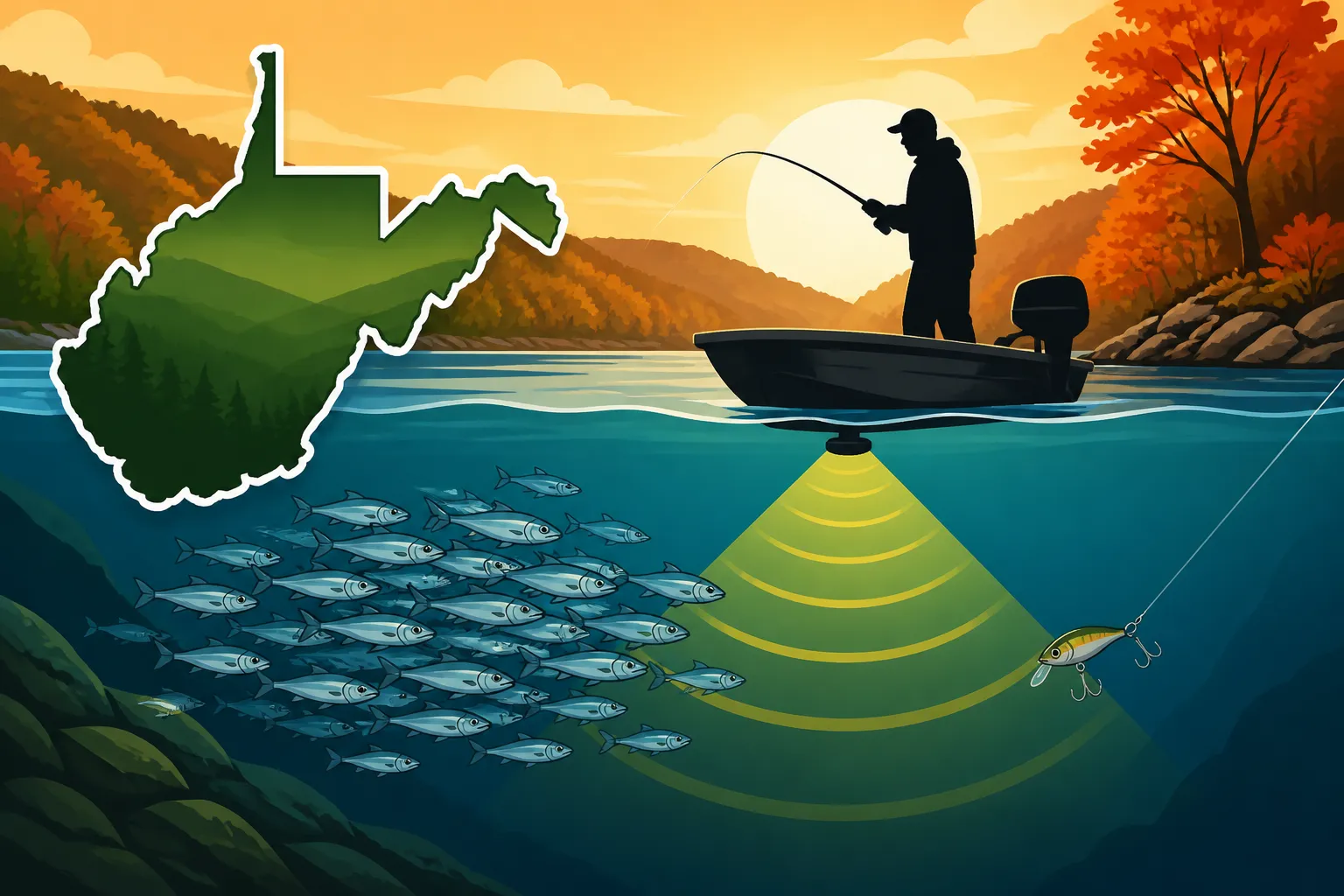
In today's fishing world, a quality sonar unit is arguably the most critical piece of equipment for locating fall baitfish schools, especially on larger lakes and reservoirs. These devices are your eyes beneath the surface, painting a picture of the underwater world in real-time. You're not just looking for individual fish; you're looking for clouds of tiny baitfish, often referred to as "bait balls."
Interpreting your sonar screen takes practice, but the signs of baitfish are usually unmistakable. On traditional 2D sonar, they appear as dense clouds or clumps of small dashes, sometimes even solid-looking masses. When predatory fish are actively feeding on them, you'll often see larger, distinct arches (representing the game fish) right on the edges or even cutting through these bait balls. Down Imaging and Side Imaging technologies, available on many popular models, offer an even clearer, photo-like view, allowing you to discern individual baitfish and even identify the species in some cases. You can often find excellent deals on advanced fish finders through retailers like Amazon, offering a range of options for every budget and boat size. Learning to read your unit's display for thermoclines (if present in deeper lakes) can also clue you into the preferred depth ranges where baitfish might be holding after turnover. Best Fish Finders for West Virginia Lakes
Binoculars and Spotting Scopes: Eyes on the Surface
While sonar helps you see below, don't underestimate the power of keen observation above the water. A good pair of binoculars or a spotting scope can be incredibly effective for finding surface activity related to baitfish schools, especially on expansive lakes or long stretches of river. Predatory fish pushing bait to the surface, or birds diving into them, are tell-tale signs.
Imagine scanning the vast expanse of Summersville Lake or the Ohio River. Through binoculars, you might spot gulls circling and diving, herons wading intently in a specific shallow cove, or even subtle ripples and disturbances on the water's surface that indicate baitfish are being herded or are nervously skipping across the top. These aren't just random occurrences; they are direct indicators of concentrated baitfish activity. By positioning yourself on a higher bank, a bluff, or even from a vantage point in a boat, you can significantly increase your visible range and spot these crucial clues from a distance, allowing you to move quickly to the action before it dissipates.
The Right Boat or Kayak for Mobility
Finding fall baitfish schools often means covering a lot of water. Unlike summer patterns where fish might hold consistently on a single piece of structure for days, fall baitfish can be highly nomadic, moving with conditions, currents, and predator pressure. This makes mobility a non-negotiable factor in your search.
Whether you prefer a powerful bass boat, a versatile jon boat for smaller rivers, or a nimble fishing kayak, your vessel needs to allow you to efficiently move from one potential area to another. Best Kayak for Lake Fishing in West Virginia For instance, if you spot bird activity across a large cove, you need to be able to get there quickly. If your sonar shows a bait ball moving along a creek channel, you need to be able to follow it. Even on smaller streams, a canoe or a sturdy wading approach allows you to explore different pools and riffles where baitfish might congregate. Investing in a reliable motor (or strong paddling skills for kayakers) and understanding your craft's capabilities in different water conditions will be a huge asset in effectively hunting down these mobile food sources.
Tried-and-True Techniques for Fall Baitfish Detection
Beyond the gear, there are several practical, hands-on techniques you can employ to actively find baitfish schools. These methods combine observation, knowledge of fish behavior, and a willingness to explore.
Observing Natural Indicators: Birds and Other Wildlife
Nature itself provides some of the most reliable indicators of baitfish presence. Birds, especially gulls, terns, and even some ducks, are opportunistic feeders. When they're actively diving or congregating in a specific area, it's often because they're feeding on baitfish pushed to the surface by larger predators below. It's a classic example of an "indirect bite" – the birds are telling you exactly where the party is happening.
Beyond birds, keep an eye out for other subtle signs. Look for surface commotion: small, nervous ripples where there's no wind, quick splashes as baitfish jump to escape, or even "boils" where game fish are actively ambushing schools from below. These visual cues are invaluable, particularly during low-light conditions like dawn and dusk when baitfish are often most active near the surface. Pay attention to how the baitfish are behaving – if they seem frantic or are constantly scattering, it's a strong sign that something bigger is in hot pursuit.
Focusing on Key Structures and Depth Changes
Just like predatory fish, baitfish relate to structure. However, their reasons are slightly different: they're looking for cover, warmer water, or concentrated food sources like plankton. In the fall, certain types of structures become baitfish magnets. Look for long main lake points that extend into deeper water, sharp breaks where shallow flats meet deep channels, and submerged humps or islands. These areas offer baitfish a quick escape to deeper water while still allowing them access to shallower feeding grounds.
Creek channels, especially those winding through a reservoir, act as highways for baitfish. They'll use these channels to move from deeper holding areas to shallower feeding flats. Identifying where these channels neck down or intersect with other structures can be a prime spot for intercepting migrating schools. On rivers, look for slower eddies, current seams, log jams, and the mouths of tributaries. These spots offer respite from strong currents and often concentrate food, making them attractive to baitfish. Even subtle depth changes, like a 2-foot rise on a flat, can be enough to hold a school of baitfish seeking refuge or feeding opportunities. Knowing your West Virginia lake or river's underwater topography is key here. Best bank fishing spots at Summersville Lake
The "Trial and Error" Approach: Covering Water and Test Casting
Sometimes, despite all the technological advantages and observational skills, you just have to get out there and actively search. This means covering a lot of water and using specific lures for "test casting" to elicit a reaction. Think of it as feeling out the water, one cast at a time.
Employ fast-moving search baits like lipless crankbaits, spinnerbaits, or even swimbaits. These lures allow you to quickly cover different depths and segments of the water column. The goal isn't necessarily to catch a fish on every cast, but to get a "tell." A follow, a short strike, or even just bumping into a hidden piece of cover can indicate that baitfish (and therefore predators) might be nearby. If you get a bite or see baitfish flash, slow down, analyze the depth and cover, and switch to more finesse presentations. Don't be afraid to experiment with retrieve speeds and casting angles. Remember, the fall season is dynamic, so what worked yesterday might not work today. Be persistent, adaptive, and always paying attention to every subtle clue your lure provides. Best Tackle for West Virginia Smallmouth Bass
Specific West Virginia Scenarios and Considerations
West Virginia offers a diverse range of fishing environments, from vast reservoirs to winding mountain rivers. Understanding how baitfish behave in these different settings will refine your search techniques and significantly improve your fall fishing success.
Lake and Reservoir Strategies
Our larger West Virginia lakes and reservoirs, like Summersville Lake, Tygart Lake, or Stonewall Jackson Lake, present unique challenges and opportunities for finding fall baitfish. In early fall, as waters begin to cool but before the full turnover, baitfish might still be holding in slightly deeper water, often suspending over main lake humps, points, or the bends of old river channels. They're drawn to these areas because they still offer some temperature stability and access to deep water escapes.
As the water continues to cool and turnover completes, baitfish often become more comfortable moving into shallower areas, especially if these areas still hold green vegetation or rocky cover. Look for them on flats adjacent to deep water, in the back of large coves, or congregating around docks and bridges. The key here is mobility and observation. Use your sonar to scan vast areas, looking for those tell-tale bait balls. If you see them, note the depth and the type of structure they're relating to, then focus your fishing efforts there. Summersville Lake Fishing Guide Remember, the fish aren't usually far from their food, so finding the baitfish is essentially finding the bite.
River and Stream Tactics
West Virginia's rivers and streams, such as the legendary New River or the productive Kanawha River, offer a different set of challenges compared to stillwater lakes. Here, current plays a much more significant role in baitfish behavior. In the fall, baitfish in rivers tend to gravitate towards areas where they can find a break from the main current, conserve energy, and still access food.
Look for them in larger, slower pools, especially those with deeper sections or abundant cover like submerged logs, rock piles, or undercut banks. The mouths of tributaries are also prime locations, as they can bring in slightly warmer water or new food sources, concentrating baitfish. Eddy lines, where the current swirls and creates slack water, are absolute magnets for baitfish. They'll hold in these areas, feeding on whatever drifts by, making them easy targets for opportunistic predators. Kanawha River Fishing Spots Don't overlook the calm water pockets behind large boulders or bridge pilings. For species like smallmouth bass, which are often found in rivers, finding these baitfish concentrations is paramount to a successful day. It's not about randomly casting; it's about systematically dissecting the river based on current breaks and likely holding areas. How to pattern bass on an unfamiliar West Virginia lake
Timing Your Search: Dawn, Dusk, and Weather
Beyond location, when you search for baitfish schools can make all the difference. In fall, low-light periods like dawn and dusk are often the most productive times to find baitfish actively feeding near the surface, or being pushed to the surface by predators. The reduced light offers them a bit of camouflage, and predators often use this to their advantage for ambushes.
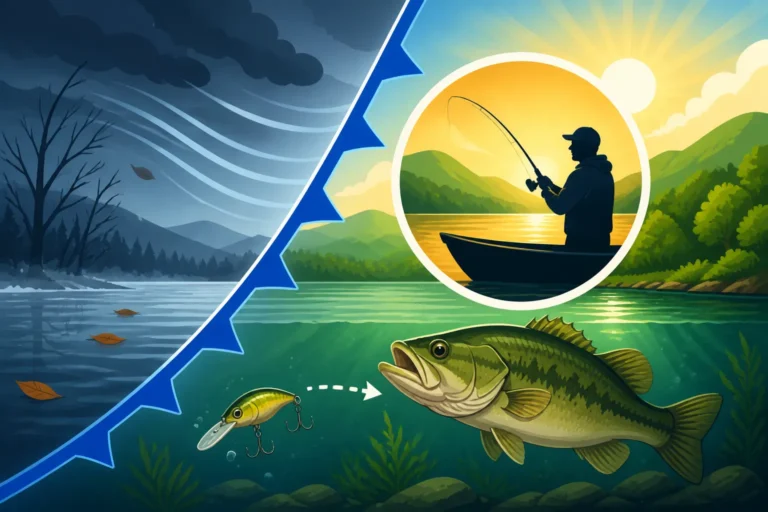
Weather conditions also play a crucial role. A stable period of mild, cloudy weather can lead to more consistent baitfish activity. However, approaching cold fronts can send baitfish deeper and make them more sluggish, prompting predators to feed aggressively before the front hits. Fishing after a heavy rain on West Virginia rivers Conversely, a bright, sunny day after a cold front might push baitfish (and consequently, game fish) into deeper, darker water or tight to cover. Always check the forecast and observe the conditions carefully. On days with fluctuating weather, baitfish may be more scattered, making your sonar and observation skills even more vital for pinpointing their temporary locations. Adjusting your search based on the time of day and prevailing weather patterns will give you a significant edge. Best time of year for trophy trout in West Virginia
Disclaimer
This article is for general informational purposes only and does not constitute professional advice. Laws, prices and regulations vary by location and change over time. Consult a qualified professional for guidance on your specific situation.