Best technique for fall crankbait fishing
As the crisp air of autumn sweeps through the mountains, many West Virginia anglers find themselves facing a real dilemma: where did all the fish go? The consistent patterns of summer seem to vanish, leaving us scratching our heads. But don't despair! This guide is all about helping you unlock the incredible potential of fall crankbait fishing, teaching you how to adapt your approach to the changing seasons and consistently put fish in the boat or on the bank.
Understanding Fall Fish Behavior and Crankbait Appeal
Fall fishing in West Virginia can be some of the most rewarding, but it definitely requires a shift in strategy. The fish aren't gone; they're just on the move, and understanding why they move is key to finding them. It's a tricky time, because one day they're shallow, the next they've vanished into thin air, leaving you wondering if you've lost your touch. This section will help you decode those autumnal shifts.
The Autumnal Shift: Why Fish Move
As summer wanes and those first cool fronts roll through, triggering shorter days and dropping water temperatures, a fundamental change happens in the underwater world. The abundant lush vegetation that provided cover and food for baitfish all summer long starts to die back. This loss of cover forces baitfish, like shad and bluegill, to congregate and move into more open water or along the edges of remaining cover. This mass migration of forage is like ringing the dinner bell for predator fish.
Species like smallmouth bass, largemouth bass, and walleye know winter is coming, and they need to pack on calories. They enter what anglers affectionately call the "feeding frenzy" – a period of aggressive feeding to build up fat reserves before the lean, cold months. This means they are often actively chasing schools of baitfish, making them prime targets for a well-presented crankbait. Knowing this behavior helps us predict where they might be staging their ambushes. If you've been frustrated by slow summer bites, fall can be a fantastic opportunity to really get into some serious action, especially for species like the feisty smallmouth you can target in rivers like the New River, or the elusive walleye. You'll find these fish often group up, so once you find one, you're likely to find more.
Why Crankbaits Shine in Fall
Crankbaits are absolutely tailor-made for these fall conditions, and here's why. They are designed to imitate fleeing baitfish, which is exactly what predator fish are keying in on during their pre-winter feast. The erratic wobble and dive of a crankbait mimic a struggling or injured baitfish, making it an irresistible target. Whether you're fishing a deep reservoir like Summersville Lake or a river like the South Branch of the Potomac, crankbaits allow you to efficiently cover a lot of water. This is crucial when fish are spread out and actively searching for food.
There's a whole family of crankbaits, each with its own niche in the fall arsenal. Deep-diving crankbaits can reach those fish that have started to stage in deeper channel swings or humps, while shallower-running squarebills are perfect for bumping off rocks and stumps in still-productive shallow areas. Lipless crankbaits, with their vibrating action, are fantastic for ripping through dying grass beds or schooling baitfish. The beauty of a crankbait is its ability to trigger a reaction strike, even from a fish that isn't actively feeding. Sometimes, the sudden flash and vibration are enough to make a hesitant fish lash out, and that's precisely what we're looking for when trying to maximize our bites during the changing seasons. When fish are chasing, you want a lure that matches their aggression, and a crankbait fits the bill perfectly. This is often when you can land some of the biggest fish of the year.
Matching Crankbaits to West Virginia Fall Conditions
Just like the leaves change color across West Virginia's stunning landscape, the water conditions and fish preferences can change dramatically from early fall to late fall. Selecting the right crankbait isn't just about throwing a lure out there; it's about making an educated guess based on what the water is telling you. This means paying attention to subtle cues and having a variety of options ready in your tackle box.
Water Temperature and Depth Considerations
Water temperature is arguably the most critical factor in fall fishing. In early fall, when water temperatures might still be in the 60s, fish could still be relating to summer patterns, perhaps holding around dying weed lines or shallow cover. As the water dips into the 50s and even 40s, the thermocline (if one was present) breaks down, allowing fish to move freely through the water column. Often, they'll follow baitfish into deeper pockets, channel swings, and main lake humps.
For these deeper fish, you'll want to employ deep-diving crankbaits that can reach depths of 10-20 feet or more. Consider models with a large bill that gets them down quickly. However, don't completely abandon shallower presentations! Some fish, especially on sunny days or during short warm spells, will still push up shallow to feed, particularly on points or along rip-rap that retains some heat. This is where a medium-diving crankbait or even a squarebill can still shine. A good water thermometer is truly your best friend this time of year, letting you know where the optimal feeding zones might be. Remember, cooler water tends to make fish a bit more lethargic, so your retrieve might need to slow down accordingly, transitioning from a blazing summer speed to a more deliberate pace that gives them time to react. If you're out on any of the Best Fishing Lakes in West Virginia, paying attention to water temp will make all the difference.
Color and Action: Reading the Water
Choosing the right color and action for your fall crankbait is all about "matching the hatch," so to speak, but also accounting for water clarity. In the clear mountain streams and lakes, natural baitfish patterns—think shad, emerald shiner, or patterns that mimic crayfish common in many West Virginia waters—are usually the most effective. Colors like silver, chrome, or subtle greens and browns will blend in beautifully and appear most realistic. If you're fishing the Best Fishing Rivers in West Virginia with clear water, stealth is often key.
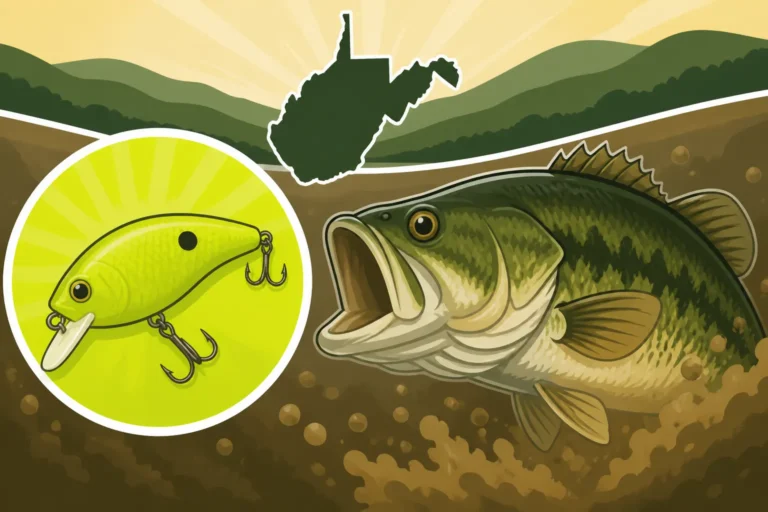
However, when you encounter stained or muddy water, especially after a fall rain, you'll want to switch to brighter, more contrasting colors. Chartreuse, fire tiger, or bright orange can create a visual target that fish can't miss in low visibility. The idea here isn't to perfectly imitate, but to stand out and provoke a reaction. As for action, a wide, slow wobble might be better in very cold water, while a tighter, faster wiggle can be effective when fish are more aggressive. Don't be afraid to experiment! I always have a few different options from reputable brands like Rapala, Strike King, or Berkley on hand. You can find a huge selection of crankbaits on online retailers like Amazon, making it easy to stock up on various colors and diving depths for any scenario you might encounter on the water.
Let's look at a quick comparison of crankbait types for fall:
| Crankbait Type | Ideal Depth Range (Fall) | Best Action | Key Fall Conditions | Target Species |
|---|---|---|---|---|
| Squarebill | 2-6 feet | Wide, erratic wobble | Shallow cover, rocks, dying grass, warmer early fall | Largemouth, Smallmouth Bass |
| Medium Diver | 6-12 feet | Medium wobble | Transitional areas, points, moderate depths, active fish | Largemouth, Smallmouth Bass, Walleye |
| Deep Diver | 12-25+ feet | Tight wobble | Deep humps, channel edges, main lake points, cooler water | Walleye, Largemouth, Smallmouth Bass, Hybrid Striper |
| Lipless Crankbait | Any (retrieve dependent) | High vibration | Ripping through dying grass, open water schooling baitfish | Largemouth, Smallmouth Bass, Walleye, Perch |
Mastering the Fall Crankbait Retrieve
Anyone can cast a crankbait, but truly mastering it in the fall means understanding how to impart the right action and present it in a way that triggers strikes. It's not just about reeling; it's about dancing the lure through the water, making it irresistible to hungry predators. The retrieve is where you bring the bait to life and tell the fish a story they can't ignore.
Varying Your Presentation
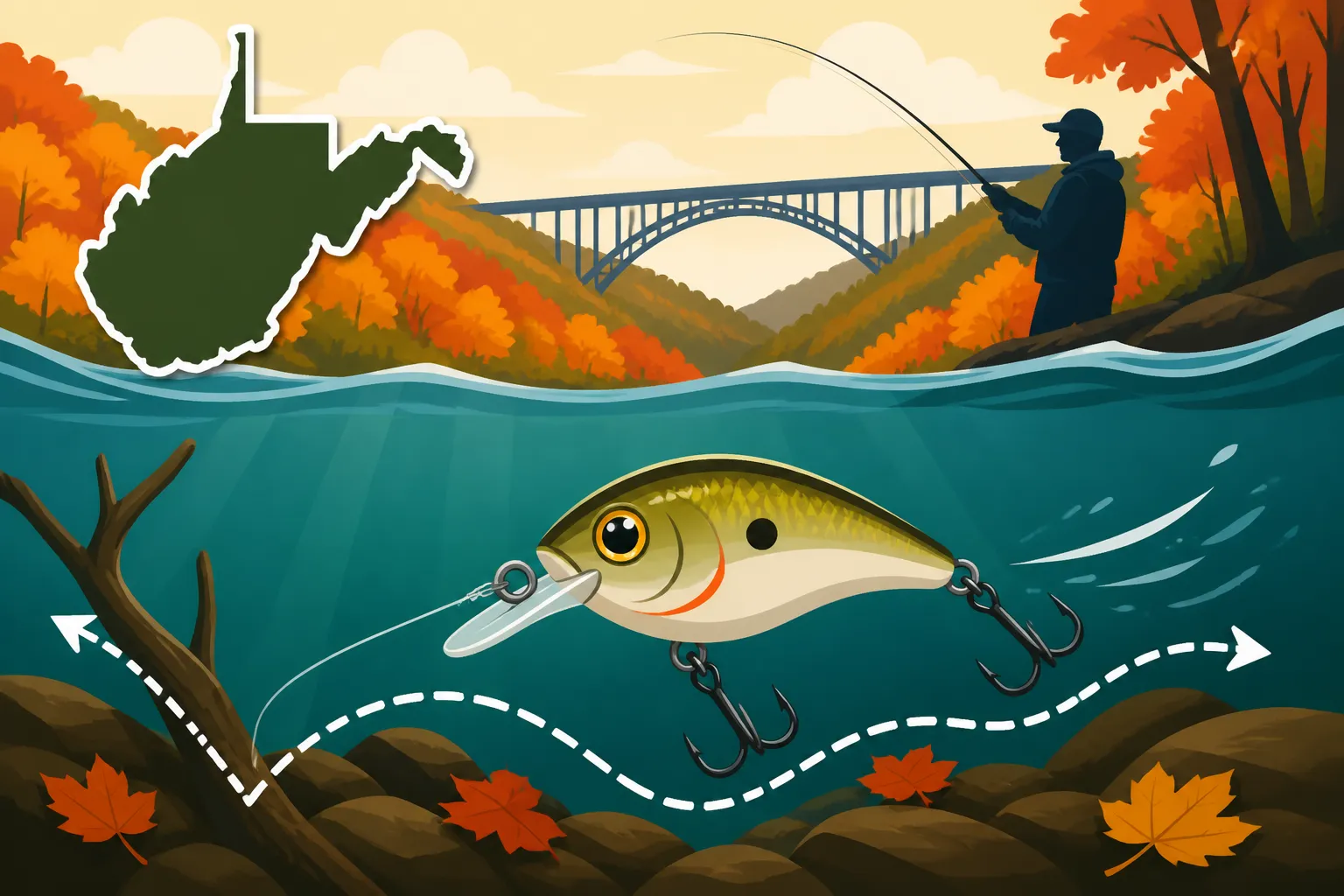
The biggest mistake anglers make with crankbaits is reeling at a consistent speed. In the fall, especially as water temperatures drop, fish can be particular. One day they might want a steady, grinding retrieve, and the next they'll only bite on a stop-and-go. This is why varying your presentation is paramount. A classic technique is the "crank and pause," where you reel the bait down to its maximum depth, then pause for a second or two, letting it float or slowly rise. Many strikes happen on that pause, as the bait looks like an injured fish trying to escape.
Another effective method, particularly with squarebills in shallower, rocky areas, is to "deflect" the crankbait off cover. Reel it down to hit a submerged stump, rock, or log, and then immediately pause or twitch your rod. That sudden change in direction, mimicking a baitfish darting away from danger, often elicits a violent reaction strike. Don't be afraid to experiment with ripping lipless crankbaits through dying vegetation, or even a slow, methodical grind with a deep diver along a channel edge. The key is to pay attention to when and how the fish bite and try to replicate that action. On some days, a simple, consistent retrieve is all it takes, but on others, those subtle changes in speed and direction are what put fish in the boat.
Key Fall Locations for Crankbait Success
Finding fish in the fall is often about finding the baitfish, and then finding the structure where predator fish are ambushing them. On West Virginia's lakes and reservoirs like Summersville Lake or Stonewall Jackson Lake, look for main lake points and humps. These act as highways and feeding stations for baitfish moving towards deeper water, and bass and walleye will often stage on the sides of these structures. Long tapering points that extend into deeper water are especially productive, offering fish a clear path to move up and down in the water column as conditions change.
In our beautiful rivers, such as the New River Gorge, focus on current seams, eddy lines, and the deeper pools below riffles or rapids. Smallmouth bass will stack up in these areas, waiting for baitfish to be washed to them. Rip-rap banks, often found along bridges or causeways, are also prime fall targets. These rocky areas absorb heat and attract baitfish, and larger bass will cruise these edges. Dying weed lines are another hotspot. As the deeper grass dies, fish will move to the remaining green patches or along the defined edges, making them easy targets for lipless crankbaits or medium divers. If you're looking for Best Bass Fishing Spots in West Virginia, these types of locations should be your starting point. Places like the Summersville Lake Fishing Guide and the New River Gorge Fishing Guide will provide even more specific insights into these prime locations.
Essential Gear for Fall Crankbaiting
Having the right crankbait is only half the battle; having the right gear to throw it effectively is just as important. The rods, reels, and line you choose can dramatically impact your casting distance, your feel for the bait, and your ability to land those aggressive fall fish. Don't let your equipment be the weak link in your fall crankbait game.
Rods, Reels, and Line Choices
For crankbait fishing, you want a rod that has some "give" to it. Forget those stiff, fast-action rods you might use for jigging or Texas rigging. A medium to medium-heavy power rod with a moderate or moderate-fast action is ideal. This softer tip allows the fish to engulf the bait without immediately feeling resistance, which is critical for good hookups with treble hooks. It also acts as a shock absorber, preventing you from tearing the hooks out of a fish's mouth during a hard fight. Consider a longer rod, around 7 to 7.5 feet, which will aid in longer casts and better line control, especially useful on bigger water bodies. Brands like St. Croix or Fenwick offer excellent crankbait-specific rods. If you're looking to upgrade, you can find a great selection of Best Fishing Rods for West Virginia Rivers suitable for crankbaiting on Amazon.
When it comes to reels, a baitcasting reel with a gear ratio in the 5.0:1 to 6.4:1 range is generally preferred for deeper diving crankbaits. The slower retrieve ratio gives you more torque to pull those big-billed baits through the water, making it less fatiguing. For shallower running baits or covering water quickly, a slightly faster retrieve ratio (7.1:1) might be advantageous. For line, fluorocarbon is often the top choice because of its low stretch and excellent sensitivity, allowing you to feel every subtle bump and grind against cover. It also sinks, which can help deep-diving baits reach their maximum depth. However, some anglers prefer monofilament for its stretch, which can prevent hooks from pulling out, especially with fish prone to violent headshakes. A 10-15 pound test is a good all-around choice.
Terminal Tackle and Accessories
Beyond your main rod, reel, and line, a few crucial pieces of terminal tackle and accessories will make your fall crankbaiting experience smoother and more successful. First and foremost, check your treble hooks! Crankbaits come with hooks, but often upgrading them to sharper, stronger trebles from brands like Gamakatsu or Owner can drastically improve your hookup ratio and prevent lost fish. Dull hooks are a fall angler's worst enemy. You'll also want a good pair of split ring pliers, as you'll be swapping out hooks or rings more often than you think.
A quality landing net is also essential, especially if you're targeting bigger bass, walleye, or even the occasional muskie that might decide to munch on your crankbait while you're focused on bass. These toothy critters demand a durable net to ensure a safe landing and release. Lastly, consider a small tackle bag or box specifically for your fall crankbaits, keeping them organized by depth and color so you can quickly make changes on the water. For muskie specifically, a dedicated setup from the Muskie Fishing in West Virginia guide would be ideal. Many of these essential accessories, from quality hooks to pliers and nets, are readily available on Amazon, making it easy to stock up and be prepared for any fishing scenario. This attention to detail with your gear will help you capitalize on the aggressive fall bite and make sure you're ready for whatever West Virginia's waters throw at you.
Disclaimer
This article is for general informational purposes only and does not constitute professional advice. Laws, prices and regulations vary by location and change over time. Consult a qualified professional for guidance on your specific situation.