Summersville Lake Bass Fishing
For many anglers, the thought of tackling a large, clear reservoir for bass can feel overwhelming. Summersville Lake, with its sprawling waters and intricate underwater landscape, presents a unique challenge, often leaving even seasoned pros scratching their heads about where to find those elusive bronzebacks and green fish. This guide aims to demystify bass fishing on Summersville Lake, providing you with the knowledge and strategies to confidently target both largemouth and smallmouth bass, no matter the season or conditions.
Understanding Summersville Lake's Unique Bass Fishery
Summersville Lake, often dubbed the "Little Caribbean of the East" due to its stunningly clear, turquoise waters, is West Virginia's largest lake. While its beauty is undeniable, its unique characteristics — deep, clear water, fluctuating levels, and extensive rock structures — make for a distinct bass fishing experience compared to shallower, stained reservoirs. Understanding these nuances is crucial for success.
Largemouth vs. Smallmouth Bass in Summersville
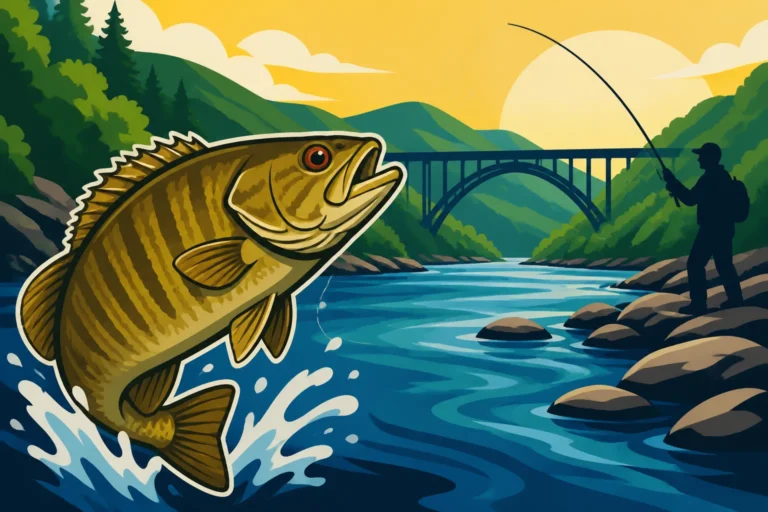
Summersville Lake hosts both largemouth and smallmouth bass, each with their preferred habitats and behaviors. The lake's clear water and rocky terrain naturally favor smallmouth, making them a primary target for many anglers. These powerful fighters are often found roaming the deeper, open waters, congregating around points, humps, and steep drop-offs. They thrive in the cooler, oxygen-rich depths, especially during the warmer months, making them a consistent challenge. Targeting them effectively often means thinking about how to present lures naturally in highly visible water.
On the other hand, largemouth bass tend to stick closer to cover. While Summersville might not have the dense weed beds or cypress trees common in other largemouth fisheries, these green fish adapt by utilizing whatever cover is available. This includes submerged timber, rocky shorelines with brush, the occasional shallow coves, and the transition areas where rock meets sparse vegetation. They are often more aggressive and ambush-oriented, making them a thrill to catch when you find their hideouts. Understanding these distinct preferences is the first step to tailoring your approach, whether you're after the robust fighting of a smallmouth or the explosive strike of a largemouth.
Forage Base and Its Impact on Bass Behavior
The diet of bass in Summersville Lake heavily influences their location and feeding patterns. The primary forage includes various baitfish like alewives, shad (though less prevalent than in some other lakes), and sunfish. Alewives, being open-water baitfish, often draw smallmouth bass out to deeper humps and suspended schools, especially when the water is cold. Smallmouth will aggressively chase these schools, making reaction baits like crankbaits and jerkbaits highly effective.
Additionally, crayfish are a significant food source for both species, particularly smallmouth, which spend a lot of time rooting around rocky bottoms. This explains why soft plastics rigged to imitate crayfish, such as jigs and creature baits, are so productive. Knowing what the bass are currently feeding on can help you select the right lures and presentations. For instance, if you see smallmouth busting bait on the surface, mimicking shad or alewives with topwater lures or small swimbaits is a wise move. Conversely, if the bite is slow and you suspect bass are hugging the bottom, a slow-crawled jig imitating a crayfish is often irresistible.
Prime Seasons for Summersville Lake Bass
Just like anywhere else, bass behavior on Summersville Lake is largely dictated by the changing seasons and, more specifically, by water temperature. Each season presents unique challenges and opportunities, requiring different strategies to effectively locate and catch bass. Being prepared for these seasonal shifts can significantly improve your success rate on the water.
Spring: Pre-spawn and Spawn Strategies
Spring is arguably one of the most exciting times to target bass on Summersville Lake. As water temperatures climb into the 50s and low 60s, bass begin to move from their deeper winter haunts into shallower staging areas in preparation for spawning. During the pre-spawn phase, bass are incredibly active and focused on feeding, trying to pack on calories before the energy-intensive spawning ritual. This is an excellent time for throwing larger crankbaits, spinnerbaits, and jerkbaits around points, secondary coves, and rocky banks where they can intercept schooling baitfish. Look for areas with a slightly warmer water temperature, as these will draw bass in.
Once the water hits the mid-60s, the spawn begins. Largemouth bass will typically seek out shallower, sheltered coves with some sort of hard bottom or submerged structure to build their nests. Smallmouth, while also spawning in shallower water, often prefer harder, rocky bottoms on points or along bluff walls, sometimes slightly deeper than their largemouth cousins. During the spawn, sight fishing can be effective if the water clarity allows, but it's crucial to practice ethical angling by minimizing disturbance and quickly releasing bedding fish. Post-spawn, bass are often lethargic but will eventually transition to recovering and feeding, moving to nearby cover or slightly deeper breaks.
Summer: Deep Water and Topwater Action
Summer on Summersville Lake brings warm surface temperatures and incredible clarity. This usually pushes both largemouth and smallmouth bass into deeper, cooler water. Smallmouth will often suspend over deep water, especially around offshore humps, ledges, and deep points, following schools of alewives. Vertical jigging spoons, drop-shot rigs, and deep-diving crankbaits become highly effective for reaching these fish. When you find a school, you can often catch multiple fish from the same area. A good fish finder is invaluable here for locating baitfish and the bass lurking beneath them.
However, don't overlook the shallower bite entirely. Early mornings and late evenings can still produce exciting topwater action for both species, especially in areas with shade or submerged timber. As the sun climbs, you might find largemouth tucked tightly under docks or heavy cover along the shore. Flipping jigs or Texas-rigged worms into these tight spots can entice a bite. For a comprehensive look at warm weather tactics, check out the Best Time to Fish Summersville Lake in Summer guide.
Fall: Feeding Frenzies and Migration
Fall is another fantastic time for bass fishing on Summersville Lake. As water temperatures begin to cool, bass become incredibly active, instinctively feeding heavily in preparation for winter. This is often referred to as the "fall feeding frenzy." Both largemouth and smallmouth will aggressively chase baitfish, pushing them into shallower coves and onto main lake points. You'll often see schools of baitfish, sometimes being actively pursued by bass, near the surface.
Reaction baits truly shine in the fall. Spinnerbaits, chatterbaits, lipless crankbaits, and swimbaits retrieved quickly can trigger explosive strikes. Smallmouth will be found chasing bait along rocky points and humps, while largemouth might be more focused on brush piles, laydowns, or rock transitions in shallower areas. As the season progresses and water temperatures drop further, bass will start their migration back towards deeper wintering grounds, often pausing on prominent structure along the way.
Winter: Cold Water Tactics
Winter fishing on Summersville Lake can be challenging, but it offers the chance for some truly large bass for the persistent angler. As water temperatures drop into the low 40s and even 30s, bass become sluggish and their metabolism slows dramatically. They typically retreat to the deepest, most stable water they can find, often congregating in large schools around deep channels, steep bluff walls, and major creek arm junctions.
The key to winter success is a slow, methodical approach. Finesse techniques dominate, such as jigging spoons, blade baits, and slow-rolled shaky head or drop-shot rigs. You'll need to present your lure directly to the fish, often watching your electronics closely to see if they respond. The bite will be subtle, often feeling like just a bit of added weight or a gentle tap. While the action might not be fast and furious, the rewards can be substantial, with many trophy-sized bass caught during the coldest months.
Top Techniques for Summersville Lake Bass
Successfully targeting bass on Summersville Lake requires a versatile approach, adapting your techniques to the conditions, the specific species you're after, and the time of year. Given the lake's clear water and rocky structure, certain presentations consistently outperform others.
Crankbait and Spinnerbait Tactics
Crankbaits are absolutely essential for covering water and locating active bass, especially smallmouth, on Summersville Lake. Deep-diving crankbaits are particularly effective in summer and fall when bass are holding on deep points, ledges, and submerged humps. Fan-casting these lures and varying your retrieve speed can help you pinpoint where the fish are holding. The key is to make contact with the bottom or structure; the deflections often trigger strikes. For more insights on choosing the right plugs, explore our guide on the Best Crankbaits for West Virginia Smallmouth Bass.
Spinnerbaits and chatterbaits also have their place, especially during pre-spawn and fall when bass are shallower and aggressively feeding. They're excellent for fishing around submerged timber, rocky banks, and points where bass might be ambushing baitfish. In Summersville's clear water, choosing more natural colors or blades with a subtle flash can be more effective than overly bright patterns. The vibration and flash of these lures can call fish in from a distance, making them great search baits.
Jigging and Soft Plastic Presentations
When bass are lethargic, holding tight to cover, or schooling deep, jigs and soft plastics often become the most productive tools. For smallmouth in deeper water, a drop-shot rig is hard to beat. This finesse presentation allows you to present a small plastic worm or creature bait suspended above a weight, keeping it in the strike zone longer. This is particularly deadly when fish are suspended over deep structure, or when they're not actively chasing moving baits.
For both largemouth and smallmouth relating to rock piles, submerged timber, or bluff walls, Texas-rigged worms, creature baits, or jigs tipped with a craw-style trailer are highly effective. You can slowly crawl these baits along the bottom, pitch them into cover, or yo-yo them along ledges. The subtle action and natural profile can entice bites from even the most finicky bass. During the colder months, a hair jig or a football jig slowly dragged along the bottom can also produce impressive results from deep-holding fish.
Topwater and Jerkbait Aggression
There's nothing quite like a bass blowing up on a topwater lure, and Summersville Lake offers fantastic opportunities for this exhilarating bite. Early mornings and late evenings, or cloudy days, are prime times for throwing walking baits, poppers, or prop baits near rocky shorelines, main lake points, and areas with submerged timber. Smallmouth will often crash a topwater lure with incredible force, while largemouth tend to create a more violent splash.
Jerkbaits are another potent weapon, especially in spring and fall when bass are actively feeding but can be a bit wary due to the clear water. The erratic, stop-and-go action of a jerkbait perfectly mimics a dying baitfish, making it irresistible to both species. Suspending jerkbaits are particularly effective, allowing you to pause the lure right in the strike zone for extended periods. Vary your retrieve, incorporating long pauses, short twitches, and quick snaps, until you find what the fish are reacting to.
Key Locations and Structure for Bass at Summersville
Summersville Lake is a massive body of water, and knowing where to start looking for bass can feel like finding a needle in a haystack. However, by understanding the typical haunts and preferred structures of both largemouth and smallmouth, you can narrow down your search and increase your chances of success.
Rocky Banks and Bluff Walls
Given its mountainous terrain, Summersville Lake is characterized by abundant rocky banks and dramatic bluff walls. These features are bass magnets, especially for smallmouth. The steep drop-offs provide easy access to deep water, while the rocks themselves offer cover and a prime habitat for crayfish. Smallmouth will cruise these bluff walls, particularly where the angle changes, or where a slight ledge or crevice offers an ambush point.
Casting jigs, drop-shot rigs, or even small swimbaits parallel to these walls can be incredibly effective. Look for areas where the sun hits the rock at different times of day, warming the water slightly, or where there's a current break. Main lake points that transition into bluff walls are also prime real estate. Largemouth might be found closer to shore along these rocky banks, particularly if there's some additional brush or submerged timber mixed in.
Submerged Timber and Creek Channels
Before Summersville Lake was impounded, the area was heavily forested, leaving behind a significant amount of standing timber in certain sections. This submerged timber, along with old creek channels and riverbeds, provides crucial cover and structure for both bass species, particularly largemouth. These areas act as underwater highways and ambush points, especially when bass move between shallow feeding areas and deeper refuge.
A quality fish finder with side imaging can be instrumental in locating these hidden forests beneath the surface. Once found, pitching or flipping jigs and Texas-rigged soft plastics into the heart of the timber can be highly effective for largemouth. For smallmouth, they might hold on the edges of these timber fields, or patrol the contours of old creek channels. Understanding how to read your electronics to find these submerged havens is a game-changer.
Docks, Marinas, and Riprap
While Summersville Lake isn't heavily dotted with private docks like some other reservoirs, the existing marinas and any public docks provide invaluable cover and shade, especially during bright, sunny days in summer. Largemouth bass are notorious for holding under these structures, seeking shelter from the sun and waiting to ambush unsuspecting baitfish. Flipping jigs, pitching wacky-rigged worms, or skipping soft plastics under these docks can yield some impressive catches.
Riprap, which refers to the loose rock used to armor shorelines, bridge pilings, or dam structures, is another key bass habitat. This type of rock provides excellent cover and also harbors crayfish and other forage. Both largemouth and smallmouth will relate to riprap, especially during pre-spawn and fall. Casting crankbaits or spinnerbaits parallel to riprap, or slowly dragging a jig along its base, can trigger strikes. Pay close attention to any current breaks or eddies around bridge pilings with riprap, as these can concentrate baitfish and, consequently, bass.
Essential Gear for Summersville Lake Bass Fishing
Having the right equipment can make all the difference in tackling a diverse fishery like Summersville Lake. From the rod in your hand to the electronics on your boat, each piece of gear plays a vital role in your success and enjoyment on the water.
Rod, Reel, and Line Selection
For bass fishing on Summersville Lake, versatility is key. You'll want a selection of rods and reels to cover different techniques. For smallmouth, a medium-heavy spinning rod (6'6" to 7'2") paired with a 2500 or 3000 series spinning reel spooled with 8-12 lb fluorocarbon or braided line with a fluorocarbon leader is excellent for finesse presentations like drop-shotting, shaky heads, and smaller jerkbaits. For a more general approach to river smallmouth, which often translates well to rocky lake smallmouth, consider exploring options discussed in Best Fishing Rods for West Virginia Rivers.
For largemouth and heavier techniques, a good baitcasting setup is essential. A 7' to 7'6" medium-heavy to heavy power baitcasting rod, paired with a high-quality baitcasting reel, spooled with 15-20 lb fluorocarbon or 30-50 lb braided line, will handle crankbaits, spinnerbaits, jigs, and Texas rigs effectively. The clear water often necessitates fluorocarbon for stealth, but braid offers superior sensitivity and strength when fishing around heavy cover.
Lure and Bait Essentials
Your tackle box for Summersville Lake should be well-stocked with a variety of lures to match the diverse conditions and bass preferences. For reaction bites, include an assortment of deep-diving crankbaits (in natural baitfish colors like chrome/blue, shad, or greens), suspending jerkbaits (silver/blue, clown, clear), and spinnerbaits (white/chartreuse, white/silver). Topwater lures like walking baits (bone, shad) and poppers are also crucial for those low-light feeding windows.
For finesse and slower presentations, bring plenty of soft plastics. This includes various plastic worms (straight tail, curly tail, creature baits) in green pumpkin, watermelon red, and black/blue. Jigs in football and compact swim jig styles, paired with craw trailers, are also highly effective, especially around rocky structure. Live bait, while less common for artificial-only anglers, can also be productive, particularly minnows or crayfish if you're struggling to get a bite on artificials.
Electronics and Navigation Tools
In a large, deep lake like Summersville, modern electronics are more than a luxury; they're a necessity. A quality fish finder with side imaging and down imaging will dramatically improve your ability to locate structure, baitfish schools, and even individual bass. These tools allow you to scan wide swaths of water, revealing submerged timber, old creek channels, humps, and ledges that are invisible from the surface. Brands like Humminbird and Lowrance offer excellent units that can drastically cut down your search time.
GPS mapping on your fish finder or a dedicated chartplotter is also invaluable for navigating the lake safely and effectively. You can mark productive spots, navigate back to them easily, and avoid hazards. Having a reliable trolling motor, especially one with GPS anchoring capabilities, allows you to hold your position over structure or along a contour without constantly adjusting, freeing you up to focus on fishing.
Navigating the Lake: Tips and Safety for Anglers
Summersville Lake is a beautiful and expansive body of water, offering incredible fishing opportunities. However, its size, fluctuating water levels, and hidden hazards mean that safe and efficient navigation is paramount. Being prepared can make all the difference between a great day on the water and a difficult one.
Boat Ramps and Access Points
Accessing Summersville Lake is generally straightforward, with several public boat ramps available. The most popular ramps are Battle Run and Salmon Run, which offer ample parking and good facilities. Battle Run, being centrally located, is often a favored starting point for anglers looking to explore different parts of the lake. Salmon Run provides access further up the Gauley River arm. It's always a good idea to check local conditions before heading out, especially concerning water levels, as these can impact ramp usability. For a detailed breakdown of launch locations, you might find our guide on the Best boat ramps at Summersville Lake very helpful.
For those without a boat, or who prefer shore-based angling, there are still excellent opportunities. The Battle Run area offers accessible fishing from the banks, and other areas around the lake provide shoreline access, particularly during drawdowns when more of the lakebed is exposed. If you're looking for prime spots without needing a boat, take a look at our Best bank fishing spots at Summersville Lake article. Many anglers also enjoy kayak fishing here. If you're considering this, an article like Best Kayak for Lake Fishing in West Virginia could be a great resource.
Understanding Water Levels and Hazards
One of the most critical factors when navigating Summersville Lake is its fluctuating water levels. As a flood control reservoir, the lake experiences significant drawdowns, especially in the fall and winter, and can rise considerably during heavy rains. These changes expose new hazards and submerge others. What was a visible rock outcropping one week might be a submerged prop-buster the next. Always consult the Army Corps of Engineers' current lake level data before launching.
Beyond the visible shoreline, Summersville Lake has numerous submerged stumps, rock piles, and old roadbeds that can pose a danger, especially when water levels are low. Exercise caution, use your depth finder, and if you're new to the lake, consider staying in well-traveled channels until you become more familiar with the underwater topography. Hiring a local guide, perhaps found through platforms like FishingBooker, for your first trip can provide invaluable insight into navigating these ever-changing conditions safely.
Safety First: Life Jackets and Emergency Prep
Safety should always be your top priority on the water. Summersville Lake is large and can get rough, especially during windy conditions. Always ensure everyone on board is wearing a properly fitted life jacket, or at least has one readily accessible. For a full rundown on regulations, consult our guide on Life Jacket Requirements for West Virginia Boaters. Additionally, be familiar with general West Virginia Boating Laws for Anglers to avoid any issues.
Beyond life jackets, carry essential safety gear: a first-aid kit, whistle or horn, paddle, anchor, and a fire extinguisher if required for your vessel. Always inform someone of your float plan – where you're going, when you expect to return, and who is with you. Cell service can be spotty in certain areas, so don't rely solely on your phone for communication in an emergency. Being prepared for the unexpected ensures a safer and more enjoyable experience on this magnificent West Virginia fishery.
| Season | Key Bass Species | Preferred Habitat | Top Lures/Techniques |
|---|---|---|---|
| Spring | Largemouth, Smallmouth | Shallow coves, rocky points, secondary channels | Crankbaits, Spinnerbaits, Jerkbaits, Jigs |
| Summer | Smallmouth (deep), Largemouth (cover) | Deep humps, ledges, bluff walls; Docks, timber | Drop-shot, Jigging spoons, Deep crankbaits; Topwater (dawn/dusk), Flipping jigs |
| Fall | Largemouth, Smallmouth | Main lake points, creek mouths, rocky banks | Spinnerbaits, Crankbaits, Jerkbaits, Swimbaits |
| Winter | Smallmouth, Largemouth | Deep channels, steep bluff walls, primary points | Jigging spoons, Blade baits, Drop-shot, Hair jigs |
Disclaimer
The information provided in this guide is for general informational purposes only. Fishing regulations, conditions, and best practices can change. Always consult the latest West Virginia Division of Natural Resources fishing regulations and heed all safety warnings and advisories before heading out on the water.