West Virginia ice fishing regulations
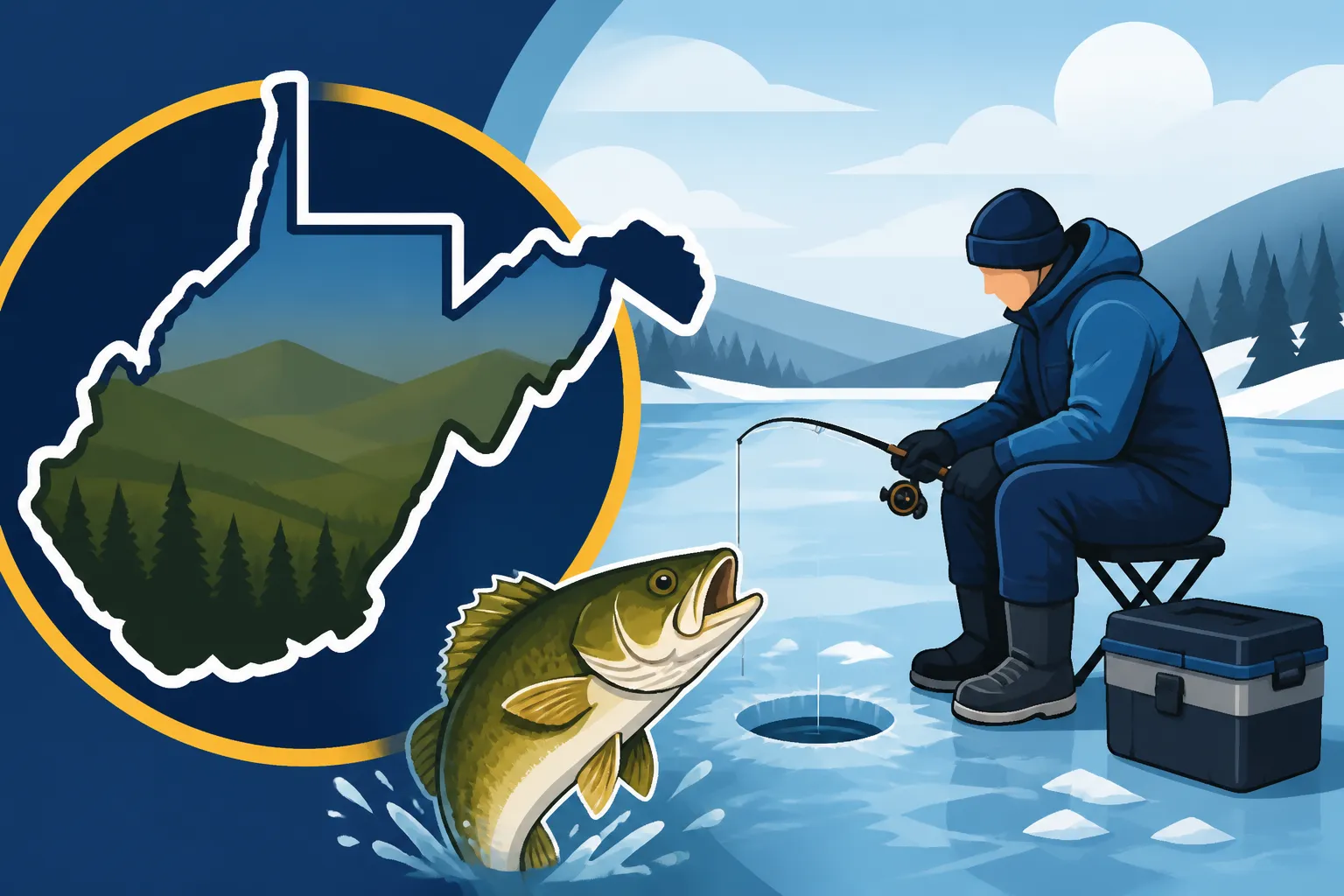
Venturing out onto a frozen lake in West Virginia for some ice fishing can be one of the most serene and rewarding experiences, but the thought of navigating all the rules and regulations can sometimes feel as daunting as drilling through thick ice. It’s easy to get overwhelmed trying to figure out what gear you can use, how many lines you’re allowed, or even what’s considered safe ice. Don’t you worry, though; this comprehensive guide is going to break down everything you need to know about West Virginia's ice fishing regulations, helping you stay legal, safe, and focused on reeling in those winter catches.
General Ice Fishing Regulations in West Virginia
When the waters freeze over in West Virginia, a whole new world of angling opportunities opens up. But just like any other fishing season, there are specific rules you need to follow to ensure you're fishing responsibly and legally. It’s not just about what you can catch, but how you go about catching it.
Licensing Requirements for Ice Anglers
First and foremost, just because the water is solid doesn't mean your need for a fishing license thaws out. Every angler, regardless of whether they’re casting from a boat, standing on the bank, or perched over an ice hole, must possess a valid West Virginia fishing license. This applies to residents and non-residents alike, with some specific age exemptions. Generally, anyone 15 years of age or older needs a license.
If you’re wondering about the specifics for the younger folks, it's worth checking out our detailed guide on West Virginia Fishing License Age Requirements. For adult residents, you’ll typically need a Class B fishing license, and often a Class CS conservation stamp. Non-residents have options like the Class F annual license or even short-term permits if you're just visiting for a quick trip. These licenses and stamps are crucial, not just for compliance but because the funds generated directly support the conservation efforts that keep our fisheries healthy. It’s a small investment that makes a big difference. Before you even think about stepping onto that ice, make sure your paperwork is in order. You can easily purchase these online through the WVhunt.com portal or at various license agents across the state. For a complete rundown, take a look at our comprehensive West Virginia Fishing License Guide for 2026.
Permitted Gear and Methods for Ice Fishing
West Virginia has clear rules on the gear you can use and the methods you can employ while ice fishing. The goal is to allow for effective angling while preventing overharvesting and ensuring fair play. You’re generally allowed to use a combination of rods and tip-ups (also known as setlines), but there are limits to the total number of devices you can have in the water simultaneously.
Currently, West Virginia regulations state that you can fish with no more than two (2) lines with no more than two (2) hooks attached to each line. Additionally, you can use up to six (6) tip-ups, each with a single hook. The key here is the total number of devices. Whether it's two rods and four tip-ups, or six tip-ups and no rods, the combined number of lines with hooks in the water cannot exceed six. Each tip-up and fishing rod must be tagged with the angler's name and address or their DNR identification number. This is important for identifying gear if you step away or if there's an issue. Make sure your lures and baits conform to general fishing regulations as well; live minnows are generally fine, but always double-check for any specific bait restrictions on certain waters. For a deeper dive into outfitting yourself for the hard water, check out our guide on the Best Ice Fishing Gear for West Virginia. You'd be surprised how much useful equipment, from ice augers to portable shelters, you can find on platforms like Amazon these days to make your experience more comfortable and productive.
Catch Limits and Species-Specific Rules
Just like open-water fishing, ice fishing is subject to daily creel limits and possession limits, which dictate how many fish of a certain species you can keep per day and how many you can have in your possession at any given time. These limits are put in place to manage fish populations and ensure sustainable fishing for future generations.
It’s absolutely critical to be aware of the specific limits for the species you’re targeting, as they can vary widely. For example, popular ice fishing targets like panfish (bluegill, crappie, yellow perch) often have generous daily limits, but trout, especially in stocked waters, usually have much stricter limits. You might only be allowed to keep a handful of trout per day, and there might even be minimum size limits. It's always a good idea to consult the latest West Virginia Fishing Regulations Summary for exact numbers before heading out. This summary details everything from West Virginia Bag and Possession Limits by Species to more granular rules like the West Virginia trout limit per day. Keep in mind that some waters might also have special regulations, such as catch-and-release only sections or slot limits, which apply even during ice season. Always read up on the specific waterbody you plan to fish to avoid any unintentional violations.
Safety Guidelines and Ice Thickness Requirements
Ice fishing is a fantastic winter pastime, but it comes with inherent risks if you don't prioritize safety. The allure of a pristine, frozen lake can make us forget that we’re essentially walking on water, and knowing the ice conditions is paramount.
Recommended Ice Thickness for Safe Fishing
The single most critical factor for ice safety is its thickness. There's no magical number that applies to all ice, as factors like current, snow cover, and underlying water can affect its integrity. However, the West Virginia Division of Natural Resources (WV DNR) and other experts provide general guidelines that every angler should adhere to rigorously.
A minimum of 4 inches of clear, solid ice is generally recommended for safe walking and ice fishing on foot. If you're bringing a snowmobile or ATV onto the ice, you'll need at least 5-7 inches. For a small car or light truck, the ice should be a minimum of 8-12 inches thick. Never assume the ice is safe just because it looks thick or because others are out there. Ice can vary greatly in thickness even on the same body of water, with springs, currents, or submerged structures creating thin spots. Always check the ice yourself as you go, using an ice spud bar or auger. If you're unsure, it's always better to err on the side of caution and stay off. Our guide on How thick ice needs to be to fish safely in West Virginia offers even more precise details to help you make informed decisions. Remember, newly formed ice is generally stronger than old ice, and ice with a milky or honeycomb appearance can be significantly weaker than clear ice.
Essential Safety Equipment and Practices
Beyond knowing your ice thickness, having the right safety gear and adopting responsible practices can be the difference between a fun day and a dangerous situation. No matter how confident you are in your ice-reading skills, accidents can happen, and being prepared is key.
Always carry a set of ice picks around your neck, ready to use. These simple tools can provide the grip you need to pull yourself out if you fall through. Wearing a flotation suit or a personal flotation device (PFD) is another smart move, especially if you’re fishing alone or on unfamiliar waters. Many specialized ice fishing suits incorporate flotation, which can be a real lifesaver. Speaking of fishing alone, don’t! The buddy system is crucial for ice fishing. Always let someone know where you’re going and when you expect to return. A fully charged cell phone in a waterproof case is also a must. Consider equipping yourself with a whistle to call for help, and a rope or throw bag can be invaluable for assisting someone else who’s gone through. You can find many of these safety items, including ice picks and basic PFDs, easily online at places like Amazon, making it convenient to gear up. Don't forget to review West Virginia life jacket rules for children under 13 if you're bringing kids along – safety for the little ones is paramount.
Specific Water Body Regulations and Restrictions
While the general regulations cover most scenarios, West Virginia boasts a diverse array of lakes and ponds, and some of these have their own specific rules or are simply better suited for ice fishing than others. Knowing these nuances can save you time and ensure compliance.
Lakes and Ponds Open to Ice Fishing
West Virginia has several popular lakes and ponds that reliably freeze over enough for safe ice fishing, attracting anglers seeking trout, panfish, and even some walleye. Places like Spruce Knob Lake, Summit Lake, and Tygart Lake often offer excellent hardwater opportunities. Many state park lakes and public fishing access ponds are also prime spots when conditions allow.
For instance, Spruce Knob Lake, nestled in the Monongahela National Forest, is a well-known destination for ice anglers targeting trout. Smaller ponds in Wildlife Management Areas (WMAs) often provide great panfish action. These locations are generally managed by the WV DNR and follow the statewide regulations, but it's always wise to check for any temporary closures or specific rules that might be posted. Some lakes, due to their size, depth, or inflow from currents, may take longer to freeze or might never achieve safe ice conditions consistently. For a comprehensive list of reliable spots, our Best Ice Fishing Lakes in West Virginia guide can provide excellent recommendations. Additionally, checking out the West Virginia State Park Fishing Guide can give you insights into specific park lakes that are known for ice fishing.
Prohibited Areas or Special Rules
While many waters are fair game for ice fishing, there are certain areas or specific conditions that might prohibit it or impose additional rules. For instance, some sections of larger rivers with strong currents, like parts of the New River or Ohio River, rarely (if ever) freeze safely for ice fishing. It's not just a matter of regulations but also extreme danger.
Furthermore, some waters might be designated as "special regulation waters" for various reasons, such as trophy trout management or unique ecosystem protection. These areas might have different tackle restrictions, catch limits, or even seasonal closures that could impact ice fishing. Always consult the WV DNR's current fishing regulations summary, paying close attention to any specific waterbody notes. For example, a lake that is typically open to ice fishing might have a temporary restriction if there's been unusual weather or a specific management concern. It's your responsibility as an angler to know before you go. Being informed about Special Regulation Waters in West Virginia is a critical step to ensure you're fishing legally and ethically, protecting both yourself and the resource.
Environmental Considerations and Best Practices
As responsible anglers, our impact on the environment matters, even when ice fishing. Practicing good stewardship ensures that these beautiful frozen landscapes remain pristine for everyone to enjoy for years to come.
Protecting the Environment While Ice Fishing
The principles of "Leave No Trace" are particularly important in the often-fragile winter environment. When you’re out on the ice, remember that everything you bring with you, you should take back out. This includes all trash, broken fishing line, bait containers, and any other debris. The ice fishing season often coincides with sensitive times for wildlife, so minimizing disturbance is key.
Dispose of unused bait properly – never dump live bait into a waterbody, as it could introduce invasive species or diseases that can devastate native fish populations. Similarly, be mindful of your waste. Packing out all your trash, including cigarette butts and food wrappers, is non-negotiable. If you’re using a portable heater in a shack, ensure proper ventilation and be careful with fuel storage. Respect private property if you're accessing the ice via land that isn't public, and always be courteous to other anglers. A clean and respected environment is a joyful environment for all.
Regulations for Ice Shacks and Structures
For many ice anglers, a portable or temporary ice shack is a welcome refuge from the biting wind and cold. West Virginia allows the use of these structures, but with certain stipulations designed to prevent abandonment and ensure public safety and access.
Typically, any ice fishing shelter or structure that remains on the ice overnight must have the owner's name and address or DNR identification number clearly displayed on the exterior in legible, contrasting letters. This helps identify abandoned structures. More importantly, there's usually a deadline by which all ice shacks and structures must be completely removed from the ice. This date often falls in late February or early March, depending on ice conditions and regional regulations. The exact date can vary year to year, so it's vital to check the current year's fishing regulations for precise removal deadlines. Leaving structures on the ice after the deadline can result in fines and charges for removal costs. This regulation prevents hazards to boaters and swimmers once the ice melts, and keeps shorelines clear of unsightly debris. Always plan your removal well in advance of the deadline, especially if warmer weather is forecast, which can make removal challenging or even dangerous.
Here’s a quick summary of recommended ice thickness for various activities:
| Activity | Recommended Minimum Clear Ice Thickness | Notes |
|---|---|---|
| Walking / Ice Fishing (Foot) | 4 inches | Always check as you go, especially on new ice. |
| Snowmobile / ATV | 5-7 inches | Distribute weight, avoid unnecessary speed. |
| Small Car / Light Truck | 8-12 inches | Check vehicle weight; spread out vehicles. |
| Medium Truck | 12-15 inches | Rare and generally not recommended on natural ice. |
Disclaimer
Please note that fishing regulations are subject to change. While this guide provides comprehensive information based on current understanding, it is always the angler's responsibility to consult the latest official West Virginia Fishing Regulations Summary published by the West Virginia Division of Natural Resources (WV DNR) before heading out. This guide is for informational purposes only and should not be considered legal advice.