West Virginia life jacket rules for children under 13
It can be incredibly stressful to make sure your kids are safe while out enjoying West Virginia’s beautiful waterways, especially when you’re trying to keep all the specific boating and fishing regulations straight. Nobody wants to face a penalty or, worse, compromise a child’s safety because they weren’t clear on the rules. This guide is here to unravel all the West Virginia life jacket rules for children under 13, so you can focus on making cherished memories on the water.
The Essential Rule for Young Anglers and Boaters
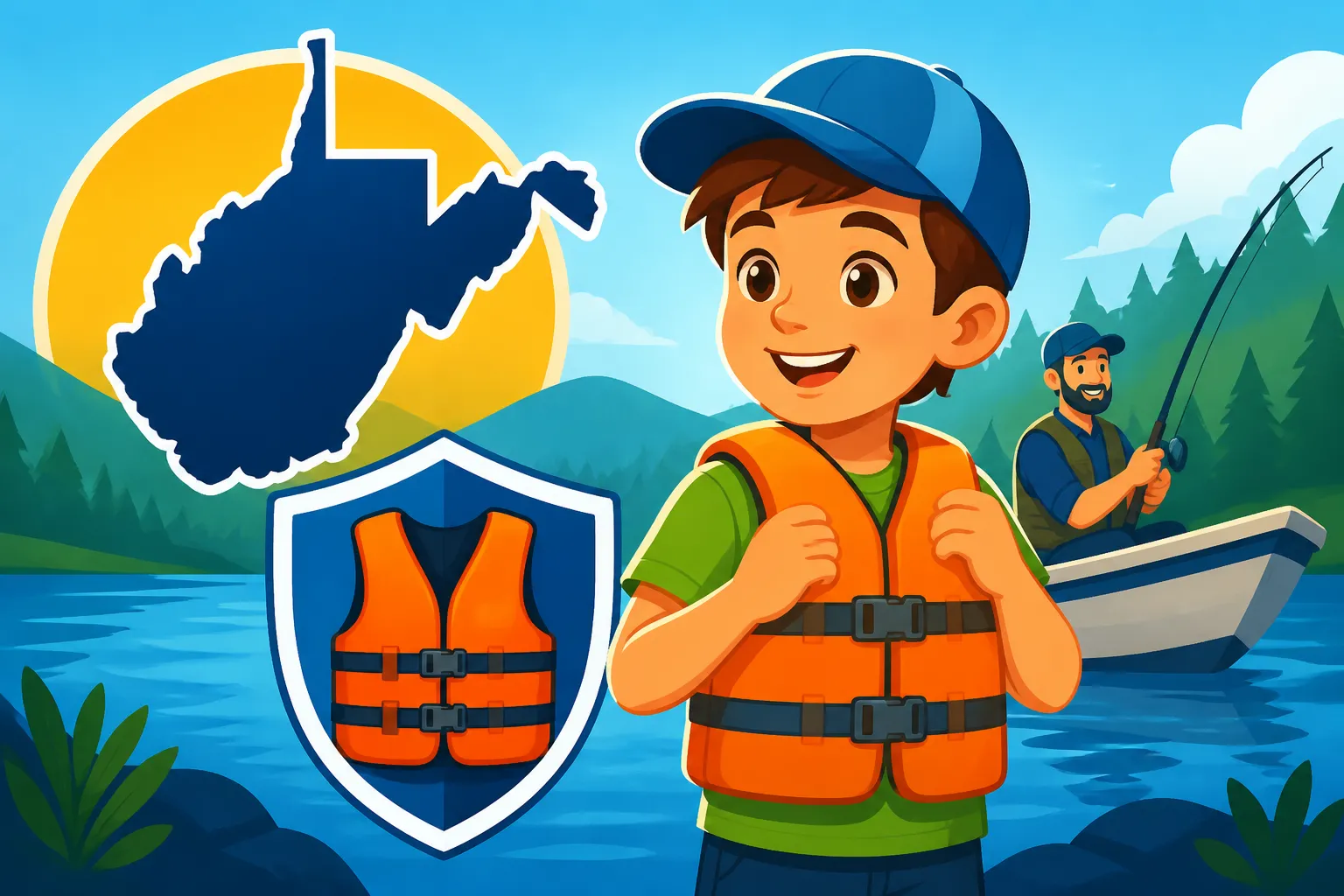
When it comes to children under the age of 13, West Virginia has a very clear and non-negotiable rule: they must wear a U.S. Coast Guard-approved life jacket at all times while on any vessel, whether underway or at anchor. This isn't just a suggestion; it's a legal requirement designed to protect our youngest adventurers on the water. This applies to all types of vessels, from your fishing boat to a canoe, kayak, or even a paddleboard.
Understanding "Wearing" a Life Jacket
This might seem obvious, but "wearing" a life jacket means it must be donned and properly fastened. It’s not enough to simply have the life jacket on board the vessel, or even just hanging loosely around a child's neck. The straps need to be tightened, zippers secured, and buckles fastened so the jacket fits snugly. A life jacket that is too loose can slip off or ride up, offering little to no protection when it's needed most. Imagine a child slipping into the water unexpectedly; if their life jacket isn't properly secured, it could easily come off or impede their ability to stay afloat effectively. This critical detail is often overlooked but can make all the difference in an emergency.
Why This Rule is So Important
The primary reason for this strict regulation is, quite simply, safety. Children are often less experienced swimmers, have smaller bodies that can cool down faster in cold water, and might panic more easily in an unexpected fall overboard. Drowning is a leading cause of accidental death in children, and life jackets are proven to save lives. The West Virginia Department of Natural Resources (DNR) enforces this rule to significantly reduce the risk of tragic accidents. It provides an immediate buoyancy that can keep a child's head above water, buying crucial time for rescue. Furthermore, even strong swimmers can be overwhelmed by strong currents, sudden waves, or an unexpected capsize, making a properly worn life jacket an invaluable piece of safety equipment. The rule takes the guesswork out of water safety for parents and guardians, ensuring a baseline of protection for every child on the water.
What Makes a Life Jacket "Approved"?
Not all flotation devices are created equal, especially when it comes to legal requirements and actual safety. For a life jacket to be considered compliant with West Virginia law, and indeed federal law, it must be officially approved by the U.S. Coast Guard (USCG). This approval means it has met rigorous testing standards for buoyancy, construction, and performance.
Identifying a USCG-Approved Life Jacket
Look for the official U.S. Coast Guard approval number printed on the inside label of any life jacket. This label will also specify the type of life jacket (Type I, II, III, IV, or V), its intended use, and the weight range it’s designed for. Without this clear USCG approval, the flotation device, no matter how buoyant it seems, does not meet the legal requirement for children under 13. When you're browsing for options, say on a major online retailer like Amazon, always double-check the product description and images for this crucial USCG stamp of approval. Many brands, like Stearns and Mustang Survival, are well-known for producing USCG-approved life jackets that are comfortable and effective for children.
Types of Life Jackets Suitable for Children
For children, Type I, II, and III life jackets are typically the most appropriate and commonly seen.
- Type I (Off-Shore Life Jackets): These offer the most buoyancy and are designed for rough, open, or remote waters where rescue might be delayed. They are designed to turn an unconscious person face-up in the water. They are often bulkier but provide maximum protection. While excellent for safety, they can be a bit cumbersome for active fishing.
- Type II (Near-Shore Buoyancy Vests): These are good for calmer, inland waters where a quick rescue is likely. They will turn some unconscious wearers face-up in the water but are less reliable than Type I. They are less bulky than Type I, making them a popular choice for recreational boating and fishing.
- Type III (Flotation Aids): These are generally the most comfortable and popular for recreational activities like fishing, kayaking, and watersports. They are designed for conscious wearers in calmer waters, as they don't guarantee turning an unconscious person face-up. They offer excellent freedom of movement, which is a big plus when a child is actively participating in fishing or helping on the boat. Many parents find these a great balance between comfort and safety, and you can find a huge variety of styles and colors, often available directly from online stores such as Amazon.
- Type V (Special Use Devices): These are designed for specific activities and must be worn to be counted as a USCG-approved device. They can include inflatable life jackets (though many inflatable PFDs are not approved for children under 16 or those weighing less than 90 lbs), deck suits, or work vests. Always check the label to ensure a Type V is appropriate for a child and the specific activity.
It's crucial to select the correct type for your child's activity and the specific water conditions you'll encounter.
The Importance of Proper Fit and Sizing
A life jacket's effectiveness hinges on its fit. A life jacket that is too large can ride up around a child’s ears, offering inadequate support, or even slip off entirely. One that is too small will be uncomfortably tight and may not provide sufficient buoyancy. Always check the weight and chest size recommendations on the life jacket's label. When trying one on, make sure it feels snug but not restrictive. There should be no excessive room around the armholes or neck. To test the fit, lift the child by the shoulders of the life jacket; if it slides up past their ears, it's too big. Remember that children grow quickly, so regularly check their life jackets for proper fit at the beginning of each fishing season or before any major boating trip. Invest in a new one when they outgrow the old, and consider checking reviews on sites like Amazon for common sizing feedback.
Here's a quick overview of common USCG life jacket types suitable for children:
| Life Jacket Type | Primary Use | Buoyancy (lbs) | Turns Unconscious Wearer Face Up? | Comfort/Mobility | Best For |
|---|---|---|---|---|---|
| Type I (Off-Shore) | All waters, rough conditions | 22+ | Yes (reliable) | Least | Remote areas, ocean, delayed rescue |
| Type II (Near-Shore) | Inland, calm waters, quick rescue | 15.5+ | Sometimes | Moderate | General recreational boating, fishing |
| Type III (Flotation Aid) | Inland, calm waters, active use | 15.5+ | No (requires conscious effort) | Most | Watersports, fishing, kayaking |
| Type V (Special Use) | Specific activities | Varies | Varies | Varies | Must be worn for specific purpose (check label) |
Where and When the Rule Applies in West Virginia
Understanding that the rule exists is one thing, but knowing exactly where and when it applies can sometimes be confusing. West Virginia's regulations are pretty broad to ensure maximum safety coverage for children.
On Any Vessel, Underway or At Anchor
The key phrase here is "on any vessel, whether underway or at anchor." This means if a child under 13 is aboard a boat, regardless of its size, power, or whether it's moving or just sitting still on the water, they must be wearing their USCG-approved life jacket. This includes powerboats, sailboats, rowboats, canoes, kayaks, rafts, stand-up paddleboards, and even inflatable fishing tubes. It's not just about when the engine is running or when you're actively paddling; if you're out on the water, children under 13 need to be jacketed up. This prevents accidents that can happen quickly, like a sudden jolt, a slip, or simply leaning too far over the side while looking at the water. For more details on overall vessel requirements, you might want to review our comprehensive guide on West Virginia Boating Laws for Anglers.
Rivers, Lakes, Ponds, and Reservoirs
This rule is universal across all public waters in West Virginia. It doesn't matter if you're fishing a serene state park pond, navigating the mighty Ohio River, paddling a kayak on Summersville Lake, or floating a trout stream in the Monongahela National Forest. If your child is under 13 and on a vessel, they need to wear that life jacket. This uniformity simplifies compliance for anglers and boaters, removing any ambiguity about which specific body of water might have different rules. Knowing this can help you plan your trips to various Best Fishing Lakes in West Virginia or Best Fishing Rivers in West Virginia with confidence that you're always adhering to the same fundamental safety standard.
Does It Apply to Bank Fishing or Docks?
Here's an important clarification: the rule specifically states "on any vessel." This means that if a child is fishing from the bank of a river, a public fishing pier, or a private dock, they are not legally required to wear a life jacket under this specific regulation. However, it's always smart to exercise caution, especially with very young children or those who are not strong swimmers. While not mandated by law in these scenarios, many parents still choose to have their children wear life jackets in situations where there's a risk of falling into deep or fast-moving water. This decision is often based on individual comfort levels and the specific hazards of the fishing location. Think of it as going beyond the minimum legal requirement to maximize peace of mind and safety.
Beyond the Law: Best Practices for Child Safety on the Water
While strictly adhering to the law is paramount, savvy parents and guardians understand that safety goes beyond mere compliance. There are many steps you can take to foster a culture of safety and enjoyment for children on and around West Virginia's waters.
Encouraging All Children to Wear Life Jackets
Even if your child is over 13, or if you’re fishing from the bank where it's not legally mandated, strongly encourage them to wear a life jacket. Accidents can happen quickly and unexpectedly, regardless of age or swimming ability. A sudden slip, an unexpected wave, or simply losing balance can send anyone into the water. By normalizing life jacket use for everyone on the boat, you set a great example and reinforce safe habits. It's also worth remembering that some specific scenarios, like operating a personal watercraft (PWC), have different rules, as detailed in West Virginia Boater Education Certificate Requirement which applies to operators born after a certain date. When kids see adults and older siblings wearing their life jackets, they are much more likely to accept and wear their own without complaint.
Teaching Kids About Water Safety
Beyond just wearing a life jacket, educating children about general water safety is crucial. Teach them about currents, cold water shock, how to float on their back, and what to do if they fall in. Show them how to safely enter and exit a boat, and explain the importance of staying seated and keeping hands and feet inside the vessel. Discuss the dangers of hypothermia and dehydration. These lessons empower children with knowledge and skills that can be life-saving. Consider practicing an "overboard" drill in a controlled environment so children know what to expect and how to react calmly. For instance, if you're taking your child out for New River Smallmouth Bass Fishing, explain how powerful the currents can be and why staying aware is vital.
Regular Inspection and Maintenance of Life Jackets
Life jackets aren’t indestructible. Over time, exposure to sun, saltwater, and general wear and tear can degrade their buoyancy and integrity. Make it a routine to inspect all life jackets at the start of each season and before any major outing. Look for tears, punctures, faded fabric, stretched straps, or broken buckles and zippers. A damaged life jacket may not provide the necessary flotation, rendering it ineffective. If you find any significant damage, it's time to replace it. Many high-quality life jackets offer years of service with proper care, but neglecting them can put your loved ones at risk. Keep an eye out for sales on reliable replacement options, often found on platforms like Amazon, ensuring you're always prepared with safe, functional gear. Keeping spares on hand, especially for growing children, is also a smart move.
Choosing the Right Gear for Your Boat
Having a well-equipped boat or kayak is another layer of safety. This includes ensuring you have enough USCG-approved life jackets for every person on board, including adults, as required by law for certain vessel sizes and types. Beyond life jackets, other safety equipment like throwable flotation devices, a whistle or horn, navigation lights, and a first-aid kit are essential. Understanding all these requirements is part of being a responsible boater in West Virginia. Our guide on Life Jacket Requirements for West Virginia Boaters expands on requirements for all ages and vessel types. For smaller craft, selecting the Best Kayaks for West Virginia Fishing means also considering how much safety gear you can comfortably carry.
Disclaimer
Please note that this article provides general information and guidance. Fishing and boating regulations can change, and it is always the angler's responsibility to consult the most current West Virginia Division of Natural Resources (WVDNR) regulations or contact the WVDNR directly for the latest and most accurate information before heading out on the water.