West Virginia fishing license reciprocity on Kentucky boundary waters
Oh, the Ohio River! It's truly a magnificent waterway, a lifeline for anglers across West Virginia, and our neighbor, Kentucky. But let's be real, trying to figure out which state's fishing license you need when you're casting lines in a river that separates two states can feel like navigating a legal minefield. It's a common headache, and nobody wants to get a ticket just for enjoying a peaceful day on the water. This guide is here to clear up all that confusion, specifically for West Virginia and Kentucky boundary waters, so you can focus on reeling in that trophy catch without any worries.
Understanding Boundary Water Reciprocity for Anglers
Before we dive into the nitty-gritty between West Virginia and Kentucky, let's talk generally about what "reciprocity" means in the world of fishing licenses. Simply put, it's an agreement between two states that share a body of water, allowing anglers with a valid fishing license from either state to fish that shared water. It's designed to make life easier for us, preventing the need to buy two separate licenses for a single river or lake. Sounds great, right? In theory, yes. In practice, there are always a few specific details and exceptions that can trip you up.
For example, many boundary waters have specific "main stem" agreements. This means the reciprocity often applies only to the main channel of the river itself, not necessarily to every little bay, slough, or tributary that feeds into it. If you venture off the main stem into waters that are clearly on one side or the other, you might suddenly find yourself in a situation where only that specific state's license is valid. It's a fine line, and often one that requires a bit of local knowledge or a good map to discern. The whole point is to ensure that while states want to protect their natural resources, they also want to facilitate access for responsible anglers.
Specifics of West Virginia and Kentucky Reciprocity on the Ohio River
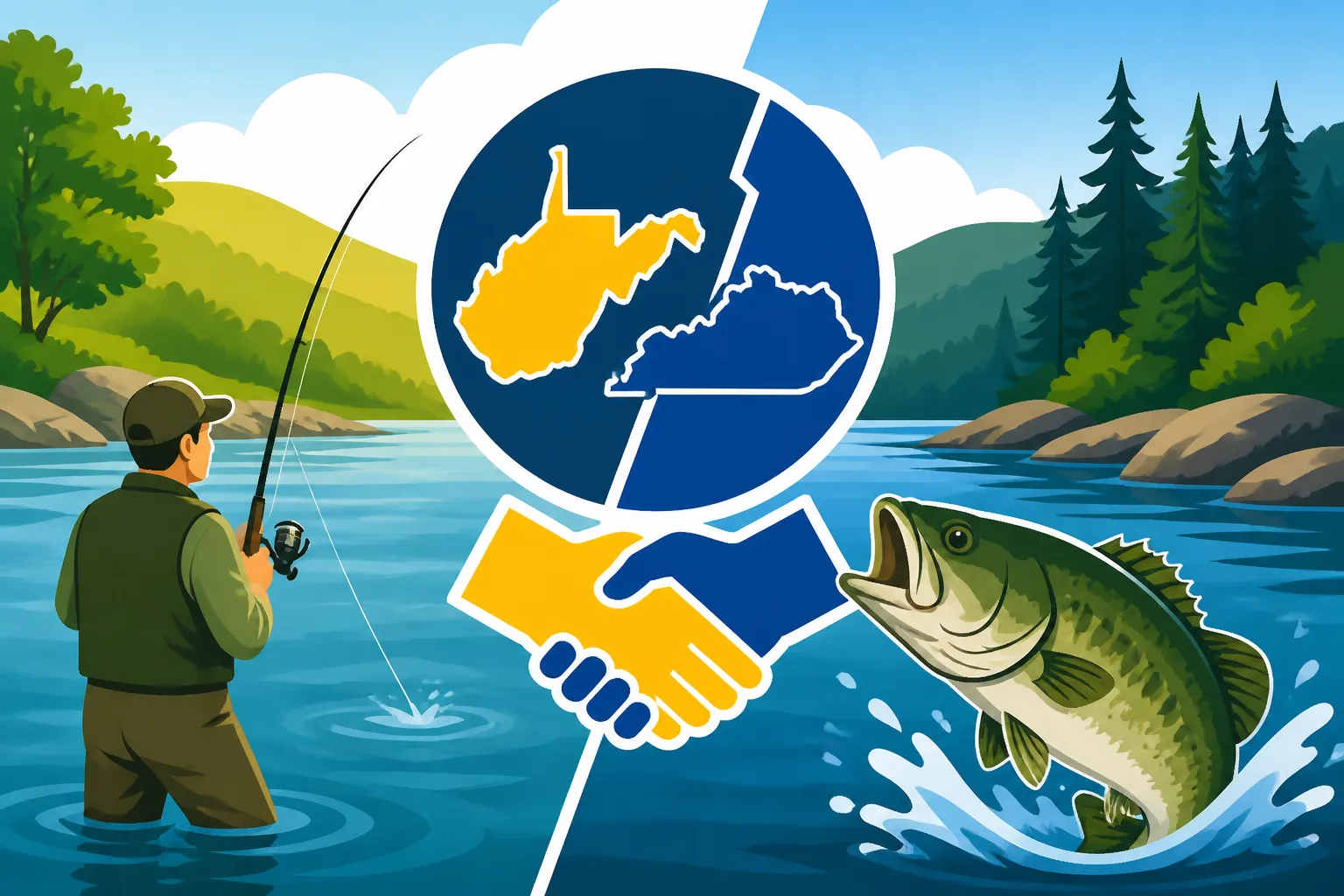
Now, let's get down to brass tacks regarding West Virginia and Kentucky. The big one here, of course, is the mighty Ohio River. This river forms a significant portion of the boundary between our two states, and it's a fantastic fishery for everything from catfish to walleye, and plenty of sauger. Good news, anglers! West Virginia and Kentucky do have a reciprocal agreement in place for fishing licenses on the main stem of the Ohio River. This is a huge relief for anyone who loves to fish this sprawling waterway.
What this means for you is straightforward: if you possess a valid West Virginia fishing license, you can legally fish the main stem of the Ohio River from a boat or from the Kentucky bank. Conversely, if you have a valid Kentucky fishing license, you can fish the main stem from a boat or from the West Virginia bank. It's a fantastic arrangement that eliminates a lot of the hassle. However, and this is a big "however," you need to pay close attention to the definition of "main stem." As mentioned earlier, this agreement typically does not extend to tributaries or embayments. If you pull your boat into a creek mouth that flows entirely within West Virginia, or anchor in a backwater slough that's clearly Kentucky territory, you'll need the appropriate license for that specific state. It's a common mistake, so always double-check your location. For more general information about permits, check out our West Virginia Fishing License Guide for 2026.
A helpful way to think about it is this: if your boat is actively in the main channel, or if you're casting from a public access point directly on the Ohio River bank (regardless of which side), your single state license should cover you. But if you motor up, say, the Twelvepole Creek in West Virginia, or the Big Sandy River (which also forms part of the WV-KY border but has its own nuances, often treated as separate entities from the Ohio main stem agreement for licenses), you'd better have a West Virginia fishing license. Likewise, if you head into a defined embayment on the Kentucky side, you'll need that Kentucky license. It’s always safer to err on the side of caution.
Understanding Ohio River Fishing Regulations
While the fishing license reciprocity covers who can fish, it's crucial to understand that fishing regulations – like daily creel limits, size restrictions, and season dates – can still vary or be subject to specific Ohio River agreements. Thankfully, West Virginia and Kentucky, along with other Ohio River states, often work together to establish consistent regulations for the main stem of the Ohio River to further simplify things. This ensures that you aren't trying to remember one set of walleye limits for one side of your boat and another for the other! You can usually find these specific Ohio River regulations detailed in each state's fishing regulation summary. For West Virginia, this information is readily available from the West Virginia Division of Natural Resources (WVDNR). Our guide on Ohio River Fishing Rules for West Virginia Anglers has more in-depth information.
For example, if you're targeting smallmouth bass or catfish on the Ohio River, you'll find unified regulations regarding minimum size and daily possession limits that both states adhere to for this shared water. However, if you venture into a tributary that is not part of the reciprocity agreement, you'll need to follow that specific state's regulations for that waterbody. This distinction is vital, because getting the license wrong is one thing, but violating bag limits or seasons is another entirely, and can lead to hefty fines and loss of fishing privileges. Always grab a copy of the latest regulations summary – even if it's just the digital version on your phone – before you head out. These details are important, so be sure to consult West Virginia Bag and Possession Limits by Species to stay compliant.
Here's a quick reference table for the general license requirements:
| Scenario | West Virginia License Valid | Kentucky License Valid | Required |
|---|---|---|---|
| Fishing main stem Ohio River (WV Bank) | Yes | Yes | WV or KY fishing license |
| Fishing main stem Ohio River (KY Bank) | Yes | Yes | WV or KY fishing license |
| Fishing main stem Ohio River (Boat) | Yes | Yes | WV or KY fishing license (regardless of launch state, as long as it's the main stem) |
| Fishing WV tributary to Ohio River | Yes | No | West Virginia fishing license |
| Fishing KY tributary to Ohio River | No | Yes | Kentucky fishing license |
| Fishing from an island within WV waters | Yes | No | West Virginia fishing license (unless specific island is part of main stem agreement, which is rare for smaller islands) |
| Fishing from an island within KY waters | No | Yes | Kentucky fishing license |
Remember, this table summarizes the general understanding. Always verify with current WVDNR or Kentucky Department of Fish and Wildlife Resources (KDFWR) regulations, as agreements can occasionally be updated.
Practical Considerations for Anglers
Alright, so you understand the reciprocity, and you're ready to hit the water. But there are a few other practical things to keep in mind to make sure your trip is smooth sailing.
Where to Buy Your License
If you're a West Virginia resident, you can easily purchase your license online through the WVDNR website, or at one of the many authorized license agents throughout the state. You can also pick one up at various sporting goods stores, or even places like Walmart. For our Kentucky friends, the KDFWR website and their authorized agents are the go-to. If you happen to be a non-resident of either state, you'll be looking at non-resident license fees, which are typically higher. You can learn more about costs in our How Much Does a West Virginia Fishing License Cost guide, or specifically for non-residents in Resident vs Nonresident Fishing License Costs in West Virginia. Often, you can even print your license at home after an online purchase, or keep a digital copy on your phone. However, it's always wise to check if a physical copy is required or if a digital version is sufficient – see Printing or Carrying a Digital Fishing License in West Virginia.
Boating Laws and Safety
If you're planning to fish from a boat on the Ohio River, remember that while fishing license reciprocity is in play, boating regulations are generally determined by the state where your boat is registered. So, if your boat is registered in West Virginia, you follow West Virginia's boating laws. If it's registered in Kentucky, you follow Kentucky's. This includes things like registration decals, safety equipment requirements, and boater education certifications.
For instance, West Virginia Boating Laws for Anglers covers what you need to know about life jacket requirements, fire extinguishers, and other safety gear. If you're operating a motorized boat and were born after a certain date, you might also need a West Virginia Boater Education Certificate Requirement. Always carry proof of registration and any required certifications with you. It's smart to have a good chart or GPS on your boat too, especially on large rivers like the Ohio, to help you stay aware of your location and avoid accidentally drifting into a non-reciprocal tributary. You can find excellent waterproof maps of the Ohio River on platforms like Amazon, which can be invaluable for pinpointing those boundary lines.
Species-Specific Regulations and Hot Spots
Even with reciprocity, seasoned anglers know that different species have different regulations. The Ohio River is known for its incredible diversity. While common regulations apply for many species on the main stem, always be mindful of specifics for certain fish. For example, walleye and sauger limits can sometimes be tricky, or there might be special slot limits for particular bass species. Always check the current regulations summary for both states if you plan on fishing in specific embayments or tributaries, just to be absolutely sure.
If you're chasing species like muskie or aiming for specific panfish, knowing where those fish congregate often means understanding habitat, which can lead you into those non-reciprocal waters. For instance, if you're fishing for trophy flathead catfish, you might target specific deep holes or timber on one side of the river. If you're primarily fishing from the West Virginia side and plan to chase smaller fish in local ponds or smaller rivers, you’ll definitely want to ensure you have a valid West Virginia fishing license age requirements license or check if you qualify for any special exemptions.
Consequences of Non-Compliance
Nobody wants a run-in with law enforcement, especially when you're just trying to enjoy a relaxing day outdoors. Fishing without the proper license, or violating regulations, can lead to some pretty significant headaches. The penalties for Fishing without a License in West Virginia: Penalties can range from fines to confiscation of equipment, and even loss of future fishing privileges. These aren't just minor slaps on the wrist; they can be costly and frustrating experiences.
Imagine you're having an amazing day, your cooler is full, and you're just about to pack up, only to be approached by a conservation officer. If you've accidentally strayed into a tributary without the correct state's license, or if you've misunderstood a specific regulation, that fantastic day can quickly turn sour. Officers are generally understanding if it's a genuine mistake, but ignorance of the law is rarely an excuse. They're there to protect the resource and ensure fair play for everyone. Therefore, it's always better to take a few extra minutes to double-check the rules than to risk the consequences. A waterproof pouch for your license and a copy of the regulations (perhaps printed or on a device with a protective case, easily sourced from Amazon) is a small investment for peace of mind. If you ever have questions or are unsure, you can always contact the WVDNR directly. You can find their contact info through the West Virginia fishing license customer service phone number.
It’s worth noting that while reciprocity helps, it doesn't mean you can disregard all other state laws. For instance, if you're consuming alcohol on the water, both states will have their own open container laws or boating under the influence regulations. Always drink responsibly and designate a sober boat operator, regardless of which side of the river you're on. The spirit of these agreements is to foster cooperation and access, but never to compromise safety or responsible resource management.
Disclaimer
Please be aware that fishing regulations and license requirements can change. While every effort has been made to provide accurate and up-to-date information, it is always your responsibility to consult the official West Virginia Division of Natural Resources (WVDNR) and Kentucky Department of Fish and Wildlife Resources (KDFWR) websites or their latest printed regulations summaries before engaging in any fishing activities. This guide is for informational purposes only and should not be considered legal advice.