West Virginia fishing license reciprocity on Virginia boundary waters
There's nothing quite like the feeling of hitting the river on a crisp morning, rod in hand, ready for a day of fishing. But for those of us who love to cast a line along West Virginia's border with Virginia, a common headache arises: "Which fishing license do I actually need?" The state lines can be confusing, making it easy to unwittingly cross into a legal gray area. This guide is here to clear up that very confusion, providing you with all the details on fishing license reciprocity between West Virginia and Virginia on shared boundary waters.
Navigating West Virginia and Virginia Boundary Waters with Your Fishing License
The shared waters between West Virginia and Virginia offer some incredible fishing opportunities, especially for smallmouth bass and various panfish. However, these boundary waters also create a unique challenge for anglers when it comes to licensing. It’s not always as simple as buying a license from the state you live in or the state you happen to launch your boat from. There are specific agreements in place that dictate whether one state's license is valid in the other's bordering waters, and understanding these nuances is crucial to avoid any unexpected run-ins with conservation officers.
The Core Reciprocity Agreement for the Potomac River
When we talk about fishing license reciprocity between West Virginia and Virginia, the primary body of water in question is the mainstem of the Potomac River. This majestic river forms a significant portion of the border between the two states, and thankfully, both states have worked together to simplify the licensing process for anglers enjoying its waters.
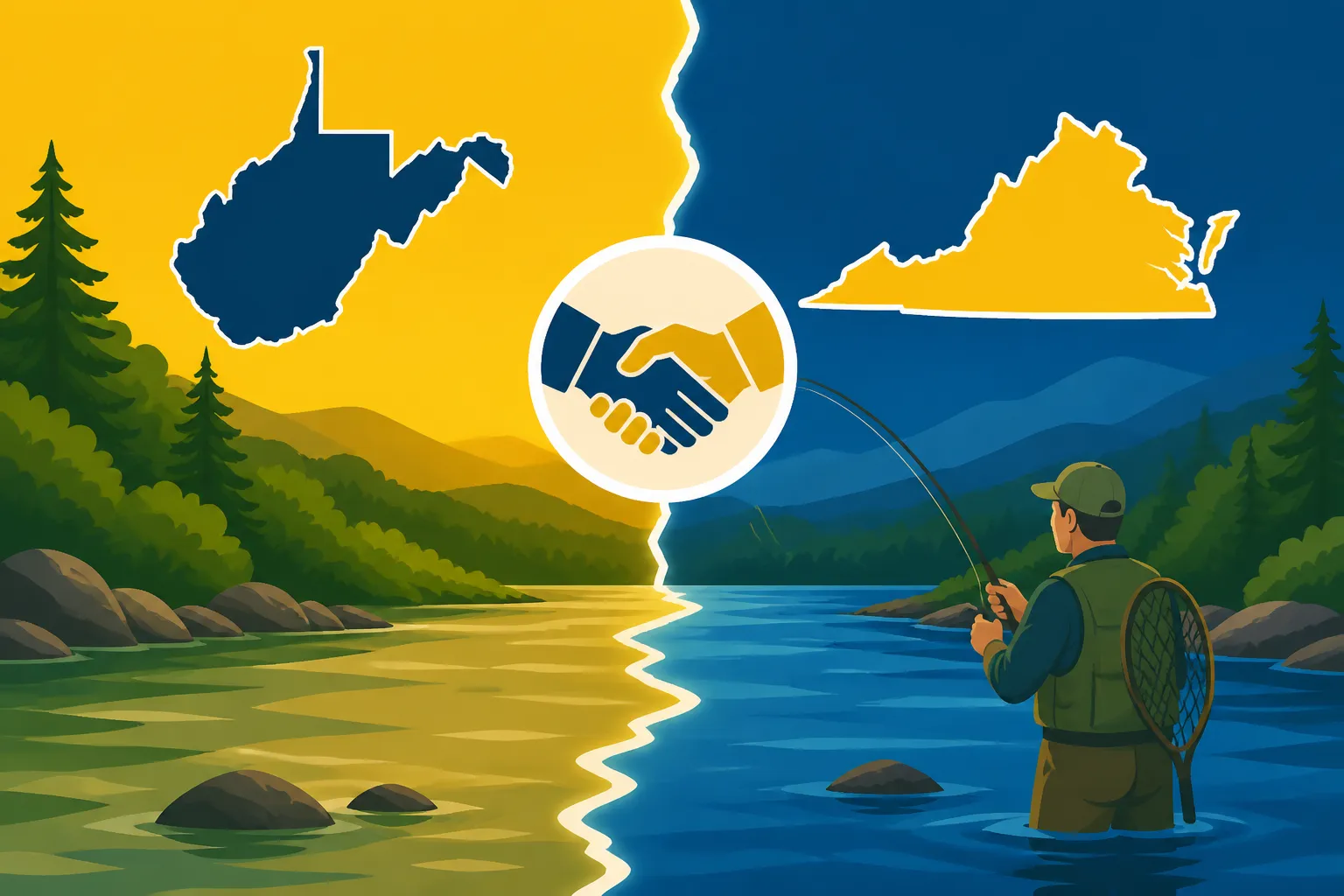
The good news is that if you possess a valid resident or nonresident fishing license from either West Virginia or Virginia, you are generally permitted to fish the mainstem of the Potomac River where it forms the shared boundary. This agreement is a huge convenience, meaning you don't necessarily need to purchase two separate annual licenses if your fishing is confined to the middle sections of the river. For example, if you're planning a trip to float fish near Harpers Ferry or Shepherdstown, as long as you have a current license from either state, you're good to go on the river itself. This helps cut down on the hassle and expense, allowing you to focus on the fishing experience rather than bureaucratic red tape.
When Reciprocity Doesn't Apply: Tributaries and Shorelines
While the reciprocity agreement for the Potomac River's mainstem is a fantastic benefit, it's absolutely vital to understand its limitations. This is where many anglers, even seasoned ones, can get tripped up. The reciprocity agreement does not extend beyond the main channel of the Potomac River. This means that if you venture into any of the numerous tributaries or embayments that feed into the Potomac, or if you decide to fish from the shoreline, the rules change immediately.
Let's consider a practical scenario: You're fishing the mainstem of the Potomac with your West Virginia fishing license, and you spot a promising eddy just inside the mouth of a smaller stream, like the Shenandoah River (which flows into the Potomac from Virginia) or Sleepy Creek (which flows in from West Virginia). If you choose to fish in that tributary, even just a few feet upstream from the confluence, you are now in the waters of a specific state. Therefore, you would need a valid fishing license for that specific state whose waters you are entering. Similarly, if you tie up your boat and step onto the Virginia bank to cast, you would then need a valid Virginia fishing license. It’s not enough to simply have a license from either state; you must have the license for the state whose land you're standing on or whose tributary waters you are actively fishing. This distinction is incredibly important and often overlooked, leading to potential fines if an officer catches you unaware.
Understanding Which State's Regulations to Follow
Having the correct fishing license is only one part of the equation when fishing boundary waters. Another equally critical, and often more complex, aspect is understanding which state's specific fishing regulations you need to adhere to. Even with license reciprocity on the mainstem of the Potomac, West Virginia and Virginia maintain their own distinct rules regarding creel limits, size restrictions, and open seasons for various species. This can create a real head-scratcher for anglers trying to stay compliant.
Navigating Creel Limits, Size Restrictions, and Seasons
This is arguably the trickiest part of fishing boundary waters. Let's say you're on the mainstem of the Potomac River, and you have a valid West Virginia fishing license, which the reciprocity agreement covers. You might assume you just follow West Virginia's rules for everything. However, it's not always that straightforward. Generally, the rule of thumb is that you must abide by the regulations of the state from which you launched your boat or the state on whose shore you are standing. If you launched from a West Virginia access point, you would follow West Virginia's regulations. If you launched from Virginia, you'd follow Virginia's.
Consider smallmouth bass, a highly sought-after species on the Potomac. West Virginia and Virginia could potentially have different daily creel limits (the number of fish you can keep), different minimum size requirements, or even different closed seasons for certain stretches of the river. Imagine West Virginia has a 12-inch minimum and a 6-fish daily limit, while Virginia has an 11-inch minimum and a 5-fish daily limit. If you're fishing from a boat that launched in West Virginia, you are obligated to follow the West Virginia regulations. If you drifted into a section that primarily borders Virginia and caught a fish that was legal by Virginia standards but not West Virginia's, you could be cited if an officer determined your primary fishing operation originated from West Virginia. It's a nuanced situation, and the best defense is to be informed about both sets of regulations and make a conscious decision to stick to one state's rules to avoid any ambiguity. You can find detailed breakdowns in our guides on West Virginia Fishing Regulations Explained and West Virginia Bag and Possession Limits by Species.
Boating and Other Non-Fishing Regulations
Beyond just fishing licenses and catch limits, it’s important to remember that general boating regulations, safety equipment requirements, and even rules about personal watercraft operation are typically not covered by fishing license reciprocity agreements. These rules usually fall under the jurisdiction of the state whose waters you are operating in or where your vessel is registered.
For instance, West Virginia has specific life jacket requirements for children under 13, and certain boating safety education requirements based on birth year. Virginia will have its own set of rules for these things. If your boat is registered in West Virginia, you'll need to ensure it meets West Virginia's registration requirements, even if you’re fishing a shared portion of the river. Similarly, if you are operating a boat near an angler in West Virginia waters, there are specific regulations regarding proximity and wake that you must observe. These non-fishing regulations are just as crucial to understand to ensure a safe and legal outing on the water. Always check the boating laws for both states if you plan on extended trips or launching from different locations.
Practical Steps to Ensure Compliance on Border Waters
Fishing border waters like the Potomac can be an incredibly rewarding experience, but the key to a stress-free trip is preparation and clarity on regulations. Nobody wants a great day on the water ruined by an unexpected citation or confusion over rules. Taking a few proactive steps can save you a lot of headaches and ensure you're always on the right side of the law.
Researching Both West Virginia and Virginia Regulations
The most critical step an angler can take is to thoroughly research the current fishing regulations for both West Virginia and Virginia, specifically pertaining to the Potomac River and its surrounding areas. Don't rely solely on what you think you know or what a friend told you. Regulations can change annually, so always consult the most recent official sources.
For West Virginia, the West Virginia Division of Natural Resources (WV DNR) website is your go-to. They provide comprehensive regulation summaries, often available as printable PDFs. For Virginia, you'll want to check the Virginia Department of Wildlife Resources (VA DWR) website. Both agencies have dedicated sections detailing fishing licenses, seasons, and creel limits. It's an excellent idea to download and print the relevant pages or entire summaries for both states. You can even find waterproof cases on Amazon to keep these documents dry and handy while you’re out on the water. Taking the time to compare the rules for your target species, like smallmouth bass or walleye, is an absolute must. Pay close attention to any special regulations for specific sections of the river, as these can supersede general rules. Our guide on Reading the West Virginia Fishing Regulations Summary can help you interpret the WV rules effectively.
Preparing for Your Fishing Trip
Once you've done your homework, it’s time to put that knowledge into action and prepare for your actual fishing trip. This means more than just gathering your rods and tackle; it means having your documentation in order and easily accessible.
First and foremost, ensure you have your chosen state's fishing license with you. If you purchased it online, print a physical copy. While digital licenses on your phone might be accepted, a dead battery or lack of signal could leave you in a bind. Having a physical backup is always a smart move. Many anglers also find it useful to keep a copy of both the West Virginia and Virginia regulation summaries in their boat or tackle box, especially if they plan to fish different sections or might accidentally drift into an area where the other state's rules apply. You could even laminate a small card with key differences for your target species for quick reference. Make sure you have all the necessary safety equipment for your boat as well, adhering to the strictest of either state's rules to be completely safe. A reliable GPS or mapping app can also help you identify where state lines run, especially if you're navigating complex river systems. For those who prefer paper maps, you can often find detailed topographic maps on Amazon that clearly mark state boundaries, helping you stay aware of your location. Our article on Where and How to Buy a West Virginia Fishing License can guide you through the purchase process.
| Feature / Species | West Virginia (Potomac Mainstem) | Virginia (Potomac Mainstem) | Notes on Reciprocity |
|---|---|---|---|
| Fishing License | Valid WV license required | Valid VA license required | Either state's license is valid on the mainstem of the Potomac River where it forms the border. |
| Smallmouth Bass (Daily Creel) | Typically 6 fish | Typically 5 fish | Anglers generally follow the regulations of the state from which they launched their boat. |
| Smallmouth Bass (Minimum Size) | Typically 12 inches | Typically 11 inches | Check current year's regulations as these can vary. |
| Walleye (Daily Creel) | Typically 5 fish | Typically 5 fish | Always consult current year's official guides. |
| Tributaries/Shoreline | WV license needed for WV tribs/shore | VA license needed for VA tribs/shore | Reciprocity does NOT apply to tributaries or when fishing from shore. |
| Boating Regulations | Follow WV Boating Laws | Follow VA Boating Laws | Boating laws (registration, safety equipment) are NOT reciprocal and apply based on the state whose waters you operate in or where your boat is registered. |
Remember, the responsibility to know and follow the rules ultimately rests with the angler. A little bit of homework before your trip can make all the difference between a great day of fishing and an unfortunate encounter.
Disclaimer
Please note that fishing regulations and reciprocity agreements are subject to change. While this guide provides the most up-to-date and accurate information available at the time of writing, it is essential for all anglers to consult the official West Virginia Division of Natural Resources (WV DNR) and Virginia Department of Wildlife Resources (VA DWR) websites for the most current rules and regulations before heading out on the water. This guide is for informational purposes only and should not be considered a substitute for official legal advice or current state publications.