Best moon phase for muskie fishing
It's a question every muskie angler in West Virginia has pondered, often whispered with a mix of hope and skepticism on the water: "Does the moon really make a difference?" We've all been there, casting tirelessly, wondering if the fish just aren't biting, or if the celestial dance above is playing a role. This guide aims to demystify the age-old connection between lunar phases and muskie activity, helping you understand how to use this knowledge to your advantage on our Mountain State waters.
Understanding Solunar Theory and Muskie Behavior
For generations, anglers have observed patterns, looking for any edge to outsmart the elusive muskie. One of the most enduring theories is solunar theory, which posits that the gravitational pull of the moon and sun influences not just the tides, but also the feeding and activity levels of fish and wildlife. While it might sound a bit mystical, there's a kernel of truth in understanding how natural cycles can affect these apex predators.
The Basics of Solunar Tables
Solunar theory suggests that animals are most active during specific periods known as "major" and "minor" feeding times. These periods are directly related to the moon's position relative to the earth and sun. Major periods occur during moonrise and moonset, when the moon is directly overhead or underfoot. Minor periods, usually shorter, happen when the moon is halfway between these points. Think of it like this: the moon's gravity creates tides in the oceans, and while our inland lakes and rivers don't have dramatic tidal shifts, the theory suggests that this same gravitational pull can still subtly influence the internal biological rhythms of fish, making them more active and prone to feeding. Many anglers consult solunar tables, often found in fishing apps or online, to pinpoint these prime activity windows. You can even find physical solunar calendars on platforms like Amazon that break down the best times to hit the water.
How Muskie React to Environmental Factors
Here's the thing about muskie: they're complex creatures. While moon phases can offer a piece of the puzzle, they are by no means the only, or even always the dominant, factor. Muskie are highly sensitive to a myriad of environmental conditions in West Virginia's rivers and lakes. Water temperature, for instance, plays a colossal role, dictating their metabolism and comfort zones. A sudden cold front can shut them down faster than any unfavorable moon phase. Water clarity also matters immensely; dirty, turbulent water after a heavy rain might make them less likely to ambush prey. Barometric pressure changes, too, are often cited as a significant influence, with stable or slowly falling pressure often preferred. Understanding how to Fish after a heavy rain on West Virginia rivers or how Barometric pressure affects West Virginia bass fishing (and by extension, muskie) is just as critical, if not more so, than strictly adhering to a moon chart.
Major and Minor Feeding Periods
So, according to solunar theory, when are these supposed peak times?
- Major Periods: These are generally considered the most productive and align with the moon's direct overhead or underfoot position. On your solunar charts, these will often be marked as longer windows. This is when the gravitational pull is strongest, supposedly stirring fish into action.
- Minor Periods: These are shorter windows, occurring roughly halfway between the major periods. While not as intense, they can still trigger a burst of activity, especially if other conditions (like weather or time of day) are favorable.
Beyond the moon's direct influence, don't forget the sun's role. Dawn and dusk are universally recognized as prime feeding times for many predatory fish, including muskie, regardless of the moon phase. The low light conditions give them an advantage over their prey. When a major or minor solunar period coincides with sunrise or sunset, that's often hailed as a "super major" or "super minor" time – definitely worth being on the water!
Decoding the Best Moon Phases for Muskie
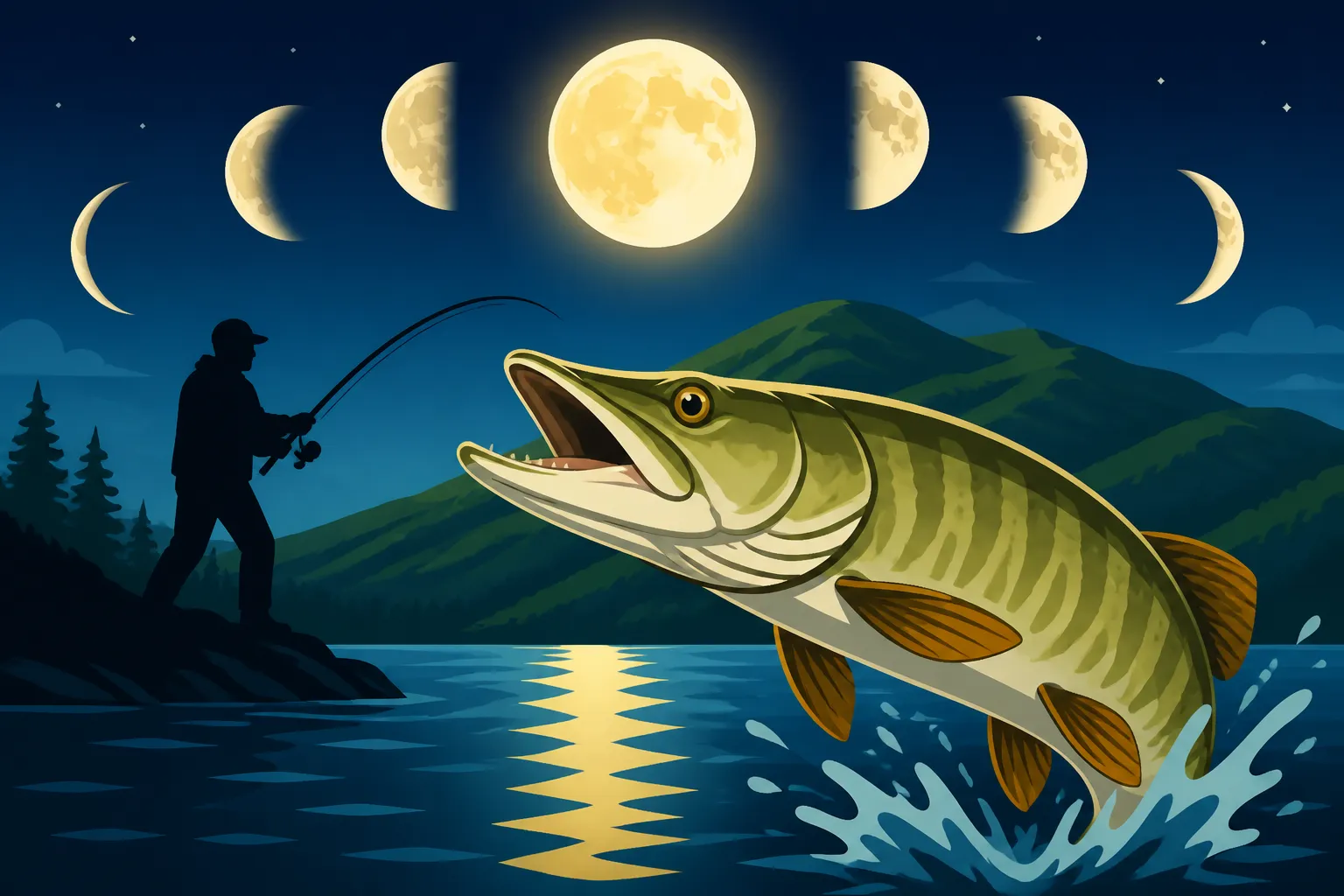
Now, let's talk about the specific moon phases and what they might mean for your muskie pursuits in West Virginia. It's not always black and white, and personal observations often vary, but there are some general tendencies worth considering.
The Power of the New Moon
The new moon phase, also known as the dark moon, is often considered one of the best times to target muskie. Why? Because the night sky is at its darkest, creating prime conditions for muskie, which are primarily ambush predators. The lack of ambient light during the night means muskie might feed more aggressively under the cover of darkness, leading to them being less active during daylight hours. However, many anglers also report increased activity during the day around the new moon because the muskie need to feed, and the entire cycle is heightened. This phase offers a natural advantage to the predator, making their camouflage even more effective. If you're planning your trip to chase Muskie Fishing in West Virginia, definitely mark the new moon on your calendar.
Full Moon Mania (or Myth?)
The full moon is where opinions really start to diverge among muskie anglers. On one hand, the bright moonlight illuminates the water at night, which could extend a muskie's feeding window well into the dark hours. Some believe this leads to more active night fishing, while others suggest that if muskie are feeding all night, they'll be less inclined to strike during the day.
- Pros of the Full Moon: Increased visibility for muskie at night, potentially leading to extended feeding periods. If you're into Night Fishing for Muskie in West Virginia, a full moon can be an interesting time to experiment.
- Cons of the Full Moon: Daytime activity might be reduced if muskie have been actively feeding throughout the night. They might be more lethargic or holding deeper. This doesn't mean you can't catch them, but it might require a more persistent or different approach, like focusing on deeper structures or slower presentations.
It's truly a mixed bag. Some anglers swear by the full moon, others swear at it. The key is to pay attention to other factors during this period and adjust your tactics accordingly.
Quarter Moons: Often Overlooked Opportunities
The quarter moon phases – both waxing (growing) and waning (shrinking) – are often overlooked in the intense focus on new and full moons. Yet, these transitional periods can offer consistent, if not spectacular, fishing. During these phases, the gravitational pull is less extreme than during the new or full moon, leading to more moderate solunar activity. This can translate to more predictable feeding windows.
- First Quarter Moon: This phase, where half the moon is lit, is characterized by increasing light. Many anglers report good, steady fishing as the moon's influence builds.
- Last Quarter Moon: As the moon wanes to half-light again, activity can still be strong. Muskie might be in a more consistent feeding pattern than during the extreme full moon phase.
Think of these quarter moon periods as "steady Eddies." They might not produce the legendary bites some attribute to the new moon, but they can offer reliable action, especially when combined with favorable weather and water conditions. Don't discount them when planning your West Virginia Fishing Seasons by Month for muskie.
Integrating Moon Phases into Your West Virginia Muskie Strategy
Okay, so you're tracking the moon. Now what? The real trick isn't just knowing when the moon phases are, but understanding how to combine that information with all the other variables unique to chasing muskie in West Virginia.
Combining Solunar with Other Factors
Remember, muskie don't live by the moon alone. Your most productive days will often be when favorable moon phases align with excellent environmental conditions. Imagine a new moon phase coinciding with stable barometric pressure, slightly rising water temperatures, and a light overcast day – that's a recipe for potential success on the water.
Consider this combination approach:
- Weather: A steady, mild overcast day is often fantastic for muskie, as it reduces harsh sunlight and makes them feel more secure. If this falls on a major solunar period during a new moon, you should absolutely be out there.
- Water Temperature: Optimal water temps for muskie often fall into the 60s Fahrenheit, but they can be caught outside this range. If the moon phase suggests high activity, but the water is too cold or too hot, adjust your expectations and tactics.
- Forage Activity: Observe the baitfish. If you see schools of shad or suckers actively moving, regardless of the moon, there's a good chance muskie are nearby and potentially feeding. Sometimes, the best solunar predictor is the activity of their food source.
- Pressure: Fishing pressure can also impact muskie behavior. On popular muskie waters, if everyone is hitting it during a "prime" moon phase, the fish might become more wary.
Always treat the moon phase as one important input among many. It's like having a good roadmap; it tells you where you could go, but you still need to pay attention to traffic and road conditions.
Best Times of Day During Peak Moon Phases
Even during a "good" moon phase, there are still better times within that day to focus your efforts. Here's a general guideline:
| Moon Phase | Prime Daytime Hours | Secondary Daytime Hours | Nighttime Considerations |
|---|---|---|---|
| New Moon | First light (dawn), major/minor solunar periods | Late morning, late afternoon | Dark nights mean muskie might feed aggressively then |
| First Quarter | Mid-morning, late afternoon/early evening | Major/minor solunar periods | Building light might extend some night activity |
| Full Moon | Dawn, early morning (before full brightness) | Major/minor solunar periods (can be hit or miss) | Very bright nights, muskie might feed more then, less during day |
| Last Quarter | Late morning, mid-afternoon, sunset | Major/minor solunar periods | Diminishing light might reduce extreme night activity |
Beyond this, always prioritize times when a solunar period overlaps with sunrise or sunset. These crepuscular periods are naturally high-activity times for predators. If a major solunar period hits right at dawn, you know where you need to be.
Muskie Regulations and Moon Phase Considerations
It's easy to get caught up in the excitement of predicting muskie activity, but never forget the bedrock of responsible angling: regulations. West Virginia has specific rules for muskie, including minimum length limits and daily creel limits. You can find detailed information in the West Virginia Fishing Regulations Explained or by looking up Muskie Regulations in West Virginia Waters. These regulations don't change based on moon phase, of course, but it's important to remember them when planning your trips, especially if you're hoping for a trophy muskie catch. For example, if you're fishing a body of water with special harvest rules, no moon phase prediction grants you an exemption. Always verify the current regulations before heading out.
Practical Tips for Moon-Phase Muskie Fishing in West Virginia
Let's get down to the brass tacks. How do you actually use this moon phase information when you're out on a West Virginia waterway, staring down the barrel of a potential muskie strike?
Gear and Lure Choices for Different Light Conditions
The moon phase, particularly how much light it provides (or doesn't provide), should influence your lure selection. Muskie are highly visual predators, and their ability to see your presentation is key.
- New Moon (Low Light):
- Lure Colors: Focus on darker colors or those with strong contrast. Black, purple, dark blue, or black-and-silver combinations can create a better silhouette against the water.
- Lure Action: Lures with strong vibration or noise can be highly effective when visibility is low. Large bucktails, deep-diving crankbaits that rattle, or noisy topwater lures (especially at dawn/dusk) are excellent choices.
- Scent: Consider adding muskie attractant scents to your lures. Every little edge helps when conditions are tough. You can find a wide array of options on Amazon for both soft plastics and hard baits.
- Full Moon (Bright Light):
- Lure Colors: Brighter, more natural baitfish patterns often work well. Chrome, silver, white, or natural perch and shad patterns. If fishing during the day after a bright night, muskie might be deeper, so try lures that get down to them.
- Lure Action: More subtle presentations can be effective. Gliders, soft plastics, or slower-moving crankbaits might tempt a less aggressive muskie. If they're holding deep, vertical jigging can also be a tactic.
- Transitional (Quarter Moons): A mix of approaches works well here. Start with natural patterns and if activity is slow, switch to brighter or darker options depending on cloud cover and water clarity.
Regardless of the moon phase, always ensure your Best Muskie Gear for West Virginia Rivers is in top shape, including sharp hooks and sturdy leaders. These fish will test your tackle!
Best West Virginia Waters for Applying Moon Phase Tactics
While moon phase theory can be applied anywhere, some West Virginia waters known for their muskie populations might offer more consistent results due to the sheer number of fish or specific characteristics.
- New River: This ancient river is legendary for its muskie. The New River's vastness and diverse structure mean muskie can hold in various depths and currents. Applying moon phase tactics here means focusing on known muskie haunts like eddies, current breaks, and deep pools, especially during peak solunar times. Learning How to Catch Muskie in West Virginia on the New River often involves understanding its unique flow.
- Little Kanawha River: Another excellent muskie fishery. This river might be a bit more intimate than the New River, making it easier to pinpoint specific spots. Moon phase activity could be particularly noticeable in its smaller stretches. You'll find specific details on Where to fish for muskie on the Little Kanawha River in other guides.
- Elk River: Known for its diverse fishery, including muskie. The Elk's characteristics can vary, from wider pools to narrower runs. Tailoring your moon phase strategy to the specific section of the Elk you're fishing is key.
- Summersville Lake & Stonewall Jackson Lake: These larger reservoirs also hold impressive muskie. Here, moon phases might influence whether muskie are shallower cruising weed lines or deeper over submerged timber. For example, knowing the Best Muskie Fishing on Stonewall Jackson Lake can help you focus your moon phase efforts.
Remember that muskie are spread throughout many West Virginia waterways. Knowing Where to Find Muskie in West Virginia is the first step, and then applying moon phase insights can help fine-tune your approach.
Tracking the Moon and Your Success
The absolute best way to determine if moon phases truly influence your muskie fishing in West Virginia is to keep a detailed log. Over time, you'll start to see patterns unique to your fishing style and preferred waters.
Here's what to track:
- Date and Time: Exact start and end times of your fishing trip.
- Moon Phase: Note the specific moon phase (new, full, quarter, crescent, etc.).
- Solunar Periods: Mark down the major and minor solunar times and if you fished during them.
- Weather Conditions: Temperature, cloud cover, wind, barometric pressure (rising, falling, stable).
- Water Conditions: Temperature, clarity, flow (for rivers).
- Lures Used: Type, color, size.
- Fish Caught/Strikes: Number of muskie caught, missed strikes, follow-ups. Note the time of day for each.
- Location: Specific spot, depth, structure.
Over a season or two, you'll accumulate invaluable data. You might find that for your local spots, the new moon truly is golden, or perhaps the full moon is surprisingly productive when combined with a specific weather pattern. Many fishing apps integrate solunar data, making it easy to track, or you can find dedicated fishing logbooks on Amazon to keep a physical record. This empirical evidence will be far more powerful than any generalized theory in helping you consistently catch more muskie in West Virginia.
Disclaimer
This article is for general informational purposes only and does not constitute professional advice. Laws, prices and regulations vary by location and change over time. Consult a qualified professional for guidance on your specific situation.