Is It Legal to Release a Muskie You Catch in West Virginia?
It's completely understandable to feel a pang of uncertainty when you land a magnificent muskie in West Virginia, especially with all the regulations floating around these days. You might be wondering if there are specific rules about releasing such a prized game fish, or if certain waters have different requirements. This guide is here to clear up any confusion and assure you that releasing your muskie in West Virginia is not just legal, but a vital part of conservation, and we'll cover exactly how to do it right.
Understanding West Virginia's Muskie Release Guidelines
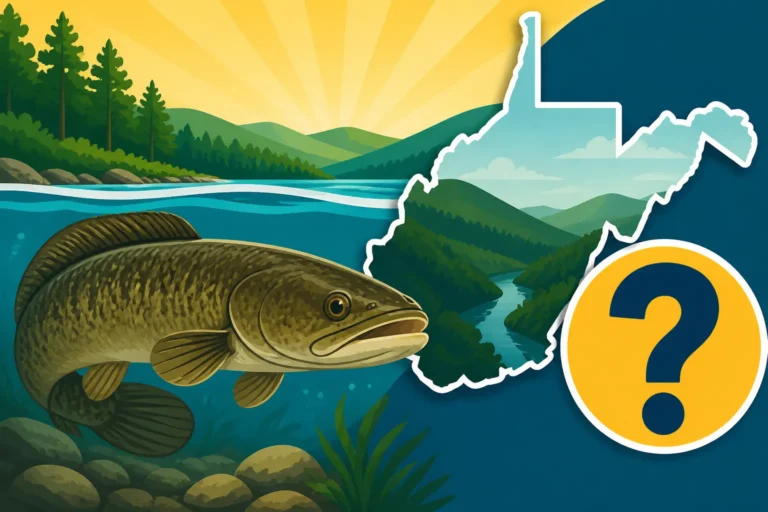
When you're out on the water in West Virginia, pursuing the elusive muskie, the moment you finally hook into one is often a culmination of patience, skill, and a little bit of luck. The good news is, for the vast majority of muskie caught in West Virginia waters, releasing them back into their habitat is not only legal but strongly encouraged. In fact, it's a cornerstone of the state's muskie management strategy to ensure these incredible fish continue to thrive for future generations of anglers.
The Legal Framework for Muskie Retention
Unlike some species that might have strict slot limits or required harvest numbers, muskie fishing in West Virginia largely operates under a strong catch-and-release ethos, especially for larger, trophy-sized fish. While there are statewide regulations regarding daily creel limits and minimum size requirements, these are generally designed to protect the breeding stock and allow fish to reach a mature size. Often, the minimum size is quite generous, meaning most anglers who successfully land a substantial muskie are already well within the size range that makes releasing it a sensible choice for conservation. It's always a good idea to consult the latest West Virginia Fishing Regulations Explained summary to be absolutely sure of current limits for muskie, as these can occasionally be updated. However, the general spirit remains the same: releasing a healthy muskie is a positive action for the fishery.
There aren't specific laws that mandate the release of muskie in West Virginia unless it's undersized or you've already met your daily creel limit. However, the culture among muskie anglers is heavily skewed towards releasing all but the most exceptional, once-in-a-lifetime trophy that might be destined for taxidermy (and even then, many opt for a replica mount to allow the fish to live). This isn't just a gentleman's agreement; it's born from a deep understanding of the species' slow growth rate and the difficulty in establishing robust populations.
Why Releasing Muskie is Encouraged
Muskellunge are often called "the fish of a thousand casts" for a reason. They're notoriously difficult to catch, and their populations are rarely as dense as, say, bass or panfish. They also take a significant amount of time to reach maturity and trophy sizes. A 40-inch muskie, for example, could be many years old, representing numerous spawning cycles and countless hours of growth. Every one of these mature fish is incredibly valuable to the genetic diversity and overall health of the muskie fishery.
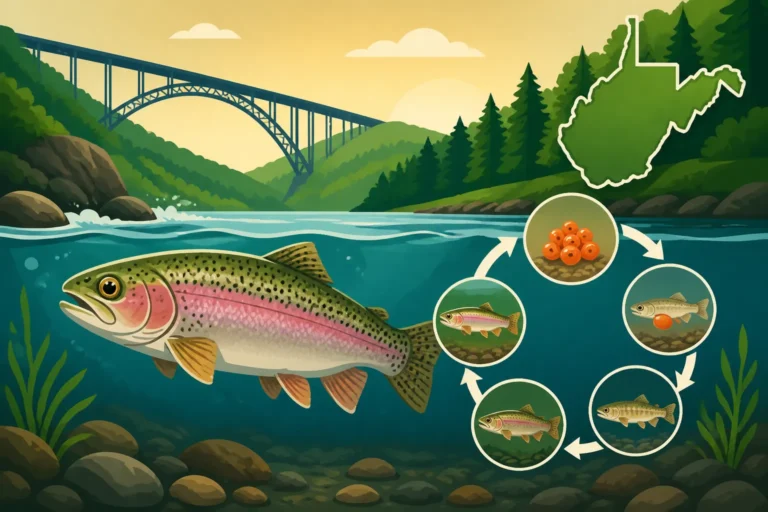
When an angler successfully releases a muskie, especially a large one, they're directly contributing to the sustainability of the population. This isn't just about ensuring there are more fish for you to catch next year; it's about preserving a challenging and rewarding fishing experience for everyone. The impact of a widespread catch-and-release ethic means that a trophy muskie can be caught and enjoyed by multiple anglers over its lifetime, rather than just one. This approach helps maintain stable Muskie Life Cycle and Growth Rate in West Virginia Waters and ensures that future generations can experience the thrill of chasing these apex predators.
The Ecological Importance of Catch and Release for Muskie
Catch and release isn't just a feel-good gesture; it's a critical management tool for species like the muskie. These fish occupy a unique and vital niche in their aquatic ecosystems, and understanding their ecological role helps highlight why their conservation through careful release is so important.
Muskie's Role as an Apex Predator
In many West Virginia waterways, muskie sit at the very top of the food chain. They are apex predators, meaning they have few natural enemies once they reach a certain size. This position makes them incredibly important for maintaining balance within their ecosystem. Muskie help control populations of other fish species, keeping them healthy by preying on the weak, sick, or overpopulated. Without these top predators, prey fish populations can become unbalanced, leading to resource depletion and a less healthy overall fishery.
Consider a lake where muskie populations are struggling. You might see an explosion in numbers of smaller forage fish, which could then overgraze aquatic vegetation or outcompete other desirable species like bass or walleye for food resources. The muskie acts as a natural regulator, a kind of aquatic shepherd, ensuring that no single species dominates to the detriment of others. This delicate balance is part of why their slow Muskie Growth Rate to Trophy Size and elusive nature make every successful release so valuable. Muskie Fishing in West Virginia often focuses on these top predators because they indicate a healthy and diverse aquatic environment.
Slow Growth and Vulnerable Populations
One of the biggest reasons for the emphasis on muskie catch and release is their inherently slow growth rate and relatively low population density compared to many other game fish. Unlike trout, which are often heavily stocked and have shorter lifespans, muskie can live for many years, sometimes decades, to reach impressive sizes. This longevity means that each individual fish represents a significant investment of time and resources within the ecosystem.
If too many muskie are harvested, it takes a very long time for the population to recover. A single large female muskie can lay hundreds of thousands of eggs, but only a tiny fraction of those will ever survive to adulthood. This natural vulnerability is compounded by fishing pressure. By practicing catch and release, anglers help ensure that mature fish, especially the larger females, can continue to spawn and contribute to the next generation, thereby safeguarding the long-term health of the muskie fishery in West Virginia.
Mastering Muskie Catch and Release Techniques
Releasing a muskie isn't as simple as just unhooking it and tossing it back. These are powerful fish with sharp teeth and a delicate physiology. Proper handling is crucial to ensure the fish has the best possible chance of survival and can resume its life in the water.
Essential Gear for Safe Release
Before you even cast a line for muskie, you need to be equipped with the right tools for a safe and efficient release. This isn't optional; it's fundamental. First and foremost, a large, knotless, rubber-coated landing net is indispensable. These nets are much gentler on the fish's slime coat and fins than traditional nylon nets, and their rubber coating prevents hooks from tangling, which can cause significant delays and stress for the fish. Many quality options are available online, and you can easily find a suitable one on platforms like Amazon.
Next, you'll need specialized pliers or jaw spreaders. Long-nosed pliers, ideally 11-12 inches, are critical for safely reaching hooks deep in a muskie's mouth without putting your fingers near those formidable teeth. Jaw spreaders are also incredibly helpful for keeping the mouth open, allowing clear access to hooks. A good pair of bolt cutters or heavy-duty wire cutters is also a smart addition for situations where a hook is too deeply embedded or difficult to remove, allowing you to simply cut the hook and leave the shank in the fish, which is often less traumatic than trying to dig it out. These tools, too, are readily available on Amazon and are a small investment for the health of the fish and your safety. Best Muskie Gear for West Virginia Rivers will always include these items.
Minimizing Stress and Handling Time
The key to a successful release is to minimize the amount of time the fish spends out of the water and to handle it as gently as possible. When you land a muskie, try to keep it in the net, in the water, as much as you can while preparing for the release. If you must bring it into the boat, lay it gently on a padded, wet surface. Avoid placing it directly on hot, dry boat surfaces, which can strip its protective slime coat and lead to infection.
Here's a quick guide to best practices:
| Action | Do | Don't |
|---|---|---|
| Landing | Use a large, knotless, rubberized net. Keep fish in water. | Use small, knotted nets. Drag fish onto dry surfaces. |
| Handling | Use specialized tools (long pliers, jaw spreaders). Support body horizontally. Keep hands wet. | Touch gills or eyes. Hold vertically by head or tail. Squeeze body. |
| Hook Removal | Work quickly and efficiently while fish is calm. Cut hooks if necessary. | Yank hooks forcefully. Prolong the process. |
| Photography | Get quick, prepared shots. Support fish with two hands (one under gill plate, one under belly). | Hold fish by the lower jaw only. Hold fish high in the air for long periods. |
| Revival | Cradle fish in water, facing current. Move gently side-to-side if needed. | Throw fish back into water. Release before it shows signs of strength. |
After removing the hooks, if you decide to take a quick photo, ensure the fish is fully supported horizontally with two hands – one under the belly and one firmly grasping the gill plate (but never inside the gills themselves). Keep the fish low over the water, ready to be returned quickly. Remember, a muskie's weight can put immense stress on its internal organs if held improperly, especially vertically.
The Revival Process
Once the hooks are out and any quick photos are taken, it's time for revival. This is perhaps the most critical step. Gently place the muskie back into the water, holding it upright by the tail and supporting its belly. Point its head into a gentle current if possible, or move it slowly back and forth to force water over its gills. This helps to re-oxygenate its blood and get its respiratory system working properly again.
You'll feel the fish start to revive, often with a gentle kick or a strong pull. Don't release it until it's ready to swim off on its own power. Sometimes, a muskie might take several minutes to fully recover, especially after a long fight or in warm water. Be patient. When it gives a strong tail kick and tries to swim from your grasp, that's your cue. Watching a muskie swim strongly away is one of the most rewarding parts of Muskie catch and release survival tips.
Beyond the Release: Muskie Conservation in West Virginia
Our responsibility to these magnificent fish doesn't end with a successful release. True conservation involves understanding the broader picture of muskie management and participating in efforts that ensure their future.
Regulations and Conservation Efforts
West Virginia's Division of Natural Resources (DNR) plays a crucial role in managing muskie populations. They conduct research, monitor fish health, and enforce regulations like the Muskie Regulations in West Virginia Waters to protect the species. These regulations often include specific size limits and creel limits, which, when adhered to by anglers, directly contribute to conservation goals. For example, if the DNR determines that a certain body of water needs extra protection for its muskie population, they might implement stricter rules.
It's important for anglers to be aware of these regulations and to respect them, as they are based on scientific data aimed at preserving the fishery. Beyond just legal compliance, actively supporting conservation groups that focus on muskie habitat restoration or research can make a significant difference. Every muskie angler benefits from healthy populations, so contributing to their well-being is a shared responsibility.
Understanding Muskie Habitat and Behavior
Knowing where muskie live and what they prefer is another layer of conservation. Muskie thrive in specific environments, often preferring areas with abundant forage, submerged structure like fallen trees or weed beds, and areas with good current. Places like the New River Gorge, the Elk River, and the Little Kanawha are renowned for their muskie populations, and understanding why these areas are productive helps us appreciate the complexity of their needs. You can learn more about specific locations in Best Muskie Waters in West Virginia.
By understanding muskie behavior, such as their feeding patterns, spawning habits, and seasonal movements, anglers can fish more responsibly. For instance, avoiding targeting muskie during their spawning season (typically spring, though specific dates can vary) in sensitive areas can help minimize stress on breeding fish. Awareness of water temperature is also vital, especially for catch and release; muskie are more susceptible to stress and mortality in warmer waters, making proper handling even more critical during summer months.
Engaging with the muskie fishing community, sharing knowledge, and encouraging responsible practices among fellow anglers all contribute to a stronger conservation ethic. Every angler has a role to play in protecting these incredible fish, ensuring that the thrill of hooking a West Virginia muskie remains a possibility for generations to come.
Disclaimer
This article is for general informational purposes only and does not constitute professional advice. Laws, prices and regulations vary by location and change over time. Consult a qualified professional for guidance on your specific situation.