Best jerkbait color for early spring bass
Oh, early spring bass fishing! It's a time of year that gets every angler in West Virginia buzzing, but let's be honest, it can also be incredibly frustrating. The bass are starting to wake up from their winter slumber, but they're still sluggish, the water is cold, and choosing the right lure can feel like a guessing game. One day they're hitting everything, the next they're ignoring your best offerings. This guide is all about cutting through that confusion, specifically when it comes to picking the absolute best jerkbait colors to entice those cold-water bass in our beautiful Mountain State. We’ll dive deep into why certain hues outperform others when the water temperatures are still on the chilly side.
The Early Spring Bass Mindset and West Virginia Waters
Spring in West Virginia is a season of transition, and our bass are right there with it. They're moving from deep wintering holes to shallower staging areas, gearing up for the spawn. This movement, combined with unpredictable weather and water conditions, makes them a unique challenge. Your jerkbait color choice needs to reflect not just what they might want to eat, but what they can see and are willing to chase.
Understanding Cold Water Bass Behavior
When the water temperatures are hovering in the 40s and low 50s, bass aren't going to chase down a fast-moving meal. Their metabolism is still slowed down, and they're conserving energy. This means they're looking for an easy target, something that looks injured or disoriented. A jerkbait's ability to suspend motionlessly in the water, mimicking a dying baitfish, is precisely why it's so effective. The goal isn't necessarily a hard, aggressive strike, but often a reaction strike or a curious investigation that leads to a bite.
Think about it: after a long, cold winter, these fish are beginning to feel the urge to feed more consistently, but they're not quite in full-on aggressive mode yet. They're staging in those transitional zones, often near points, humps, or channel swings that offer quick access to both deep water safety and shallower foraging grounds. The waters of Stonewall Jackson Lake or Summersville Lake, for instance, can hold bass that are extremely sensitive to pressure changes and water temperature fluctuations. Best Water Temperature for Smallmouth Bass Fishing can tell you more about what temperatures really get them going.
Water Clarity is King
West Virginia's diverse waterways, from the mountain streams feeding into the New River to the sprawling reservoirs, present a huge range of water clarity. In early spring, this can be particularly variable. You might have crystal-clear conditions on a sunny, calm day in a highland lake, only for it to turn muddy and stained after a heavy spring rain in one of our larger river systems like the Kanawha or the Ohio. This dramatically impacts how visible your lure is and, therefore, what color bass are most likely to react to.
Consider the clarity through the lens of a bass. In clear water, they can see fine details and might be more wary of unnatural presentations. Here, subtlety is often key. But in stained or muddy water, those fine details disappear, and the fish rely more on silhouette and vibration. This is where bright, contrasting colors or even glow-in-the-dark options (though less common for jerkbaits) can make a huge difference, making your lure stand out in the murk. Factors like snowmelt runoff or spring rains can quickly change conditions, so always pay attention to the water you're fishing.
Decoding Jerkbait Colors for Optimal Performance
Choosing a jerkbait color isn't just about what looks good to us; it's about what looks good to a bass under specific conditions. In early spring, with cold water and often finicky fish, selecting the right hue can make or break your day.
Natural & Transparent Patterns
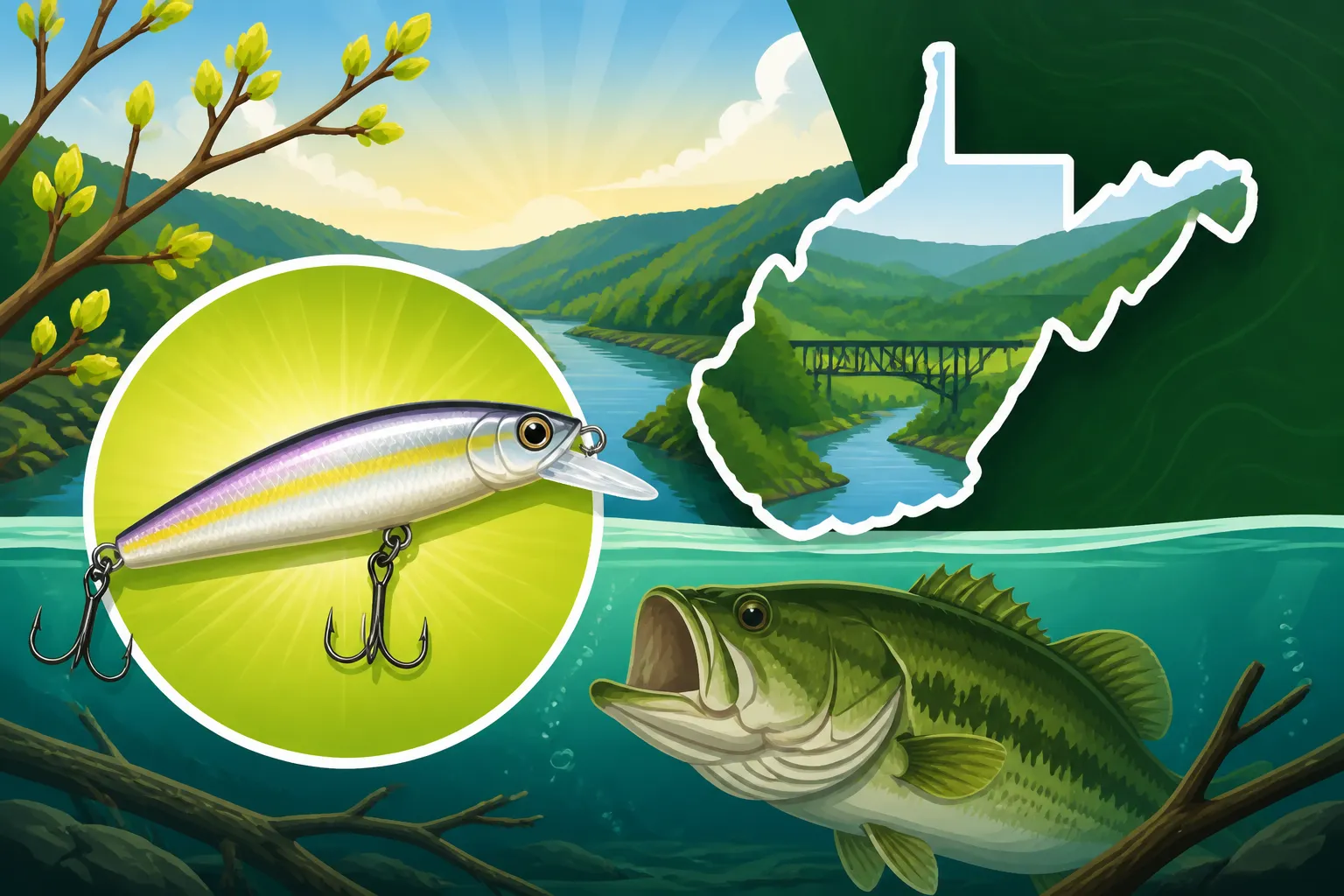
When West Virginia's waters are still cold and running clear, subtlety is often your best friend. This is where natural and transparent jerkbait patterns truly shine. Colors like "Ghost Minnow," "Pro Blue," "Clear," "Smelt," or "Alewife" are designed to mimic common baitfish species found in our lakes and rivers without being overly flashy or aggressive. Imagine a suspending jerkbait in a translucent finish, barely visible as it hangs motionless in the water column. It looks exactly like a dying or disoriented baitfish, struggling to stay upright. This is a prime target for a lethargic bass.
These colors are especially effective in our clearer reservoirs or even in some sections of the New River before heavy spring rains kick up the sediment. Bass in these conditions often have excellent visibility and can scrutinize your lure. A transparent or natural baitfish pattern appears less threatening and more realistic, triggering a predatory instinct without alarming the fish. It's about presentation and realism, giving the bass ample time to examine the lure during those crucial pauses. Bass Pro Shops often carries a wide array of these more subdued, natural patterns in their jerkbait selection, making it easy to find what you need.
Opaque & High-Contrast Options
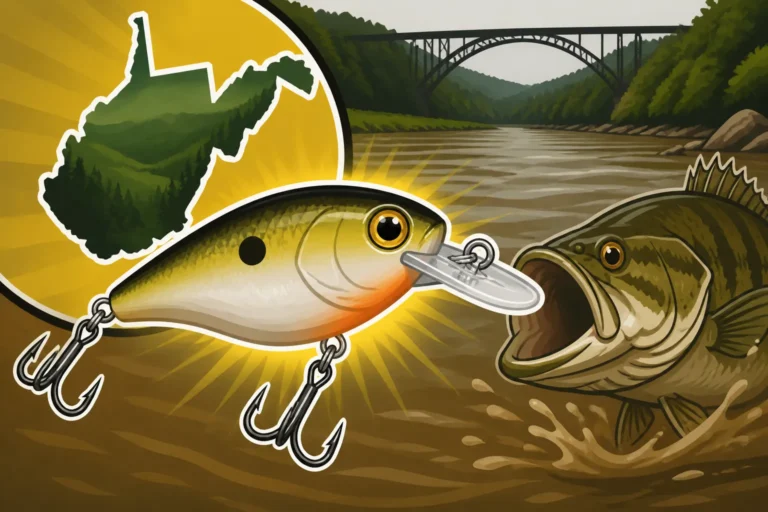
Now, flip the coin. What happens when our beautiful West Virginia waters turn stained, murky, or muddy after a good spring storm? Or when the sky is heavily overcast, reducing light penetration? That's when you need to go for something that screams, "Here I am!" Opaque and high-contrast jerkbait colors become your secret weapon. Think "Fire Tiger," "Chartreuse," "Bone," "Hot Perch," or "Orange Belly." These colors don't necessarily aim for realism; they aim for visibility and reaction.
In low-visibility conditions, bass rely less on sight and more on their lateral line to detect vibrations and movement. However, if they can see a strong silhouette or a vibrant color pop, it often triggers an aggressive response. The contrast between bright colors (like chartreuse or orange) and darker backs (like black or dark green) creates a strong profile that stands out in cloudy water. These aren't just for attracting attention; they can induce pure reaction strikes from bass that might otherwise ignore a more subtle offering. When fishing conditions get tough and muddy, don't be afraid to go bold; it might just be the ticket to finding those active fish. Best Lure Color for Muddy Water Bass Fishing delves deeper into these tactics.
The Flash Factor: Chrome, Gold, and Metallics
Sometimes, you need to catch a bass's eye from a distance, or when they're positioned in deeper water but looking up. That's where jerkbaits with a strong "flash factor" come into play. Chrome, gold, silver, and other metallic finishes can reflect light beautifully, creating a flickering, darting motion that mimics a frantic or injured baitfish. This is particularly effective on bright, sunny days when the sun can really make these finishes pop, or in slightly dingier water where the flash can cut through the haze.
These metallic colors can be especially potent when bass are scattered or when you're trying to cover a lot of water to find active schools. The flash acts as an attention grabber, drawing fish in from further away than a subtle pattern might. Many jerkbaits combine a metallic side with a colored back or belly, offering both flash and a distinct profile. For instance, a chrome/blue back might excel in clear, sunny conditions on a lake like Tygart or Burnsville, while a gold/black back could be more effective on a slightly overcast day with a bit of stain in the water. It’s all about maximizing your lure's presence in the water column.
Matching Color to Conditions: A West Virginia Angler's Guide
Successfully choosing a jerkbait color in early spring often boils down to being a good detective on the water. You need to read the conditions and understand what the bass are likely seeing, or not seeing, beneath the surface.
Sunny Skies and Clear Water Strategies
When you wake up to a crisp West Virginia morning with bluebird skies and gin-clear water, especially in lakes like Cheat Lake or the upper reaches of our clean mountain rivers, your jerkbait color strategy needs to be subtle and realistic. Bass in these conditions can be easily spooked by overly aggressive presentations or unnatural colors. They have ample light to scrutinize your lure.
- Go Translucent or Natural: Opt for colors like "Ghost Minnow," "Clear," "Smelt," or "Pro Blue." These mimic natural baitfish that are common in our waters without screaming "lure!" The translucency allows light to pass through, making the lure blend in more naturally.
- Subtle Flash: If you want a little flash, choose a chrome or silver bait with a clear or natural back, like a "Chrome/Blue Back" or "Silver Sides/Black Back." The flash will be present but not overpowering, mimicking the natural shimmer of scales.
- Matching Forage: Pay attention to the local baitfish. If you see schools of small shad or minnows, try to match their size and coloration as closely as possible. Often, these natural patterns will have a hint of pearl or subtle iridescence to them.
These conditions demand a patient approach. Make longer casts, work your bait with longer pauses, and let the realism of the color do its work. Often, the bass will just swim up and "suck" the bait in rather than an aggressive strike.
Overcast Days and Stained Water Tactics
Early spring often brings those classic gray, overcast days and, with them, the potential for stained or muddy water, especially in our larger river systems like the Ohio River or the lower Kanawha after significant rainfall. These conditions dramatically reduce light penetration and visibility, requiring a completely different approach to jerkbait color.
- High Contrast is Key: Reach for colors that stand out. "Fire Tiger," "Chartreuse," "Orange Belly," "Hot Perch," and "Bone" are fantastic choices. The stark contrast in these patterns helps the bass pick up the lure's silhouette against the murky background.
- Opaque Finishes: Forget translucence here. You want solid, opaque colors that create a distinct profile. A solid white or bone jerkbait can be surprisingly effective in muddy water because it provides maximum contrast.
- Vibrant Belly Colors: Sometimes, the flash and contrast of a vibrant belly (like orange or red) can be enough to draw attention, especially if the bass are looking up from below.
In these conditions, you might find that varying your retrieve speed or pauses doesn't matter as much as simply getting the bass's attention. The goal is to make your lure as visible as possible in the low-light, stained water. A good example of this is fishing a river like the Monongahela after a good rain; you'll want something that truly pops. West Virginia Black Bass Limits and the New River Slot Limit details where you might encounter such conditions.
Mimicking Local Forage
Beyond general water clarity and light, the specific prey species available to bass in West Virginia plays a crucial role in color selection. If you can "match the hatch," so to speak, you're one step closer to success. Our state's waters are home to a variety of baitfish and crustaceans that bass love to feast on.
- Crawfish Patterns: Crawfish are a staple in a bass's diet, especially in rocky river systems like the New River or sections of the Greenbrier. Jerkbaits with browns, oranges, and reds, sometimes with a dark barred pattern, can perfectly imitate these crustaceans. Even if they don't look exactly like a crawfish, the colors are often interpreted as a meal.
- Shad and Alewife Imitations: Many of our larger reservoirs, like Summersville Lake or Bluestone Lake, have healthy populations of shad and alewives. These are typically silver-sided with darker backs (blue, black, or green). Jerkbaits in "Chrome/Blue," "Silver Shiner," or "Pearl White" with a hint of gray or black on the back are excellent choices.
- Perch and Panfish Patterns: In lakes where perch or various panfish are abundant, a "Perch" or "Bluegill" patterned jerkbait can be incredibly effective. These often feature green, yellow, orange, and black bars, mimicking the natural patterns of these smaller fish.
Knowing what baitfish are prevalent in the specific West Virginia lake or river you're fishing can give you a significant advantage. This information often comes from local tackle shops or online resources. How to Catch Largemouth Bass in West Virginia and How to Catch Smallmouth Bass in West Virginia Rivers provide more insights into bass diets. You can find a fantastic selection of jerkbaits designed to imitate various forage on platforms like Amazon, making it easy to stock your tackle box for any situation.
| Condition | Water Clarity | Light Conditions | Recommended Jerkbait Colors | Why It Works |
|---|---|---|---|---|
| Bluebird Skies | Clear | Bright Sun | Ghost Minnow, Clear, Pro Blue, Smelt, Silver Shiner, Chrome/Blue Back | Subtle, realistic, natural flash, doesn't spook wary bass. |
| Overcast & Calm | Clear to Lightly Stained | Low Light | Pro Blue, Natural Shad, Pearl White, Light Perch, Gold Shiner | Realistic with a bit more presence in muted light. |
| Cloudy & Stained | Stained to Muddy | Low Light | Fire Tiger, Chartreuse, Bone, Hot Perch, Orange Belly | High contrast, strong silhouette, calls fish from distance. |
| Sunny & Stained | Stained | Bright Sun | Chrome/Black Back, Gold/Orange Belly, Fire Tiger, Chartreuse | Combines flash with strong contrast to cut through stain. |
| Mimicking Crawfish | Any | Any | Red Craw, Brown Craw, Orange Belly/Dark Back | Looks like a common, high-protein meal. |
Jerkbait Types and Presentation Tips for West Virginia Bass
Even the perfect color won't catch fish if the lure isn't presented correctly. In early spring, your retrieve speed, pause duration, and even the type of jerkbait you choose are just as critical as the color.
Suspending Jerkbaits for Cold Water
When we talk about early spring jerkbait fishing, we're almost exclusively talking about suspending jerkbaits. This isn't just a preference; it's a necessity in cold water. Floating jerkbaits rise to the surface too quickly during pauses, while sinking jerkbaits fall. A suspending jerkbait, on the other hand, stays at the depth you worked it to, hanging tantalizingly still during the pause. This pause is the magic trick in cold water.
Imagine a bass sitting low in the water column, sluggish and not wanting to exert too much energy. A traditional retrieve might zip a lure past it too quickly. But a suspending jerkbait, worked down to depth and then allowed to hang, appears as an easy meal. This motionless presentation, sometimes for 5, 10, even 15 seconds, often triggers the bite. The bass has ample time to approach, inspect, and then commit to the lure. In West Virginia, where water temps can hover in the low 50s for extended periods in early spring, this technique is paramount. When choosing a suspending jerkbait, consider models that have a reputation for true suspension, like those from popular brands that often boast precise weighting for optimal hang time.
Mastering the Pause and Twitch
The retrieve for a jerkbait in early spring is less about speed and more about rhythm and pauses. It's often referred to as a "twitch, twitch, pause" retrieve, but the duration of that pause is what really differentiates cold-water success.
- The Twitch: Start with a few sharp, downward rod twitches to get the bait moving and diving. This creates the erratic, darting action that mimics a struggling baitfish.
- The Pause: This is where you count. In cold water, those pauses need to be long. Start with a 3-5 second pause, but don't be afraid to extend it to 10-15 seconds, especially in clear water or when the fish are particularly lethargic. Often, the strike will come on the pause or just as you initiate the next twitch.
- Vary the Rhythm: Don't get stuck on one cadence. Experiment. Sometimes it's a "twitch, twitch, twitch, pause," other times it's a single "twitch, pause." The goal is to find what triggers the fish on that particular day. Conditions like How to Catch Bass During a Cold Front in West Virginia emphasize these slow, deliberate presentations.
The action you impart with your rod tip, combined with the suspending nature of the lure, is what truly sells the color you've chosen. A perfectly colored bait that's moving too fast won't get bit, just like a poorly colored bait with a perfect retrieve might not either. It's the synergy that counts.
Where to Find Your Perfect Jerkbaits
When you're ready to stock up on these critical early spring lures, you have plenty of options. Local tackle shops in West Virginia are always a great place to start; they often know what's biting and what colors are performing best in your specific region. However, for a broader selection and convenience, larger retailers and online marketplaces are fantastic resources.
You can often find an incredible variety of jerkbaits, in every color imaginable, at places like Bass Pro Shops. They carry numerous brands and models, ensuring you can find the perfect suspending jerkbait for those cold-water bass. Similarly, online platforms such as Amazon provide an exhaustive selection from countless manufacturers, often with detailed descriptions and reviews that can help you narrow down your choices. Just be sure to read carefully to confirm you're getting a suspending jerkbait, as some are floating or sinking. Having a diverse selection of colors and sizes, from natural to high-contrast, will prepare you for whatever conditions West Virginia's early spring fishing throws your way. Best Fishing Lakes in West Virginia and Best Bass Fishing Spots in West Virginia are great places to try out your new lures!
Disclaimer
This article is for general informational purposes only and does not constitute professional advice. Laws, prices and regulations vary by location and change over time. Consult a qualified professional for guidance on your specific situation.