Glade Creek fishing access on the New River
It's incredibly frustrating when you're looking for that perfect, serene fishing spot along the New River, a place that promises solitude and incredible angling but feels impossible to find or access. Many popular spots get crowded, leaving you wondering if there’s still a true wild West Virginia experience to be had. This guide is designed to cut through that confusion, giving you all the details you need to successfully navigate and fish Glade Creek access on the New River, truly one of the area's best-kept secrets for a rewarding day on the water.
Why Glade Creek Stands Out for New River Anglers
Glade Creek isn't just another tributary; it's a gateway to some of the most authentic and untouched fishing experiences within the New River Gorge National Park and Preserve. What makes this area so special is its unique blend of accessibility and rugged, wild beauty. You're not just casting a line here; you're immersing yourself in a truly iconic West Virginia landscape, far from the hustle and bustle.
The Allure of Wild and Scenic Beauty
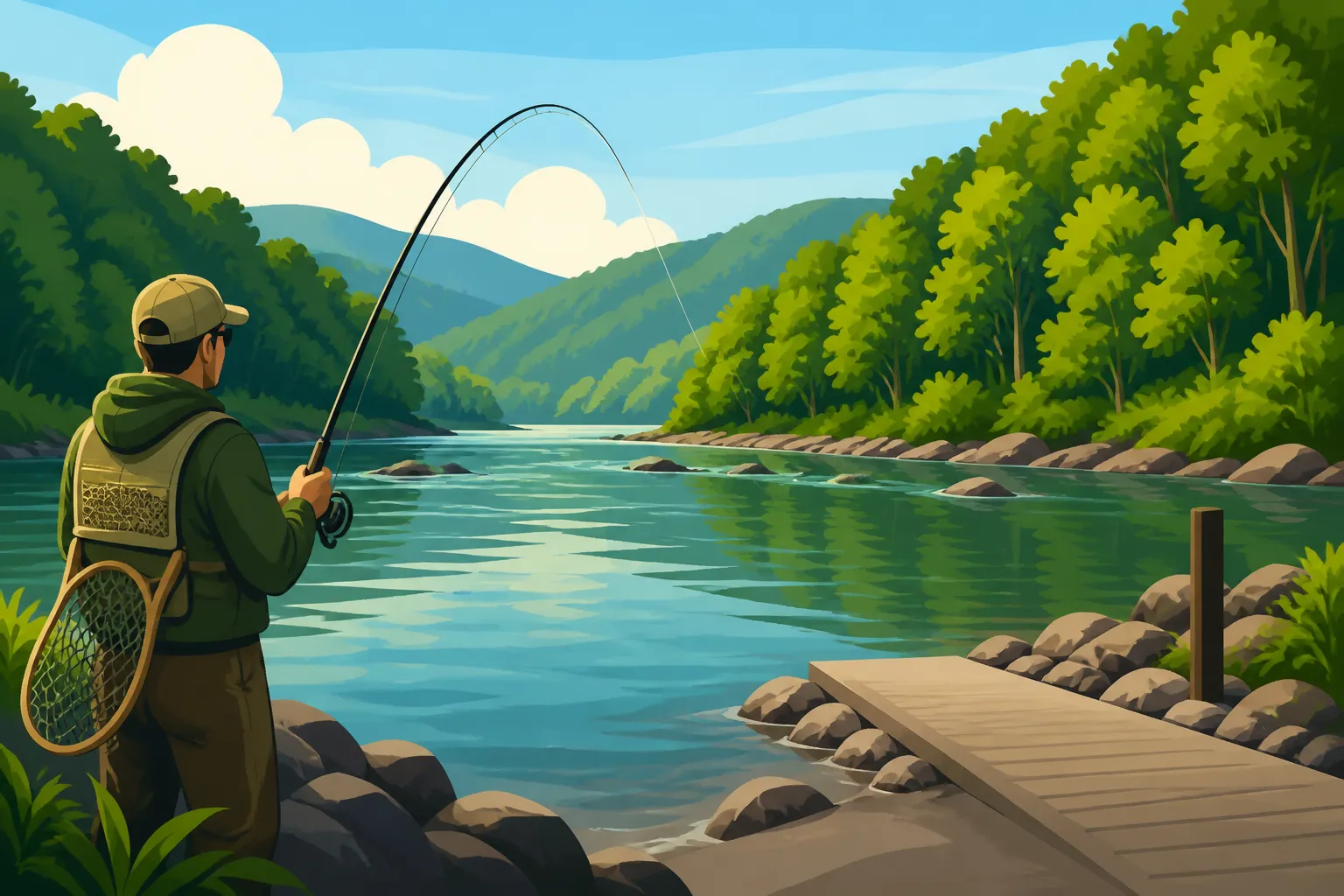
When you step out of your vehicle at Glade Creek, you're immediately struck by the sheer wildness of the place. The creek itself tumbles through a dense forest, cascading over rocks and creating deep, clear pools before emptying into the mighty New River. The sound of rushing water, the scent of damp earth and rhododendrons, and the towering cliffs of the gorge create an atmosphere of pure tranquility. It’s a far cry from the more developed access points, offering a genuine sense of escape.
This untouched feel is what draws many experienced anglers looking to connect with nature, beyond just catching fish. You'll often find yourself alone or with just a few other respectful outdoor enthusiasts, allowing you to truly soak in the natural splendor. The steep, forested hillsides and the feeling of being nestled deep within the ancient river gorge provide a backdrop that enhances every cast, every wade, and every moment spent on the water. It’s an experience that nourishes the soul as much as it excites the angler.
Species Diversity and Fishing Potential
Glade Creek, and its confluence with the New River, offers an impressive array of target species, making it a versatile spot for various fishing preferences. While the New River itself is world-renowned for its incredible Smallmouth Bass Fishing in West Virginia, the cooler waters of Glade Creek also support trout, especially during certain times of the year, adding another layer of opportunity.
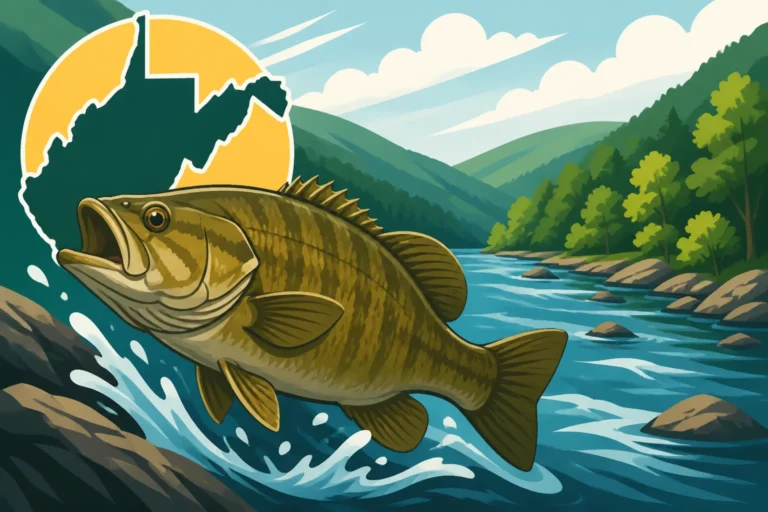
Smallmouth bass are, without a doubt, the stars of the show here. They thrive in the rocky, oxygenated waters of the New River, and the convergence with Glade Creek often creates ideal ambush points for these aggressive fighters. You'll find them holding in the eddies, behind submerged boulders, and along current seams where the creek water meets the river. Beyond smallmouth, you might also encounter occasional muskie in the New River, especially at the mouth of Glade Creek, drawn by the baitfish concentrated in the area. For those who enjoy wading smaller waters, the upper reaches of Glade Creek itself can hold native brook trout or stocked rainbows, depending on the season and specific regulations. This diverse ecosystem truly allows for a varied and exciting fishing day, whether you're targeting hard-fighting river smallmouth or delicate stream trout.
Getting to Glade Creek: Access Points and Navigation Tips
Reaching Glade Creek requires a bit of planning, but the journey itself is part of the adventure. It’s not as straightforward as pulling off a major highway, which is precisely why it maintains its secluded charm. Understanding the specific roads and conditions is key to a stress-free trip.
Driving Directions and Parking Realities
The primary access to Glade Creek is typically via the Glade Creek Road, which branches off Route 19 south of Beckley, near the Babcock State Park area. Be forewarned: this isn't your average paved highway. Glade Creek Road is often a narrow, winding, gravel road that can be rough in spots, especially after heavy rains. It's generally passable for most vehicles, but a high-clearance vehicle is recommended, and four-wheel drive might be appreciated in adverse conditions. Always check local weather and road conditions before heading out, particularly in spring or late fall.
Once you’re on Glade Creek Road, you’ll follow it for several miles, eventually passing the Glade Creek Campground (which is a primitive camping area, great for multi-day trips) and various trailheads. There are a few small, informal parking areas along the road where you can pull off and access the creek or hiking trails that lead to the New River. These spots can fill up quickly on busy weekends, so an early start is always a good idea. Remember, you're in a National Park and Preserve, so parking outside designated areas can lead to fines. Look for clear pull-offs where others have parked responsibly, and always ensure you're not blocking any gates or roads.
On-Foot Access and Trail Considerations
From the various parking areas along Glade Creek Road, accessing the actual fishing spots means you'll be doing some walking. Several trails parallel or cross Glade Creek, eventually leading down to its confluence with the New River. The most prominent is the Glade Creek Trail, an old railroad grade that follows the creek all the way to the New River, offering relatively flat and easy walking. However, depending on where you park and where you want to fish, you might encounter more rugged, less maintained paths.
Wearing appropriate footwear is crucial—sturdy hiking boots with good ankle support are a must, especially if you plan to venture off the main trail or navigate slippery, moss-covered rocks near the water. Bringing a backpack with water, snacks, and any essential gear will also make the hike more comfortable. Remember that what goes down must come back up, and while the Glade Creek Trail itself is mostly flat, fishing the New River from this access point often involves some scrambling over rocks and navigating uneven terrain along the riverbanks. It’s always a good idea to scout the area on foot before you commit to a long day of fishing, especially if you're unfamiliar with the specific access points.
Essential Gear and Techniques for Glade Creek
Having the right equipment and a basic understanding of how to approach these waters will significantly increase your chances of success and enjoyment. Glade Creek and the New River demand a thoughtful approach to tackle and technique.
Rods, Reels, and Line for River Fishing
For the smallmouth bass that dominate the New River, a versatile medium-light to medium power spinning rod, around 6'6" to 7' in length, is generally ideal. This length provides good casting distance without being unwieldy in brushy riverbank situations. Pair this with a reliable 2500 or 3000 series spinning reel, spooled with 10-15 lb braided line. Braid offers incredible sensitivity for detecting subtle bites in current and provides the backbone needed to pull fish away from submerged structure.
Crucially, always tie on a fluorocarbon leader, typically 6-8 lb test, directly to your braided mainline. This leader (anywhere from 3 to 6 feet long) is nearly invisible underwater, which is a huge advantage in the clear waters of the New River, and it offers excellent abrasion resistance against the sharp rocks you’ll inevitably encounter. For those looking to target the occasional muskie, a heavier setup—a stout baitcasting rod (7’ to 8’ heavy power) with a high-capacity baitcasting reel and 50-80 lb braided line, paired with a heavy fluorocarbon or wire leader—would be necessary, though most anglers at Glade Creek will be focused on smallmouth. If you're planning to target trout within Glade Creek itself, a lighter spinning setup (ultralight to light power, 4-6 lb mono or fluoro) or a 3-5 weight fly rod would be more appropriate.
Lure and Bait Selection for Success
Smallmouth bass in the New River are opportunistic feeders, often keying in on crawfish and various baitfish. Therefore, your lure selection should mimic these natural food sources. Here’s a quick rundown of what usually works:
| Lure Type | Best Conditions / Target | Key Characteristics |
|---|---|---|
| Soft Plastics | Versatile, year-round | Tubes, creature baits (crawfish imitations), senkos |
| Jigs | Bottom fishing, deeper pools | Football jigs, swim jigs (green pumpkin, black/blue) |
| Crankbaits | Covering water, active fish | Squarebills, medium divers (crawfish, shad patterns) |
| Topwater | Dawn/Dusk, active surface bite | Poppers, walking baits (chuggers, buzzbaits) |
| Spinnerbaits | Current, stained water | Tandem blade, chartreuse/white |
For soft plastics, 3-4 inch tubes in green pumpkin or watermelon colors are deadly when fished on a 1/8 to 1/4 oz jig head, hopped and dragged along the bottom. Small crankbaits that dive 3-6 feet, mimicking crawfish, are also highly effective, especially when bounced off rocks. In low light or when fish are active on the surface, topwater lures like poppers or walking baits can provide exhilarating strikes. You can find more specific recommendations for Best Baits for Smallmouth Bass on the New River in our detailed guide. If you’re targeting trout in Glade Creek, small inline spinners (like Panther Martins or Mepps), tiny jigs, or classic trout baits like PowerBait and worms are usually productive. For fly anglers, popular patterns include various nymphs (Prince Nymph, Hare's Ear), streamers (Woolly Bugger), and dry flies (Elk Hair Caddis, stimulators) depending on the hatch and conditions, which you can learn more about in our guide to Fly Fishing for Trout in West Virginia.
Wading and Safety in the New River Gorge
Wading the New River, even in seemingly calm areas, demands respect and caution. The current can be deceptively strong, and the bottom is notoriously rocky and uneven, with large, slippery boulders and sudden drop-offs. Always wear a good pair of wading boots with felt soles or aggressive rubber soles for maximum traction. A wading staff is not just a recommendation; it's practically a necessity for maintaining balance and probing the riverbed ahead of you.
Never wade alone if possible, and always let someone know your float plan and expected return time. Be mindful of rising water levels, especially after heavy rains upstream—the New River can change rapidly. Look up the West Virginia Boating Laws for Anglers if you plan to use any type of watercraft, even a small raft or kayak. If you're considering a more extensive trip down the river, perhaps with a guide, services like FishingBooker can help you find experienced professionals who prioritize safety and know these waters intimately. Remember, the New River Gorge is a wild place, and respecting its power is paramount to a safe and enjoyable outing.
Maximizing Your Fishing Trip to Glade Creek
A successful trip to Glade Creek is about more than just catching fish; it's about making the most of the experience, from planning to preservation. A little foresight goes a long way in this rugged, beautiful landscape.
Best Times to Visit for Optimal Fishing
Timing is everything when it comes to fishing Glade Creek and the New River. While you can certainly catch fish year-round, certain seasons offer distinct advantages.
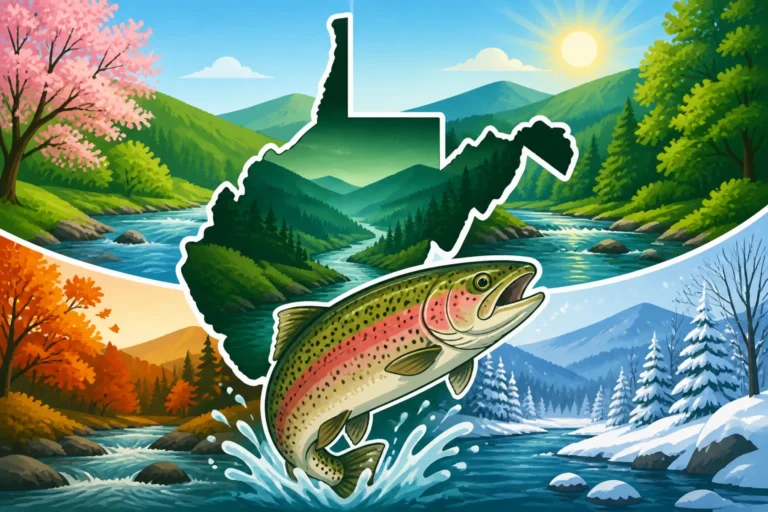
- Spring (April-May): This is often prime time, especially for smallmouth bass. As water temperatures rise, bass become very active, feeding heavily before and during their spawn. Water levels can be higher and flows stronger due to spring rains, so keep an eye on river conditions. It’s also a good time for trout in Glade Creek itself if it’s been recently stocked. Consult the West Virginia Fishing Seasons by Month for detailed species activity.
- Summer (June-August): Smallmouth fishing remains strong, particularly in the mornings and evenings when temperatures are cooler. During the heat of the day, focus on deeper pools, shaded areas, and current breaks. Water levels are typically lower and clearer, which can make fish spooky, but also easier to sight-fish.
- Fall (September-October): Many anglers consider fall to be the absolute best time for trophy smallmouth. Fish are bulking up for winter, becoming more aggressive and often moving into shallower feeding areas. The cooler temperatures and stunning fall foliage also make for a truly picturesque fishing experience.
Always check local water levels and flow rates (available from USGS gauges) before your trip. The New River can fluctuate dramatically, and safe wading and fishing conditions are paramount.
Respecting the Environment and Regulations
When you visit a place as special as Glade Creek within the New River Gorge, it’s essential to practice Leave No Trace principles. Pack out everything you pack in, and perhaps even a little extra trash if you see it. This area is a treasure, and its pristine condition depends on all of us. Avoid trampling vegetation and stick to established trails as much as possible.
Beyond ethical considerations, it's absolutely vital to be aware of and adhere to all West Virginia Fishing Regulations Explained, including specific rules for the New River Gorge National Park and Preserve. These regulations cover everything from license requirements and creel limits to specific gear restrictions and catch-and-release zones. For instance, you will need a valid West Virginia Fishing License Guide for 2026, and specific rules apply within the national park boundaries, which you can read about in our guide to National Park Fishing Rules at New River Gorge. Ignorance of the law is no excuse, and wardens regularly patrol these waters. Always carry a copy of the current regulations summary or have digital access to it.
Planning Your Adventure with Local Insights
For those looking to truly master Glade Creek and the New River, tapping into local knowledge can make all the difference. While exploring on your own is part of the fun, a guided trip can fast-track your learning curve, showing you prime spots and effective techniques tailored to the current conditions. If you're traveling from out of state or just want an expert to show you the ropes, platforms like FishingBooker connect you with local, licensed guides who know the New River Gorge like the back of their hand. They can provide not only invaluable fishing insights but also ensure a safe and efficient trip, especially if you're navigating challenging waters or looking for specific species. Many guides offer specialized trips, from float fishing for smallmouth to wading for trout. Using a service like FishingBooker also often includes gear, making it a great option for those new to river fishing or visiting without their full kit.
| Aspect of Trip | Recommendation | Benefit |
|---|---|---|
| Pre-Trip Info | Check WV DNR website, USGS river gauges, local bait shops | Understand current regulations, water levels, and recent fishing reports. |
| Navigation | Use reliable GPS (offline maps), study Glade Creek Road/Trail beforehand | Avoid getting lost, understand terrain, identify parking. |
| Gear Prep | Pack versatile lures/baits, sturdy waders/boots, wading staff, rain gear, safety kit | Be ready for varied conditions and potential emergencies, stay comfortable. |
| Local Expertise | Consider a guided trip via services like FishingBooker | Gain in-depth knowledge, access to prime spots, enhanced safety, learn specific techniques quickly. |
| Environmental | Follow Leave No Trace, know fish species and regulations | Preserve the natural beauty, ensure legal and ethical fishing practices. |
Whether you go solo or with a guide, a well-planned trip to Glade Creek fishing access on the New River promises an unforgettable experience in one of West Virginia's most beautiful and productive fishing locations.
Disclaimer
Please note that fishing conditions and regulations are subject to change. Always consult the most current West Virginia Department of Natural Resources (WVDNR) regulations and local advisories before planning any fishing trip. Safety should always be your top priority when recreating in the outdoors.