Free fishing access near Wheeling
Finding genuinely free and accessible fishing spots, especially near a bustling city like Wheeling, West Virginia, can sometimes feel like searching for a hidden treasure. Many anglers get frustrated trying to navigate regulations, private property, and confusing access points, often ending up thinking they need to drive hours away or pay for private access. But fear not, my fellow fishing enthusiasts! This comprehensive guide is here to unravel the mystery and point you directly to some fantastic free fishing opportunities right in and around Wheeling.
Navigating the Mighty Ohio River for Free Access Near Wheeling
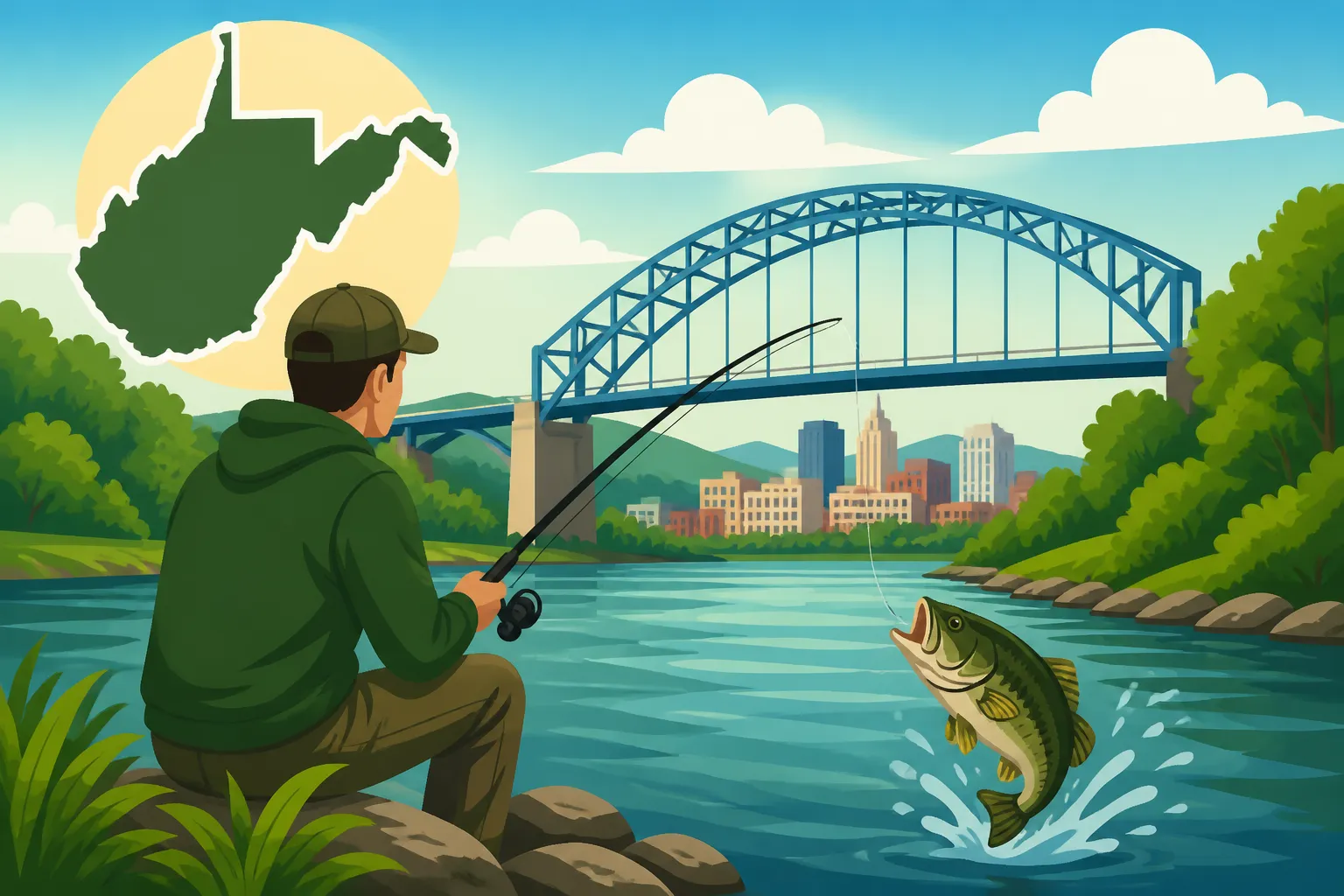
The Ohio River itself is perhaps the most obvious and largest free fishing resource available in the Wheeling area. This impressive waterway, which forms the western border of West Virginia, offers miles upon miles of accessible shoreline and a diverse fishery. The key is knowing where to safely and legally access it without trespassing or incurring fees.
Public Parks and Riverfront Access Points
Wheeling is fortunate to have several well-maintained public parks and riverfront areas that offer direct access to the Ohio River. These spots are fantastic for bank fishing, but also serve as launch points for kayaks, canoes, or small boats if you have them, making them versatile for various fishing styles.
One of the most prominent spots is Heritage Port in downtown Wheeling. This expansive park features a paved walking path, benches, and ample shoreline along the Ohio River. You can easily cast a line directly from the banks here. While it's a popular spot for events and recreation, there's usually plenty of room for anglers. The river bottom here is typical of a large river, with a mix of rock, gravel, and mud, creating diverse habitats for fish. You'll often find anglers targeting species like channel catfish, flathead catfish, various panfish, and even sauger or walleye, especially during cooler months. It's a great place to set up a few bottom rigs with cut bait or worms for catfish, or cast jigs for sauger. Keep in mind that fishing close to public docks or busy boat lanes might require extra caution, but the vastness of the river generally allows for plenty of space.
Further north or south of downtown, you'll find other less developed stretches of riverfront, often adjacent to roads or old industrial areas, that might offer informal access. However, always exercise caution and respect "No Trespassing" signs. Stick to designated public access points to avoid any issues. For those who prefer a bit more solitude, these less-traveled spots can be golden, but it takes a bit more scouting. Remember to check out the broader West Virginia Fishing Regulations Explained to ensure you're compliant with all state laws.
Target Species and Techniques on the Ohio River
The Ohio River near Wheeling is a true multi-species fishery. You're not just limited to one type of fish, which makes it exciting for anglers who like variety.
- Catfish: Both channel catfish and impressive flathead catfish call the Ohio River home. For channel cats, cut bait, chicken livers, or nightcrawlers fished on the bottom with a simple Carolina rig are highly effective. For flatheads, which can grow to enormous sizes, live bait such as bluegills or suckers is often preferred, presented on heavy tackle. Night fishing for catfish can be particularly productive on the Ohio, as these nocturnal predators become more active after dark.
- Sauger and Walleye: These delicious cousins are popular targets, especially in the cooler months. They often congregate in deeper holes, around current breaks, or below dams. Jigging with soft plastics or blade baits, or slow-trolling crankbaits, can be very effective. Remember to check the specific West Virginia Walleye Daily and Possession Limits and West Virginia Sauger Limit on the Ohio River before you head out, as limits can vary.
- White Bass and Hybrid Striped Bass: These hard-fighting schooling fish provide fantastic action. They often chase baitfish near the surface, especially in the mornings or evenings. Look for active schools breaking the water, and cast small spoons, inline spinners, or topwater lures. Summersville Lake Fishing Guide mentions hybrid striped bass in a lake context, but they are also present in the Ohio.
- Panfish and Carp: Bluegill, crappie, and drum are abundant and offer consistent action, especially for younger anglers or those seeking a relaxed day. Simple bobber setups with worms or crickets work well for panfish. Carp, often overlooked, are powerful fighters and can be caught using corn, dough balls, or boilies on the bottom.
When considering a trip, especially if you're traveling a bit, a good resource like FishingBooker can sometimes help you visualize areas or understand general fish patterns, even if you're not booking a guide but just scouting free access. It helps to get a lay of the land, metaphorically speaking, before you hit the water.
Exploring Local Ponds and Creeks for Easy Angling
While the Ohio River is a dominant feature, Wheeling and the surrounding Ohio County area also offer smaller, more intimate fishing experiences in local ponds and creeks. These spots can be perfect for a quick trip, family outings, or targeting panfish and smaller bass.
Wheeling Park Lake: A Stocked Gem
Wheeling Park Lake, located within the sprawling Wheeling Park, is a fantastic option for free fishing access (beyond requiring a standard West Virginia fishing license, of course). The West Virginia Division of Natural Resources (WVDNR) regularly stocks this lake with trout, especially during the spring and fall, making it a prime destination for trout enthusiasts.
- Trout Fishing: During stocking seasons, PowerBait, corn, small spinners (like Panther Martins or Mepps), and tiny jigs are highly effective for catching rainbow trout. It’s a great place for beginners to experience catching stocked trout, and for seasoned anglers to enjoy consistent action. Be sure to understand the Trout Stamps and Trout Fishing Rules in West Virginia before you go.
- Warmwater Species: Beyond trout, Wheeling Park Lake also holds good populations of bass, bluegill, and catfish. You can often see bluegill bedding in the shallows during late spring and early summer. Simple worm and bobber setups work wonders for bluegill, while soft plastics or small crankbaits can entice bass. For catfish, stink baits or nightcrawlers fished on the bottom are reliable.
The accessibility here is excellent, with paved paths surrounding much of the lake, making it suitable for anglers of all ages and mobility levels. Always check the park's specific rules, but generally, fishing with a valid West Virginia Fishing License Guide for 2026 is permitted. While the park has various amenities, the lake itself offers free public access for fishing.
Wheeling Creek and Other Small Tributaries
Wheeling Creek, which winds its way through the city before emptying into the Ohio River, also offers some potential free fishing opportunities, particularly in its less developed sections upstream from the heavily urbanized areas.
- Upstream Scouting: As you move away from downtown Wheeling and into the more rural parts of Ohio County or even into adjacent areas, Wheeling Creek becomes more natural. Here, you might find smallmouth bass, rock bass, and various panfish. Access can be trickier, often involving pulling off secondary roads and walking a short distance. Always be vigilant about private property and "No Trespassing" signs. The best strategy is to look for public road crossings or small, informal pull-offs that don't indicate private land.
- Creek Fishing Techniques: For creek fishing, light tackle is usually best. Small inline spinners, jigs, or live worms under a bobber can be very effective. Wading is often necessary to access prime pockets and runs, but always prioritize safety, especially after heavy rains when currents can be strong. Learning about How to Catch Smallmouth Bass in West Virginia Rivers can give you some excellent strategies for these smaller tributaries too.
Other small, unnamed tributaries and drainage ditches might hold panfish or small baitfish, especially after a good rain. These aren't trophy waters, but they offer a chance to simply wet a line and enjoy the quiet.
Here's a quick look at some common species and general tips for these accessible spots near Wheeling:
| Fishing Spot | Primary Species | Recommended Baits/Lures | Best Time of Year (General) | Notes |
|---|---|---|---|---|
| Ohio River | Catfish (Channel, Flathead), Sauger, Walleye, White Bass, Hybrid Striped Bass, Carp, Drum | Cut bait, Live minnows, Nightcrawlers, Jigs, Crankbaits, Spoons, Dough balls | Year-round (species vary by season) | Large, diverse fishery. Best for heavier tackle. |
| Wheeling Park Lake | Rainbow Trout (stocked), Bluegill, Bass, Catfish | PowerBait, Corn, Worms, Small Spinners, Jigs, Soft Plastics | Spring/Fall (Trout), Summer (Warmwater) | Family-friendly, regularly stocked with trout. |
| Wheeling Creek (Upstream) | Smallmouth Bass, Rock Bass, Panfish | Small Spinners, Jigs, Worms, Crawfish imitations | Spring-Fall | Requires scouting for access, light tackle. |
Tips for Maximizing Your Free Fishing Experience and Staying Legal
Finding free fishing access is only half the battle. To truly enjoy your time on the water and ensure these spots remain available for everyone, it's crucial to follow some fundamental best practices.
Understand West Virginia Fishing License Requirements
First and foremost, even at free access points, a valid West Virginia fishing license is almost always required for anyone aged 15 and older. There are exceptions, such as during specific "free fishing days" declared by the WVDNR, or for certain age groups (like very young children or those with specific disabilities or veteran statuses). You can find detailed information on topics like West Virginia Fishing License Age Requirements, Free and Discounted Fishing License Options in West Virginia, and Disabled Veteran and POW Fishing License Exemptions in West Virginia. Getting your license is easy and supports conservation efforts. If you're caught Fishing Without a License in West Virginia: Penalties can be significant, so don't risk it!
Respect Private Property and Leave No Trace
The biggest threat to free fishing access is disrespect for the land. Always be hyper-aware of your surroundings and any posted signs. If you're unsure if an area is public or private, err on the side of caution and find another spot. When you do find a public access point, treat it as if it were your own backyard.
- Pack it in, pack it out: This mantra is crucial. Whatever you bring with you, take it back home. This includes all fishing line, bait containers, food wrappers, and anything else. Litter not only makes an area unsightly but can also harm wildlife.
- Stay on marked trails/paths: Avoid trampling vegetation or creating new paths unless absolutely necessary and clearly permitted.
- Be courteous to others: Public fishing spots are shared spaces. Be mindful of other anglers, boaters, and park users. Give others ample space to fish, and keep noise levels down.
Know Your West Virginia Fishing Regulations
West Virginia has specific regulations for different species, water bodies, and seasons. Ignorance of the law is not an excuse. Before you head out, familiarize yourself with the West Virginia Bag and Possession Limits by Species and other local rules. For instance, the Ohio River often has unique reciprocal agreements or specific regulations that might differ slightly from inland waters. The West Virginia Fishing Regulations Explained document is your best friend here, providing comprehensive details on daily creel limits, size restrictions, and gear requirements. Information on West Virginia Catfish Daily Limit, for example, is critical if you plan to keep your catch.
Gear Up Smart for Shore and Creek Fishing
You don't need a fancy boat or expensive equipment to enjoy free fishing near Wheeling. Simple setups are often the most effective.
- Rod and Reel: A medium-light to medium action spinning rod between 6 to 7 feet is versatile for most species you'll encounter. Pair it with a reliable spinning reel spooled with 6-10 lb test monofilament or fluorocarbon line.
- Tackle Box Basics: Stock a small tackle box with hooks (sizes 2-8), split shot weights, small bobbers, a few inline spinners (e.g., Mepps, Rooster Tail), some soft plastic grubs or curly tails, and a selection of sinkers for bottom fishing. Worms, minnows (where legal), or power bait will cover most live bait needs.
- Comfort and Safety: Don't forget essentials like a hat, sunglasses (polarized sunglasses can help you see fish!), sunscreen, insect repellent, a small first-aid kit, and plenty of water. A comfortable chair can make a long day of bank fishing much more enjoyable. If you plan to wade in creeks, sturdy wading boots are a must. Looking for information on Best Shore Fishing Spots in West Virginia might provide some additional gear ideas.
By being prepared, respecting the environment, and adhering to regulations, you'll ensure that these wonderful free fishing opportunities near Wheeling remain accessible and enjoyable for everyone for years to come. Tight lines, and happy fishing!
Disclaimer
The information provided in this guide is for general informational purposes only and is subject to change. Fishing regulations, access points, and conditions can vary. Always consult the most current West Virginia Division of Natural Resources (WVDNR) regulations and local signage before fishing. It is your responsibility to ensure you have the appropriate licenses and adhere to all laws and safety guidelines.