Best trout fishing near Canaan Valley
Oh, the allure of trout fishing near Canaan Valley! It’s a dream for so many anglers, but let’s be real, West Virginia's vast landscape, while beautiful, can make pinpointing the truly productive trout waters a bit daunting. You hear about these legendary streams, but actually figuring out where to go, what to use, and when to go for the best chance at a beautiful catch can feel overwhelming. This guide is here to untangle that mystery, offering a clear roadmap to the best trout fishing spots and techniques in and around Canaan Valley, ensuring your next adventure is packed with tight lines and unforgettable memories.
Understanding the Unique Trout Appeal of Canaan Valley
Canaan Valley isn't just another pretty spot on the map; it's a unique ecosystem that makes it a bonafide trout haven. Nestled in the Allegheny Mountains of Tucker County, this high-elevation plateau, often referred to as a "mountain wetland," offers a combination of cool temperatures, abundant rainfall, and diverse stream habitats that trout absolutely thrive in.
Why Canaan Valley Stands Out for Anglers
The valley’s high elevation, sitting at around 3,200 to 4,000 feet, means cooler ambient temperatures year-round compared to lower regions of West Virginia. This is a game-changer for trout, especially during the warmer summer months when many other streams become too warm for these cold-water species. Here, you'll find a fantastic blend of stocked trout waters that offer consistent action and wild trout streams where native brook trout, in particular, flourish in their natural, pristine habitats. The sheer amount of public land, including Blackwater Falls State Park, Canaan Valley Resort State Park, and sections of the Monongahela National Forest, provides extensive access, from easy roadside pull-offs to challenging backcountry treks.
How Climate and Water Conditions Foster Trout Growth
The consistent cold water in the Canaan Valley watershed is critical. Snowmelt from the long, harsh winters feeds the streams well into spring, keeping temperatures optimal. Even during summer, natural springs and groundwater seepage help maintain cooler flows. This stable environment not only helps stocked rainbow and brown trout survive and grow but is absolutely essential for the delicate balance required for wild brook trout populations to reproduce and flourish. The clean, oxygen-rich water flowing over rocky beds creates ideal spawning grounds and abundant insect life, which serves as a prime food source for all trout species.
The Trout You'll Encounter in Canaan Valley Waters
When you drop a line in the Canaan Valley area, you're likely to connect with a few different species.
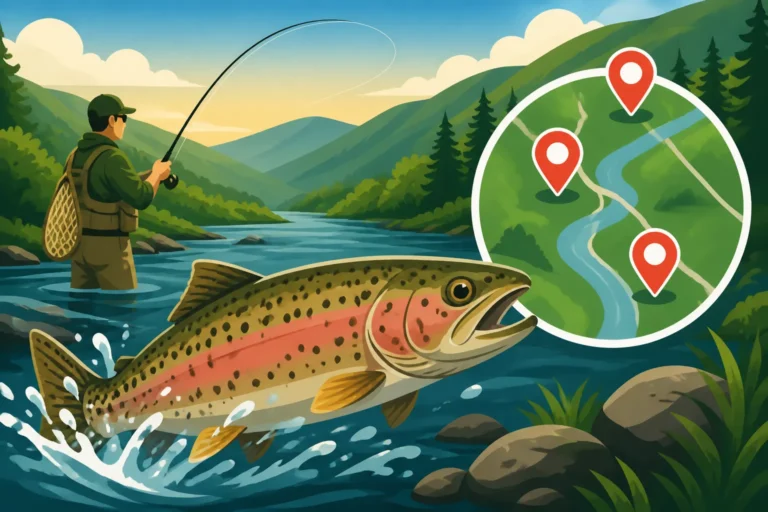
- Rainbow Trout: These are the bread and butter of the stocking program and are incredibly popular with anglers. They're often found in easily accessible, heavily stocked waters like the lower Blackwater River. They’re feisty fighters and can be caught on a wide variety of baits and lures.
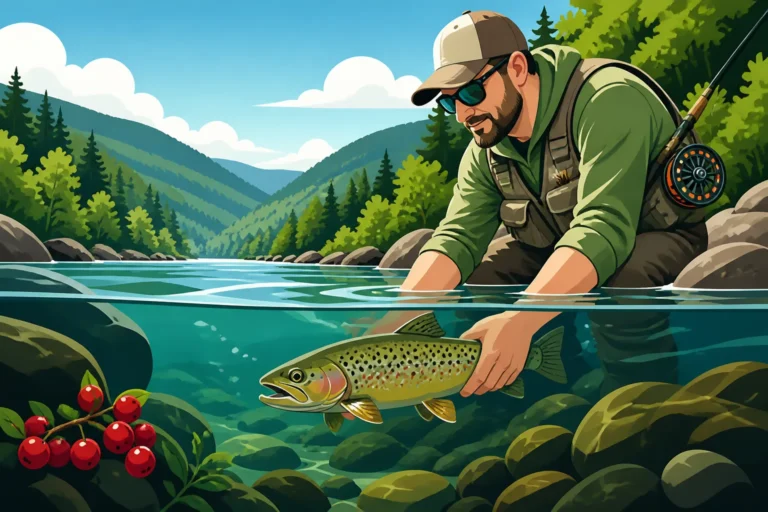
- Brown Trout: Known for being a bit more elusive and wary, brown trout often grow larger than rainbows in wilder settings. They are also stocked, but the wild browns that take up residence in the deeper pools and undercut banks are a true prize. They love cooler, more structured water.
- Brook Trout: The native jewels of West Virginia, brook trout thrive in the high-elevation, pristine headwater streams. These beautiful fish, with their worm-like patterns and vibrant red fins, are often smaller but offer a truly rewarding experience for the angler seeking solitude and a connection with nature. Many of these waters are managed for wild trout, often with special regulations like catch and release. For a deeper dive into their significance, check out our guide on Brook Trout: West Virginia's Native and State Fish.
Prime Trout Waters Immediately Around Canaan Valley
Now, let's talk brass tacks: where exactly should you be casting your line? The beauty of Canaan Valley is that you don't have to travel far to find excellent trout opportunities.
Blackwater River: The Valley's Main Vein
The Blackwater River is arguably the most prominent trout stream directly in the Canaan Valley area. It originates high in the valley and flows north through Blackwater Falls State Park, eventually plunging over Blackwater Falls.
- Description and Flow Characteristics: The Blackwater River offers a diverse range of water types, from gentle riffles and runs in its upper reaches to deeper pools and faster currents as it descends. Near Thomas and Davis, you'll find plenty of public access, with the river winding through picturesque scenery. The riverbed is primarily rocky, with boulders and gravel providing excellent habitat and holding spots for trout.
- Stocking vs. Wild Populations: While the upper and lower sections of the Blackwater River are regularly stocked by the West Virginia Division of Natural Resources (WVDNR) with rainbow and brown trout, you can certainly find some holdover fish and even wild brook trout in its colder, higher tributaries that feed into it. It’s an ideal spot for anglers looking for consistent action, especially in the spring and fall following stocking events. Our West Virginia Trout Stocking Hotline and Schedule can give you real-time updates on when and where the fish are being released.
- Access and Key Spots: Access along the Blackwater is generally excellent. Within Blackwater Falls State Park, there are several convenient points to get to the river, particularly upstream of the falls. The towns of Davis and Thomas also offer public access points. You'll find ample roadside parking and various pull-offs along WV-32 and other local roads that parallel the river.
North Fork of Blackwater River: A More Intimate Experience
For those who prefer a slightly more secluded feel, the North Fork of the Blackwater River is a fantastic option. This smaller, more intimate tributary joins the mainstem Blackwater River near Thomas.
- Description and Focus: The North Fork is typified by its tighter quarters, canopy-covered sections, and often even colder water temperatures than the main Blackwater. It’s a classic mountain freestone stream, with a mix of small plunge pools, riffles, and gravel runs. The wild brook trout truly shine here, although some sections might receive occasional stocking.
- Wild Trout Potential: This is where you'll want to focus if catching a native brook trout is high on your list. These wild populations are a testament to the pristine water quality in this drainage. The fish here are often smaller, but their vibrant colors and the challenge of catching them in a wild setting make them incredibly rewarding. Always adhere to West Virginia catch and release rules for trout when pursuing wild brook trout to ensure these populations continue to thrive.
- Access and Solitude: Access to the North Fork requires a bit more effort, often involving short hikes off logging roads or undeveloped trails. This extra effort pays off in terms of solitude and the feeling of truly being in the wilderness. It’s perfect for wading anglers who enjoy working their way upstream, exploring every bend and pocket.
Red Creek: Wilderness Trout Fishing in Dolly Sods
Venturing slightly south of Canaan Valley will bring you to Red Creek, an absolute gem for wilderness trout fishing, particularly within the Dolly Sods Wilderness Area. This stream is renowned for its remote beauty and thriving wild brook trout population.
- Description and Focus: Red Creek is a rugged, wild stream, flowing through dramatic landscapes of stunted red spruce and heath barrens. The water is often stained with tannins from the vegetation, giving it a characteristic reddish tint. It's almost exclusively a wild brook trout fishery, making it a bucket-list destination for many. This isn't a place for large stocked fish; it's about the pure, wild experience.
- Wilderness Experience: Fishing Red Creek is an adventure. Expect to hike several miles to reach prime fishing spots, and once there, you'll be immersed in true wilderness. The brook trout here are wary and require stealthy approaches, but the reward of connecting with a truly wild fish in such a stunning, untouched environment is unparalleled.
- Access and Challenges: Access to Red Creek typically involves backpacking or long day hikes into the Dolly Sods Wilderness from trailheads like those found off Forest Road 75. A good map and wilderness navigation skills are essential. There are no easy roadside access points, and the terrain can be challenging, but for the dedicated angler, it offers an unforgettable experience.
Dry Fork River: A Trophy Trout Destination
While a bit further south and east of the immediate Canaan Valley, the Dry Fork River is close enough to be considered a prime destination if you're making a dedicated trout fishing trip to the region. It's a major tributary of the Cheat River and has a reputation for larger, stocked trout.
- Description and Stocking Program: The Dry Fork is a larger, wider river than the immediate Canaan Valley streams, offering more open casting lanes and deeper pools. It's famous for its "Trophy Trout" management, meaning it receives stockings of larger-than-average rainbow and brown trout, including the popular golden rainbow trout. This is where you might catch your personal best West Virginia trout.
- Trophy Trout Potential: If you’re targeting bigger fish, the Dry Fork is an excellent choice. The WVDNR puts significant effort into stocking this river with quality trout, often with specific sections designated for different regulations. It's a fantastic spot if you’re looking to fish with spinning gear or flies for robust, hard-fighting trout.
- Access and Nearby Amenities: Access to the Dry Fork is generally quite good, with numerous public access points along Route 33 and other local roads. It's a popular destination, so expect company, especially during peak stocking periods. The nearby communities offer amenities, making it easier to plan a full day or weekend trip. For specific details on its regulations, consult the West Virginia special regulation trout streams section in the WVDNR summary.
Essential Techniques and Gear for Canaan Valley Trout
Having the right approach and equipment can make all the difference in connecting with trout in the diverse waters around Canaan Valley. Whether you're a fly fishing purist or prefer the simplicity of spin fishing, there are effective strategies for every angler.
Fly Fishing Tactics for Mountain Trout
Fly fishing is an art form well-suited to the freestone streams and rivers of West Virginia.
- Nymphing: The Subsurface Game: In these colder, often faster-flowing waters, nymphing is arguably the most consistent and effective method. Trout spend a vast majority of their time feeding on aquatic insects beneath the surface. Using a weighted nymph rig with strike indicators allows you to drift your flies naturally along the bottom where trout are holding. Popular patterns include the Pheasant Tail, Hare's Ear, Prince Nymph, and various stonefly imitations, especially in sizes #12-18. For more insights, refer to our Fly Fishing for Trout in West Virginia guide.
- Dry Fly Fishing: The Thrill of the Take: While nymphs are consistent, there’s nothing quite like watching a trout sip a dry fly from the surface. Dry fly fishing shines during specific insect hatches, which can occur throughout the spring, summer, and fall. Keep an eye out for caddisflies, mayflies (like Sulphurs or Blue-Winged Olives), and terrestrials (like ants, beetles, or grasshoppers) during warmer months. Fishing calmer pools, eddies, and the slower edges of runs are prime spots for dry flies.
- Streamer Fishing: Targeting Aggressive Trout: For larger, more aggressive trout, especially brown trout, streamer fishing can be incredibly effective. These patterns imitate baitfish or larger aquatic creatures and can provoke a predatory strike. Casting streamers across or downstream and stripping them back can entice fish holding in deeper pockets or under submerged structure.
Spin Fishing Approaches for Versatile Anglers
Spin fishing offers a highly effective and often more accessible way to catch trout, particularly in stocked waters.
- Lure Choices for Active Fish: Small inline spinners like Mepps Aglias or Panther Martin Spinners, especially in silver, gold, or black, are perennial favorites. Small spoons such as the Thomas Buoyant or Kastmaster can also be deadly. Micro jigs, often tipped with a piece of PowerBait or a small grub, are incredibly versatile, allowing for both casting and vertical jigging in deeper pools. Vary your retrieve speed and depth until you find what the fish are keying on.
- Bait Fishing for Consistent Results: For freshly stocked trout, live baits like worms or corn, and prepared baits like PowerBait (in various colors like 'rainbow' or 'chartreuse') are often irresistible. Fishing these baits near the bottom with a small split shot or under a bobber can yield consistent results. This method is particularly popular during the early season and at highly stocked locations. If you're heading out in spring, our guide on Spring Trout Fishing Techniques for West Virginia Streams has some excellent tips.
Recommended Gear Setup for Your Trip
Having the right equipment ensures comfort and success on the water.
- Rods and Reels:
- Spin Fishing: An ultralight to light power spinning rod, typically 6 to 7 feet long, paired with a small spinning reel (size 1000-2000) spooled with 4-6 lb monofilament or fluorocarbon line, is perfect for casting light lures and baits.
- Fly Fishing: A 3-weight to 5-weight fly rod, between 7.5 and 9 feet in length, is ideal for most West Virginia trout streams. Pair it with a matching fly reel and floating line, with a 7.5 to 9-foot tapered leader terminating in 4x-6x tippet, depending on fly size and water clarity.
- Waders and Boots: Good quality waders are essential for staying dry and comfortable, especially in the cold mountain streams. Breathable chest waders are excellent for covering varied conditions. Pair them with sturdy wading boots that have felt or rubber soles for grip on slippery rocks. A Best Gear for West Virginia Trout Fishing guide can help you pick the right ones.
- Other Essentials: Don’t forget a small, soft-mesh landing net for safe catch and release, polarized sunglasses to cut glare and spot fish, and a brimmed hat for sun protection. Layers of clothing are crucial given the fluctuating mountain weather. A wading staff can also be a lifesaver in swift currents or on uneven terrain.
Conservation and Best Practices
Always practice responsible angling. For wild trout, particularly the delicate native brook trout, catch and release is highly encouraged to preserve these precious populations. Use barbless hooks, handle fish gently with wet hands, and release them quickly. Be mindful of stream banks and fragile ecosystems. Before you head out, always consult the Reading the West Virginia Fishing Regulations Summary for the most up-to-date rules specific to the waters you plan to fish.
Planning Your Trout Fishing Adventure near Canaan Valley
A successful fishing trip involves more than just knowing where to cast. Thoughtful planning can greatly enhance your experience in the Canaan Valley area.
Timing Your Trip for Optimal Results
The "best" time to fish often depends on what kind of experience you're seeking.
- Spring (March – May): This is prime time for stocked trout. The WVDNR undertakes its heaviest stocking schedule, making for excellent action on rivers like the Blackwater and Dry Fork. The weather can be variable, but fish are often very active.
- Summer (June – August): While lower elevation streams can warm up, Canaan Valley's higher altitude streams remain cool enough for trout. This is a fantastic time to pursue wild brook trout in streams like the North Fork of the Blackwater and Red Creek, where the crowds are thinner, and the scenery is lush.
- Fall (September – November): Many consider fall the most beautiful time to fish in West Virginia. The leaves are changing, the air is crisp, and trout become more active as they prepare for winter and, for brown trout, their spawning season. Fall stocking also occurs, refreshing many waters.
- Winter (December – February): For the truly dedicated, winter can offer surprisingly good fishing on milder days, especially for those willing to brave the cold. Ice fishing is also an option on some local lakes, though less common directly in the river systems.
Licenses, Stamps, and Regulations You Need to Know
Before you even tie a knot, make sure you're properly licensed. Everyone aged 15 and older needs a West Virginia fishing license. If you plan to fish for trout, a West Virginia trout stamp is also required, regardless of whether you intend to keep or release your catch. You can easily purchase these online or from authorized vendors. Our comprehensive West Virginia Fishing License Guide for 2026 and Trout Stamps and Trout Fishing Rules in West Virginia articles cover all the details you’ll need. Always double-check the specific regulations for the particular stream you’re fishing, as some, especially wild trout waters, may have special size, creel, or tackle restrictions.
Finding Local Guides and Resources
While this guide gives you a great starting point, a local expert can unlock even more potential. A knowledgeable guide can provide invaluable insights into current conditions, hot spots, and effective techniques. They also often provide all the necessary gear, making it a hassle-free experience. If you're looking to connect with a guide, platforms like FishingBooker are excellent resources, allowing you to browse local charters and guided trips specifically targeting trout in the Canaan Valley region. These services ensure you’re not just fishing, but fishing effectively and safely. For instance, a local guide booked through FishingBooker could take you to a secret spot on the North Fork of the Blackwater that only locals know.
Additionally, local bait and tackle shops in nearby towns like Davis or Thomas are treasure troves of information. The folks working there often have the latest scoop on water conditions, recent hatches, and what baits or flies are currently working best. Don't be shy about striking up a conversation! You might also find local guides listed there. Using FishingBooker to research guides in advance means you arrive prepared, knowing you'll have an expert showing you the ropes.
Accommodation and Supplies
Canaan Valley offers a range of accommodation options, from cabins and hotels within Canaan Valley Resort State Park and Blackwater Falls State Park to private rentals and campgrounds. Towns like Davis and Thomas also have various lodging and dining choices. It's wise to book accommodations in advance, especially during peak seasons like fall foliage or major fishing holidays. For supplies, you'll find convenience stores and a few small outfitters in the local towns, but for a wider selection of specialized fishing gear, it's often best to stock up before you arrive.
Here’s a quick overview of the prime trout waters near Canaan Valley:
| Stream Name | Primary Species | Stocked/Wild | Access Difficulty | Key Features |
|---|---|---|---|---|
| Blackwater River | Rainbow, Brown, Brook | Stocked / Holdover | Easy | Runs through Blackwater Falls State Park, consistent action |
| North Fork Blackwater | Brook, Rainbow | Wild / Some Stocked | Moderate | Smaller, intimate, good for solitude, wild brookies |
| Red Creek | Brook | Wild | Difficult | Dolly Sods wilderness, remote, pristine, challenging hike |
| Dry Fork River | Rainbow, Brown, Golden | Stocked (Trophy) | Easy | Larger river, managed for bigger trout, good roadside access |
The Canaan Valley area truly holds some of West Virginia's finest trout fishing. With a little planning and the right approach, you'll be well on your way to a memorable angling experience in the wild and wonderful mountains. Whether you’re chasing trophy browns on the Dry Fork or seeking native brookies in Red Creek, the opportunities are abundant. If you want to make sure you're covered for a smooth trip, consider booking a knowledgeable local guide via a platform like FishingBooker to maximize your time on the water and gain local insights.
Disclaimer
Please note that fishing regulations, stocking schedules, and local conditions can change. Always consult the official West Virginia Division of Natural Resources (WVDNR) website or their current fishing regulations summary before heading out. Safety should always be your top priority, especially when navigating remote areas or wading in swift currents.