Burnsville Lake Fishing Guide
Burnsville Lake can be a real head-scratcher for anglers, with its deep, clear waters and sometimes elusive fish. It's easy to spend a day casting without much to show for it, leaving you wondering if you're missing something crucial. This comprehensive guide is here to unravel the mysteries of Burnsville Lake, offering practical advice and seasoned insights to help you land more fish and make your trips more rewarding.
Unpacking Burnsville Lake: A Mountaineer's Fishing Gem
Tucked away in Braxton County, West Virginia, Burnsville Lake is a stunning 968-acre Army Corps of Engineers reservoir renowned for its clear waters and diverse fishery. It's a favorite among locals and visiting anglers alike, offering a peaceful retreat from the hustle and bustle. But don't let its serene surface fool you; beneath lies a complex ecosystem that requires a bit of understanding to unlock its full potential.
Lake Features and Access Points for Anglers
Burnsville Lake, formed by the Little Kanawha River, stretches over 13 miles and boasts a shoreline of 30 miles. It's characterized by steep, wooded hillsides dropping into deep, clear water, especially towards the dam. The upper reaches of the lake, where the river feeds in, tend to be shallower and can become more stained, especially after heavy rains. This contrast in water characteristics means you need to adapt your approach as you move around the lake. The numerous coves and hollows provide excellent cover and foraging areas for many species, making them prime targets for exploration.
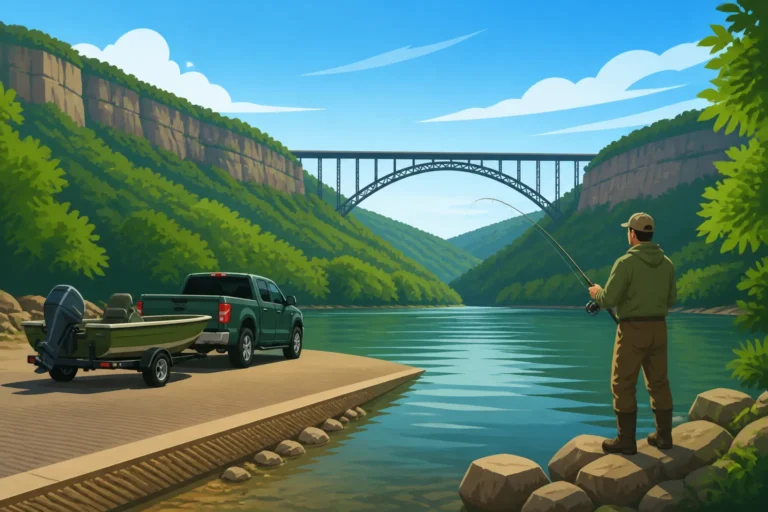
Accessing the lake is fairly straightforward, thanks to well-maintained public facilities. There are several boat ramps, including the main ramp at Bulltown, which offers ample parking and easy launching. Another popular spot is Apple Alley, providing good access to a different section of the lake. For those who prefer to fish from shore, there are designated areas, particularly around the Burnsville Lake Wildlife Management Area and near some of the camping facilities. These spots often include accessible fishing piers, making it easier for everyone to enjoy a day on the water. Understanding these different access points can make a huge difference in targeting specific species and finding less pressured water, which can be crucial on busy weekends.
Navigating the Unique Challenges of Burnsville Lake
While beautiful, Burnsville Lake presents its own set of challenges that can frustrate even seasoned anglers. Its clear water, while aesthetically pleasing, often makes fish warier of presentations and requires lighter lines and more natural baits. This clarity also means fish can be easily spooked by boat traffic or sudden movements. Furthermore, the significant depth variations, from shallow flats in the upper river arms to over 70 feet near the dam, mean fish can be found at a wide range of depths depending on the season, weather, and time of day.
Another common frustration is the fluctuating water levels, which are regulated by the Army Corps of Engineers for flood control. These changes can dramatically impact fish behavior, pushing them off traditional structures or congregating them in unexpected areas. Keeping an eye on water level reports is a crucial part of planning a successful trip. These challenges are part of the learning curve, but once you start to understand the lake's rhythm, it becomes incredibly rewarding. If you're looking for specialized advice or wanting to ensure a productive trip, resources like FishingBooker can help you connect with local fishing guides who possess invaluable on-the-water experience and can navigate these unique conditions.
Target Species and Prime Seasons at Burnsville Lake
Burnsville Lake is a fantastic mixed fishery, offering opportunities for a variety of species that appeal to different angling preferences. From the hard-fighting black bass to the elusive walleye and abundant panfish, there’s usually something biting year-round. Knowing what fish to target and when is key to a successful outing.
Popular Game Fish: Bass and Walleye
For many anglers, Burnsville Lake is synonymous with excellent black bass fishing. Both largemouth and smallmouth bass thrive here, offering exciting action. Largemouth bass tend to prefer the shallower, more timbered coves and weed lines, especially in the upper parts of the lake. They're ambush predators, often found tucked into cover. Smallmouth bass, on the other hand, are kings of the clear, rocky main lake points and deeper humps, especially towards the dam. They love current and structure, and their fighting prowess in the cooler, deeper water is legendary. The spring and fall are typically the prime seasons for bass, as they move into shallower waters for spawning and then feed aggressively before winter.
Walleye are another highly sought-after species in Burnsville Lake. These toothy predators are known for their delicious fillets and their often-subtle bite. They prefer deeper, cooler water and are most active during low light conditions, such as dawn, dusk, or even at night. Walleye fishing really picks up in the spring when they move to shallower, rocky areas to spawn, and again in the fall as they fatten up for winter. While they can be elusive, the reward of landing a Burnsville walleye is well worth the effort. It's important to be aware of the specific West Virginia Walleye Daily and Possession Limits to ensure you're compliant with regulations.
Panfish and Catfish Opportunities
If you're looking for consistent action or a great family fishing trip, Burnsville Lake's panfish population is robust. Crappie, bluegill, and sunfish are abundant, offering plenty of bites, especially for younger anglers or those new to the sport. Crappie are particularly popular, with good numbers of both black and white crappie found throughout the lake. They often congregate around submerged brush piles, standing timber, and bridge pilings, especially in the spring and fall. These fish can be caught with simple setups and small baits, making them very accessible.
Catfish are another reliable species, with channel catfish and flatheads being the most common. Channel cats are widespread and can be caught throughout the lake using a variety of baits, from cut bait to stink baits. Flathead catfish tend to be larger and prefer deeper holes and heavy cover, often requiring live bait and a bit more patience. Night fishing for catfish can be incredibly productive during the warmer months, offering a unique experience. For dedicated crappie anglers, finding the best Burnsville Lake crappie fishing spots can be a game-changer, often revealing hidden gems that hold slab-sized fish.
Essential Techniques and Baits for Burnsville Lake
Successfully fishing Burnsville Lake means adapting your techniques to its unique conditions and the habits of its resident fish. What works one day might not the next, so having a versatile tackle box and a willingness to experiment is key. From targeting aggressive bass to enticing wary walleye and panfish, specific strategies will yield the best results.
Strategies for Largemouth and Smallmouth Bass
When it comes to bass fishing on Burnsville Lake, versatility is your best friend. For largemouth bass, focus on areas with visible cover like fallen timber, stump fields, and weed edges, particularly in the shallower coves and feeder creek arms. During the spring, crankbaits, spinnerbaits, and jigs are incredibly effective as bass move into pre-spawn staging areas. As temperatures rise in summer, flipping and pitching soft plastics like creature baits or jigs into dense cover can coax out big fish. Topwater lures can be explosive at dawn and dusk. For more general advice on tackling these feisty fish, check out our guide on How to Catch Smallmouth Bass in West Virginia Rivers.
Smallmouth bass, given their preference for rocky, clearer, and deeper water, require a different approach. Look for main lake points, submerged humps, and rocky bluffs. Tubes, drop shots, and small finesse jigs are deadly effective, especially when fished slowly along the bottom. Crankbaits that mimic crawfish or baitfish can also draw strikes when retrieved over rocky structure. In the cooler months of spring and fall, jerkbaits and suspending minnows can be irresistible to aggressive smallmouth. Remember, Burnsville's clear water means using lighter fluorocarbon leaders and natural bait colors often makes a significant difference.
Walleye Tactics and Lure Choices
Walleye at Burnsville Lake are often found in deeper water during the day, making them a challenge but a rewarding catch. Trolling with crankbaits or spinner rigs is a popular and effective method, allowing you to cover vast amounts of water and find active fish. Experiment with different depths using planer boards or downriggers until you locate the feeding zone. The best crankbaits will often mimic local baitfish, like shad or alewives. Jigging is another excellent technique, especially when you mark fish on your sonar near submerged structure or humps. Vertical jigging with a spoon or a soft plastic jig tipped with a minnow can be deadly.
Live bait is often the king for walleye, particularly during cooler water periods. Slow-trolling or drift-fishing with a live minnow on a bottom bouncer rig can produce consistent results. Focus your efforts during low-light periods, as walleye eyes are adapted for dim conditions, giving them a distinct advantage over their prey at dawn, dusk, and throughout the night. For a broader understanding of how to target these elusive fish, you might want to read up on How to Catch Walleye in West Virginia.
Tips for Crappie and Catfish Success
Crappie fishing at Burnsville Lake is generally less complicated and can be incredibly rewarding. Look for submerged brush piles, standing timber, and the shaded areas around docks or bridge pilings. Small jigs (1/16 to 1/8 ounce) tipped with a small plastic grub or a live minnow are irresistible to crappie. A bobber rig can be very effective, allowing you to suspend your bait at the precise depth where the crappie are holding. In spring, crappie move into shallower coves to spawn, making them easier to locate. Later in the year, they'll retreat to deeper cover. Finding the right Burnsville Lake best fishing coves can often lead to a day of non-stop action.
Catfish, especially channel catfish, are abundant and relatively easy to catch. Bottom fishing with various smelly baits like chicken livers, stink baits, or cut bait is a proven method. For larger flatheads, live bluegill or shad are often preferred, fished on heavy tackle in deep holes, especially near timber or rock ledges. Night fishing is particularly effective for catfish, as they become more active feeders after dark. A sturdy rod, a good circle hook, and plenty of patience are all you need for a successful catfish outing.
| Species | Best Baits / Lures | Typical Location | Prime Season |
|---|---|---|---|
| Largemouth Bass | Jigs, Spinnerbaits, Crankbaits, Soft Plastics | Timber, Weedlines, Shallow Coves | Spring, Fall |
| Smallmouth Bass | Tubes, Drop Shots, Jerkbaits, Finesse Jigs | Rocky Points, Humps, Deep Bluffs | Spring, Fall |
| Walleye | Crankbaits (trolled), Jigs, Live Minnows | Deep Channels, Humps, Rocky Spawning Areas | Spring, Fall |
| Crappie | Small Jigs, Live Minnows | Submerged Brush, Standing Timber, Docks | Spring, Fall |
| Channel Catfish | Chicken Livers, Stink Baits, Cut Bait | Muddy Bottoms, Deeper Pools, Creek Mouths | Summer, Night |
| Flathead Catfish | Live Bluegill, Shad | Deep Holes, Heavy Timber, Rock Ledges | Summer, Night |
Boating and Shoreline Access for Burnsville Lake Anglers
Getting onto and around Burnsville Lake is a crucial part of the fishing experience. Whether you prefer the freedom of a boat or the simplicity of shore fishing, Burnsville offers options for everyone. Understanding the different access points and regulations can help you plan your trip effectively.
Public Boat Ramps and Marinas
For those with a boat, Burnsville Lake provides several excellent public boat ramps that make launching and retrieving a breeze. The primary access point is at the Bulltown Day Use Area, which features multiple paved ramps, ample parking, and often a courtesy dock. This ramp provides direct access to the main body of the lake, making it a popular choice for larger boats and those targeting open-water species like walleye. The Bulltown area also has amenities like restrooms and picnic spots, perfect for a full day on the water.
Another reliable option is the Apple Alley Boat Ramp, located further up the lake. This ramp is often favored by anglers who want to target the shallower, more timbered sections of the lake, which are prime for largemouth bass and crappie. It's a good alternative if the main ramp is crowded or if your fishing strategy focuses on that particular end of the lake. Remember to always consult the West Virginia Boating Laws for Anglers before heading out, ensuring your vessel is properly equipped and you're aware of all safety regulations. While Burnsville doesn't have a full-service marina with extensive fueling or repair facilities right on the lake, the nearby towns offer essentials. This helps maintain the lake's serene, less commercialized atmosphere, which many anglers appreciate.
Productive Shoreline Fishing Spots
Even without a boat, Burnsville Lake offers plenty of opportunities to wet a line from the bank. The Burnsville Lake Wildlife Management Area (WMA) is a fantastic resource for shore anglers. Within the WMA, you'll find numerous pull-offs and trails that lead to accessible shoreline areas, particularly along the lower sections of the lake where the banks are less steep. These spots can be great for casting for panfish, catfish, and even bass, especially during the spring when fish move closer to shore.
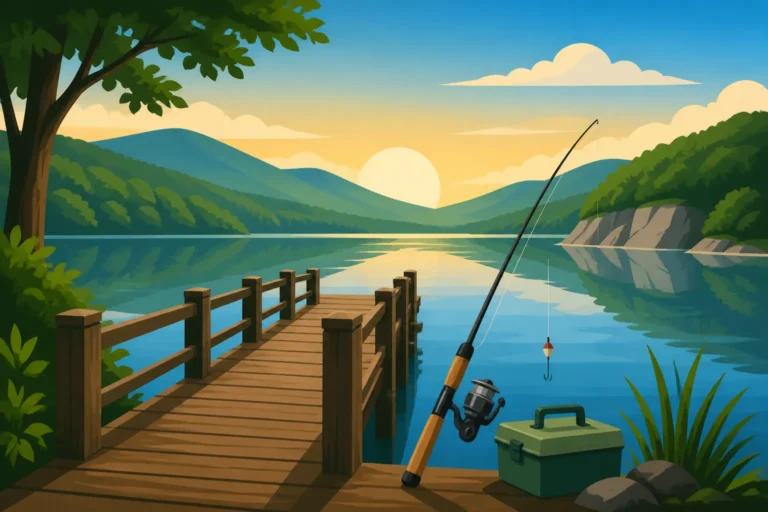
The Dam Site Campground and Rattlesnake Campground also offer excellent shoreline access. These areas often have designated fishing piers or easy access to the water's edge, making them ideal for families or those with mobility challenges. Fishing near the dam itself, from designated bank fishing areas, can also be productive, particularly for species that hold in deeper water. Look for points, small coves, or areas with submerged structure that you can reach with a cast. A good pair of polarized sunglasses will help you spot these features and any lurking fish in the clear water. Don't underestimate the potential of these easily accessible spots; many trophy fish are caught just a stone's throw from the bank!
Seasonal Fishing Breakdown for Burnsville Lake
One of the great joys of fishing Burnsville Lake is its year-round potential. Each season brings a different set of challenges and rewards, dictating where the fish will be and what they'll be willing to bite. Understanding these seasonal shifts is crucial for consistently finding success. For a broader look at what to expect throughout the year, our guide on West Virginia Fishing Seasons by Month offers excellent context.
Springtime Action: Awakening the Lake
Spring is arguably the most anticipated season at Burnsville Lake. As water temperatures begin to rise from their winter lows, fish become incredibly active. This is when the pre-spawn bite kicks into high gear, with both bass and walleye moving from their deeper wintering grounds into shallower staging areas. Look for these fish congregating on main lake points, rocky humps, and the mouths of coves, preparing to move further in to spawn. Crankbaits, spinnerbaits, and jigs are excellent choices for aggressively feeding bass, while walleye will readily hit minnow-imitating lures or live bait rigs.
As the water continues to warm, the actual spawn occurs. Largemouth bass will be found in shallow, protected coves, often near submerged logs or brush. Smallmouth bass will seek out rocky banks and gravel bottoms. Crappie also move shallow to spawn, making them easy targets around brush piles and standing timber. This is a fantastic time for both numbers and size, but remember to handle spawning fish with care to ensure the future health of the fishery. Early spring also sees the beginning of the trout stocking season in nearby streams, though Burnsville itself is not a stocked trout lake.
Summer Strategies: Beating the Heat
Summer at Burnsville Lake presents a different challenge. As surface temperatures climb, many species, especially walleye and larger bass, will move to deeper, cooler water. This is a time when your electronics become invaluable for locating submerged structure, humps, and channel breaks where fish are holding. Downsizing your baits and slowing down your presentation can be very effective. Drop shots, shaky heads, and deep-diving crankbaits are good choices for bass. Walleye often respond well to trolling deep with crankbaits or jigging spoons on main lake flats.
Panfish, particularly bluegill and crappie, can still be found in decent numbers closer to shore, especially in shady areas or around deeper brush piles in coves. Early morning, late evening, and night fishing become prime times during the summer. Catfish truly shine in the warmer months, with excellent action, especially after dark using cut bait or live bait on bottom rigs. Don't be afraid to fish through the night – the lack of boat traffic and cooler temperatures can make for some incredible fishing memories.
Fall Fishing Frenzy: The Feed Up
Fall is another phenomenal time to fish Burnsville Lake, offering some of the year's most exciting action. As water temperatures begin to cool, fish sense the approaching winter and enter a frantic feeding period. This "fall turnover" can scatter fish initially, but once they settle, they become highly catchable. Baitfish school up, and predatory species like bass, walleye, and muskie (though not the primary target, they are present) will follow these schools into shallower coves and creek arms.
Aggressive tactics work well in the fall. Spinnerbaits, chatterbaits, and crankbaits that cover water are excellent for bass. Walleye can be found chasing baitfish in open water or along rocky points. Crappie will return to shallower brush piles before retreating to deeper water for winter. The vibrant fall foliage also adds an extra layer of beauty to your fishing experience. This is a great time to experiment with different presentations, as fish are often less finicky and more willing to chase a variety of lures.
Winter Chill and Ice Fishing Potential
Winter at Burnsville Lake slows things down considerably, but it certainly doesn't mean fishing completely stops. For open-water anglers, patience is paramount. Fish are lethargic and often grouped tightly in deep holes or along major channel breaks. Finesse techniques, slow retrieves, and live bait are usually the most productive. Small jigs, slow-trolled minnows, or even suspended live bait can entice a bite from deep-holding bass or walleye. Catfish can also be caught on the bottom in deep areas.
When conditions allow for safe ice, Burnsville Lake offers some opportunities for Ice Fishing in West Virginia, particularly for panfish. Areas in the upper lake, or protected coves, are generally the first to freeze solid enough for safe access. Small jigs tipped with wax worms or minnows, fished through the ice, can be very effective for crappie and bluegill. Always check ice thickness carefully and be aware of changing conditions. Safety should always be your top priority when venturing out onto the ice.
Regulations and Conservation at Burnsville Lake
Adhering to fishing regulations is not just about staying out of trouble; it's about protecting the incredible fishery that Burnsville Lake offers for generations to come. The West Virginia Division of Natural Resources (WVDNR) sets specific rules that anglers must follow. It’s always smart to review the latest summary of regulations before each season.
License Requirements and General Rules
Every angler aged 15 and older needs a valid West Virginia fishing license to fish Burnsville Lake, just like any other public water in the state. There are various license types available, including annual resident and non-resident options, as well as short-term permits for visitors. It's easy to purchase your license online through the WVDNR website or from authorized license agents across the state. For a complete understanding of what you need, refer to our comprehensive West Virginia Fishing License Guide for 2026. Even if you plan to hire a guide through services like FishingBooker, you'll still need your personal fishing license.
Beyond the license, general rules apply to all waters. This includes using legal fishing methods, not leaving litter, and respecting private property boundaries if you're fishing from shore near residential areas. Always be mindful of other users of the lake, whether they are other anglers, boaters, or kayakers. Courtesy on the water ensures a pleasant experience for everyone.
Specific Bag and Length Limits for Burnsville Lake
While many statewide regulations apply, some waters in West Virginia, including Burnsville Lake, may have specific rules regarding bag and length limits for certain species to help manage the fishery. It is absolutely essential to check the current West Virginia Bag and Possession Limits by Species pamphlet or the WVDNR website for the most up-to-date information pertaining to Burnsville Lake. For instance, there might be specific slot limits for bass or daily creel limits that differ from the general statewide rules.
- Black Bass (Largemouth & Smallmouth): Always check for any special slot limits or reduced creel limits unique to Burnsville. Catch-and-release is always encouraged for larger bass to maintain a healthy breeding population.
- Walleye: There will be a daily creel limit and a minimum length limit for walleye. These are put in place to protect the population and allow fish to reach a good size.
- Crappie & Panfish: Typically, these species have more generous limits, but it’s still good practice to only keep what you plan to eat.
- Catfish: Usually, the limits for catfish are quite liberal, but ensure you’re familiar with any unique local rules for larger flatheads.
Understanding and respecting these regulations helps ensure that Burnsville Lake continues to be a fantastic fishing destination for years to come. Protecting the natural resources is a shared responsibility, and every angler plays a vital role.
Disclaimer
Please note that fishing regulations, conditions, and fish populations can change. Always consult the official West Virginia Division of Natural Resources (WVDNR) website or their most current fishing regulations guide before your trip to ensure you have the most up-to-date information. This guide is for informational purposes only and does not supersede official regulations.