Rainbow Trout Stocking in West Virginia
For many anglers in West Virginia, the dream of hooking into a feisty rainbow trout is a constant draw, but sometimes knowing where and when to find these stocked beauties can feel like a mystery. You might show up to a favorite stream only to find it hasn't been stocked in weeks, or feel overwhelmed by the sheer number of waters listed. This guide is here to unravel the ins and outs of West Virginia's extensive rainbow trout stocking program, giving you the insider knowledge to make your next fishing trip a smashing success.
Understanding West Virginia's Rainbow Trout Stocking Program
West Virginia is renowned for its incredible trout fishing opportunities, and a huge part of that reputation comes from its robust stocking program. The state works tirelessly to provide angling recreation across a wide range of waters, making trout fishing accessible to everyone from seasoned fly anglers to families just trying to introduce their kids to the sport. It's a massive undertaking that benefits thousands of outdoor enthusiasts every year.
The "Put-and-Take" Philosophy
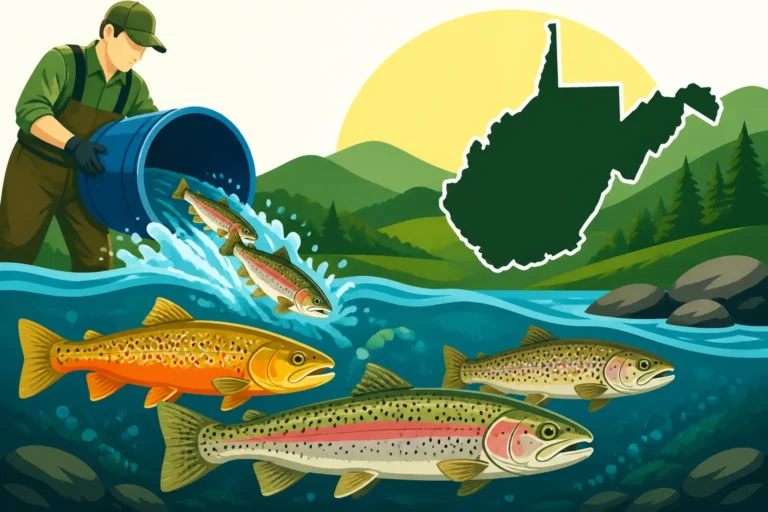
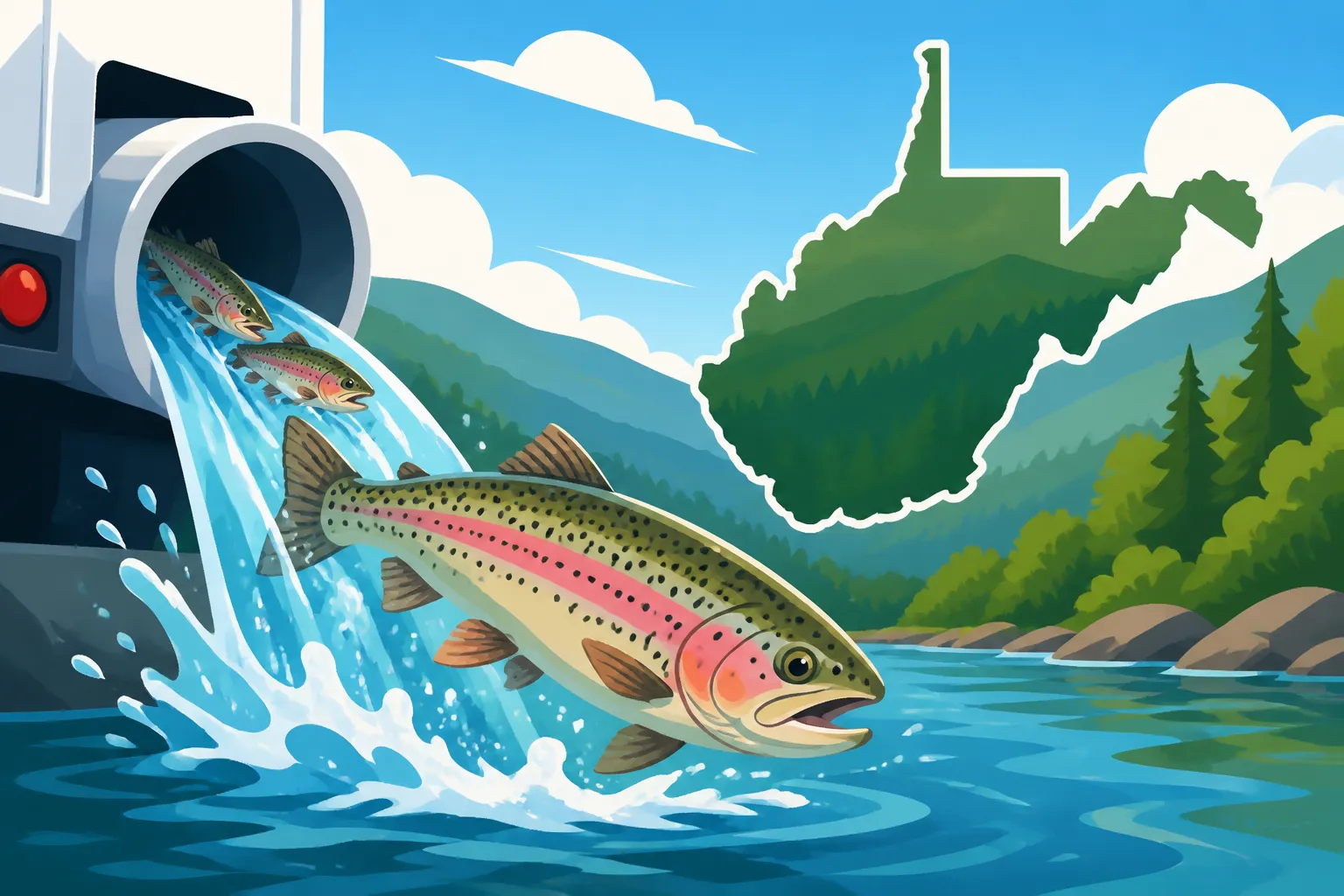
The core of West Virginia's rainbow trout stocking effort operates on what's often called a "put-and-take" philosophy. This means that a significant portion of the trout released into our streams and lakes are intended to be caught by anglers in a relatively short timeframe. These aren't necessarily wild, self-sustaining populations in most stocked waters, but rather a direct effort to create immediate fishing opportunities. It's about getting those fish into the water so you can get out there and enjoy the thrill of the catch.
This approach is particularly important in areas where stream conditions might not naturally support year-round trout populations due to warmer water temperatures, habitat limitations, or other environmental factors. By stocking regularly, the state ensures that even these waters offer a chance to catch trout. It’s a pragmatic way to satisfy the high demand for trout fishing throughout much of the state, especially as populations grow and more people discover the joy of spending time by the water.
Why Rainbows are the Chosen Species
While West Virginia does stock other trout species, like brown trout and golden rainbow trout, rainbow trout truly are the stars of the show when it comes to the sheer volume of fish released. There are several excellent reasons for this preference. Rainbows are incredibly resilient, adapting well to hatchery environments and tolerating a wider range of water conditions once stocked than some other trout species. This hardiness makes them ideal candidates for the widespread stocking program.
Beyond their adaptability, rainbow trout are also highly aggressive feeders, which is fantastic news for anglers. They're often willing to hit a variety of baits and lures shortly after being released, providing immediate action and a high success rate for those fishing newly stocked waters. They put up a fantastic fight on the line, too, making them an exciting catch for anglers of all skill levels. Plus, their vibrant colors and delicious taste make them a popular choice for those who enjoy keeping a few for the dinner table. You can explore more about Trout Species Identification Guide for West Virginia to differentiate between them.
The Role of Hatcheries
The heart of West Virginia's stocking program lies in its state-of-the-art fish hatcheries. These facilities are where millions of rainbow trout begin their lives, from tiny eggs to catchable-sized fish. The hatcheries, like the Edray, Spring Run, and Bowden hatcheries, are bustling hubs of activity, raising trout in carefully controlled environments to ensure they are healthy and robust before release. It's a meticulous process that involves constant monitoring of water quality, feeding, and disease prevention to maximize the survival and growth of the fish.
Without these dedicated hatcheries and the passionate staff who work in them, the scale of West Virginia's trout stocking program simply wouldn't be possible. They represent a significant investment in recreational fishing, providing the backbone for the abundant opportunities we all enjoy. These facilities are vital for sustaining the "put-and-take" fisheries and ensuring a consistent supply of trout for both regular stockings and special events.
When and Where to Find Stocked Rainbows
Understanding the rhythm of West Virginia's stocking schedule is one of the biggest keys to success when targeting rainbow trout. It’s not just about knowing that fish are stocked, but when and where those stockings occur. The state puts a tremendous amount of effort into these releases, and with a little planning, you can put yourself right in the middle of the action.
Annual Stocking Schedules and Seasons
West Virginia's trout stocking program generally kicks into high gear during the spring, which is traditionally known as "trout season" in many areas. This is when the largest volumes of fish are released into streams, rivers, and lakes across the state, capitalizing on cooler water temperatures and higher angler participation. However, stocking doesn't stop there! Many waters receive additional stockings throughout the year, including summer, fall, and even into winter, particularly in designated "year-round" trout waters or special regulation areas.
The key is to keep an eye on the official stocking schedules released by the West Virginia Division of Natural Resources (WVDNR). These schedules are your best friend, detailing which waters will be stocked and approximately when. While specific dates can sometimes fluctuate due to weather or water conditions, they provide an excellent roadmap. For the most up-to-date information, many experienced anglers know to dial into the West Virginia Trout Stocking Hotline and Schedule or check the WVDNR website regularly.
Identifying Stocked Waters
West Virginia boasts an impressive list of waters that receive rainbow trout. These can range from small, easily accessible streams running through state parks to larger rivers and impoundments. The WVDNR provides detailed lists of these designated trout waters, often categorized by county, making it easier to plan a trip close to home or discover a new favorite spot. Some examples include popular streams like the Williams River, Shavers Fork, and the Cranberry River, as well as larger lakes such as Summersville Lake and Sutton Lake.
It's important to remember that not all waters are created equal, and some receive more frequent or larger stockings than others. Doing a little homework on the WVDNR's official trout stocking lists will help you pinpoint the most productive areas. Many of these locations also have specific West Virginia Fishing Regulations Explained or Trout Stamps and Trout Fishing Rules in West Virginia that you'll want to be aware of, so always check the summary before heading out.
Gold Rush and Other Special Events
Beyond the regular stocking schedules, West Virginia hosts a few truly special events that are a huge draw for trout anglers. The most famous of these is undoubtedly the "Gold Rush," where thousands of golden rainbow trout are stocked in select waters across the state. These brightly colored fish are a real trophy catch and add an extra layer of excitement to the spring season. The Gold Rush typically occurs over a specific period, and the WVDNR provides ample notice of the participating waters. You can learn more about these unique fish in Golden Rainbow Trout in West Virginia.
In addition to Gold Rush, there might be other localized stocking events or special "kids fishing day" stockings that focus on making fishing accessible and fun for younger anglers. These events are often a fantastic opportunity to introduce children to the sport in a high-success environment. Always check the WVDNR events calendar or local news outlets for information on these special releases, as they can offer some truly memorable fishing experiences for the whole family.
What to Expect from Stocked Rainbows
Catching stocked rainbow trout isn't quite the same as pursuing wild, elusive fish. While they'll still challenge you, understanding their behavior shortly after being released can give you a significant edge. Knowing what to anticipate in terms of their size, their initial movements, and how they acclimate to their new environment is crucial for consistent success.
Size and Condition of Stocked Fish
When rainbow trout are stocked in West Virginia, they are typically of a "catchable" size. This usually means they are anywhere from 10 to 14 inches long, a perfect size for a good fight and a tasty meal. The WVDNR aims to provide a quality angling experience, and part of that is ensuring the fish are robust and healthy when they hit the water. You won't usually find tiny fingerlings in these stockings; these are fish ready to be targeted.
The condition of stocked trout is generally excellent, as they come directly from the controlled environments of the state hatcheries. They'll appear bright, vibrant, and well-fed. While they might be a little disoriented immediately after stocking, they quickly adjust and begin to feed. It's a credit to the hatchery program that these fish are in such good shape, providing a strong and healthy foundation for a productive fishery.
Initial Behavior and Dispersion
Upon initial release, stocked rainbow trout can behave in a couple of ways. Often, especially in smaller streams or lakes, they might congregate for a short period near the stocking points. This can lead to some incredibly fast action for anglers who arrive shortly after the trucks have left. They're disoriented, perhaps a little stressed from the journey, and sometimes just cruise around in a daze, making them easy targets.
However, rainbows are also known to disperse relatively quickly, especially in moving water. They'll start seeking out cover, finding deeper pools, runs, or areas with submerged structure where they feel more secure and can find food. Within a day or two, they will have spread out considerably from the initial drop-off points. This means that while fishing right after a stocking can be phenomenal, anglers who arrive a few days later will need to be more strategic in locating them, often looking for those classic trout lies where they'd naturally hold.
Holdover Trout vs. Freshly Stocked
It's important to distinguish between freshly stocked rainbow trout and "holdover" trout. Freshly stocked fish are exactly what they sound like: newly released from the hatchery, often eager to bite, and sometimes a bit naive. Holdover trout, on the other hand, are fish that have survived one or more stocking seasons and have spent extended time in the wild. These fish have adapted to their environment, grown larger, and become much warier.
Targeting holdover trout can be a much greater challenge, requiring more finesse and stealth. They've learned to avoid predators, including anglers, and will often seek out more secluded lies. While less common, these holdovers can offer a truly rewarding experience, often being larger and more brightly colored than their hatchery-fresh counterparts. Many anglers appreciate catching a "wilder" fish that has successfully adapted to the stream. You might encounter holdovers more frequently in special regulation waters or larger rivers with good habitat. Understanding What a holdover trout is can truly change your approach.
Essential Gear and Techniques for Stocked Rainbows
One of the great things about fishing for stocked rainbow trout in West Virginia is that you don't need a ton of specialized, expensive gear to be successful. These fish are often quite cooperative, making them an excellent target for beginners and seasoned anglers alike. However, having the right basic setup and understanding a few key techniques will definitely boost your catch rates.
Bait Fishing Strategies
When it comes to reliably catching freshly stocked rainbow trout, bait fishing is king for many anglers. These fish are used to being fed regularly in the hatchery, and they often can't resist a well-presented natural or artificial bait. Worms, especially nightcrawlers, are a classic choice and almost always effective. Just a small piece hooked through the end will often do the trick. Live minnows, where permitted, can also be incredibly productive, especially for larger trout.
Beyond natural baits, artificial dough baits like PowerBait and various salmon eggs are hugely popular and highly effective. These often come in bright colors and have scents that trout find irresistible. For specific tips on selecting the right bait, checking out Best bait for opening day trout in West Virginia or Best PowerBait color for early season trout can give you an edge. Many anglers prefer to buy these in multi-packs for convenience, which you can often find readily available on Amazon, saving you a trip to multiple bait shops. A simple rig with a small hook, a split shot weight a foot or so above it, and a bobber (or fished on the bottom) is often all you need.
Spin Fishing with Lures
For those who prefer a more active approach, spin fishing with lures can be incredibly effective for stocked rainbows. The flash and vibration of small spinners and spoons are often irresistible to these opportunistic feeders. Classic inline spinners, such as Panther Martins or Mepps, in sizes #0 to #2, are perennial favorites. Their rotating blades create a visual and sonic appeal that mimics small baitfish or aquatic insects.
Small spoons, like Kastmasters or Little Cleos, also work wonders. Their erratic wobbling action as they fall or are retrieved can trigger aggressive strikes. Bright colors or those with a metallic finish often perform best, especially in clearer waters. A lightweight spinning rod and reel combo, spooled with 4-6 pound test monofilament or fluorocarbon line, will give you the sensitivity and casting distance needed for these smaller lures. You might find a great selection of ultralight spinning combos and various lures on Amazon, allowing you to compare options and read reviews from other anglers.
Fly Fishing for Stocked Trout
While some might think fly fishing is only for wild trout, it can be incredibly rewarding and effective for stocked rainbows too! Many stocked waters in West Virginia are perfect for honing your fly-fishing skills. These fish, while sometimes less selective than wild trout, will still respond well to accurate presentations of various fly patterns.
Woolly Buggers in black, olive, or brown are a staple streamer pattern that imitate a wide range of aquatic life and are always a good bet. For nymphing, attractor patterns like a Prince Nymph, Hare's Ear, or Pheasant Tail can be very productive, especially when fished under an indicator. Dry flies, while perhaps less consistent for newly stocked fish, can still work during hatches, particularly later in the season when the trout have acclimated. A 3-weight to 5-weight fly rod is typically ideal for these waters, offering a good balance of finesse and power. Getting a proper setup, including the right Best fly rod weight for West Virginia trout or a selection of beginner fly patterns, is easy to do, and resources on Amazon can help you get started quickly.
Maximizing Your Stocked Trout Fishing Success
So, you've got your gear, you know when the fish are coming, but how do you truly maximize your chances of a banner day on the water? It's more than just showing up; a little strategy and understanding the dynamics of a stocked fishery can make all the difference between a few bites and a full creel.
Timing Your Visit After Stocking
This is perhaps the single most critical factor for catching stocked rainbow trout. While fishing is often good immediately after the stocking truck pulls away, the first 24-48 hours are usually when the fishing is at its absolute peak. The fish are fresh, disoriented, and often feeding aggressively on anything that looks remotely edible. Many anglers schedule their trips for the day of or the day after a known stocking. This strategy is highlighted in articles like How to Catch Trout Right After Stocking in West Virginia.
However, if you can't make it right away, don't despair! Fishing can remain good for several days, and sometimes even a week or two, after a stocking, especially in larger waters or those that receive frequent releases. After the initial frenzy, the fish will spread out, become a bit more wary, and start to key in on natural food sources, making your presentation and technique more important. Even if you arrive later, there are still plenty of fish to be caught.
Locating Fish in Stocked Waters
Once the initial post-stocking chaos subsides and the fish begin to disperse, knowing where to look for them becomes paramount. Stocked rainbows, like their wild cousins, will seek out areas that offer both food and shelter. In streams, focus on deeper pools, current breaks behind large rocks or logs, undercut banks, and the tails of riffles where food washes down. Anywhere they can conserve energy and ambush prey is a good bet.
In lakes and impoundments, look for drop-offs, submerged structure like fallen trees, points, and areas where feeder creeks enter, bringing in cooler, oxygenated water and food. Sometimes, a general search pattern, fan-casting different areas, is the best way to locate schools of fish. Don't be afraid to move around and explore different sections of the water body; the fish won't always be in the same spot. A good pair of polarized sunglasses, available on Amazon for all budgets, can help you spot fish or subtle structure beneath the surface.
Ethical Angling and Catch Limits
While the "put-and-take" nature of stocked trout fishing means that keeping fish is generally encouraged, it's still crucial to practice ethical angling. Always respect the West Virginia Bag and Possession Limits by Species for rainbow trout, and adhere to any special regulations for the specific water you are fishing. Some waters might have catch-and-release only sections or limits on tackle, so always check the current WVDNR fishing regulations summary.
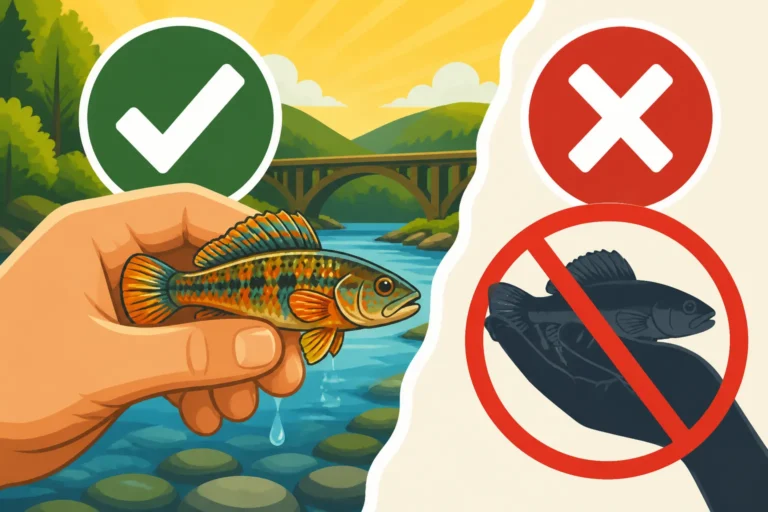
If you plan to release fish, handle them gently with wet hands, minimize their time out of the water, and use a net designed for catch and release to protect their slime coat. Having a proper Best landing net for trout is essential if you intend to practice catch and release. Even if you're keeping your limit, it's good practice to be mindful of the resource and ensure a positive experience for all anglers sharing the water. Remember, responsible angling ensures these fantastic opportunities remain available for years to come.
Disclaimer
This article is for general informational purposes only and does not constitute professional advice. Laws, prices and regulations vary by location and change over time. Consult a qualified professional for guidance on your specific situation.