Non-native trout species stocked in West Virginia
Many of us who flock to West Virginia's rivers and streams, eager to feel that tell-tale tug on our line, often picture a pristine wilderness teeming with wild fish. While our native brook trout are a true treasure, the sheer volume of amazing trout fishing opportunities we enjoy across the Mountain State largely comes down to the efforts of stocking programs, which introduce species that aren't originally from our waters. This guide is all about shedding light on those non-native trout species that make up the backbone of our recreational trout fisheries, helping you understand what you're catching and why they're here.
Understanding Non-Native Trout in West Virginia
When we talk about "non-native" trout in West Virginia, it simply means species that weren't originally found in our state's waterways before humans introduced them. It's not a bad thing – quite the opposite, in fact! These fish are brought in strategically to enhance fishing opportunities and provide a robust fishery that can handle the pressures of enthusiastic anglers like us. Our native brook trout are truly special, but they require very specific, cold, pristine habitats, and their populations can't always meet the immense demand for trout fishing throughout the state.
Why Non-Native Species? The Logic Behind Stocking
The decision to stock non-native trout isn't made lightly; it's a careful balancing act designed to maximize recreational enjoyment while considering the ecological landscape. The primary reason for stocking non-native species like rainbow and brown trout is straightforward: they grow relatively quickly, are more adaptable to a wider range of water conditions than our sensitive native brook trout, and can sustain a high level of fishing pressure.
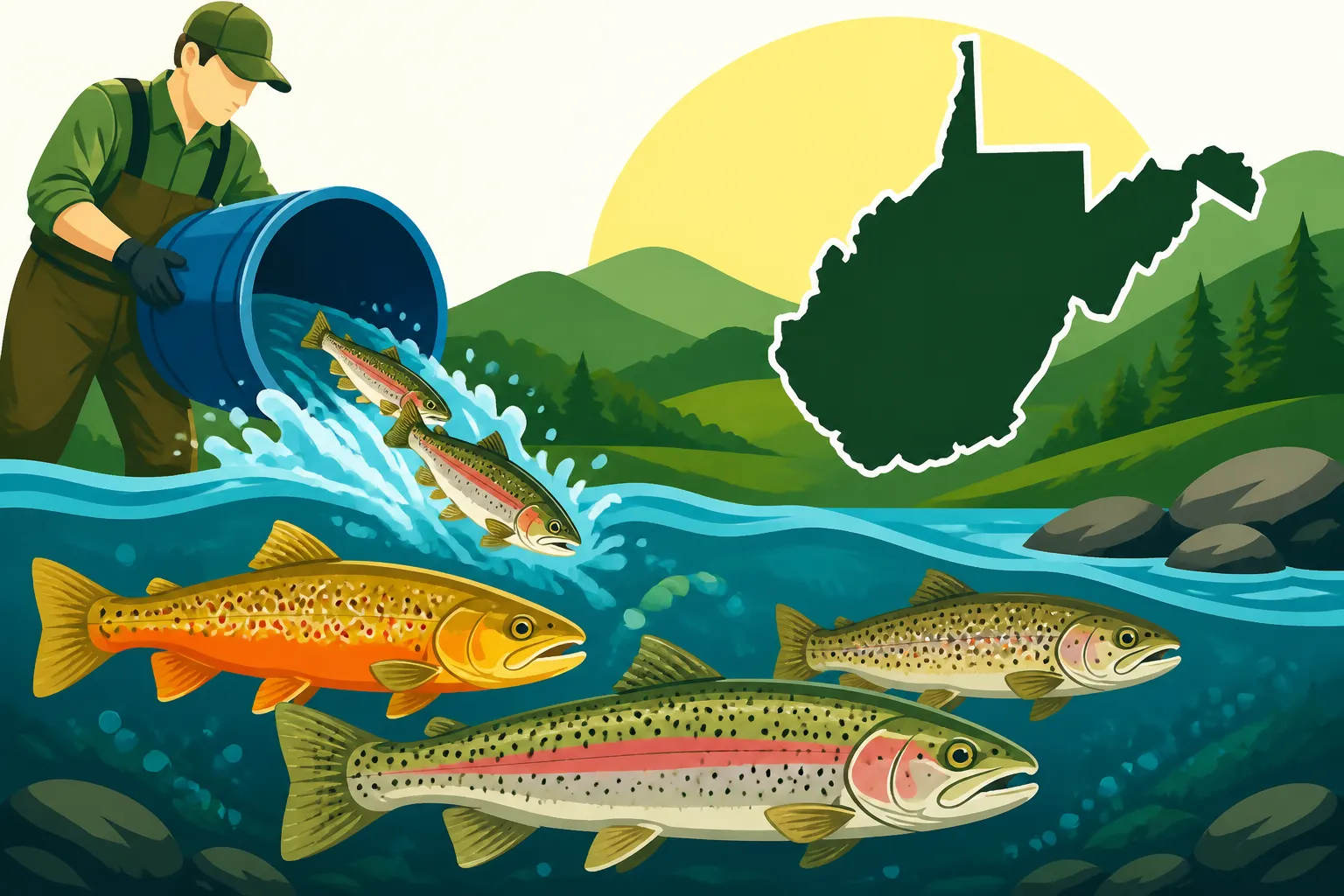
Think about it: if every angler relied solely on catching wild, native fish, many streams would be depleted in no time. Stocking programs essentially create a "put-and-take" fishery in many locations, ensuring that there are always fish to catch. This strategy allows the native populations in more remote or protected waters to thrive undisturbed, while providing easily accessible fishing for everyone else. It's a fantastic way to spread the joy of trout fishing across West Virginia, from small community ponds to popular rivers. You can often find out exactly where and when fish are being put in by checking the West Virginia Trout Stocking Hotline and Schedule.
Distinguishing Stocked from Wild Trout
It's natural to wonder if the trout you've just landed is a wild, self-sustaining fish or one introduced by the state. While both are a joy to catch, there are often tell-tale signs. Stocked trout, especially those recently released, might have slightly worn fins from their time in hatchery raceways, or their colors might not be as vibrant as a wild fish that has spent its entire life in a natural stream environment. Their bodies can sometimes appear a bit more 'uniform' in size and shape. Wild trout, on the other hand, often exhibit brighter, more intense coloration, pristine fins, and a more streamlined, muscular physique honed by navigating currents and hunting for food. They're typically more wary, too, making them a tougher, but incredibly rewarding, catch.
The Stars of the Show: Rainbow and Brown Trout
When you think of stocked trout in West Virginia, two species immediately come to mind: the rainbow trout and the brown trout. These hardy, beautiful fish have become staples of our state's fishing scene, each bringing its own unique characteristics and angling appeal.
Rainbow Trout: The Most Common Catch
Rainbow trout are undoubtedly the most widely stocked and frequently caught non-native trout species in West Virginia. Originally from the Pacific drainages of North America, they've been introduced worldwide due to their rapid growth, fighting spirit, and delicious taste. In West Virginia, they thrive in our cooler waters, especially in ponds, lakes, and rivers that are regularly stocked.
These fish are known for their distinctive pink or red stripe running horizontally along their sides, which gives them their name, and their bodies are usually covered in small black spots. They're generally quite aggressive eaters, making them a fantastic target for anglers of all skill levels. If you're new to trout fishing, a stocked pond full of rainbows is an excellent place to start. They're often eager to strike at a variety of baits and lures, which makes for a consistently exciting day on the water. Many anglers swear by classic baits like PowerBait dough, corn, or worms, while others prefer the thrill of catching them on small spinners or flies. Rainbow Trout Stocking in West Virginia details their prevalence and where to find them.
Brown Trout: The Wary Warrior
Brown trout, hailing from Europe, have a reputation for being a bit more elusive and challenging to catch than their rainbow counterparts. They're often recognizable by their brownish-golden hue, distinct dark spots (often with light halos around them), and sometimes reddish spots along their sides. While they are stocked throughout the state, brown trout also have a remarkable ability to adapt and survive in streams, often becoming "holdovers" that live for several years, grow to impressive sizes, and develop wilder instincts.
What makes brown trout so captivating is their predatory nature and their knack for survival. They can tolerate slightly warmer water than rainbow or brook trout, which allows them to persist in some streams through the summer months. As they get older and larger, they become increasingly wary and turn into formidable predators, feasting on smaller fish and large insects. This makes targeting trophy brown trout an exciting challenge, often requiring more finesse and strategic thinking. If you're looking for a fish that will test your skills, especially with a fly rod, the brown trout is your quarry. You can learn more about their behaviors and preferred habitats in Brown Trout Habits in West Virginia Streams.
The Alluring Golden Rainbow Trout
While not a separate species, the Golden Rainbow Trout deserves a special mention. This vibrant, bright golden-orange fish is a unique variant of the rainbow trout, specially bred in hatcheries and stocked exclusively in West Virginia for events like the annual Gold Rush. They're designed to be highly visible and incredibly exciting to catch, adding a splash of color and an extra thrill to the fishing experience. These stunning fish are a testament to how stocking programs can create truly unique recreational opportunities. Their striking appearance often makes them a favorite among anglers, creating memorable fishing stories and photos. Find out more about their unique lineage in Golden Rainbow Trout Origin and Genetics.
| Trout Species | Origin | Common Characteristics | Angling Appeal | Typical WV Stocking Role |
|---|---|---|---|---|
| Rainbow Trout | Western North America | Pink/red stripe, small black spots, often silver-sided. | Aggressive, easy to catch, good for beginners, strong fight. | Widely stocked, put-and-take fisheries. |
| Brown Trout | Europe | Brownish-gold, distinct dark spots with light halos, reddish spots. | Wary, challenging, can grow large, strong fighters, good holdovers. | Stocked for quality, trophy, and holdover fisheries. |
| Golden Rainbow Trout | Hatchery-bred (Rainbow variant) | Vibrant golden-orange color, highly visible. | Novelty, exciting visual, often targeted during special events. | Special event stockings (e.g., Gold Rush). |
Angling for Non-Native Trout: Tips and Tactics
Fishing for stocked trout in West Virginia offers a huge range of possibilities, whether you're a seasoned angler or just starting out. The key is understanding their behavior and having the right gear. Many of us have experienced the frustration of showing up to a recently stocked stream, only to find it crowded and the fish seeming to have lockjaw. But don't despair! With a little knowledge, you can still have a fantastic day.
Preferred Habitats and Hotspots
Stocked trout are released into a wide variety of waters across West Virginia. You'll find them in many of our beautiful Best Fishing Lakes in West Virginia and Best Fishing Rivers in West Virginia, as well as numerous smaller streams and even community fishing ponds. After being stocked, these fish often congregate in deeper pools, around submerged cover like logs or rocks, and in areas with moderate current where food might drift by easily.
For stream fishing, look for "runs" (sections of moderate current), deep pools, and eddy lines behind large boulders. In lakes, they tend to hang around points, creek mouths, and deeper humps, especially as the water warms up. The West Virginia Trout Stocking Schedule for January (or any month, really!) is your best friend for knowing where the fish are going to be most plentiful. Don't be afraid to move around and explore different sections of a waterway until you find where the fish are holding.
Effective Techniques for Stocked Trout
When it comes to catching these non-native beauties, versatility is your friend. Because they're often hatchery-raised, stocked trout are usually accustomed to eating pellets, so they aren't always super selective in their initial days in the wild.
- Bait Fishing: This is probably the most popular and easiest method, especially for beginners or families. Baits like PowerBait (in various colors and forms), corn, and live worms are incredibly effective. A simple slip sinker rig with a small hook, allowing your bait to drift naturally on the bottom or just off it, is often all you need. You can find a huge variety of PowerBait colors and styles on Amazon, perfect for experimenting.
- Spin Fishing: Small inline spinners (like Mepps or Panther Martin), tiny spoons (like Kastmasters or Little Cleos), and small stickbaits are fantastic choices. Cast them upstream and retrieve them downstream, or across current, mimicking struggling baitfish. Vary your retrieve speed until you find what triggers a strike. A good selection of these can easily be found on Amazon, ready for your next trip.
- Fly Fishing: For the purists, fly fishing for stocked trout can be incredibly rewarding. During hatches, dry flies can be effective, but often nymphs (like Hare's Ears, Pheasant Tails, or Squirmy Wormies) and small streamers (like Woolly Buggers) are more consistent producers. Focus on dead-drifting nymphs through deeper runs and pools. Searching for new fly patterns or tying materials on Amazon can be a great way to expand your arsenal. Fly Fishing for Trout in West Virginia offers more specific advice.
Essential Gear for Trout Anglers
Having the right gear makes all the difference, not just in catching fish, but in enjoying your time on the water.
- Rods and Reels: For most stocked trout fishing, a light-action spinning rod (5'6" to 6'6") paired with a small spinning reel spooled with 4-6 lb test monofilament or fluorocarbon line is perfect. Fly anglers will find a 3-5 weight fly rod to be ideal for West Virginia's trout streams. Check out Best Gear for West Virginia Trout Fishing for more in-depth recommendations.
- Tackle: Beyond your chosen baits and lures, always carry extra hooks (size 8-12), split shot, swivels, and a small pair of pliers or forceps for unhooking fish. A small tackle box or bag can keep everything organized. Many anglers find convenient, compact tackle organization systems available on Amazon incredibly useful for keeping their smaller items sorted.
- Waders and Boots: If you plan on wading streams, a good pair of breathable chest waders and sturdy wading boots are essential for comfort and safety, especially when navigating uneven, rocky streambeds.
- Safety Gear: Don't forget polarized sunglasses to reduce glare and spot fish, a hat for sun protection, and a small first-aid kit. A landing net with rubberized mesh is also recommended for easy and safe catch-and-release, minimizing harm to the fish. Even something as simple as a water bottle or a snack can be crucial on a long day, all easily sourced from Amazon.
The Broader Impact: Stocking, Conservation, and Regulations
The practice of stocking non-native trout is a core component of West Virginia's fisheries management, and it plays a vital role in balancing angler demand with ecological responsibility. It's a system that has evolved over decades, designed to keep our fishing heritage strong for generations to come.
Balancing Recreation and Ecosystem Health
Stocking programs are incredibly beneficial for recreational fishing, drawing anglers from all over and contributing significantly to local economies through tourism, gear sales, and related services. Those vibrant fishing experiences create lasting memories and foster a love for the outdoors, which is crucial for future conservation efforts. However, fisheries biologists work tirelessly to ensure that these stocking efforts don't negatively impact our state's native aquatic species or their habitats. Waters designated as "wild trout streams" are often left unstocked to protect the integrity of native brook trout populations, while other areas are carefully managed for a put-and-take fishery. It's a complex puzzle, and understanding the thought behind it helps us appreciate every fish we catch.
The Role of Anglers in Conservation
As anglers, we're not just consumers of this resource; we're also its stewards. Every time we purchase a fishing license or a Trout Stamps and Trout Fishing Rules in West Virginia, a portion of those funds goes directly back into conservation efforts, including habitat restoration, research, and, yes, stocking programs. The West Virginia's Conservation Stamp, Explained is another example of how angler contributions directly support the health of our natural resources.
It’s absolutely critical that we all adhere to West Virginia Fishing Regulations Explained, including bag limits, size restrictions, and specific rules for certain waters. These rules aren't just arbitrary guidelines; they're scientifically determined measures designed to protect fish populations and ensure sustainable fishing for everyone. Practicing responsible catch-and-release, properly disposing of trash, and respecting private property are all ways we contribute to the health of our fisheries.
Looking Ahead: Sustainable Fisheries
The future of West Virginia fishing, including our non-native trout fisheries, depends on a continued commitment to smart management and active conservation. As environmental conditions change, our fisheries management adapts, too. Research into fish behavior, habitat needs, and the impact of human activity helps shape future stocking decisions and conservation strategies. By remaining informed, participating in discussions, and adhering to regulations, we all play a part in ensuring that the Mountain State remains a fantastic destination for trout fishing, offering both the thrill of the catch and the beauty of our natural waters for years to come.
Disclaimer
This article is for general informational purposes only and does not constitute professional advice. Laws, prices and regulations vary by location and change over time. Consult a qualified professional for guidance on your specific situation.