How to catch trophy muskie in the fall
The crisp air of autumn descends upon West Virginia, bringing with it a profound shift in the landscape and, for many anglers, a singular obsession: the quest for a trophy muskie. This pursuit, however, often leads to frustration and empty nets for those who haven't quite cracked the code of these elusive giants. This comprehensive guide is designed to peel back the layers of mystery surrounding fall muskie fishing, equipping you with the knowledge and strategies to land that fish of a lifetime in the Mountain State's incredible waters.
Why Fall is Prime Time for West Virginia Trophy Muskie
As the leaves turn fiery red and brilliant gold across West Virginia's hills, a transformation occurs beneath the surface of our rivers and lakes. This seasonal shift is precisely what makes autumn the absolute best time to pursue trophy muskie, but it's not without its nuances. Anglers who understand these changes are far more likely to experience success.
The Seasonal Shift: Cool Water and Aggressive Ambush
Once those sweltering summer days fade and the water temperatures begin their steady decline, muskie metabolism kicks into high gear. They sense the impending colder months and the need to pack on reserves. This isn't just about survival; it's about bulking up for winter, and that means a more aggressive, less finicky muskie. They move from their deep, lethargic summer haunts to more accessible feeding grounds, often shallower areas where baitfish are congregating. You'll find them actively hunting, rather than just passively waiting. This also means they're often more willing to chase down a larger, more enticing meal than they might have been in the dog days of July.
The cooler water also increases oxygen levels, making muskie more active and less stressed. Imagine coming out of a long, hot summer where every exertion feels draining; fall for a muskie is like a breath of fresh, cool air. They're rejuvenated, strong, and focused on one thing: eating. This period offers a unique window where their predatory instincts are at their peak, making them more susceptible to well-presented lures. It’s a complete flip from the often frustrating "dog days" when muskie might ignore everything you throw at them.
Muskie Behavior in Autumn: Locating the Giants
Understanding where muskie position themselves in the fall is paramount. Unlike summer, when they might relate to thermoclines or deep structure, autumn sees them following their food. As baitfish like suckers, shiners, and shad begin to school up, muskie will be right on their tails. This means looking for areas where these forage fish congregate – shallow flats adjacent to deep water, weed lines that are still green, rocky points, and current seams in rivers. In lakes, think about offshore humps, submerged timber, and deep weed edges that provide both cover and ambush opportunities.
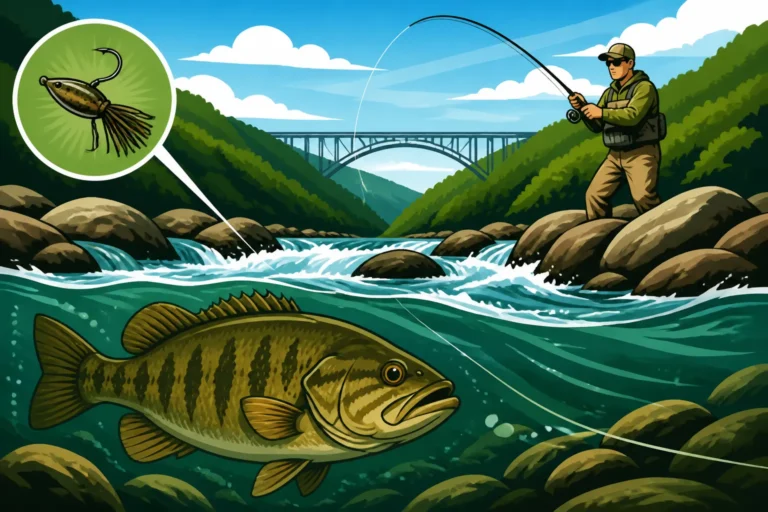
River muskie, which are a true West Virginia treasure, will often set up along current breaks, eddy lines, and behind large boulders or log jams. These spots allow them to conserve energy while waiting for an easy meal to be swept by. It's a game of efficiency for them. You might find them in relatively shallow water, perhaps only a few feet deep, if there's good cover and a steady food supply. This makes them accessible to both boat and bank anglers, though reaching true trophy fish often requires diligent exploration and a boat or kayak specifically designed for river conditions. To dive deeper into these incredible fish, check out our guide on Muskie Fishing in West Virginia.
Top Strategies and Techniques for Fall Muskie
The beauty of fall muskie fishing is the variety of effective techniques. Depending on the water body, conditions, and your personal preference, you can choose to troll, cast, or even jig for these apex predators. The key is to be deliberate and adapt to what the fish are telling you.
Trolling Big Baits: Covering Water and Triggering Strikes
Trolling is an incredibly effective method for covering vast amounts of water, especially in West Virginia's larger lakes and wider river sections. In the fall, muskie are often spread out as they hunt for baitfish schools, and trolling allows you to systematically search for active fish. This isn't just about dragging a lure; it's about precision. You'll want to use big, aggressive crankbaits, swimbaits, or even oversized bucktails designed to imitate large forage. Lures like large Rapalas, Bucher Shallow Raiders, or even custom-painted deep divers are excellent choices. Vary your speed, make subtle turns, and pay close attention to your electronics to identify baitfish schools or submerged structure where muskie might be lurking.
Consider using multiple rods with different lures and depths to quickly determine what the muskie are keying in on. For instance, you might run one lure shallow along a weed line and another deeper over a submerged hump. The action of the boat itself can impart an erratic, enticing movement to your lures, making them appear like struggling baitfish. Remember to check your lines frequently for debris, especially if you're trolling through areas with fall leaves or submerged vegetation. For specific gear recommendations, our article on Best Muskie Gear for West Virginia Rivers offers great insights.
Casting and Retrieving: Precision and Patience
While trolling covers water, casting offers a more targeted approach, allowing you to pick apart specific pieces of structure or cover. This is particularly effective in rivers or smaller lakes where muskie might be holding tight to a log jam, rock outcrop, or dense weed bed. The name of the game here is patience and persistence. Muskie are often ambush predators, waiting for a meal to swim by. Your cast needs to be accurate, and your retrieve varied and enticing. Experiment with different retrieve speeds, pauses, and jerks to mimic a wounded or fleeing baitfish.
Big bucktails, spinnerbaits, and large jerkbaits are staples for fall casting. When casting, think about angles. If you're working a point, cast from different directions to present your lure to muskie holding on different sides. For example, you might cast parallel to a shoreline, then perpendicular to it, and finally fan-cast across it. This ensures you're showing your lure to any fish in the vicinity. Don't be afraid to make hundreds, even thousands, of casts in a day – it's often the diligent angler who gets rewarded.
Key Lures for Autumn Muskie: What to Throw When
Fall muskie can be notoriously picky, but certain lure types consistently produce. It’s often about matching the hatch – or rather, matching the size and profile of the abundant fall baitfish.
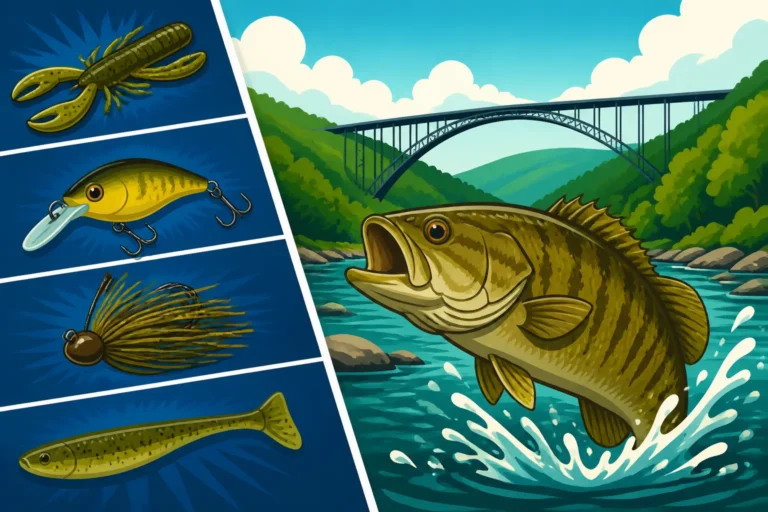
- Bucktails: These are arguably the most iconic muskie lures. In fall, opt for larger sizes (10s and 12s) with heavy blades and full dressings. Colors can vary, but black, brown, perch, and firetiger patterns are perennial favorites. The vibration and flash are irresistible to an active muskie.
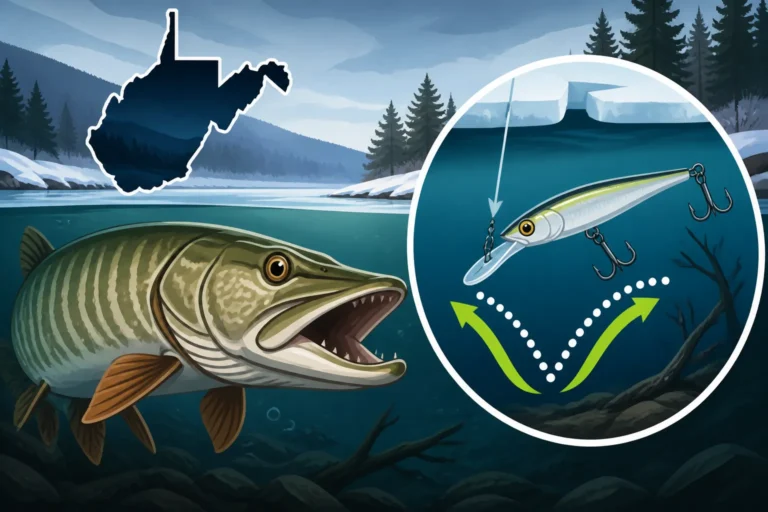
- Jerkbaits & Glide Baits: These lures require a more active retrieve, mimicking an injured baitfish. Larger models that suspend or slowly sink are ideal. Work them with long sweeps of the rod, followed by pauses. The longer the pause, especially in cooler water, the better. Consider checking out popular models like the Rapala Super Shad Rap or the Musky Mania Jakes, which are often found on sites like Amazon.
- Crankbaits & Swimbaits: For trolling or covering large areas, big deep-diving crankbaits and jointed swimbaits are excellent. Look for lures that dive to the depth where you're seeing baitfish or structure. Natural baitfish patterns (perch, suckers, shad) are often best.
- Topwater (Early Fall): Don't completely write off topwater in early fall, especially on warmer days or at dawn and dusk. Big walk-the-dog baits or prop baits can still trigger explosive strikes when muskie are feeding aggressively in shallower water.
- Soft Plastics: Large soft plastic jerkbaits or paddle tail swimbaits rigged on heavy jig heads can be deadly when muskie are holding deeper or when you need a slower, more subtle presentation.
Here's a quick reference table for some reliable fall muskie lures:
| Lure Type | Best Use | Typical Size Range | Key Characteristics |
|---|---|---|---|
| Bucktails | Casting, searching, active fish | #8 to #12 blades, 8-12+ inches | High flash, vibration, large profile |
| Jerkbaits | Targeted casting, mimic injured baitfish | 6-12 inches | Erratic side-to-side action, slow sink/suspending |
| Glide Baits | Targeted casting, subtle "S" swim | 6-10 inches | Unique swimming action, often weighted |
| Deep Diving Cranks | Trolling, deeper water, structure | 6-10 inches, dives 10-25+ feet | Aggressive wobble, good for covering water |
| Large Swimbaits | Trolling, casting, realistic baitfish imitation | 8-12+ inches, often jointed | Natural swimming action, versatile |
| Topwater | Early fall, low light, shallow water | 6-10 inches | Surface disturbance, exciting strikes |
For a more detailed breakdown of different lure types, read our Best Lures for Muskie Fishing in West Virginia article.
Equipping Yourself for West Virginia Fall Muskie
Chasing trophy muskie in the fall isn't a job for light tackle. These are powerful, often massive fish that demand robust gear capable of withstanding violent strikes and grueling fights. Investing in the right equipment isn't just about landing more fish; it's about ensuring a safe and ethical release for these magnificent creatures.
Rods, Reels, and Line: The Backbone of Your Setup
When it comes to muskie fishing, "heavy duty" is the mantra. You'll want a rod that's specifically designed for muskie or pike, typically 8 to 9.5 feet long with a heavy power and fast action. This length provides leverage for casting large lures and fighting big fish, while the heavy power allows you to control the muskie and the fast action helps with quick hook sets. Rods like these can be found from reputable brands and are often available on platforms like Amazon.
Pair your muskie rod with a heavy-duty baitcasting reel, often labeled "300" or "400" series. Look for a reel with a strong drag system and a high line capacity. A low gear ratio (around 5:1 or 4:1) is excellent for cranking in those big, high-resistance lures, giving you more power. For casting applications, a slightly higher gear ratio (6:1) can be beneficial for quickly taking up slack.
For line, braided superline is the only real choice. It has virtually no stretch, which is crucial for solid hook sets with large hooks and for feeling subtle strikes. Use a heavy braid, typically 80 to 100-pound test. Anything less risks snapping on a hard strike or when a muskie makes a sudden run. This heavy braid also helps cut through weeds. You'll always need a stout leader, as muskie teeth will slice through braid in an instant. Learn more about optimal rod and line choices in Best rod power for muskie fishing and Best line for muskie fishing in rocky rivers.
Essential Terminal Tackle and Safety Gear
Your terminal tackle needs to match the strength of your main line. For leaders, you'll want heavy fluorocarbon (at least 100-150 lb test) or wire leaders. Fluorocarbon is less visible and can be great in clear water, while wire offers maximum bite protection. The leader should be at least 12-18 inches long to prevent the muskie from biting through your main line. Use heavy-duty snaps and swivel to connect your lure to your leader; cheap ones will fail under the strain.
Beyond tackle, safety gear is non-negotiable, especially when handling a fish with such formidable teeth. A good pair of long-nosed pliers or jaw spreaders is essential for hook removal, protecting both you and the fish. Heavy-duty bolt cutters are also recommended in case a hook is too deeply set or in a dangerous position to remove normally; this allows you to snip the hook and quickly release the fish. Always have a first-aid kit on board for any accidental encounters with hooks or teeth.
The Importance of a Proper Landing Net and Release Tools
This cannot be stressed enough: a proper muskie net is not optional; it is absolutely vital. A standard bass net simply won't cut it. You need a large, deep, rubberized net with a strong hoop and handle. The rubberized mesh protects the fish's slime coat and fins, minimizing damage during landing. It also prevents hooks from getting tangled, making hook removal much faster and safer for both you and the muskie.
Once netted, the clock starts ticking. Muskie are delicate creatures despite their formidable appearance, and prolonged time out of water can be fatal. In addition to pliers and jaw spreaders, a good hook cutter (as mentioned above) is crucial. Some anglers also use a release tool, a long, curved device that allows for quick hook removal without putting your hands too close to their mouth. Always work quickly and efficiently, keeping the fish in the net and in the water as much as possible while you remove hooks. For detailed release advice, refer to Muskie catch and release survival tips.
Crucial Considerations for Successful Fall Muskie Angling
Catching a trophy muskie in the fall isn't just about having the right gear and techniques; it's about understanding the broader environment and respecting the fish you're pursuing. Successful muskie anglers are always learning, adapting, and prioritizing the well-being of their catch.
Reading the Water and Weather: Environmental Factors
Fall weather in West Virginia can be unpredictable, ranging from warm, sunny days to sudden cold fronts. These conditions significantly impact muskie behavior. A sudden drop in temperature or a strong cold front can make muskie lethargic and less willing to chase, often driving them deeper or into denser cover. Conversely, stable, high-pressure days with clear skies can make them more active. Pay attention to changes in barometric pressure, as a rising or stable barometer often correlates with better feeding activity.
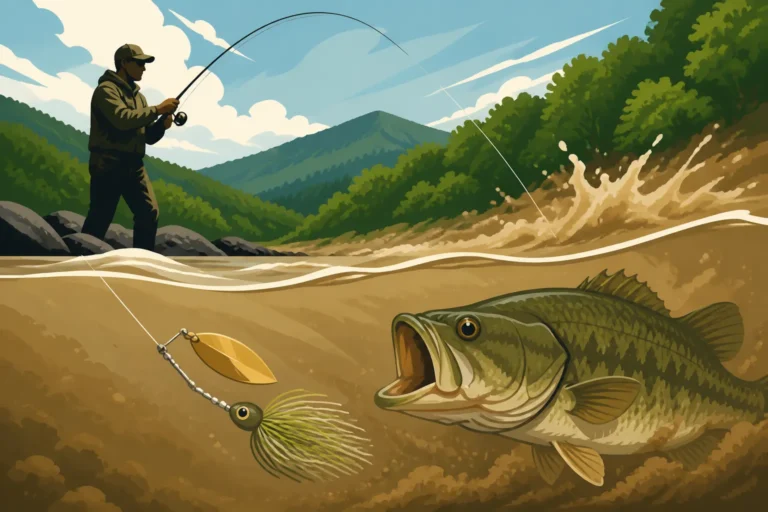
Water conditions also play a huge role. Look for areas with current breaks, eddies, and seams in rivers. In lakes, focus on points, humps, weed lines, and rock piles. The presence of baitfish is the biggest indicator. If you're not seeing bait on your electronics or visually, you're likely not in a prime muskie area. The clearer the water, the more subtle your approach might need to be, opting for more natural lure colors and a slightly slower retrieve. In stained or turbid water, brighter colors and more aggressive presentations can be effective.
The Critical Figure Eight and Responsible Release Practices
One of the most critical techniques for muskie fishing, especially when casting, is the "figure eight." This maneuver happens at the boat side after you've retrieved your lure all the way to the rod tip. Instead of immediately lifting your lure out of the water, you plunge your rod tip into the water and trace a large, continuous figure-eight pattern with your lure next to the boat. This often triggers a muskie that has been following your lure but was hesitant to strike. They see the "escape" of the lure and strike aggressively. Many trophy muskie are caught right at the boat this way, so never skip it! Our guide on How to figure eight a muskie boatside provides a deeper dive into this crucial technique.
Responsible catch and release practices are paramount for muskie. These fish grow slowly and are a valuable resource. Keep their time out of the water to an absolute minimum. Hold them horizontally, supporting their belly, and never vertically by the head or gills, which can damage internal organs. If possible, remove hooks while the fish is still in the net and in the water. If you must bring them into the boat for a quick photo, wet your hands thoroughly, handle them gently, and return them to the water headfirst, holding them until they swim off strongly. Remember to always be aware of Muskie Regulations in West Virginia Waters to ensure you are fishing legally and ethically.
Disclaimer
This article is for general informational purposes only and does not constitute professional advice. Laws, prices and regulations vary by location and change over time. Consult a qualified professional for guidance on your specific situation.