Best technique for docks and laydowns
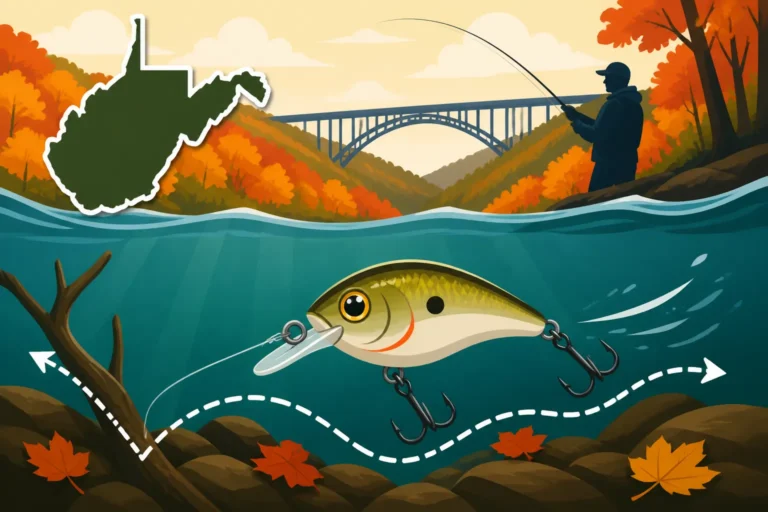
There’s a common frustration many West Virginia anglers share: you pull up to a promising-looking dock or a sprawling fallen tree, full of hope, only to walk away empty-handed and perhaps with a few lost lures. These structures are known fish magnets, yet they can be incredibly intimidating to fish effectively. This guide is here to break down the secrets of successfully targeting fish around docks and laydowns, turning those frustrating snags into triumphant catches across our beautiful Mountain State waters.
Why Docks and Laydowns are Goldmines for Anglers
Think about it from a fish's perspective: you're a tasty little bluegill, or a chunky largemouth, or even a sleek muskie. Where do you go when the sun beats down, when a predator is hunting, or when you simply want to relax in a current break? You look for cover. You look for structure. And docks and laydowns offer both in spades, making them prime real estate for nearly every fish species we cherish in West Virginia.
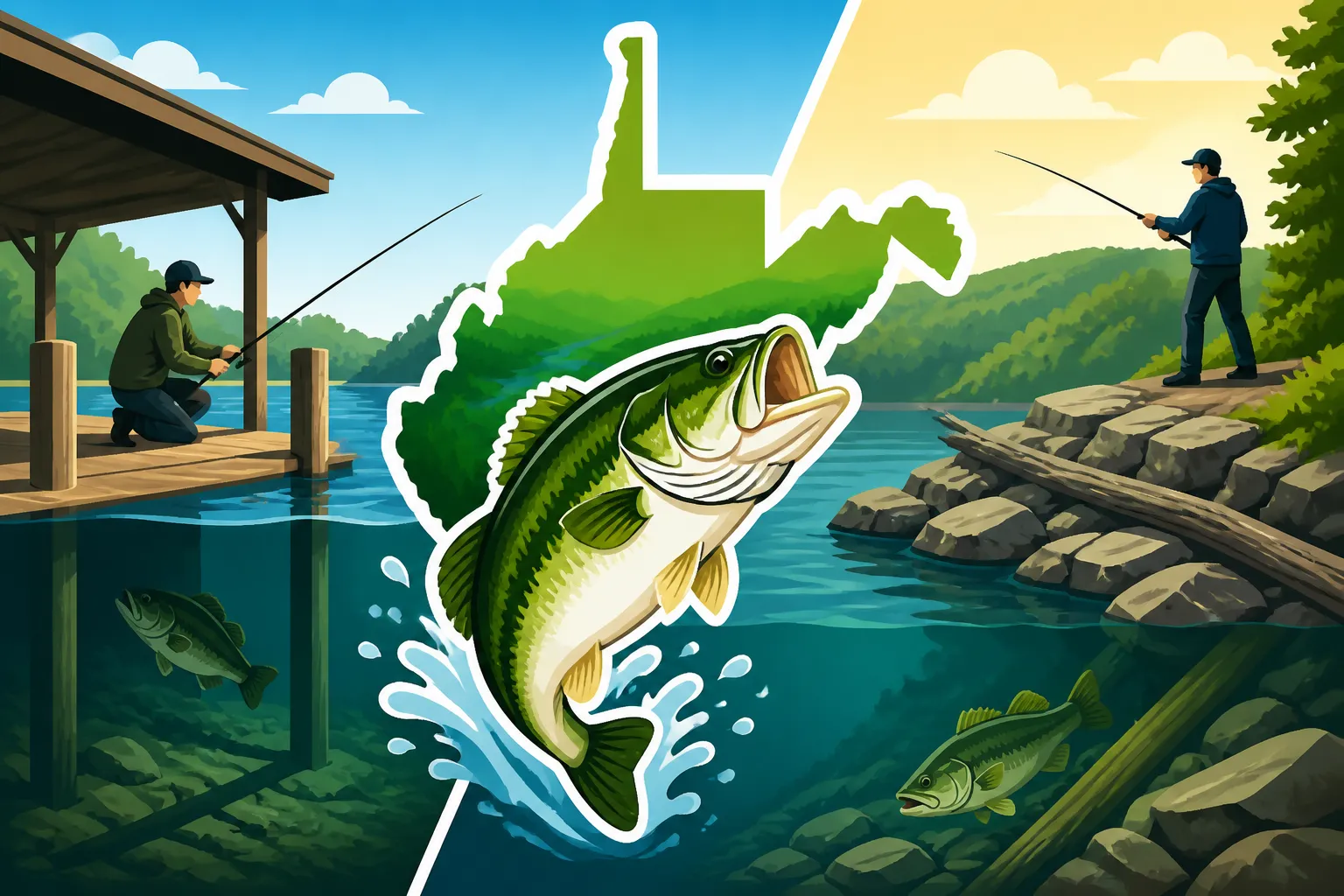
Docks, whether floating or fixed, provide overhead shade that's invaluable on bright, sunny days. This shade not only offers comfort but also creates an ambush point for predatory fish. Imagine a largemouth bass lurking in the cool shadows, perfectly camouflaged, waiting for an unsuspecting baitfish to swim by. The pilings or pontoons themselves offer vertical structure, a kind of underwater tree where baitfish can congregate, and bigger fish can hold tight against. Often, there’s deeper water near docks, especially those extending from shore, giving fish easy access to different depths as conditions change. Don't forget the growth that clings to dock posts – mussels, algae, and insect larvae – all providing a small ecosystem that attracts smaller fish, which in turn attract larger ones.
Laydowns, on the other hand, are the natural equivalent of docks, but often even more complex and productive. These are typically fallen trees or brush piles that have ended up in the water, creating a chaotic, dense labyrinth of branches, trunks, and roots. This tangled mess offers unparalleled protection from predators, shade from the sun, and a buffet of insects and crustaceans that live within the decaying wood. The current breaks created by a large laydown in a river or stream are incredibly attractive to species like smallmouth bass, which expend less energy holding in slack water while still being able to dart out into the current for a meal. For a variety of fish, from panfish to muskie, a laydown is essentially a five-star hotel with an all-you-can-eat buffet right outside the door.
Mastering the Art of Fishing Docks in West Virginia
Fishing docks isn't just about casting at them; it's about understanding the subtle nuances of how fish use them and presenting your lure in a way that triggers a strike. It requires precision, patience, and a willingness to explore different angles.
The Stealthy Approach and Precision Casting
First things first, stealth is paramount. Docks, especially those frequented by people, can make fish wary. Approach quietly, whether you're in a boat or wading. Keep your shadow off the water as much as possible, and avoid bumping into the dock itself. Once you're in position, your casting accuracy will make all the difference. The goal is often to get your lure as far under the dock as possible, into those deep, dark recesses where fish feel safest. This is where techniques like skipping and pitching really shine.
Skipping involves throwing a lure that skims across the water's surface, like a skipping stone, to slide under low-hanging docks or boat lifts. Soft plastics, often rigged weightless or with a light bullet weight, are fantastic for skipping. Think about a tube jig or a small jig with a soft plastic trailer; these can be deadly. Best Lure Color for Muddy Water Bass Fishing might give you some ideas for different conditions around docks. Pitching is a more controlled, shorter-range cast where you swing the lure like a pendulum, letting it softly enter the water with minimal splash. Both require practice, but mastering them will open up a whole new world of dock fishing. Aim for the darkest spots, the edges of the shade line, and near any boat lifts or ladders.
Lure Selection for Docks
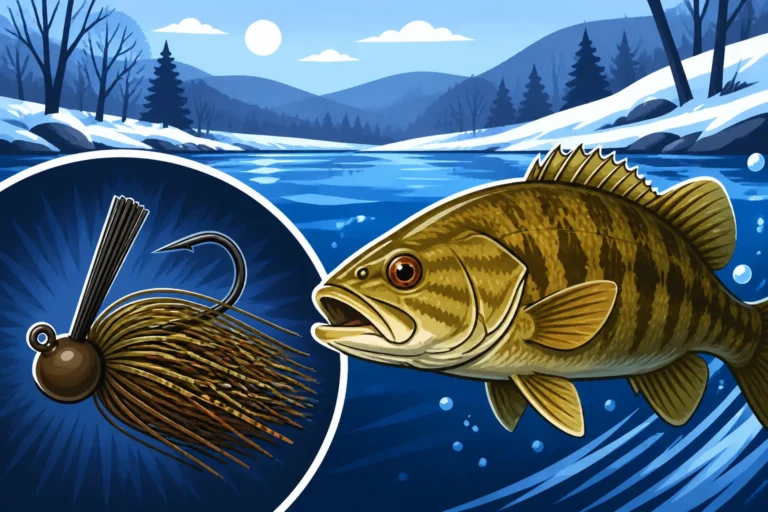
When it comes to lures for dock fishing, versatility is key. You need something that can get into tight spots, mimic common baitfish or crawfish, and has a good hook-up ratio despite potential snags. Jigs, especially compact jig-and-trailer combos, are absolute champions here. A ½ oz black and blue jig with a matching craw trailer is a classic for a reason – it imitates a crawfish perfectly, a favorite meal for many West Virginia bass. Pitch it under the dock, let it sink, and slowly hop it along the bottom or jiggle it around dock pilings.
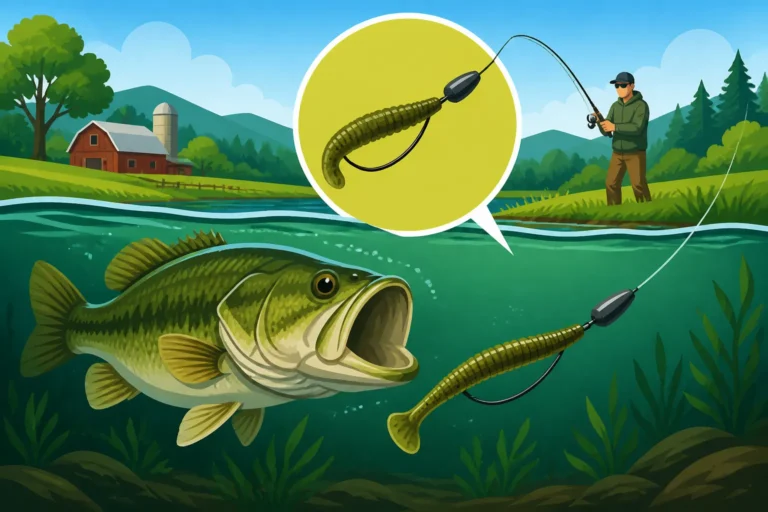
Soft plastics are another must-have. Texas-rigged worms, creature baits, or even senko-style sticks are fantastic because they're relatively weedless and offer a natural, subtle fall that wary fish appreciate. Try a dark-colored worm, like green pumpkin or junebug, rigged on a 3/0 or 4/0 EWG (extra wide gap) hook. Allow it to sink slowly, then twitch it gently. For crappie lurking under docks, tiny jigs with soft plastic bodies, or even small minnows under a float, can be incredibly effective. Remember, fish under docks are often looking for an easy meal hiding in the shadows. Best Crappie Fishing in West Virginia can give you more insights into targeting these tasty panfish.
Conquering Laydowns: Tactics for Tangled Timber
Laydowns are often bass havens, but they can be a tackle graveyard if you're not careful. The trick is to be aggressive yet precise, using the right gear and techniques to pull fish out of the densest cover.
Flipping and Pitching Heavy Cover
Much like docks, flipping and pitching are your bread and butter for laydowns, but with a more aggressive approach. Flipping is typically done very close to the cover, swinging a heavy lure (like a jig or a weighted creature bait) into the densest parts of the laydown. The idea is to present the bait vertically, dropping it straight down into small pockets of open water within the brush. This often requires a long, heavy-action rod (think 7'6" to 8' models) and braided line to horse fish out of the timber. You'll want to choose a rod with a Best Rod Power for Muskie Fishing type of backbone, even for bass.
Pitching for laydowns is similar to pitching for docks, but you're often targeting specific branches, the trunk, or the root ball. You want your bait to land softly but penetrate the cover. Again, weedless presentations are non-negotiable. Texas-rigged plastics with heavy weights (½ oz to 1 oz) or heavy jigs with brush guards are your best friends. Don't be afraid to make multiple casts to the same laydown, hitting different angles and depths. Fish often burrow deep into these piles, and it might take a few attempts to get your lure right in front of them.
Lure Choices and Presentation for Laydowns
Given the heavy cover, snag-resistant lures are paramount. Jigs with stout weed guards are ideal, especially those designed for flipping. Colors like black and blue, green pumpkin, or brown are excellent choices to mimic crawfish or small baitfish. Pair your jig with a bulky creature bait or a craw imitation trailer to add bulk and action. Present it by letting it fall through the branches, then gently shaking your rod tip to make it "dance" in place. If nothing bites, reel in, and pitch to another pocket.
Texas-rigged soft plastics are another staple. Worms, creature baits, and even larger soft plastic stick baits can be punched through thicker cover. Use heavy tungsten weights – they’re more compact than lead, allowing your bait to slip through tight spaces more easily. You'll want to use strong, sharp hooks, like a 4/0 or 5/0 heavy-wire EWG hook, to ensure a solid hookset and prevent the hook from bending under pressure. Spinnerbaits and buzzbaits can also be effective around the edges of laydowns, especially if there's enough clear water above the cover. Cast them parallel to the laydown or over its shallower parts, causing a commotion that might draw fish out of the wood. Remember to check out Best Crankbaits for West Virginia Smallmouth Bass for some great lure ideas that can also work effectively on the periphery of these structures.
Essential Gear and Smart Strategies for Success
Having the right tools and a solid plan can significantly increase your success rate when fishing docks and laydowns. Don't skimp on quality when you know you'll be battling fish in heavy cover.
The Right Rod, Reel, and Line Setup
For both docks and laydowns, you'll generally want a heavier setup than what you might use for open water fishing. A baitcasting reel paired with a medium-heavy to heavy power rod, typically 7 to 7.5 feet in length, is ideal. This gives you the backbone to pull fish out of thick cover and the casting accuracy needed for precision presentations. For the line, many anglers swear by braided line, especially for flipping and pitching. Braided line offers superior strength, no stretch (which means better sensitivity and hooksets), and excellent abrasion resistance against wood and dock pilings. Look for 30 to 65-pound test braid, depending on the density of the cover. You can tie a fluorocarbon leader (15-25 pound test) to your braid if you feel the fish are line-shy, especially in clearer waters like some of our pristine trout streams. The Best Rod and Reel Combo for Beginners might offer a good starting point if you're just getting into this kind of fishing.
| Structure Type | Recommended Rod Action/Power | Recommended Line (Main/Leader) | Key Lure Types | Casting Technique Focus |
|---|---|---|---|---|
| Docks (Under) | Medium-Heavy, Fast Action | 15-20 lb Fluorocarbon (or Braid w/FC Leader) | Jigs, Soft Plastics (Senkos, Tubes) | Skipping, Pitching |
| Docks (Edges) | Medium-Heavy, Fast Action | 12-17 lb Mono/Fluoro | Crankbaits, Spinnerbaits, Jigs | Accurate Casting, Parallel |
| Laydowns (Dense) | Heavy, Fast/Extra-Fast Action | 30-65 lb Braid (w/optional FC Leader) | Flipping Jigs, Texas-Rigged Creature Baits | Flipping, Punching |
| Laydowns (Sparse) | Medium-Heavy, Fast Action | 20-30 lb Braid (w/optional FC Leader) | Texas-Rigged Worms, Spinnerbaits, Buzzbaits | Pitching, Casting Over |
For specific gear, I often find myself browsing Amazon for high-quality braided line or durable jig hooks that can stand up to the abuse of heavy cover. Having a reliable supplier like Amazon for my fishing essentials means I can spend less time worrying about gear and more time on the water.
Strategic Boat Positioning and Retrieve
Your boat positioning is crucial. For docks, try to keep your boat a comfortable casting distance away, allowing you to cast parallel to the dock or directly underneath it without spooking fish. Experiment with different angles. Sometimes, a long cast from the side is best; other times, getting right up close and pitching will be more effective. The current, if any, will also play a role, so consider how it affects your drift and lure presentation.
For laydowns, especially large ones, approach cautiously. You don't want to blow up the spot before you've even made a cast. Start by fishing the outer edges, then gradually work your way deeper into the cover. Remember, the biggest fish often hold in the thickest part of the laydown. When you get a bite in heavy cover, it's often an aggressive strike. Resist the urge to set the hook like you would in open water. Instead, engage your reel, lean into the fish, and try to pull it out of the cover as quickly as possible. This is where the heavy rod and braided line really pay off. If you're on a West Virginia river, knowing Operating a Boat Near an Angler in West Virginia is also important to maintain good etiquette.
Seasonal Considerations and Time of Day
Fish use docks and laydowns differently throughout the year. In the spring, especially pre-spawn, docks and laydowns near shallower spawning flats can hold big bass looking for staging areas. Later in the spring and into early summer, fish might be guarding nests or recuperating nearby. Is West Virginia Bass Season Open Year-Round? will give you more details on when you can target these fish. During the hot summer months, the shade offered by these structures becomes incredibly important, and fish will often hold tight to the darkest, coolest spots. This is a prime time for skipping jigs deep under docks or flipping heavy cover in laydowns.
As fall approaches, fish become more active, chasing baitfish. Docks and laydowns near main lake or river channels can be excellent ambush points. Don't forget that West Virginia Fishing Seasons by Month vary for different species, so always check the regulations. In winter, fish may move to the deepest parts of these structures, often relating to the very base of the pilings or the thickest part of a submerged tree, seeking stable temperatures. The time of day also matters. Early morning and late evening often see fish moving to the outer edges of these structures to feed, while during midday sun, they'll retreat deep into the shade and cover. Understanding these patterns will help you choose the best time and approach for your dock and laydown fishing adventures.
Disclaimer
This article is for general informational purposes only and does not constitute professional advice. Laws, prices and regulations vary by location and change over time. Consult a qualified professional for guidance on your specific situation.