Bluegill Habits in West Virginia Ponds
There's nothing quite like the joy of catching a mess of bluegill, especially when you're introducing a new angler to the sport. But sometimes, those familiar West Virginia ponds can seem a bit elusive when it comes to finding consistent bluegill action. This guide is all about peeling back the layers of mystery surrounding bluegill habits in our local ponds, giving you the insights you need to understand their world and, more importantly, how to find and catch them reliably.
Understanding the West Virginia Bluegill: More Than Just a "Panfish"
Bluegill, often affectionately called "bream" or "sunnies" by anglers across West Virginia, are truly the quintessential panfish. They're accessible, feisty, and absolutely delicious, making them a favorite target for everyone from seasoned veterans to excited youngsters on their first fishing trip. But beneath that eager-to-bite exterior lies a complex creature with distinct habits shaped by its environment. Understanding these characteristics is the first step to becoming a more successful bluegill angler.
Visual Cues and Identification: Spotting Your Quarry
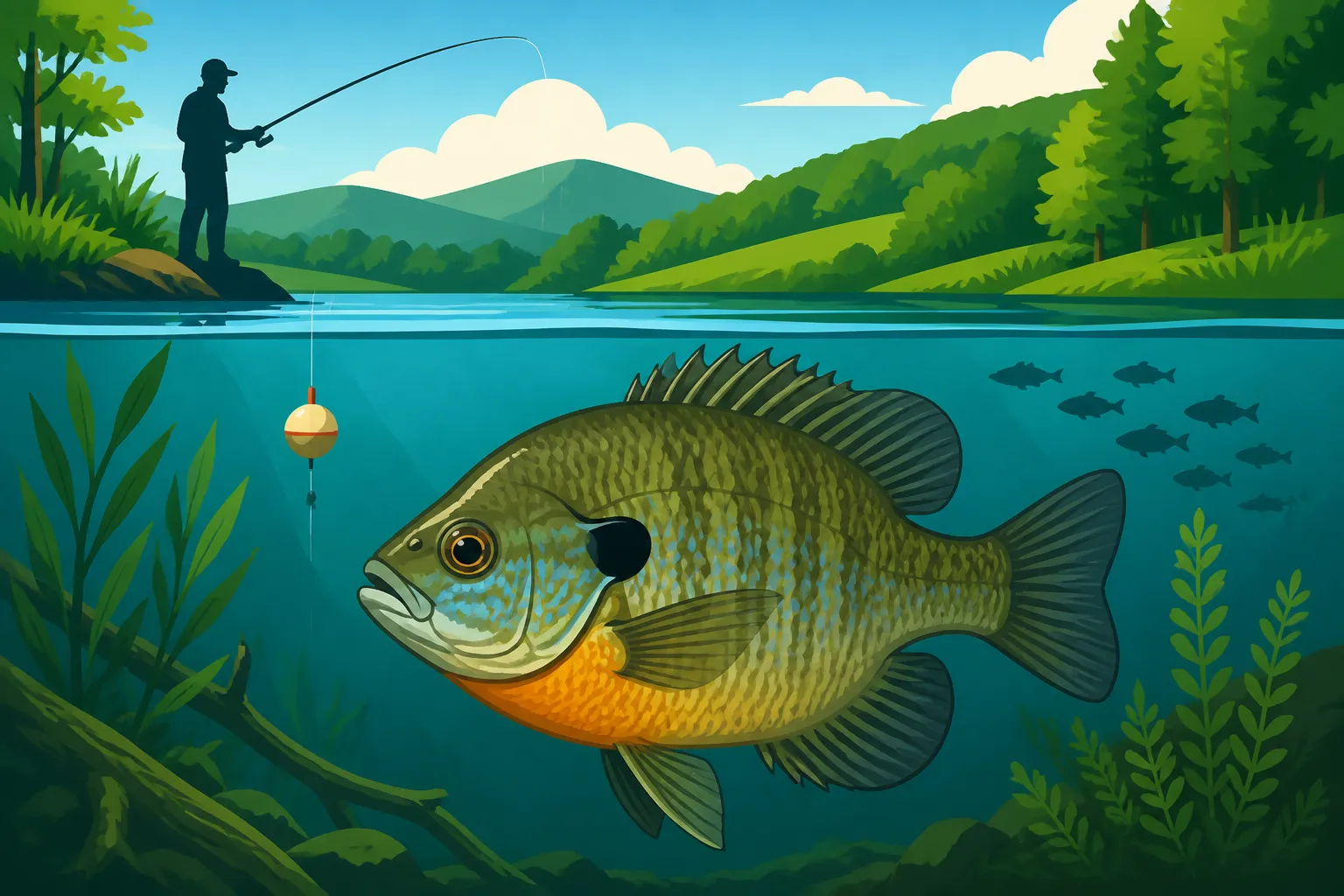
Identifying a bluegill is usually pretty straightforward, but it's helpful to know what to look for, especially since they share ponds with other sunfish species. The most distinctive feature is a small, black, flap-like extension on the gill cover, often referred to as the "ear flap." This flap is entirely black on a true bluegill, distinguishing it from other sunfish like pumpkinseeds, which might have an orange or red spot on their flap. Their body is typically round and compressed laterally, giving them that classic disc-like panfish shape.
Coloration can vary wildly depending on the water clarity, diet, and even the fish's mood during spawning. Generally, bluegill have an olive-green back that fades to lighter, sometimes yellowish or silvery sides, often marked with 6-8 vertical bars that can be quite faint or very prominent. They might display a blue or purplish sheen on their gill plates and lower jaw, giving them their "bluegill" name. The belly is usually white to yellow, and mature males, especially during the spawn, can develop vibrant orange or rust-colored breasts and darker bodies. Knowing these variations helps you confirm you're catching a true bluegill, rather than a hybrid or another sunfish species, which can have different habits or size potentials. For a broader understanding of similar species, check out our Sunfish Species Identification Guide for West Virginia.
Size, Growth, and Lifespan in Mountain State Ponds
While bluegill are a common catch, their size can vary significantly based on the pond's ecosystem, food availability, and population density. In overcrowded ponds with limited resources, you might find an abundance of small, stunted bluegill. However, in well-managed ponds with a healthy forage base and predator population (like largemouth bass), bluegill can grow to impressive sizes, offering a truly rewarding fight on light tackle.
Typically, bluegill in West Virginia ponds will grow to be 6 to 8 inches long, weighing a few ounces. However, it's not uncommon to land "hand-sized" bluegill pushing 9 or 10 inches, especially from lakes or larger ponds with excellent habitat. The absolute giants can even reach over a pound! Their growth rate is directly tied to their food supply and how many other bluegill they're competing with. In a good environment, they can reach catchable size within a couple of years. Bluegill generally live for 5-6 years, but in ideal conditions, some individuals might survive up to 8-10 years, becoming those truly memorable trophy panfish. It’s always fun to see How big bluegill get in West Virginia ponds in optimal conditions.
Where Bluegill Call Home: Preferred Pond Habitats in West Virginia
You can't just cast a line anywhere in a pond and expect to catch bluegill. These fish are creatures of habit and prefer specific environments that offer food, shelter, and safety from predators. Understanding what makes a bluegill happy in a West Virginia pond is key to locating them consistently.
The Ideal Pond Environment: What Bluegill Look For
Bluegill thrive in warm, shallow, and slow-moving or still waters, making farm ponds, small lakes, and backwater coves of larger reservoirs perfect candidates. They prefer water that's not too murky but also not crystal clear, often gravitating towards areas with some vegetation. Ideal ponds will have a healthy balance of aquatic plants, which provide oxygen, food, and cover, without being completely choked by them.
Ponds with a good population of largemouth bass are often excellent for bluegill. It might seem counterintuitive, but a healthy bass population helps control bluegill numbers, preventing overpopulation and stunting. When there are too many bluegill and not enough predators to thin them out, the entire population becomes small because of intense competition for food. So, a pond that holds some decent bass often means better-sized bluegill for you! Look for ponds that have a varied bottom contour, some shallower flats, and slightly deeper holes or channels, as bluegill will utilize all these areas throughout the day and year.
Structure and Cover: Bluegill's Favorite Hiding Spots
Bluegill are absolute magnets for structure and cover. Think of it from their perspective: they're relatively small fish, and they need places to hide from herons, otters, and those hungry largemouth bass. They also need places where their invertebrate food sources can thrive. This means you should always target areas that offer protection and foraging opportunities.
Some prime examples of bluegill hot spots include:
- Submerged Vegetation: Lily pads, cattails, pondweeds, and even filamentous algae provide excellent cover. Bluegill will weave in and out of these plants, feeding on insects and their larvae. Cast your bait or lure right up to the edge or into small openings in the weeds.
- Fallen Trees and Logs (Laydowns): Wood offers both shade and a hard surface for algae and invertebrates to grow, attracting bluegill. Fish around the branches and trunk, especially the part submerged deeper.
- Docks and Piers: These man-made structures provide overhead shade and vertical structure that fish love. The pilings often collect algae, and smaller baitfish might congregate there, drawing in bluegill.
- Rock Piles or Riprap: Rocky areas offer crevices for protection and food, and they warm up faster in the sun, attracting invertebrates.
- Brush Piles and Christmas Trees: Many pond owners sink brush piles specifically to attract fish. These are bluegill magnets! They offer dense cover that bluegill feel safe in.
- Undercut Banks: Where the bank erodes and overhangs the water, it creates a shaded, protected pocket that bluegill will utilize, especially on sunny days.
When you're looking for Best shore fishing spots near Charleston West Virginia or any pond, these types of natural and man-made structures are exactly what you should be scanning the shoreline for. A good pair of polarized sunglasses, available on platforms like Amazon, can make identifying submerged structure much easier.
The Ritual of Reproduction: Bluegill Spawning in West Virginia
Understanding the bluegill's spawning habits is incredibly beneficial for anglers, as it's often the easiest time to locate and catch large numbers of fish, including some of the biggest males. Bluegill are prolific spawners, and their reproductive cycle is a fascinating display of instinct and parental care.
Nesting Habits and Colony Life
Bluegill typically begin their spawning ritual when water temperatures consistently reach the mid-60s Fahrenheit, usually from late May through July in West Virginia, sometimes extending into August with multiple spawns. Unlike many fish that spawn once and are done, bluegill are fractional spawners, meaning a female can lay eggs several times throughout the summer.
Males are the architects of the nest, fanning out shallow, saucer-shaped depressions on the pond bottom, usually in water 1 to 3 feet deep. They prefer firm bottoms like sand, gravel, or even hard clay, often clearing away any soft silt or debris. What's truly unique about bluegill is their tendency to create "spawning colonies." You won't find just one nest; instead, you'll discover dozens, sometimes hundreds, of nests clustered together in a relatively small area. It looks like a honeycomb on the pond bottom. This communal spawning behavior creates intense competition among males and can be a fantastic opportunity for anglers.
During this period, the male bluegill are fiercely protective of their nests. They'll actively guard the eggs and fry from any perceived threat, including your bait. This aggressive behavior makes them relatively easy to catch, especially when they are actively fanning their nests. They'll hit just about anything that comes near their territory.
Parental Care and Fry Development
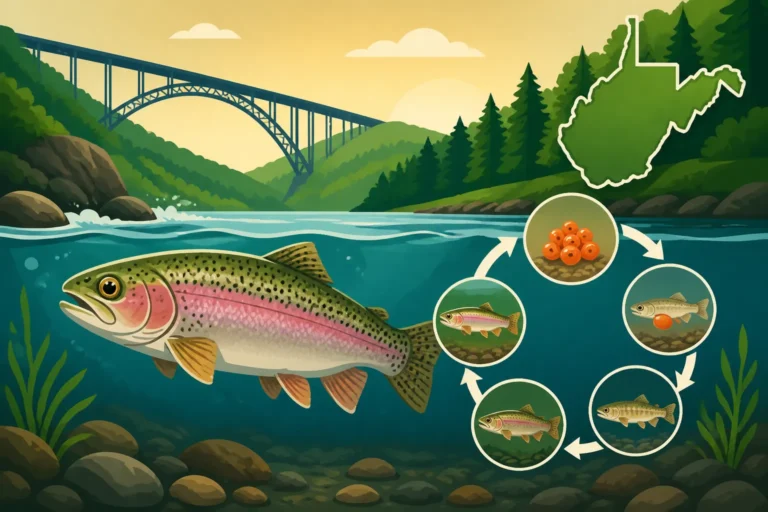
Once the male has prepared the nest, a female will approach, lay her eggs, and then depart, leaving the male in charge. The male's role as guardian is critical. He tirelessly guards the eggs, fanning them with his fins to keep them oxygenated and free of silt, while also warding off predators like minnows, crayfish, and even other bluegill that might try to eat the eggs or newly hatched fry. This protective instinct is why they strike so readily when you cast into a spawning bed.
The eggs typically hatch within 2-5 days, depending on water temperature. Even after hatching, the tiny bluegill fry remain in the nest for several more days, benefiting from the male's protection. Once they are strong enough to swim freely, they disperse into the surrounding vegetation, seeking refuge and food. The male may then attempt to attract another female to spawn in his nest, or he might move on to create a new one, continuing the cycle throughout the warm months. Understanding this cycle helps you predict when and where the biggest concentrations of bluegill, particularly the aggressive males, will be found.
What's on the Menu? Bluegill Diet and Foraging Strategies
Bluegill are opportunistic feeders with a diverse diet, which contributes to their widespread success in West Virginia ponds. Knowing what they eat helps you select the most effective baits and lures, imitating their natural food sources.
Primary Food Sources: A Diverse Palate
Bluegill are primarily insectivores, meaning their diet largely consists of insects and their larvae. However, they are not picky eaters and will consume a wide range of other small organisms and even some plant matter.
Their typical menu includes:
- Aquatic Insects: Mayfly nymphs, caddisfly larvae, dragonfly nymphs, damselfly nymphs, and mosquito larvae are staples. These are abundant in most healthy pond ecosystems.
- Terrestrial Insects: Worms, crickets, grasshoppers, and ants that fall into the water become quick meals. This is why natural baits like redworms are so effective.
- Small Crustaceans: Daphnia, copepods, and other tiny zooplankton are crucial food sources, especially for juvenile bluegill. Larger bluegill might also consume small scuds or amphipods.
- Snails and Mussels: Small snails found clinging to aquatic vegetation are another common food item.
- Small Fish Fry: While not their primary diet, larger bluegill are not above snatching up the fry of other fish species, including their own, if the opportunity arises.
- Algae and Plant Matter: While bluegill are not true vegetarians, they will occasionally graze on algae or detritus, especially when other food sources are scarce.
The availability of these food items directly impacts the growth rate and overall health of the bluegill population in a pond. A diverse ecosystem with plenty of bugs usually means healthy, robust bluegill.
Efficient Feeding Tactics in Pond Ecosystems
Bluegill are highly efficient feeders, using a variety of strategies to capture their prey. They have small, protrusible mouths, which are perfectly adapted for nipping at insects or sucking up small organisms.
Some of their common feeding tactics include:
- Cruising and Nipping: Bluegill will slowly cruise through weed beds or along submerged structures, nipping at insects and larvae clinging to plants or submerged wood. They are constantly on the lookout for small, easy meals.
- Surface Feeding: Especially during insect hatches or when terrestrial insects fall into the water, bluegill will rise to the surface to gulp down their prey. This is when topwater flies or small poppers can be incredibly effective.
- Bottom Foraging: Bluegill will often root around in the soft bottom of a pond or among gravel, stirring up insect larvae and small crustaceans. This is why a bait presented near the bottom is often so successful.
- Ambush Predation (on smaller scales): While not true ambush predators like bass, larger bluegill will often hide within dense cover and dart out to intercept a passing insect or a tiny fish fry.
Understanding these feeding habits helps you present your bait or lure in a way that mimics what bluegill are already looking for. For example, if you see insects hatching, try a fly that imitates them. If you're fishing a weedy area, consider a bait that can be worked slowly through the cover. For general panfish strategies, our guide Best Techniques for Panfish in West Virginia offers many ideas.
The Ever-Changing Seasons: Bluegill Behavior Year-Round
Bluegill are ectothermic, meaning their body temperature is regulated by their external environment. This makes their behavior highly dependent on water temperature and the changing seasons. What works in spring might not work in summer or winter, so adapting your approach is crucial for year-round success.
Spring Awakening: Post-Winter Activity and Pre-Spawn Buzz
As the long West Virginia winter gives way to spring, bluegill begin to shake off their cold-weather sluggishness. As ice melts and water temperatures slowly climb into the 50s Fahrenheit, bluegill become more active. Their metabolism picks up, and they begin to search for food more aggressively to replenish energy reserves lost during winter.
In early spring, you'll often find bluegill in shallower, sun-warmed areas of the pond. These shallow flats, especially those with dark bottoms, absorb sunlight more effectively, raising the water temperature a few degrees faster than deeper sections. Look for them near the northern banks or in small, protected coves. They'll be feeding on emerging insects and anything else they can find. As temperatures continue to rise into the low to mid-60s, they'll enter a pre-spawn phase, becoming even more active and starting to scout out potential spawning grounds. This is a great time for consistent action, often before the frantic spawning period begins in earnest.
Summer's Bounty: Peak Feeding and Fishing Action
Summer is prime time for bluegill fishing in West Virginia. With water temperatures consistently warm, their metabolism is at its peak, and they are actively feeding throughout the day. This is also when multiple spawning cycles can occur.
During the summer months, bluegill will use nearly all areas of the pond. In the early morning and late evening, or on cloudy days, you'll find them closer to the surface or in shallower water, particularly around weed lines and submerged structures. As the sun climbs higher and temperatures peak in the midday, they often retreat to deeper, cooler water or seek refuge in dense shade provided by docks, lily pads, or overhanging trees. They'll also hold tight to brush piles or other dense cover. Best public fishing lakes near Beckley and other areas often have ponds where summer bluegill fishing is a fantastic family activity. Remember, Do Kids Need a Fishing License in West Virginia? and West Virginia Fishing License Age Requirements are important considerations before you head out, especially with young anglers.
Fall Feast and Winter Chill: Preparing for the Cold
As autumn arrives and water temperatures begin to drop, bluegill go through a "fall feed" period. They sense the coming winter and become incredibly aggressive, trying to pack on as much fat as possible. They'll feed heavily on insects, small baitfish, and anything else available. During this time, you might find them in similar areas to summer, but they'll be more actively roaming in search of food. As the water cools further, they'll start to move out of the very shallow water and gravitate towards deeper breaks, points, and humps where they can transition to winter holding areas.
Winter fishing for bluegill often involves finding them congregated in the deepest parts of the pond or near the thermocline (if one exists). They become much less active, their metabolism slows significantly, and they often suspend in schools. While not as aggressive as during warmer months, they can still be caught, especially if you present a small, subtle bait directly to them. This is when patience and finesse are key. Ice fishing for bluegill is popular in regions where ponds consistently freeze solid. For those brave enough to venture out in the cold, our guides on Ice Fishing in West Virginia and Best ice fishing bluegill in West Virginia offer valuable insights.
Hooking a Handful: Effective Techniques for West Virginia Bluegill
Catching bluegill is often thought of as simple, and it certainly can be, which is why it's such a great entry point for new anglers. However, there are numerous techniques and bait choices that can elevate your success, especially when targeting larger bluegill or when the bite is tough.
Baits and Lures: Classic Favorites and New Tricks
Bluegill aren't typically picky, but having a selection of reliable baits and lures can make all the difference.
Here's a breakdown of tried-and-true options:
- Live Baits (The Gold Standard):
- Worms: Redworms, nightcrawlers (pinched in half or smaller pieces), and garden worms are universally effective. Bluegill simply can't resist them. They mimic natural prey and emit scents that attract fish.
- Grubs/Maggots: Waxworms, mealworms, and grubs are excellent, especially for smaller bluegill or when fishing with tiny hooks. Their wiggling action is irresistible.
- Crabs/Crickets: While less common for pond bluegill, these can be dynamite, especially if you notice natural terrestrial insects falling into the water.
- Prepared Baits:
- Small Dough Balls/Corn: Some anglers have success with tiny balls of bread or corn, particularly in heavily fished ponds where fish might be accustomed to these offerings.
- PowerBait for Panfish: Brands like Berkley make specific PowerBait formulations for panfish, which can be surprisingly effective, especially in highly stocked waters.
- Artificial Lures (When They're Aggressive):
- Micro Jigs: These are tiny jigs (1/64 to 1/32 ounce) often tipped with a small plastic body (grub, tube, or curly tail). Colors like white, chartreuse, pink, and black are popular. Work them slowly with tiny twitches. For great options, check Amazon.
- Small Spinnerbaits/Inline Spinners: Rooster Tails, Mepps, and similar small spinners are excellent for covering water and triggering aggressive strikes. Their flash and vibration mimic baitfish or larger insects.
- Tiny Spoons: Especially useful for ice fishing or when bluegill are suspended deeper. Jigging spoons with a small, fluttering action can entice bites.
- Poppers/Small Flies: For surface action, tiny poppers or dry flies (like a small Adams or ant pattern) can be exhilarating when bluegill are looking up. Fly fishing for panfish, using ultralight gear, is an incredibly rewarding experience.
Always remember that for bluegill, smaller is usually better when it comes to hooks and baits. A size 8 or 10 hook is perfect for most situations. Our guide to Best tackle for panfish has more specific recommendations.
Fishing Techniques for Ponds: From Bank to Boat
Whether you're fishing from the bank with a cane pole or from a kayak with advanced electronics, the approach to bluegill fishing is relatively simple, but technique can enhance your catch.
From the Bank:
- Bobber Fishing: This is classic bluegill fishing and ideal for beginners. A small bobber, a few split shot, and a small hook tipped with a worm or grub are all you need. Cast near cover and wait for the bobber to dip. This technique is fantastic for identifying Best beginner fishing spots in West Virginia because of its simplicity and effectiveness.
- Bottom Fishing: When bluegill are deeper or less active, simply rig your bait with a small weight to get it to the bottom. A slip-sinker rig or a simple split shot above the hook works well. This can be effective in deeper holes or near drop-offs.
- Light Spinning Tackle: For more active fishing, use an ultralight spinning rod and reel combo. Cast small jigs or spinners along weed lines, near docks, or around fallen trees. Retrieve slowly, giving the lure subtle twitches. An Best Ultralight Rod for Panfish makes every bluegill feel like a trophy.
From a Boat or Kayak:
- Fan Casting: If you're covering water, fan cast small lures or jigs around promising structures. This allows you to explore different depths and angles quickly.
- Vertical Jigging: Especially effective when fish are schooled up in deeper water, often identified with a fish finder. Drop a small jig or spoon directly onto the school and work it with short, sharp lifts. This is a common technique for Best ice fishing bluegill in West Virginia as well.
- Drifting: If there's a gentle breeze, you can let your boat or kayak drift slowly across a flat or along a weed line, presenting your bait naturally. This is often successful on larger West Virginia ponds and small lakes. For specifics on how to maneuver a small craft for these situations, you might want to review Best Kayak for Lake Fishing in West Virginia strategies.
Remember to vary your retrieve speed, depth, and presentation until you find what the bluegill are keying into on that particular day. Sometimes they want a slow, subtle presentation, other times a faster, more erratic retrieve will trigger a strike. Always check the West Virginia panfish limit for bluegill and crappie before you start harvesting! For a fantastic family outing, targeting bluegill in places like Family-friendly fishing spots near Charleston can create lasting memories.
| Bluegill Season | Typical Behavior & Location | Recommended Baits/Lures | Key Techniques |
|---|---|---|---|
| Early Spring | Moving to shallow, sun-warmed areas (north banks, coves) for food. Still somewhat sluggish. | Worms, small grubs, tiny jigs (1/64 oz) | Slow retrieve, bobber fishing in shallows. |
| Late Spring/Early Summer (Spawn) | Concentrated in spawning beds (1-3 ft deep) on firm bottoms. Males aggressive. | Worms, grubs, small jigs, small spinners | Cast directly into nests, bobber fishing. |
| Mid-Summer | Active feeding. Early/late in shallows & cover. Midday in deeper water or dense shade. | Worms, grubs, micro jigs, small spinners, poppers (surface) | Fan casting, vertical jigging, bobber fishing near cover. |
| Fall | "Fall feed," highly aggressive, moving deeper as water cools. | Worms, grubs, micro jigs, small spinners, small spoons | Cover water, target transition areas, jigging. |
| Winter (Ice Fishing) | Deepest parts of pond, schooled up, less active. | Waxworms, mealworms, tiny jigging spoons, micro jigs (1/64-1/100 oz) | Vertical jigging with minimal movement, dead sticking. |
Disclaimer
This article is for general informational purposes only and does not constitute professional advice. Laws, prices and regulations vary by location and change over time. Consult a qualified professional for guidance on your specific situation.