Best Techniques for Largemouth Bass in West Virginia Ponds
Getting largemouth bass to bite in smaller, often heavily fished West Virginia ponds can feel like a real puzzle. You might throw everything in your tackle box at them, only to get nothing but frustrated stares from the water. This comprehensive guide is designed to cut through that frustration, offering practical, in-depth techniques and strategies specifically tailored for success when targeting largemouth bass in our state's countless ponds, big and small.
Understanding West Virginia Largemouth Bass Pond Behavior
Fishing ponds for largemouth bass is a unique beast compared to vast lakes or flowing rivers. These smaller, often more intimate bodies of water have their own rhythm, and understanding how bass behave within them is your first step to consistent success. It’s not just about what lure you throw, but where and when you throw it, based on the specific characteristics of that particular pond.
Habitat Preferences in Ponds
Pond largemouth are creatures of habit, and those habits are largely dictated by available cover and structure. Unlike a river with current or a huge lake with endless points and humps, ponds often have more limited, but very distinct, features that bass relate to. Think about it: a bass doesn't have a whole lake to roam, so it concentrates its efforts, and itself, around specific comfort zones.
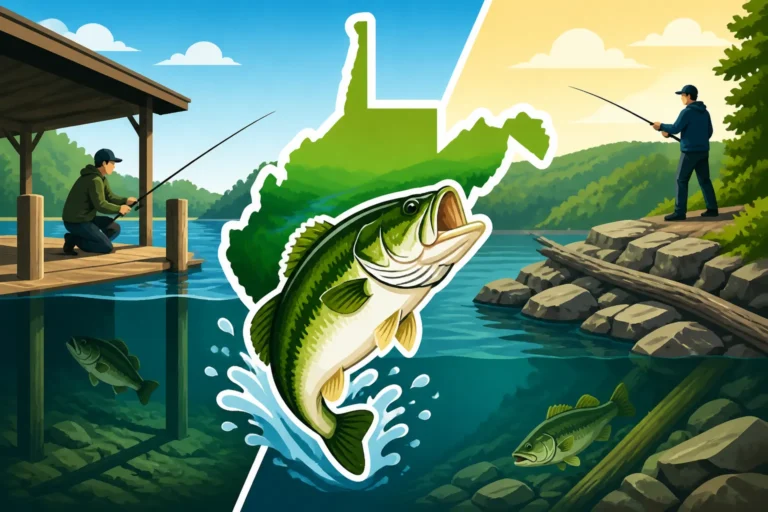
Common pond cover includes fallen trees, submerged brush piles, weed beds (especially lily pads, hydrilla, or coontail), docks, and even culverts or pipes that feed into the pond. These spots offer ambush points for baitfish, shade from the sun, and protection from predators like ospreys or herons. When you approach a pond, take a moment to observe. Are there visible weed lines? Are trees overhanging the water? Is there a shallow flat that drops off into deeper water? These are your starting points. Bass will often patrol the edges of these cover elements, darting out to strike unsuspecting prey. Don't overlook man-made structures either; a simple dock piling or a submerged tire can be a bass magnet. These smaller environments mean bass often don't have to travel far from their cover to find food or a comfortable temperature zone.
Forage and Feeding Patterns
What largemouth bass eat in West Virginia ponds is pretty diverse, but usually boils down to what's readily available. Their diet typically consists of smaller fish like bluegill, sunfish, and shad (if present), but they’ll also readily munch on frogs, crawfish, insects, and even small rodents or ducklings if the opportunity arises. This wide diet means you have a lot of options when it comes to bait selection. Understanding the predominant forage in a specific pond can give you a significant advantage. If you see a lot of bluegill darting around, a bluegill-imitating crankbait or swimbait might be deadly. If you hear frogs croaking along the bank, a topwater frog lure could entice a massive strike.
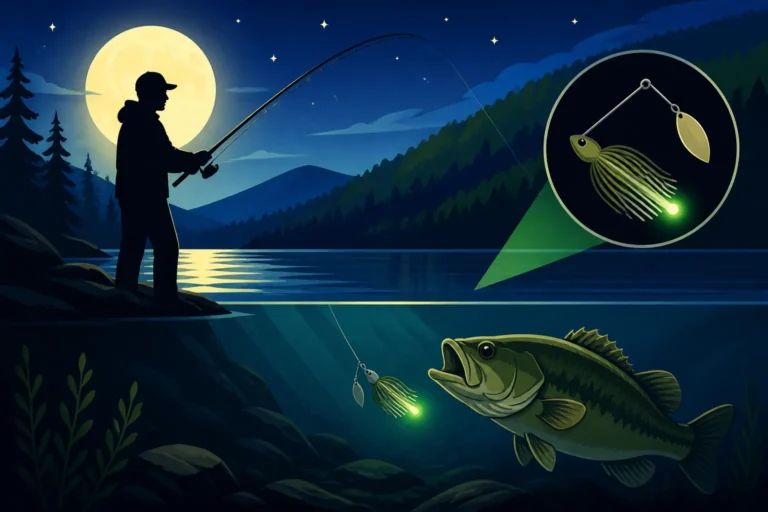
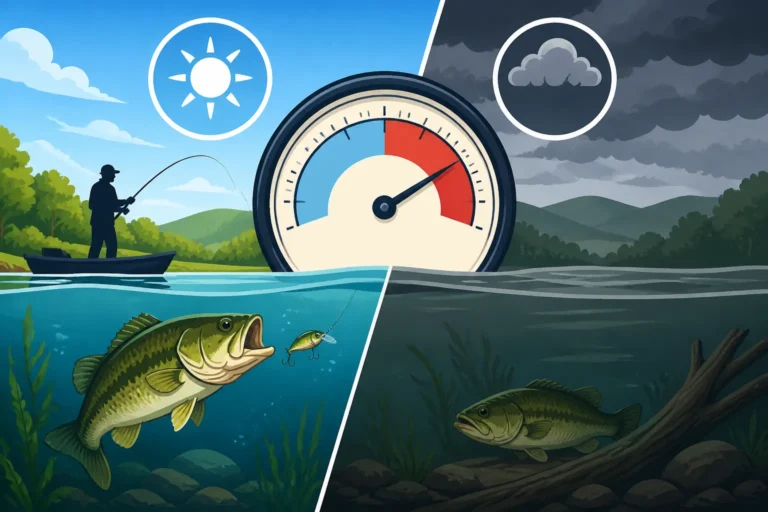
Bass in ponds often feed more aggressively during low-light conditions – dawn, dusk, or on overcast days – and will sometimes move into shallower waters to hunt. During bright midday sun, they'll usually retreat to deeper water or dense cover, becoming less active. Their feeding patterns are also influenced by pressure; heavily fished ponds might make bass warier, requiring more subtle presentations or natural baits. Observing signs of baitfish activity, like ripples on the surface or sudden splashes, can pinpoint active feeding zones.
Impact of Pond Size and Depth
The size and depth of a West Virginia pond play a huge role in how bass behave and where you'll find them. A small, shallow farm pond might warm up quickly in spring, getting bass active sooner, but it can also become overly hot and oxygen-depleted in the peak of summer, pushing bass into the scant deeper water or dense shade. Conversely, a larger, deeper pond might offer more stable temperatures and more diverse habitat, mimicking a mini-lake.
In shallow ponds (under 6-8 feet), bass are often more spread out and can be found almost anywhere that offers cover. Topwater lures, shallow crankbaits, and soft plastics fished weightless can be very effective. Deeper ponds (10-20+ feet) will see bass holding closer to the thermocline in summer, or staging off points and drop-offs in spring and fall. Here, deeper diving crankbaits, jigs, or Carolina rigs become more important. The presence of a significant depth change, even just a few feet, can create a fantastic ambush point, especially at the transition zone between shallow and deeper water. Don't forget to consider how the pond fills up; a spring-fed pond might be clearer and colder, requiring different tactics than a runoff-fed pond that might be more turbid and warmer.
Top Lures and Baits for Pond Largemouth
When you're chasing largemouth in West Virginia ponds, having the right arsenal of lures and baits is crucial. Ponds often require a slightly different approach than big reservoirs, prioritizing accuracy, stealth, and versatility. The key is to match the hatch, so to speak, and present something the bass simply can't resist.
Soft Plastics for Pond Bass
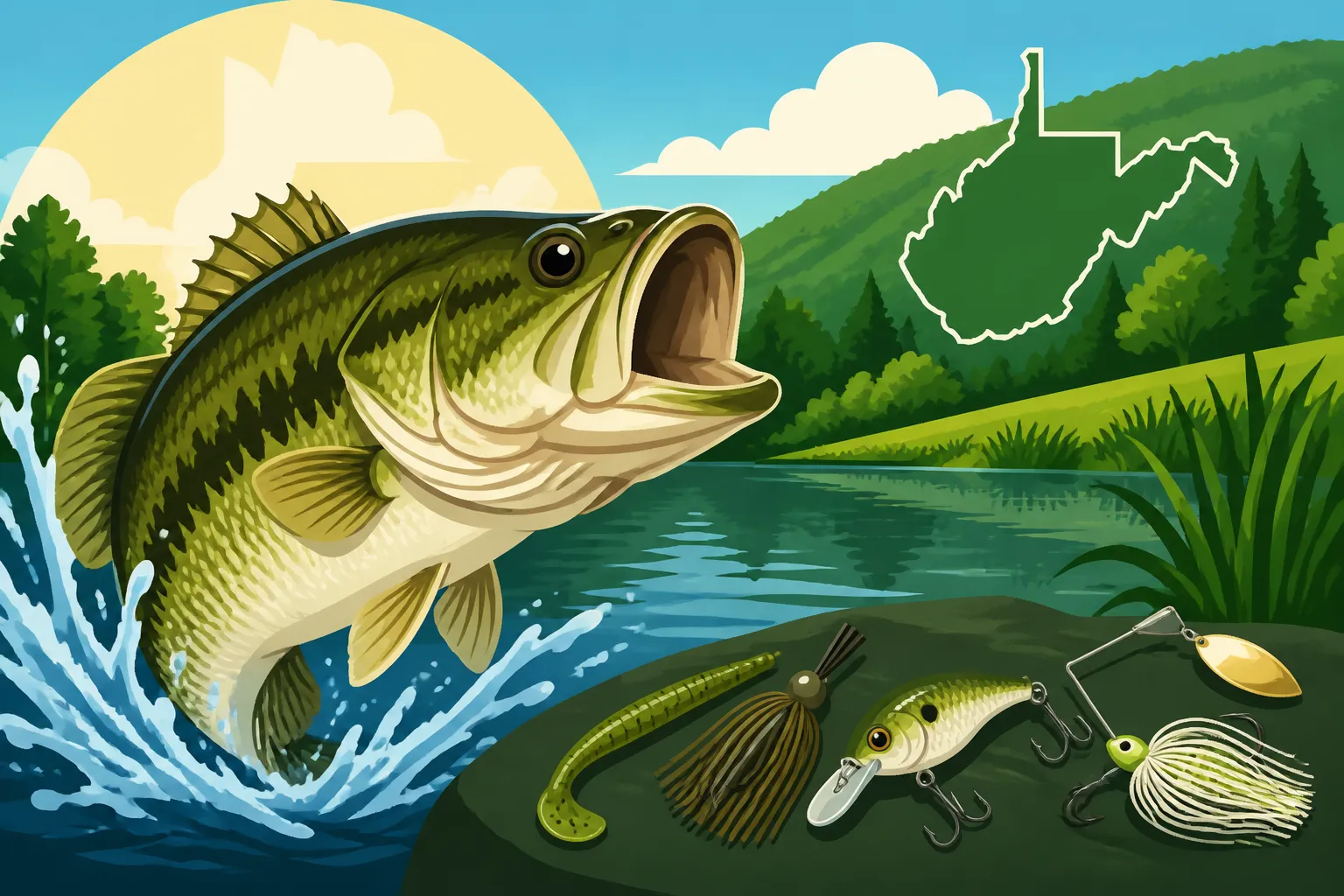
Soft plastics are, hands down, one of the most versatile and effective categories for pond largemouth. They imitate everything from worms and crawfish to baitfish and frogs, and they can be fished in countless ways. For pond fishing, think about finesse worms, stick baits (like a Senko-style worm), creature baits, and soft plastic frogs or toads.
- Weightless Worms and Stick Baits: Nothing beats a weightless wacky-rigged or Texas-rigged stick bait for its natural, slow fall. This presentation is incredibly effective for bass that are cruising shallow edges or suspended near cover. Just cast it out, let it slowly sink, and watch your line for a twitch. The subtle action is often irresistible. This works exceptionally well around lily pads, submerged timber, or even along open banks where bass are wary.
- Creature Baits and Jigs: When bass are buried in dense cover like a brush pile or thick weeds, a Texas-rigged creature bait or a jig with a soft plastic trailer is your ticket. These baits can be pitched or flipped into the tightest spots without snagging, and their compact profile and tantalizing action trigger aggressive strikes. Black and blue, green pumpkin, and brown are classic colors that imitate crawfish and other bottom-dwelling prey. For a deep dive into how to fish jigs around cover, you might want to explore articles on Best baitcaster for pitching jigs to laydowns.
- Soft Plastic Frogs and Toads: When the pond surface is covered with lily pads or matted grass, a hollow-bodied or soft plastic frog is a topwater game-changer. These lures glide effortlessly over the thickest cover, and when a bass explodes on them, it’s one of the most exciting bites in fishing. Focus on dark colors for overcast days or stained water, and natural greens/browns for clearer conditions. Retrieve them with a stop-and-go motion, letting them sit for a moment in open pockets.
Hard Baits That Get Strikes
While soft plastics offer finesse, hard baits deliver flash, vibration, and aggression. They're excellent for covering water quickly and drawing reaction strikes from active fish.
- Crankbaits: Shallow-diving crankbaits are perfect for smaller ponds, especially those with consistent depth or emerging weed lines. Medium-diving crankbaits work well along drop-offs or around deeper submerged structure. The key is to match the crankbait's diving depth to the water you're fishing to avoid constant snagging. Colors imitating bluegill, shad, or crawfish are consistently productive. Consider how Best lure color for muddy water bass fishing can apply here, as many ponds can have stained water.
- Spinnerbaits and Chatterbaits: These baits combine flash and vibration to call in bass from a distance. Spinnerbaits are incredibly weedless and can be fished through sparse cover or along weed edges. Chatterbaits (bladed jigs) offer a unique shimmy and thump that largemouth find irresistible, especially when retrieved near grass or wood. White, chartreuse, and perch patterns are excellent choices, mimicking baitfish.
- Topwater Lures: Beyond frogs, prop baits, poppers, and walking baits (like a Heddon Super Spook or a Zara Spook) are exhilarating choices for low-light conditions or calm water. The visual strike is unmatched! Work poppers with short jerks to create splashes, and walking baits with a "walk-the-dog" retrieve that makes them sashay side-to-side. These are fantastic during the spring and fall, and even on summer evenings.
Live and Natural Baits
Sometimes, nothing beats the real thing. For many pond anglers, especially those just starting out, live bait can be the easiest and most effective way to catch largemouth bass.
- Shiners or Minnows: Live shiners or golden shiners are a classic choice. They can be fished under a bobber near cover, or even slow-trolled or cast out on a bare hook with a split shot. Their natural action is a beacon for hungry bass.
- Worms and Nightcrawlers: While perhaps more associated with panfish, a big juicy nightcrawler can absolutely catch largemouth, especially if presented naturally near cover or a drop-off. They’re easy to acquire and rig, making them a great option, particularly if you're introducing someone to fishing with a Best Rod and Reel Combo for Beginners.
- Frogs and Crawfish: If you can catch them locally, live frogs and crawfish are top-tier bass baits. Rig a frog through the lips on a wide-gap hook and cast it near pads or submerged grass. For crawfish, rig them through the tail and fish them on the bottom around rocks or wood. Bass simply cannot resist these natural prey items. You can often find fishing worms and other common natural baits at local sporting goods stores or even on
Amazon.
| Lure/Bait Type | Ideal Conditions | Pros | Cons |
|---|---|---|---|
| Weightless Worms | Shallow water, calm, clear to stained water, wary fish | Subtle, natural fall, highly effective, versatile | Slower fishing, can be less efficient for covering water |
| Jigs/Creature Baits | Dense cover (wood, thick weeds), deeper water, targeting specific spots | Weedless, strong hooksets, excellent for heavy cover | Requires precision casting, can be snagged in extreme cover |
| Soft Plastic Frogs | Heavy lily pads, matted grass, thick surface cover | Extremely weedless, exciting topwater strikes | Limited to specific heavy cover situations, some missed strikes |
| Shallow Crankbaits | Shallow flats, points, emerging weed lines, open water | Covers water quickly, good vibration, reaction bites | Can get snagged in thick weeds, limited depth range |
| Spinnerbaits/Chatterbaits | Stained water, wind, around sparse cover, active fish | Good vibration/flash, weedless (spinnerbait), reaction bites | Less subtle, not ideal for very clear, calm water |
| Poppers/Walking Baits | Low light (dawn/dusk), calm water, around cover | Exciting topwater strikes, draws fish from a distance | Less effective in wind or bright sun, some missed strikes |
| Live Minnows/Shiners | All conditions, especially for inactive or wary fish | Most natural presentation, highly effective | Requires bait storage, can be expensive, less active fishing |
Effective Casting and Retrieve Techniques for Ponds
Mastering your casting and retrieve is just as important as choosing the right lure, especially in ponds where accuracy and presentation can make all the difference. Pond fishing often means precise casts into tight windows of cover and knowing how to make your lure dance just right.
Targeting Structure and Cover
In pond fishing, your target isn't just "the water"—it's often a very specific piece of structure or cover. This means pinpoint casting is paramount. Practice pitching and flipping your lures. Pitching involves a pendulum-like swing that sends your bait underhand on a low trajectory, perfect for sneaking a jig under a dock or into a small opening in the lily pads. Flipping uses a short amount of line, typically less than the rod's length, to gently drop a bait into a specific spot.
Always aim to land your lure softly, especially with topwater baits, to avoid spooking wary bass. When fishing around visible cover like fallen trees or submerged brush, cast beyond your target and retrieve your lure into or alongside the cover. This allows the lure to approach naturally, mimicking a baitfish swimming past. If you cast directly onto the cover, the splash might scare the bass, or the lure might get snagged immediately. Pay close attention to transition zones: where weeds meet open water, where shallow water drops off to deeper areas, or where shade meets sun. These are prime ambush points for bass. Remember that bass will often orient themselves towards the deepest, densest part of cover, so try to get your bait as close as possible without getting hung up.
Varying Your Retrieve Speed and Action
The retrieve is where you truly bring your lure to life. Don't just cast and reel in at a steady pace. Largemouth bass in ponds, especially if they're pressured, often respond to erratic, varied movements that mimic a struggling or fleeing baitfish.
For most lures, start with a basic retrieve, then experiment.
- Soft Plastics: Let them sink on a slack line, then lift your rod tip slightly, let it fall again, and reel up the slack. This "lift-and-fall" technique, or a slow, steady drag, can be deadly. For a weightless stick bait, just let it sink, twitch it once or twice, and let it sink again. The long pauses are often when the strike occurs.
- Crankbaits: Experiment with reeling speed. A steady retrieve might work, but try incorporating short, sharp jerks or pauses to make the lure deflect off submerged cover or dart erratically. This often triggers a reaction strike.
- Spinnerbaits/Chatterbaits: A medium, steady retrieve is a good starting point, but try burning them (reeling fast) for short bursts, then slowing down, or letting them "helicopter" (fall) briefly into pockets of deeper water or cover.
- Topwater Lures: Each type has its own rhythm. Poppers need short, sharp pulls. Walking baits require a consistent slack-line twitching motion to get that side-to-side sashay. Frogs can be walked across pads or paused in open holes. The key is to find what the bass are reacting to on that particular day. If you find yourself in murky water, knowing the Best lure color for muddy water bass fishing combined with an erratic retrieve can make a big difference.
Stealth and Presentation Tips
Pond bass can be incredibly wary, especially in smaller, clear-water ponds or those that receive a lot of fishing pressure. Your approach and presentation can make or break your day.
- Quiet Approach: Avoid stomping along the bank or making loud noises. Bass can feel vibrations through the bank and water. If you're using a boat or kayak, try to move silently, using a paddle or quiet trolling motor.
- Long Casts: In clear water, keep your distance from the bank. Bass often hug the shoreline, and a long, accurate cast can put your bait in the strike zone without spooking them.
- Line Management: Always be aware of your line. Use fluorocarbon leaders in clear water for better invisibility, and keep slack to a minimum so you can detect subtle bites. Too much slack can also allow fish to spit the hook before you set it.
- Natural Fall: Many soft plastic techniques rely on a natural, unimpeded fall. Resist the urge to reel in too quickly. Let the bait do its thing. Often, a bass will pick up a bait on the fall, so watching your line for any unnatural movement is crucial. Sometimes, a
Best spinning rod for smallmouth basscan be light enough to offer excellent sensitivity for these subtle takes, even with largemouth. - Sun and Shadow: Use the sun to your advantage. Fish shaded areas, especially in the afternoon. Bass will often position themselves in the shadows, waiting to ambush prey. Also, casting from a position where the sun is behind you can make it harder for the fish to see you, but be mindful of your shadow being cast over the water.
Seasonal Strategies for Pond Largemouth Bass
The behavior of largemouth bass in West Virginia ponds changes dramatically with the seasons, mainly driven by water temperature and their biological urge to spawn and feed. Understanding these seasonal shifts is fundamental to consistent pond success. Knowing the West Virginia Fishing Seasons by Month is a great start, but we need to dive deeper into how those seasons impact pond bass specifically.
Springtime Pond Bass Action
Spring is arguably the most exciting time to fish for pond largemouth. As water temperatures rise after winter, bass become more active, moving from deeper wintering holes into shallower areas to feed heavily and prepare for spawning. This pre-spawn period is when some of the biggest bass are caught, as they gorge themselves.
- Pre-Spawn (Water Temps 45-55°F): Bass will start moving from deeper areas towards shallower flats, points, and coves where the water warms up fastest. Look for them around the first available cover in these warming areas, like submerged logs, rocks, or initial weed growth. Crankbaits, spinnerbaits, and jigs fished slowly along these transition zones are excellent choices. They're trying to put on weight, so they'll hit reaction baits but also slower-moving, high-protein meals.
- Spawn (Water Temps 58-68°F): This is when bass move onto beds in very shallow, protected areas, often near hard bottom like gravel or sand, or next to roots or stumps. The males guard the nests, and both males and females can be extremely aggressive towards anything that comes too close. Sight fishing with soft plastics like stick baits or creature baits, pitched right onto the bed, can be effective. This is also when largemouth bass spawn in West Virginia, a critical time for their annual cycle. However, remember to practice catch-and-release during this sensitive period to protect future populations.
- Post-Spawn (Water Temps 65-75°F): After the spawn, bass are often exhausted and might move to slightly deeper, but still nearby, cover to recover. This can be a tricky time as they are less aggressive. Finesse techniques shine here: weightless worms, shaky heads, or small topwater poppers early and late in the day can coax bites. They’re still around the spawning flats but might be holding in adjacent deeper water or denser cover, needing a more subtle presentation.
Summer Heat Tactics
West Virginia summers can get hot, and pond water temperatures can soar, particularly in shallower ponds. This often pushes bass to seek refuge in cooler, deeper water or dense shade and cover, leading to distinct feeding patterns.
- Early Morning and Late Evening: These are prime times when the water is cooler, and bass move shallower to feed. Topwater lures are fantastic during these low-light periods, as are spinnerbaits and shallow crankbaits worked along weed lines or shaded banks. The bass are actively hunting before the sun gets too high.
- Midday Strategies: When the sun is high and bright, bass will retreat to the densest, coolest cover available. This means pitching and flipping jigs or Texas-rigged creature baits into thick lily pads, under docks, into brush piles, or along deep weed edges. They might be inactive, but a lure dropped right on their nose can trigger a defensive strike. Deeper ponds with consistent cool water can offer better midday action. If you're trying to figure out How to pattern bass on an unfamiliar West Virginia lake (or pond, in this case), finding this deep, dense cover during summer is often the key.
- Oxygen Levels: In smaller, fertile ponds, severe summer heat can sometimes lead to lower oxygen levels, especially in deeper water. In such cases, bass might actually move shallower than usual to find more oxygen, often in areas with fresh inflow or even just dense weed beds that produce oxygen during the day. Observe carefully for signs of stressed fish.
Fall Feeding Frenzy Approaches
As autumn approaches and water temperatures begin to drop, pond largemouth go through another aggressive feeding period, preparing for the lean winter months. This can be one of the Best time of year to fish in West Virginia for big bass.
- Turnover: In deeper ponds, fall often brings "turnover," where the cooler surface water mixes with warmer, oxygen-depleted deeper water. This can temporarily scatter fish and make them harder to locate. Fishing the entire water column or focusing on areas with fresh inflow can help.
- Active Foraging: Once turnover stabilizes, bass become very active, often chasing schools of baitfish in open water or along steeper banks. Spinnerbaits, crankbaits, jerkbaits, and soft plastic swimbaits are all excellent choices for covering water and mimicking baitfish. They’ll also hit jigs and creature baits in cover, but the overall feeding activity increases.
- Transition to Winter: As water temperatures continue to fall into the 40s, bass will start moving towards their deeper wintering areas. They'll still eat, but their metabolism slows. Slow-rolling spinnerbaits, jigs, or even large shiners can be effective as bass become less willing to chase. The Best technique for post-spawn smallmouth bass (and by extension, fall largemouth) often involves targeting these staging areas before they completely shut down for winter.
Winter Slow Down Methods
Winter fishing for largemouth in West Virginia ponds can be tough, but it's not impossible, especially in milder winters or deeper ponds that don't freeze solid. Bass become lethargic, and their metabolism slows drastically.
- Deep and Slow: Bass will usually be holding in the deepest parts of the pond, often near any available cover like brush piles or rock piles. They won't chase much, so presentations need to be extremely slow and direct. Jigs, finesse worms, or slow-retrieved blade baits are the tickets.
- Sun and Warmth: On sunny winter days, look for bass to occasionally move to sun-warmed dark bottoms or sheltered banks for short periods. Even a small increase in water temperature can make them slightly more active.
- Live Bait Advantage: Live minnows, fished slowly on a Carolina rig or under a slip bobber, can be one of the most effective methods, as their natural movement might be the only thing to entice a strike from a sluggish bass. Patience is absolutely key during the winter months. Remember, the Best water temperature for smallmouth bass fishing is generally higher, so for largemouth in winter, you're looking for periods when temperatures are slightly above the coldest point.
Essential Gear for Pond Bass Anglers
Having the right gear makes a world of difference when you're targeting largemouth bass in West Virginia ponds. It’s not about having the most expensive stuff, but rather the right tools for the job that are durable and suited to the types of fishing you’ll be doing.
Rod and Reel Combinations for Ponds
For pond fishing, versatility is key. You'll want setups that can handle a range of lure weights and fishing techniques, from delicate finesse presentations to powerful hooksets in heavy cover.
- Medium-Heavy Casting Setup: This is your workhorse for pond bass. A 6'6" to 7'3" medium-heavy power, fast action casting rod paired with a baitcasting reel in a 6.8:1 to 7.5:1 gear ratio is ideal. This setup is perfect for throwing jigs, spinnerbaits, creature baits, and medium-sized crankbaits. The power allows you to drive hooks through thick cover and muscle fish out of weeds, while the fast action provides sensitivity and casting accuracy. For specific recommendations, check out Best Fishing Rods for West Virginia Rivers, which often translates well to larger ponds.
- Medium Spinning Setup: A 6'6" to 7' medium power, fast action spinning rod with a 2500-3000 size spinning reel is excellent for lighter lures and finesse techniques. This is perfect for weightless worms, small crankbaits, topwater poppers, and any time you need to cast light baits a good distance or use lighter line. Many of the principles for Best Spinning Rods for Smallmouth Bass can be applied to selecting a pond largemouth spinning rod, as both require sensitivity and precision for lighter presentations.
- Beginner-Friendly Option: If you're just starting, a versatile medium-heavy spinning combo can cover most bases. It's easier to learn casting with a spinning reel, and a good quality combo doesn't have to break the bank. You can find many suitable options on
Amazon, and articles like Best Rod and Reel Combo for Beginners can provide excellent starting points.
Line Choices for Pond Fishing
Your fishing line is the critical link between you and the fish, so choosing the right type and strength is paramount for success and preventing lost fish.
- Fluorocarbon Line: For clear water ponds and situations where stealth is key, fluorocarbon is fantastic. It's nearly invisible underwater and has excellent abrasion resistance. Use it as your main line or as a leader when fishing with braid. Its low stretch offers great sensitivity for detecting subtle bites. Typically, 12-17 lb test is good for main lines on casting setups, and 6-10 lb for spinning.
- Braided Line: When fishing heavy cover like thick weeds, lily pads, or brush, braided line is invaluable. Its zero stretch means powerful hooksets and the ability to cut through vegetation. You can also fish heavier baits with confidence. Pair it with a fluorocarbon leader in clearer water. For casting setups, 30-50 lb braid is common, while 10-20 lb works for spinning. Just remember to tie a good knot!
- Monofilament Line: Monofilament is a classic for a reason. It's affordable, easy to tie, and has some stretch, which can be forgiving. It's a good all-around choice for many pond situations, particularly with topwater baits (where its buoyancy helps the lure float) or crankbaits (where the stretch can absorb violent strikes). Use 10-17 lb test for most applications.
Must-Have Accessories and Tools
Beyond rods, reels, and lures, a few essential accessories will make your pond fishing experience much more enjoyable and efficient.
- Pliers/Forceps: A good pair of fishing pliers is critical for removing hooks safely from a bass's mouth and for cutting line. Longer forceps are great for deeply hooked fish.
- Line Cutters: Small, sharp line cutters or nail clippers are essential for clean cuts, especially with braided line.
- Soft Measuring Tape/Scale: If you enjoy tracking your catches or participating in friendly competitions, a soft measuring tape and a small digital scale are great for recording fish length and weight before release.
- Polarized Sunglasses: These are game-changers for pond fishing. They cut glare, allowing you to see submerged cover, weed lines, and sometimes even the bass themselves, vastly improving your ability to target fish.
- Hat and Sunscreen: Protect yourself from the sun, especially during long days on the water.
- Small Tackle Bag/Backpack: Ponds often require a mobile approach. A compact tackle bag or backpack stocked with your essential lures, extra line, and tools makes it easy to move around the pond.
- Landing Net: While not always necessary for average pond bass, a small, rubberized landing net (to protect the fish's slime coat) can be invaluable for landing larger fish, especially when you're fishing alone or from an awkward position on the bank. Consider something like a Best landing net for trout but a slightly larger version.
Remember, the goal isn't to buy everything, but to select gear that matches your budget and the type of pond fishing you'll be doing most often. Happy angling!
Disclaimer
Please remember that fishing regulations, including licensing requirements, bag limits, and specific rules for certain bodies of water, can change. Always consult the latest West Virginia Division of Natural Resources fishing regulations before heading out. Safety should always be your top priority on the water.