Best boat seat for all-day river fishing
There's nothing quite like spending a long day drifting down a scenic West Virginia river, rod in hand, chasing after smallmouth bass or muskie. But let's be honest, nothing ruins that perfect day faster than a sore back or aching rear end from a subpar boat seat. If you've ever cut a trip short because your seating was more torture device than comfort zone, you know exactly what I'm talking about. This comprehensive guide is here to help you navigate the often-overlooked world of boat seats, ensuring your next all-day river fishing adventure is as comfortable as it is successful.
Why Your Boat Seat Matters for River Fishing in West Virginia
You might think a boat seat is just a boat seat, right? Just something to sit on. But for those of us who spend countless hours on the New River, the South Branch of the Potomac, or even smaller creeks and streams, a comfortable and functional boat seat is an absolute game-changer. It's not just about luxury; it's about endurance, safety, and ultimately, your enjoyment on the water.
The Unseen Toll of Uncomfortable Seating
Imagine this: you've been on the water since dawn, the smallmouth are finally hitting, and your arms are starting to ache from casting. Now, add to that a stiff neck, a throbbing lower back, and numb glutes because your seat offers all the support of a wet noodle. It's a recipe for misery, and frankly, it pulls your focus away from the fishing. When you're constantly shifting, fidgeting, or even standing up just to get some relief, you're missing bites, losing concentration, and likely cutting your trip short. An uncomfortable seat can transform a glorious day of chasing fish into a grueling test of endurance. It's a frustration many river anglers know all too well, especially when the fish are biting, but your body is screaming at you to quit.
Beyond Comfort: Stability and Safety
While comfort is paramount, a good boat seat for river fishing offers much more. Stability is crucial, particularly when you're navigating currents or need to quickly stand up to cast or land a fish. A flimsy seat can be a hazard, rocking or shifting unexpectedly, especially if you're making quick movements or if the river gets a little choppy. Think about those moments when you're leaning over the side to net a big muskie – you need a seat that's firmly in place and won't betray you. Beyond that, a properly designed seat can help you maintain good posture, reducing fatigue and improving your overall balance in the boat. This indirectly contributes to safety, as a stable angler is less likely to lose their footing or fall overboard, especially when dealing with slippery conditions or unexpected waves.
The Unique Demands of West Virginia Rivers
West Virginia's rivers aren't your average placid lakes. They present a unique set of challenges and opportunities that directly impact your seating needs. From the powerful currents of the New River to the rocky shoals of the Elk, and the winding stretches of the Greenbrier, you'll encounter a variety of conditions. These rivers often demand maneuverability, quick reactions, and a boat setup that can handle bumps and splashes. Your seat needs to be robust enough to withstand sun, rain, and the occasional dousing. It should also be able to handle the vibrations and impacts that come from running through mild rapids or navigating rocky bottom sections. A seat designed for a calm pond simply won't cut it when you're dealing with the dynamic environment of a mountain river. For advice on specific types of watercraft, check out Best Boats for West Virginia Rivers and Lakes or Best Jon Boats for Shallow Rivers.
Key Features to Look for in a River Fishing Boat Seat
When you start browsing for a new boat seat, it's easy to get overwhelmed by all the options. To simplify things, let's break down the essential features that will make the biggest difference in your West Virginia river fishing experience.
Material and Durability: Battling the Elements
The materials used in your boat seat are incredibly important, especially with the variable weather we experience in West Virginia. You need something that can stand up to intense sun, sudden downpours, and even a little splashing from the river.
- UV-Resistant Vinyl: This is the industry standard for marine seating. High-quality marine-grade vinyl is specifically treated to resist fading, cracking, and mildew caused by prolonged exposure to sunlight and moisture. Cheaper vinyl will degrade quickly, leaving you with brittle, uncomfortable seats in just a season or two. Look for thick, heavy-duty vinyl that feels supple, not thin and rigid.
- Rot-Proof Substrates: The frame and base of the seat are crucial. Avoid seats made with untreated wood or particle board, as these will quickly rot and fall apart when exposed to moisture. Look for seats with marine-grade plastic, aluminum, or composite bases. These materials are impervious to rot and will ensure your seat lasts for years.
- Stainless Steel Hardware: All fasteners, hinges, and mounting plates should be made from stainless steel. Regular steel will rust quickly, weakening the seat's structure and leaving unsightly stains on your boat. This small detail makes a huge difference in the longevity of your seat.
Ergonomics and Support: Your Back Will Thank You
This is where true comfort comes into play. A well-designed boat seat provides proper support, reducing strain on your back and hips, even after hours of sitting.
- High Backrest: For all-day comfort, a high backrest that supports your mid-back and shoulders is essential. Low-back seats might be fine for short trips, but they won't cut it when you're spending 8-10 hours on the water. Look for seats that provide good lumbar support as well, which helps maintain the natural curve of your spine.
- Ample Padding: The quality and thickness of the foam padding directly impact comfort. High-density foam retains its shape and support over time, unlike cheaper foams that compress and flatten out after just a few uses. Closed-cell foam is also a bonus, as it resists absorbing water.
- Width and Depth: Ensure the seat is wide enough for your frame and offers enough depth to support your thighs without cutting off circulation. Trying out a seat in person, if possible, is always the best way to gauge this. Many anglers find wider seats offer more room to shift and move around, preventing stiffness.
Mounting Options and Portability
How your seat attaches to your boat, and whether you can easily remove or adjust it, greatly impacts its versatility and convenience.
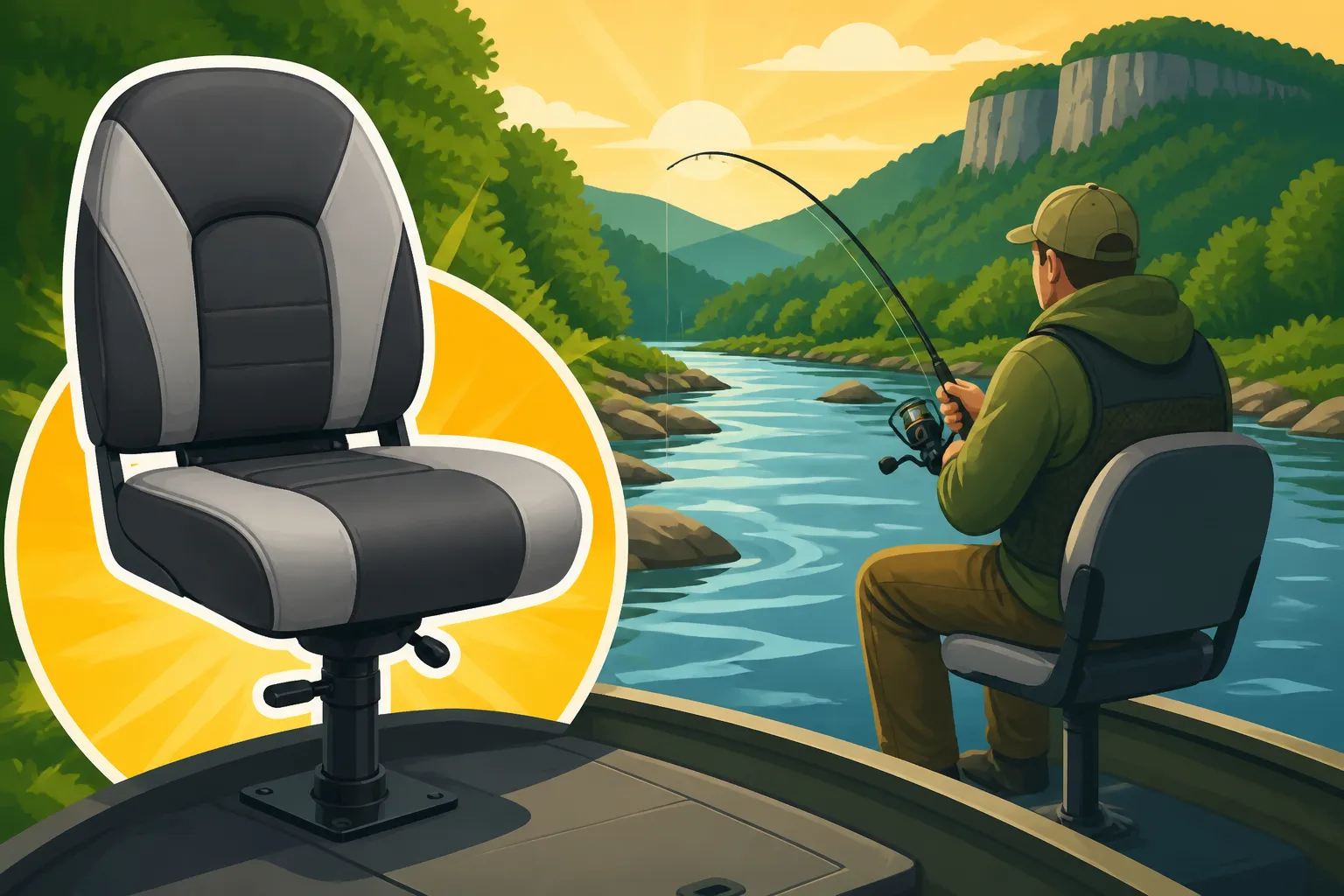
- Swivel Bases: Most river fishing boats benefit from a swivel base. This allows you to turn easily to cast, tend to lines, or interact with fishing buddies without straining your neck or back. Look for smooth, sturdy swivels that lock securely into place when needed. Many come with a quick-release feature, which is incredibly handy.
- Pedestal Mounts: Pedestal seats elevate you, offering a better vantage point for spotting fish or navigating shallow waters. They come in fixed-height or adjustable-height options. If you often switch between standing and sitting, or if you fish in varying depths of water, an adjustable pedestal can be a real game-changer. Just make sure the pedestal is rock-solid to prevent wobbling, especially in moving water.
- Clamping or Fixed Mounts: Some smaller boats, or those used for specific purposes, might use fixed mounts or even clamping seats. While less versatile, they can be secure and straightforward. Consider if you need to remove your seats for storage, transport, or if you switch between different boat setups. If you're using a smaller craft, like a jon boat, you might find a simple clamp-on seat works wonders, but ensure it's robust and won't slip.
Types of Boat Seats Best Suited for West Virginia River Fishing
The perfect boat seat isn't one-size-fits-all. What works best for a large john boat on the Ohio River might not be ideal for a small drift boat on a mountain stream. Let's explore the common types of seats and their applications for West Virginia's diverse fishing environments.
Swivel Seats: Versatility on the Water
Swivel seats are incredibly popular for river fishing, and for good reason. They allow for full 360-degree rotation, which is invaluable when you're casting to different banks, following a hooked fish around the boat, or simply watching the beautiful West Virginia scenery. These seats typically mount onto a pedestal or directly onto a flat bench.
When looking at swivel seats, pay attention to the swivel mechanism itself. A heavy-duty aluminum or stainless steel swivel will provide smooth rotation and stand up to years of use. Some swivels include a locking pin, which is a great safety feature, especially when running at speed or in rougher water. The ability to lock your seat facing forward can prevent unexpected turns that could throw you off balance. Many anglers appreciate the freedom a swivel seat offers, allowing them to easily grab tackle from a bag or quickly turn to a buddy. Companies like Wise offer a range of comfortable and durable swivel seats that are readily available at stores like Bass Pro Shops or online retailers such as Amazon.
Pedestal Seats: Elevated Views and Stability
Pedestal seats take the swivel concept and elevate it, literally. By raising your seating position, you gain a clearer view of the water, which can be a huge advantage for spotting structure, submerged rocks, or even fish. This elevated perspective is particularly useful when you're trying to How to Read New River Smallmouth Structure or sight-fishing in clearer waters.
Pedestals come in various heights, and some are adjustable, allowing you to fine-tune your seating position. This adjustability is fantastic for accommodating different anglers or for switching between sitting and standing, which many river anglers do throughout the day. When selecting a pedestal, ensure it has a sturdy base and robust construction. A wobbly pedestal can quickly become annoying and even dangerous. Look for models with solid aluminum or stainless steel shafts and secure mounting plates. Some even offer shock-absorbing pedestals, which can make a long day in a bumpy river much more comfortable by absorbing vibrations from the hull. This type of seat is often paired with a fishing chair that has a folding back, which can be convenient for storage or when trailering your boat.
Bench Seats with Backrests: Comfort for the Crew
While individual swivel and pedestal seats offer excellent flexibility, sometimes a good old-fashioned bench seat is exactly what you need, especially if you often fish with multiple passengers or need maximum seating capacity. Modern bench seats are far from the uncomfortable, flat planks of yesteryear. Many now come with well-padded cushions and integrated backrests, offering surprisingly good comfort.
These seats are ideal for larger jon boats or utility boats where space efficiency is important. They can provide a stable platform for multiple anglers or even serve as a convenient place to lay out gear. If your boat already has built-in benches, you can often upgrade them with aftermarket cushions and backrests that strap on or attach with snaps. This is a cost-effective way to boost comfort without entirely replacing your seating. Just ensure the padding is marine-grade and resistant to water, as bench seats are often more exposed to the elements. For those who frequently fish with family or friends, West Virginia Boating Laws for Anglers and Life Jacket Requirements for West Virginia Boaters are important considerations, and ensuring comfortable seating for everyone certainly adds to the safety and enjoyment of the trip.
Specialized Kayak and Canoe Seating
It's important to remember that not all river fishing happens from a traditional boat. Many West Virginia anglers prefer the stealth and accessibility of kayaks and canoes, especially on smaller streams or for reaching remote fishing spots. These vessels have their own unique seating requirements.
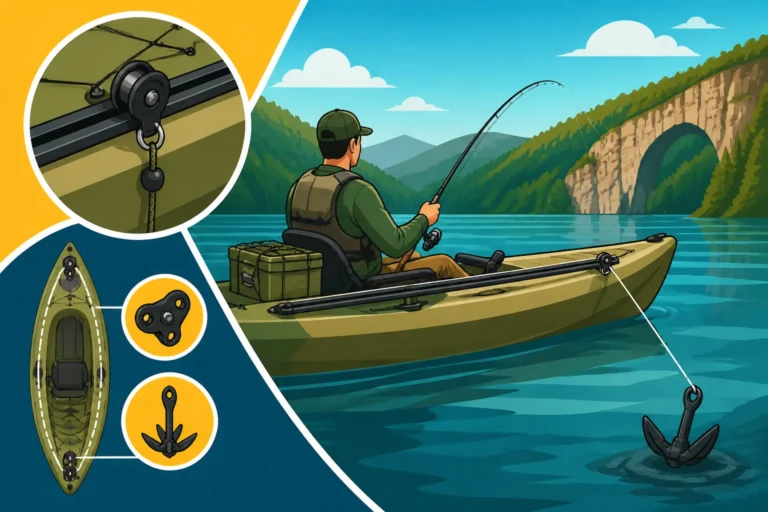
- Kayak Seats: Modern fishing kayaks often come with adjustable, stadium-style seats that are raised off the deck. These offer much better back support and comfort than older, flatter kayak seats. Look for seats with breathable mesh fabric, plenty of padding, and multiple adjustment points for back angle and leg support. The ability to adjust your position throughout the day is key to preventing fatigue in a kayak. Some kayaks even feature high-low seating, allowing you to sit high for paddling and casting, and lower for stability in rougher water. If your kayak didn't come with a premium seat, many aftermarket options are available that can drastically improve your comfort. For more specific kayak recommendations, check out Best Kayak for the New River or Best Kayaks for West Virginia Fishing.
- Canoe Seats: Traditional canoe seats can be simple thwarts or benches. For fishing, adding a canoe seat with a backrest or even a padded swivel seat (for the stern paddler/angler) can make a huge difference. These typically clamp onto the existing gunwales or thwarts. Look for lightweight, durable options that are easy to install and remove. Portability is often a big factor for canoeists who might be portaging or transporting their canoe frequently. Comfort in a canoe is critical, especially when you're doing a lot of paddling and fishing simultaneously.
Making the Right Choice: Budget, Brands, and Personal Preference
Now that you know what to look for, how do you actually pick the best boat seat for your specific needs? It comes down to weighing your budget against quality, exploring reputable brands, and most importantly, understanding your own personal preferences and fishing style.
Balancing Cost and Quality
Just like with fishing rods or reels, you often get what you pay for when it comes to boat seats. A cheap seat might seem like a good deal initially, but if it falls apart after a season or leaves you aching, you haven't saved any money in the long run.
- Entry-Level (Budget-Friendly): These seats are usually basic, with thinner padding, less robust frames, and simpler vinyl. They might be okay for occasional, short trips, or if you're outfitting a utility boat that sees minimal use. Expect to compromise on long-term durability and ergonomic support.
- Mid-Range (Good Value): This is where most serious anglers find their sweet spot. Mid-range seats offer a good balance of durability, comfort, and features. You'll find better marine-grade vinyl, thicker, higher-density foam, and more robust hardware. Many popular brands offer excellent options in this category, providing reliable comfort for all-day trips without breaking the bank.
- High-End (Premium Comfort & Features): These seats are built for maximum comfort and extreme durability. They often feature advanced ergonomic designs, custom contoured padding, specialized suspension systems, and top-tier marine materials. If you spend an enormous amount of time on the water, suffer from back issues, or simply demand the best, a premium seat is a worthwhile investment. Think about seats with flip-up bolsters for standing support or advanced shock absorption.
It's helpful to view a boat seat as an investment in your comfort and your ability to stay on the water longer. While you don't need the most expensive option, skimping too much can lead to regret.
Checking Out Reputable Brands and Retailers
When it comes to purchasing boat seats, sticking with known brands and reliable retailers is always a smart move. Brands like Wise, Attwood, Tempress, and Springfield are well-regarded in the marine industry for producing durable and comfortable seating options. You'll find these brands offering a wide range of styles and price points.
For purchasing, major outdoor retailers are often your best bet. Stores like Bass Pro Shops typically have a good selection of boat seats, allowing you to see and even sit in some models before buying. This "try before you buy" approach is invaluable for assessing comfort and fit. Online retailers like Amazon also offer a vast selection, often with competitive pricing and detailed customer reviews that can help you gauge real-world performance. Just be sure to read those reviews carefully and verify the dimensions and mounting requirements for your specific boat. While online shopping is convenient, remember you can't physically test the seat, so paying close attention to specifications and user feedback is key.
Practical Tips for Testing and Installation
Once you've narrowed down your choices, here are a few practical tips to ensure you make the best decision:
- Test Sit (If Possible): If you can, go to a physical store and sit in the seats for a few minutes. Pay attention to how your back feels, whether your thighs are well-supported, and if there are any pressure points. Try shifting around as you would when casting or fighting a fish.
- Measure Your Boat: Before buying, accurately measure the available space in your boat where the seat will be installed. Consider the width, depth, and height, especially if you have existing pedestals or benches. Don't forget to account for clearance if the seat folds down or swivels.
- Check Mounting Compatibility: Ensure the seat's mounting pattern matches your existing pedestal or base, or plan to purchase a compatible mounting plate. Most seats use a universal bolt pattern, but it's always best to double-check.
- Easy Installation: While most boat seats are relatively straightforward to install, some may require more specialized tools or drilling. If you're not confident in your DIY skills, consider professional installation or ask a knowledgeable friend for help.
- Consider Future Needs: Are you planning any boat upgrades? Will your fishing style change? Thinking a few seasons ahead can help you choose a seat that will continue to meet your needs down the line. Perhaps you'll eventually add a Best Anchor System for River Fishing or upgrade your Best Spinning Rods for Smallmouth Bass; make sure your seating plans align with your overall setup.
Here's a quick comparison of common boat seat features:
| Feature Category | Basic/Entry-Level Seat | Mid-Range Seat | High-End/Premium Seat |
|---|---|---|---|
| Backrest Height | Low | Medium to High | High with integrated lumbar support |
| Padding | Thin, low-density foam | Thicker, medium-density foam | High-density, contoured, closed-cell foam |
| Upholstery | Basic marine vinyl | Durable marine-grade vinyl | Premium UV-resistant, stain-resistant vinyl |
| Frame Material | Treated wood, plastic | Marine-grade plastic, aluminum | Aluminum, composite |
| Hardware | Zinc-plated steel | Stainless steel | Heavy-duty stainless steel |
| Swivel/Base | Simple, may be less smooth | Sturdy, smooth swivel | Heavy-duty, locking, potentially shock-absorbing |
| Ergonomics | Minimal | Good, some lumbar support | Excellent, highly adjustable, superior support |
| Durability | 1-3 seasons | 3-7 seasons | 7+ seasons |
| Price Point | Lower | Moderate | Higher |
Choosing the right boat seat can genuinely transform your river fishing trips in West Virginia. By focusing on durability, comfort, and the specific demands of our local waters, you'll be well on your way to enjoying more pain-free, productive days on the river. Don't let a bad seat cut your adventure short; invest in your comfort and keep those lines in the water longer!
Disclaimer
This article is for general informational purposes only and does not constitute professional advice. Laws, prices and regulations vary by location and change over time. Consult a qualified professional for guidance on your specific situation.