Best tube jig color for smallmouth bass
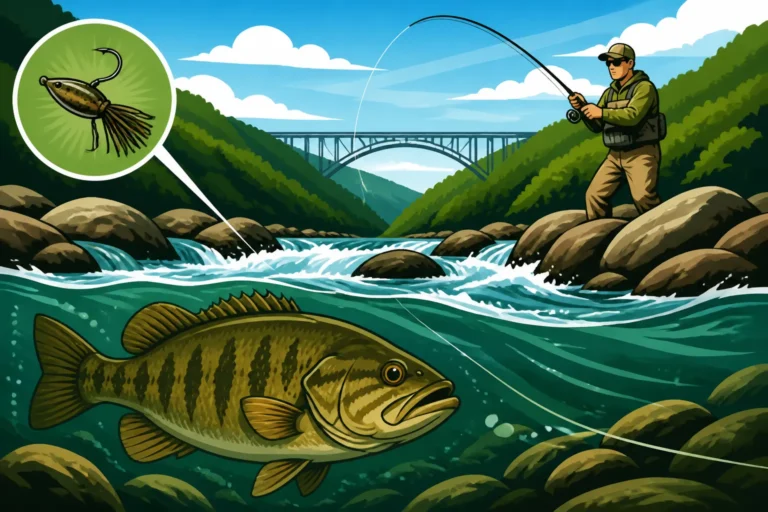
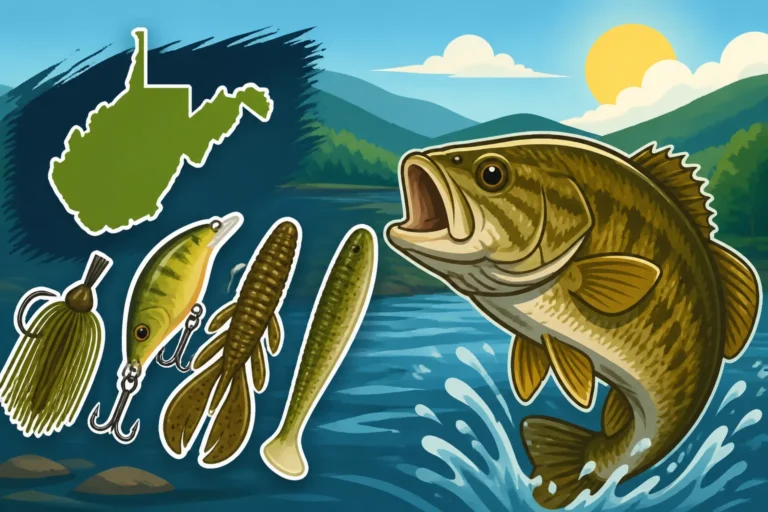
Trying to figure out which tube jig color to tie on can feel like a game of roulette sometimes, especially when you're targeting those feisty West Virginia smallmouth bass in waters that can range from gin-clear mountain rivers to murky, rain-swollen streams. It's a common frustration: you know tube jigs are effective, but with so many colors on the market, how do you pick the one that'll actually get bites? This guide is here to unravel that mystery, helping you understand the science and art behind selecting the best tube jig colors for smallmouth bass in the Mountain State, so you can spend less time guessing and more time catching.
Understanding Smallmouth Bass Vision and Forage
Before we dive into specific colors, it’s really helpful to understand how a smallmouth bass sees its world and what they typically eat. These bronze warriors are incredible predators, and their vision, much like our own, is influenced by light and water conditions. What looks great to us on the tackle shop shelf might look completely different underwater.
How Smallmouth See Color in Varying Water Conditions
Smallmouth bass, like many fish, have rods and cones in their eyes that allow them to detect both brightness (rods) and color (cones). However, the way they perceive color changes drastically depending on how much light penetrates the water and how clear that water is. In very clear water, like you might find in some stretches of the Elk River Trout Fishing or the upper South Branch Potomac, they can discern a wide spectrum of colors. This means subtle differences in hue can be critical. When the water is stained or murky, reds and oranges are often the first colors to disappear, becoming dark, indistinguishable blobs. Blues and greens, on the other hand, can sometimes penetrate deeper or maintain their visibility better in certain low-light or stained conditions. It’s all about contrast and how light is absorbed or reflected by the pigments in your lure.
Think about it: on a bright, sunny day, if you look into a clear stream, you can see all the vibrant colors of the rocks and weeds. But if that same stream becomes muddy after a heavy rain, everything just looks brown and dull. Smallmouth experience something similar. This is why a "natural" color might be perfect one day, and a "loud" color the next.
Mimicking Natural Prey and Environment
Smallmouth bass are opportunistic predators, but they have distinct preferences. Their diet primarily consists of crayfish, various baitfish (like minnows, shiners, darters), and insects. The best tube jig colors often mimic these natural food sources. Crayfish, for example, come in a variety of shades – from greens and browns to reds and oranges – depending on their species, environment, and even recent molting. Baitfish, too, can be silver, olive, or even have yellowish tints.
When you're fishing a specific body of water, taking a moment to observe the local forage can give you a huge advantage. Flip over a few rocks to see the color of the crayfish. Look for schools of baitfish and note their coloration. Your tube jig should ideally blend in, or at least present a very similar profile, to what the smallmouth are already accustomed to eating. For instance, in areas with abundant emerald shiners, a subtle silver or white tube might be more effective than a bright chartreuse. This strategy of "matching the hatch" extends beyond fly fishing; it's fundamental to all successful angling.
Top Tube Jig Colors for West Virginia Smallmouth
Alright, let's get down to the brass tacks: what specific colors should you be reaching for when you're out chasing smallmouth in West Virginia? While there's no single "magic" color, a few stand out as consistent producers across a wide range of conditions.
Natural and Earthy Tones: Green Pumpkin, Watermelon, and Brown
These are your bread-and-butter colors for a reason. They consistently fool smallmouth because they so closely resemble the natural forage the bass are accustomed to seeing.
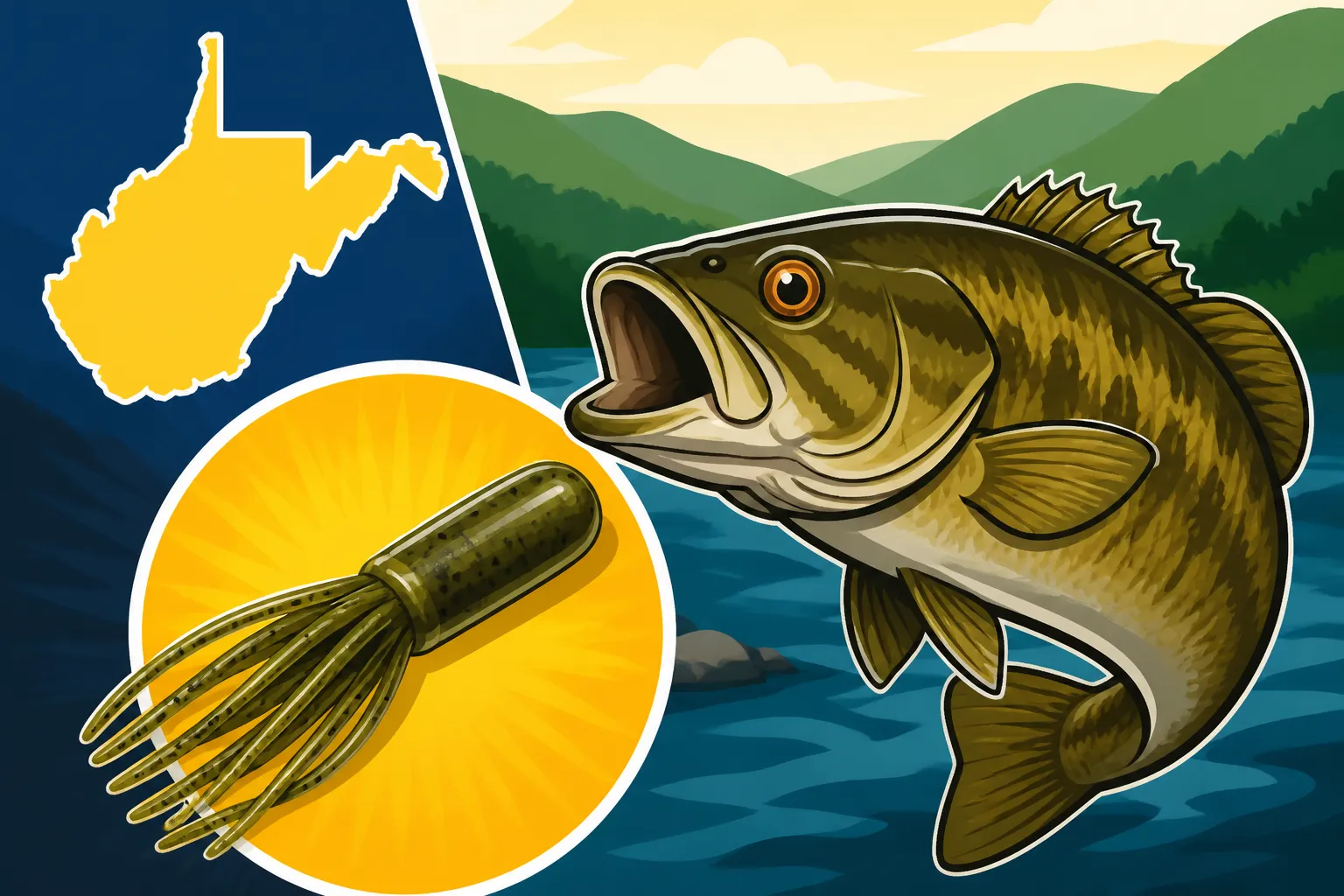
- Green Pumpkin: This is arguably the most versatile and popular tube color for smallmouth everywhere, and West Virginia is no exception. It perfectly mimics a wide variety of crayfish species and even some baitfish. It's subtle enough for clear water but still provides enough contrast in slightly stained conditions. You'll find it excels in bright to moderate light and in clear to moderately stained water. If you only have one tube jig color, make it green pumpkin. It's a fantastic choice for many of the rivers covered in our Best Fishing Rivers in West Virginia guide, especially those with rocky bottoms.
- Watermelon: Similar to green pumpkin but often with red or black flakes, watermelon adds another layer of realism. The subtle red flecks can imitate the red claws of a crayfish or a hint of blood, which can be a powerful trigger. It’s fantastic in clear water and on sunny days when smallmouth are visually keying in on prey. Many anglers find watermelon with red flake particularly effective in spring and early summer when crayfish are highly active.
- Brown/Coffee: Straight browns or coffee colors are excellent choices when the water has a little more stain or when you're trying to mimic a darker species of crayfish. They create a solid, natural silhouette against the bottom. These can be particularly effective in low-light conditions or after a light rain has put a slight tint in the water. Pairing a brown tube with a darker jig head can enhance this natural presentation.
When stocking up, it's a good idea to have a variety of these natural shades. You can often find multi-packs with different natural colors on platforms like Amazon, giving you options without committing to just one.
Darker Hues: Black and Blue
Don't underestimate the power of dark colors, especially when the conditions call for them.
- Black: When the water is heavily stained, muddy, or conditions are very low light (think dawn, dusk, or even night fishing), black can be incredibly effective. Instead of trying to blend in, black creates a stark silhouette that fish can easily detect against a brighter sky or background. It presents a strong profile, making it easier for smallmouth to locate your lure by sight, even when visibility is poor. It’s also a surprisingly good choice on sunny days in deep, clear water, as it provides a strong contrast.
- Black and Blue: This combination is a classic for a reason. The black provides the strong silhouette, while the blue adds a subtle flash or pop that can mimic crayfish molting or the iridescent sheen of certain baitfish. It's a fantastic choice in moderately stained water, during overcast conditions, or in deeper pools where light penetration is limited. It's especially popular for jigging techniques, giving that "thump" feel that often attracts attention even before the visual.
Brighter and Contrasting Colors: Chartreuse and White
Sometimes, you need to stand out from the crowd and grab a smallmouth's attention, especially when they're not actively feeding or when water conditions demand it.
- Chartreuse: This bright, vibrant color is a fantastic "reaction strike" color. When the water is murky, heavily stained after a rain, or in very low light, chartreuse stands out incredibly well. It's not trying to imitate anything specific; it's simply screaming, "Eat me!" Smallmouth will often strike it purely out of aggression or curiosity. While you might not use it all the time, having a few chartreuse tubes in your tackle box for those tough, dirty water days is a must. It's often paired with other colors, like green pumpkin/chartreuse or black/chartreuse.
- White: White tubes are excellent for imitating shad or other light-colored baitfish. They really shine in clear to moderately stained water, especially on overcast days or in low light, as they create a visible flash. On sunny days in clear water, they can be highly effective when smallmouth are chasing baitfish near the surface or in open water. White can also be a good choice for sight fishing, as it's easy for you to see the lure's movement and where the fish strikes.
Matching the Hatch: Seasonal and Water Condition Considerations
Choosing the best tube jig color isn't a one-and-done decision. The dynamics of West Virginia's rivers and lakes mean that what works one day might be completely ignored the next. You need to adapt your color selection based on the season, water clarity, and light conditions.
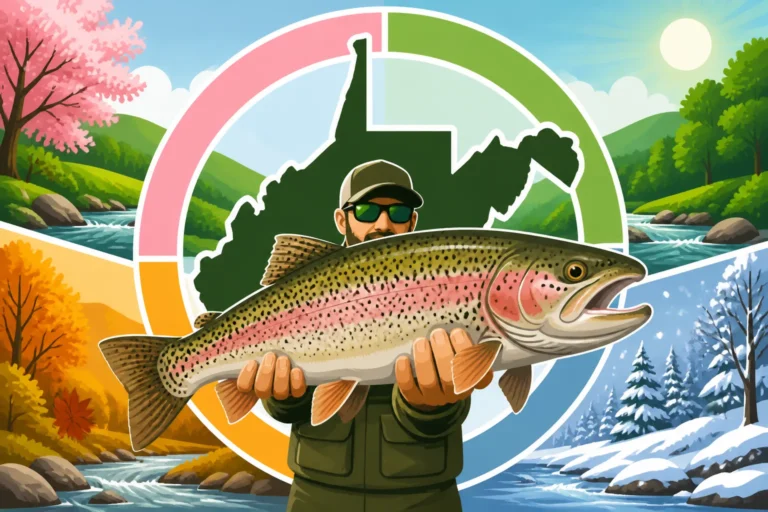
Seasonal Color Shifts
Just like everything else in nature, smallmouth behavior and their forage change with the seasons.
- Spring (Pre-spawn and Spawn): In early spring, as water temperatures slowly begin to rise, crayfish become incredibly active. This is prime time for greens, browns, and watermelon colors, especially with red or orange flecks to mimic the reddish hues of molting crayfish. The smallmouth are looking to bulk up before the spawn. As the spawn approaches and fish move into shallower rocky areas, slightly darker, more muted greens and browns can be effective as the bass become more protective and less actively hunting.
- Summer: During the heat of summer, smallmouth are often very active and aggressive. With generally clearer water, natural colors like green pumpkin, watermelon, and even whites that mimic baitfish are top performers. If you're fishing deeper structure or during low light, don't shy away from black or black and blue. The key is to match the prevalent forage. Our guide on Best Techniques for Early Spring Trout might focus on a different species, but the principle of matching early season forage applies to smallmouth too.
- Fall: As water temperatures cool down, smallmouth ramp up their feeding activity in preparation for winter. Crayfish are still a primary food source, making greens and browns excellent. However, baitfish also become crucial, so white, silver, or even subtle pearl tubes can be deadly, especially when smallmouth are schooling up and chasing bait. In clearer, colder water, subtle presentations with natural colors often outshine brighter options. This is a fantastic time for trophy smallmouth!
Water Clarity and Light Conditions
This is where your observational skills truly come into play. Always assess the water before you cast your first line.
- Clear Water: When you can see the bottom easily in a few feet of water, go for natural and subtle. Green pumpkin, watermelon, brown, and even clear or smoke-colored tubes with flecks are your best bet. Smallmouth can see colors very well, so realism matters. Consider using lighter line, perhaps a good fluorocarbon leader as detailed in Best Fluorocarbon Line for Clear River Water, to enhance the stealthy presentation.
- Stained Water (Light Tint): If the water has a slight tint, often described as "tea-colored" or "off-color," you have a bit more flexibility. Green pumpkin with some chartreuse, black and blue, or even straight dark green can be very effective. The slight stain reduces visibility, so a bit more contrast helps, but you still want some natural appeal.
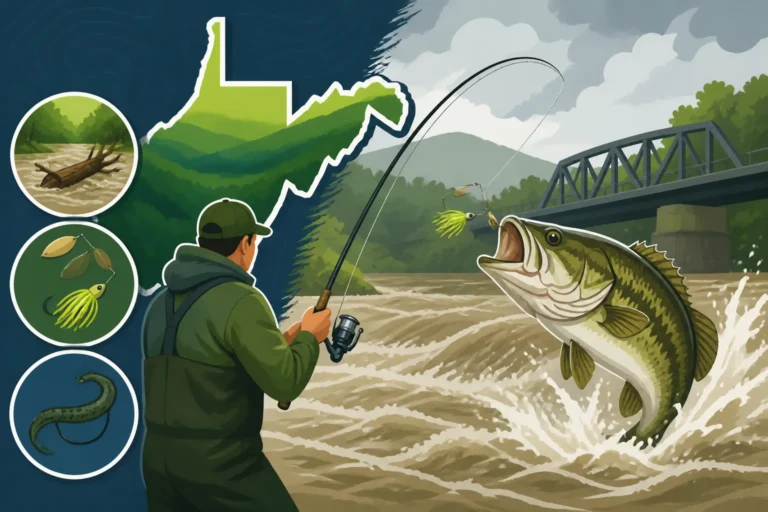
- Murky/Muddy Water: This is where you need to go bold. Chartreuse, white, black, or combinations like black/blue really shine. Forget realism; you're trying to make your lure visible and create vibration. The strong silhouette of a black tube or the brightness of a chartreuse tube will be your best allies. You'll often find these conditions after heavy rains, like those discussed in Best techniques for high water conditions.
Here’s a quick reference table to help guide your choices:
| Water Clarity | Light Conditions | Recommended Tube Jig Colors | Rationale |
|---|---|---|---|
| Clear | Bright Sun | Green Pumpkin, Watermelon (red/black flake), Brown, Smoke | Mimics natural crayfish/baitfish; high visibility for bass. |
| Overcast/Low Light | Green Pumpkin, Brown, Watermelon, White, Smoke | Maintains natural look, subtle contrast. | |
| Slightly Stained | Bright Sun | Green Pumpkin (chartreuse flake), Black & Blue, Dark Green | Good contrast, still natural enough to entice. |
| Overcast/Low Light | Black & Blue, Dark Green, Junebug, White | Stronger contrast to cut through light stain, good silhouette. | |
| Murky/Muddy | Any | Chartreuse, White, Black, Black & Blue | Maximum visibility and contrast to stand out in poor conditions. |
Beyond Color: Other Factors for Tube Jig Success
While color is a huge piece of the puzzle, it's not the only factor that influences whether a smallmouth decides to strike your tube jig. Don't overlook these other critical elements.
Size and Profile of the Tube Jig
Tube jigs come in various sizes, typically ranging from 2.75 inches to 4.5 inches, with 3.5 to 4 inches being the most common for smallmouth. Your choice of size should ideally match the size of the forage in the water you're fishing. If the bass are feeding on smaller baitfish or crayfish, a smaller tube might be more effective. Conversely, if you're targeting larger smallmouth or fishing in an area with bigger prey, a larger tube can sometimes tempt a trophy.
The profile of the tube jig, particularly its diameter and the number and thickness of its tentacles, also matters. A fatter tube might offer more bulk, while a slimmer one could present a more streamlined baitfish imitation. The tentacles, when worked correctly, flare and pulse, mimicking the defensive posture of a crayfish or the fins of a swimming baitfish. Experiment with different styles to see what the smallmouth prefer on any given day. Remember, sometimes a subtle difference can make all the difference, especially when fishing specific locations like the famed New River Smallmouth Bass Fishing spots.
Jig Head Weight and Presentation
The weight of your jig head is absolutely crucial for how your tube jig performs. It dictates how fast your lure sinks, how it moves through the water, and how well you can maintain bottom contact.
- Lighter Jig Heads (1/16 oz to 1/8 oz): Ideal for shallow water, slow currents, or when you want a slower, more natural fall. These are great for casting to visible structure or when fish are suspended.
- Medium Jig Heads (1/4 oz to 3/8 oz): Your most versatile weights. They're good for deeper water, moderate currents, and for keeping contact with the bottom while dragging or hopping your tube. This is often the sweet spot for many river fishing scenarios.
- Heavier Jig Heads (1/2 oz and up): Necessary for strong currents, very deep water, or when you need to punch through thick cover quickly. For instance, in some of the deeper sections of the New River, you might need a heavier head to get down to where the smallmouth are holding.
Matching the jig head weight to the conditions allows you to present your tube jig naturally. A good presentation often involves letting the tube fall on a slack line, allowing it to spiral and flutter like an injured baitfish or a crayfish making a break for it. The exact kind of jig head also matters, as discussed in our detailed article on Best tube jig for smallmouth bass.
Scent and Added Attractants
While smallmouth are primarily visual predators, their sense of smell can definitely play a role, especially in stained water or when fish are sluggish. Many tube jigs come infused with scent, or you can add scent to them. Applying a quality fish attractant to your tube jig can give hesitant smallmouth that extra nudge to commit to a strike.
Scents can mask human odors, signal to the bass that the lure is a "real" meal, and encourage them to hold onto the bait longer, giving you more time to set the hook. This can be particularly useful in colder water when smallmouth aren't as aggressive, or in murky conditions where visual cues are limited. There are many options available, from sprays to gels, and experimenting with a few can help you discover what works best on your local waters.
Retrieval Techniques
Finally, no matter how perfect your color choice or jig head weight, your retrieval technique is paramount. Tube jigs are incredibly versatile and can be fished in many ways.
- Dragging: This is a common and highly effective technique, especially for crayfish imitations. Cast your tube out, let it sink to the bottom, and then slowly drag it along the bottom with your rod tip. Pause frequently, letting the tube sit for a few seconds. Most strikes happen on the pause.
- Hopping/Jigging: This involves lifting your rod tip to make the tube "hop" or "jump" off the bottom, then letting it fall back down on a semi-slack line. This mimics a fleeing crayfish or a baitfish trying to escape. Vary the height and speed of your hops until you find what the fish prefer.
- Swimming: In certain situations, especially when mimicking baitfish, you can slowly retrieve your tube jig through the water column, perhaps with an occasional twitch or pause. This is effective when smallmouth are targeting schools of baitfish, or when fishing suspended cover.
Remember, the goal is always to make your tube jig look as natural and enticing as possible, regardless of the color. By combining the right color with the right size, weight, and presentation, you'll dramatically increase your chances of success on West Virginia's incredible smallmouth fisheries. Don't forget to consult guides like West Virginia Fishing Seasons by Month to know when conditions are generally optimal for these techniques. And if you're just starting out, a solid Best Rod and Reel Combo for Beginners paired with a selection of these tube jigs will get you on the water catching fish in no time!
Disclaimer
This article is for general informational purposes only and does not constitute professional advice. Laws, prices and regulations vary by location and change over time. Consult a qualified professional for guidance on your specific situation.